Photos from current listings. Actual item, color, and included accessories may vary.
Tennis Ball Buying Guide
Tennis balls are pressurized rubber cores wrapped in felt, and the core trade-off is between pressurized performance (lively for weeks, then dead) and pressureless durability (consistent bounce for months). Buy pressurized ITF-approved balls for match play and pressureless or high-altitude balls for practice buckets and machine feeding.
Pressurization:Pressurized can vs pressurelessCourt Duty:Regular / Extra-duty / High-altitudeITF Approval:ITF Approved vs practice onlyJunior Stage:Red / Orange / Green / Yellow
Typical price range$15.99 – $231.99

At a glance
- Category
- Tennis & Racquet Sports
- Data updated
- Nov 16, 2026
Current offers
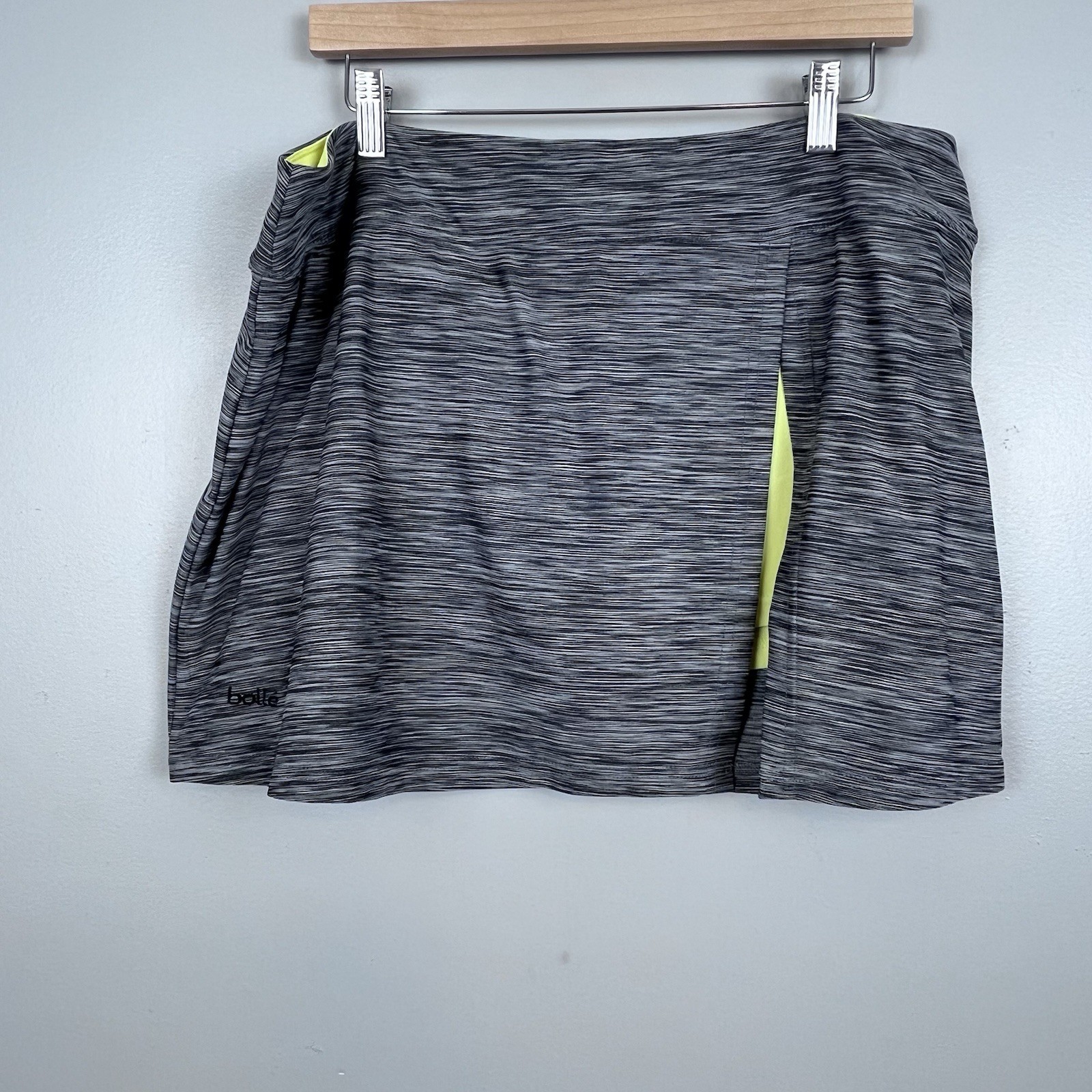 Bolle Women's Performance Tennis and Racquet Sports Skort Size XL; Pickle Ball$15.99
 View on eBay
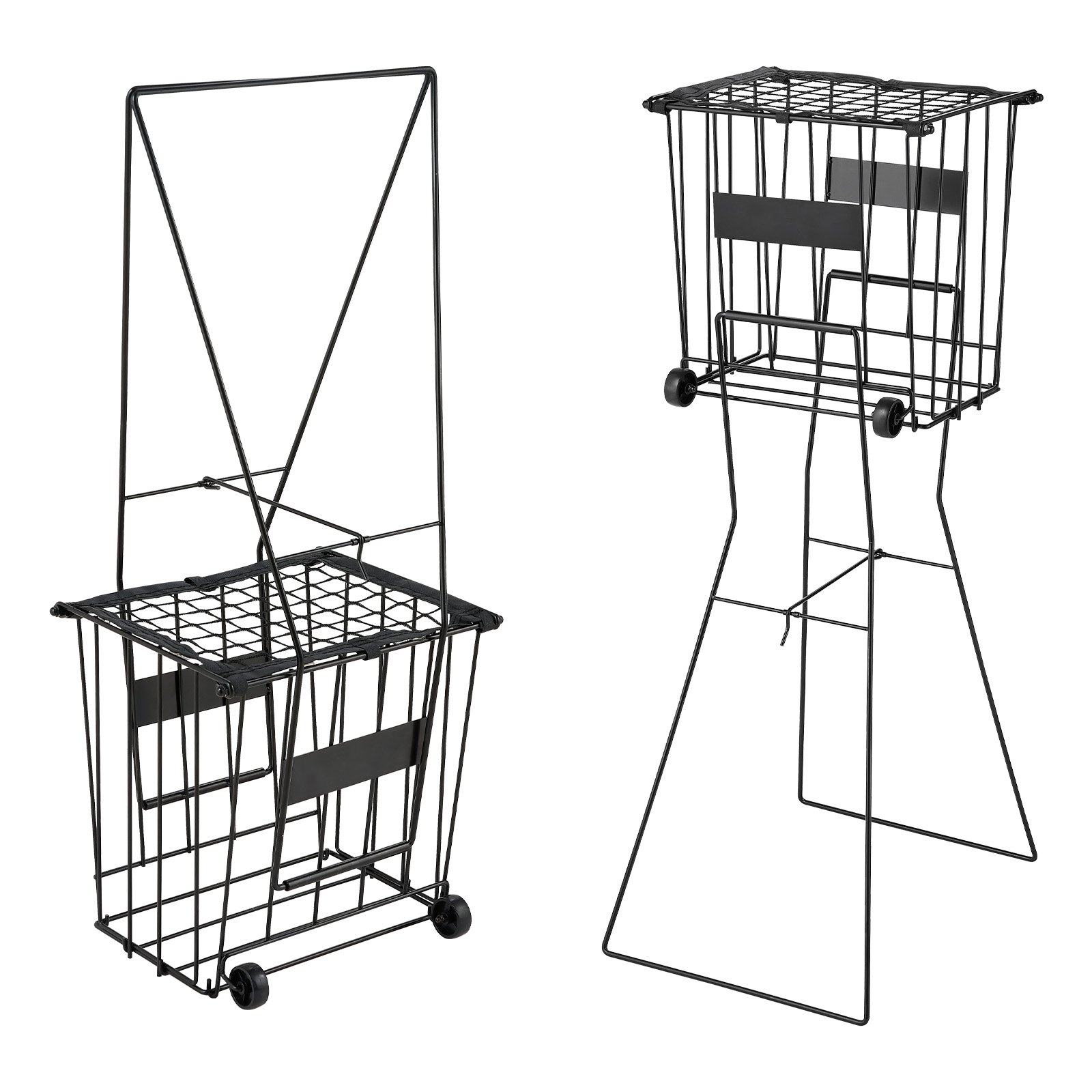 Tennis Ball Hopper, Holds 75 Balls, Pickleball Basket Cart With Wheels For Easy Pick Up, Portable Caddy Heavy-Duty Construction, Handle, For Training Carrying Storage$35.99
 View on Mallflare
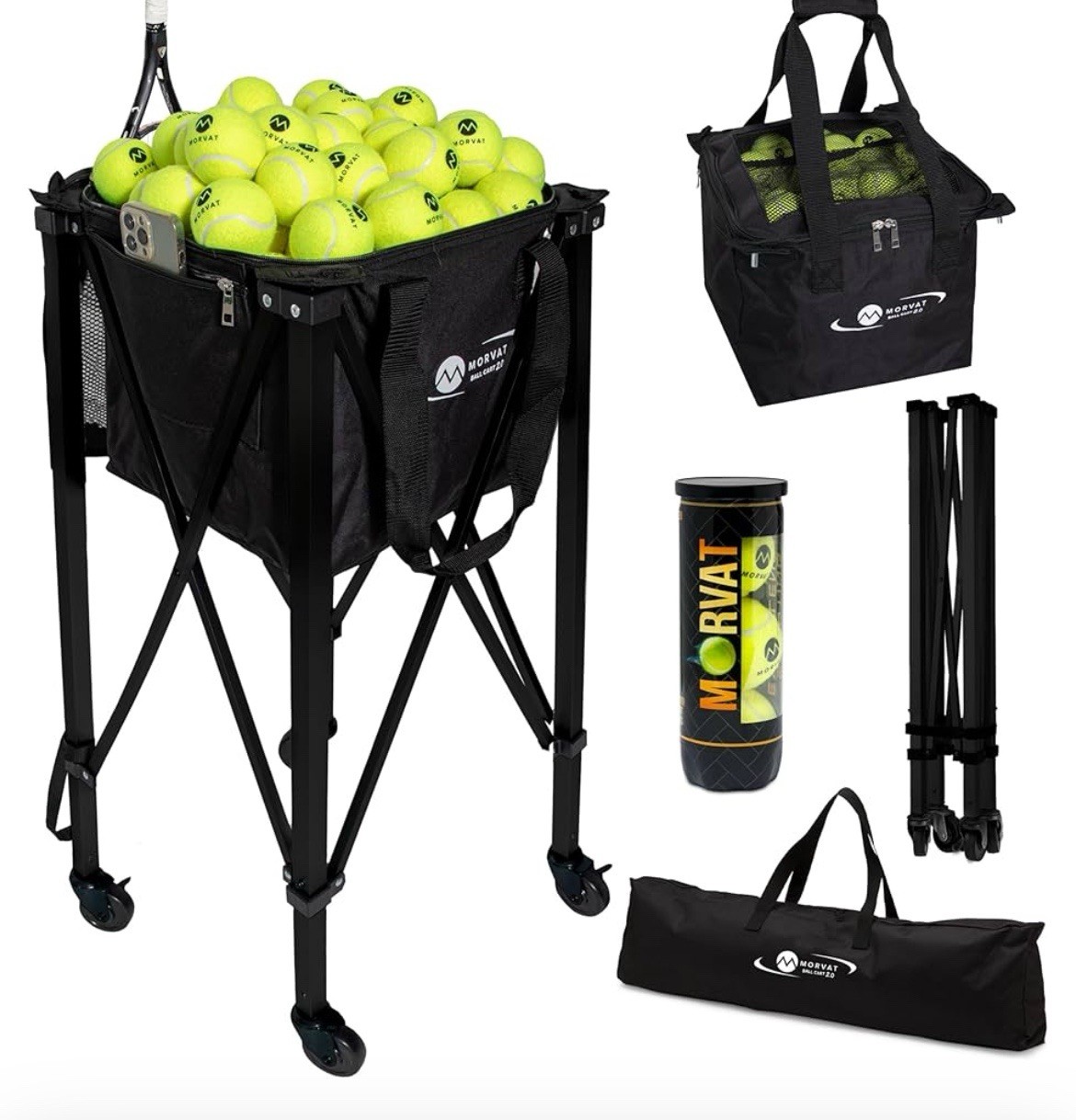 MORVAT Tennis & Pickle Ball Hopper Holds 165 Balls Foldable Carry Bag$69.00View on eBay
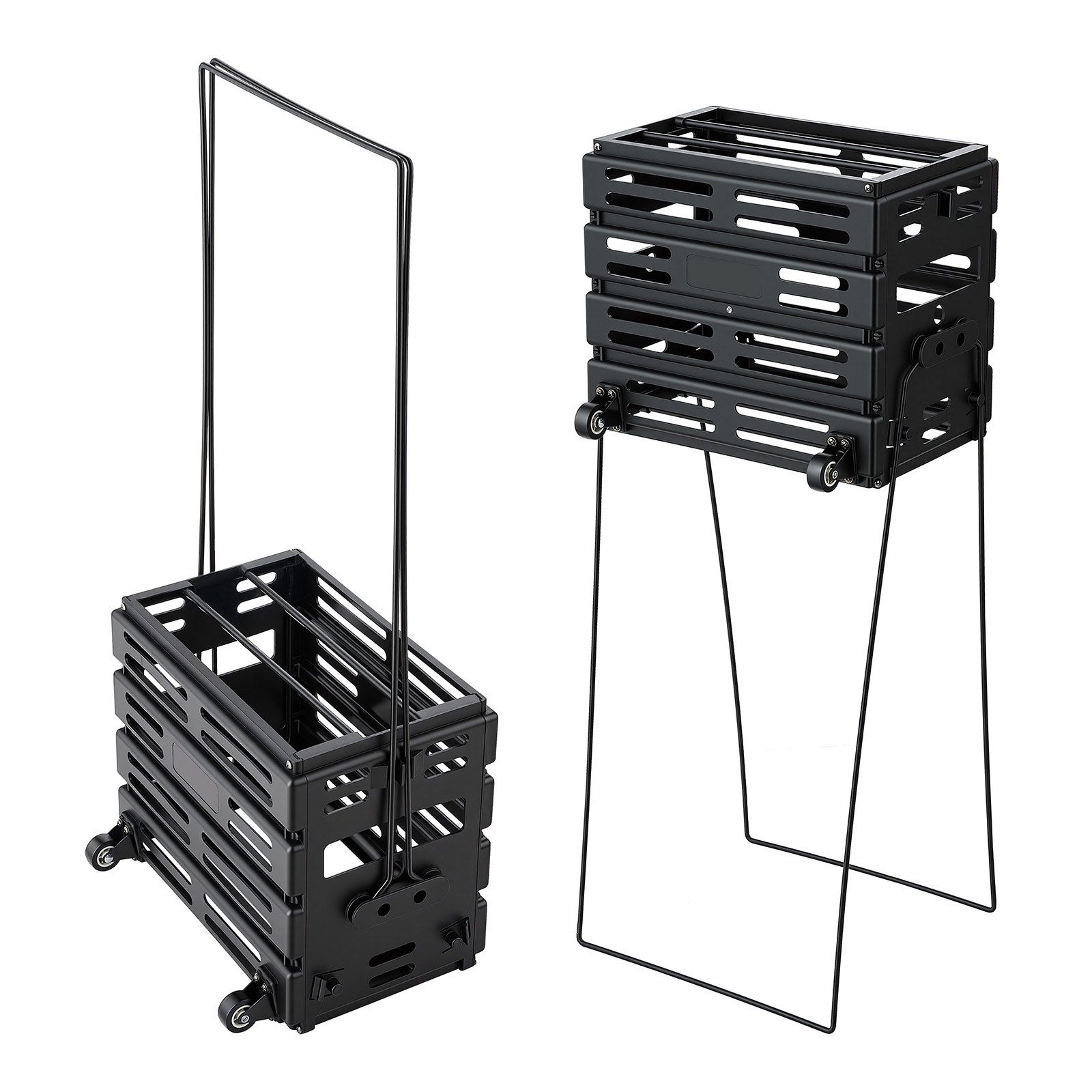 Tennis Ball Hopper, Holds 80 Balls, Pickleball Basket Cart With Wheels For Easy Pick Up, Portable C Ollection Caddy Heavy-Duty Construction, For Training Carrying Storage$46.99View on Mallflare
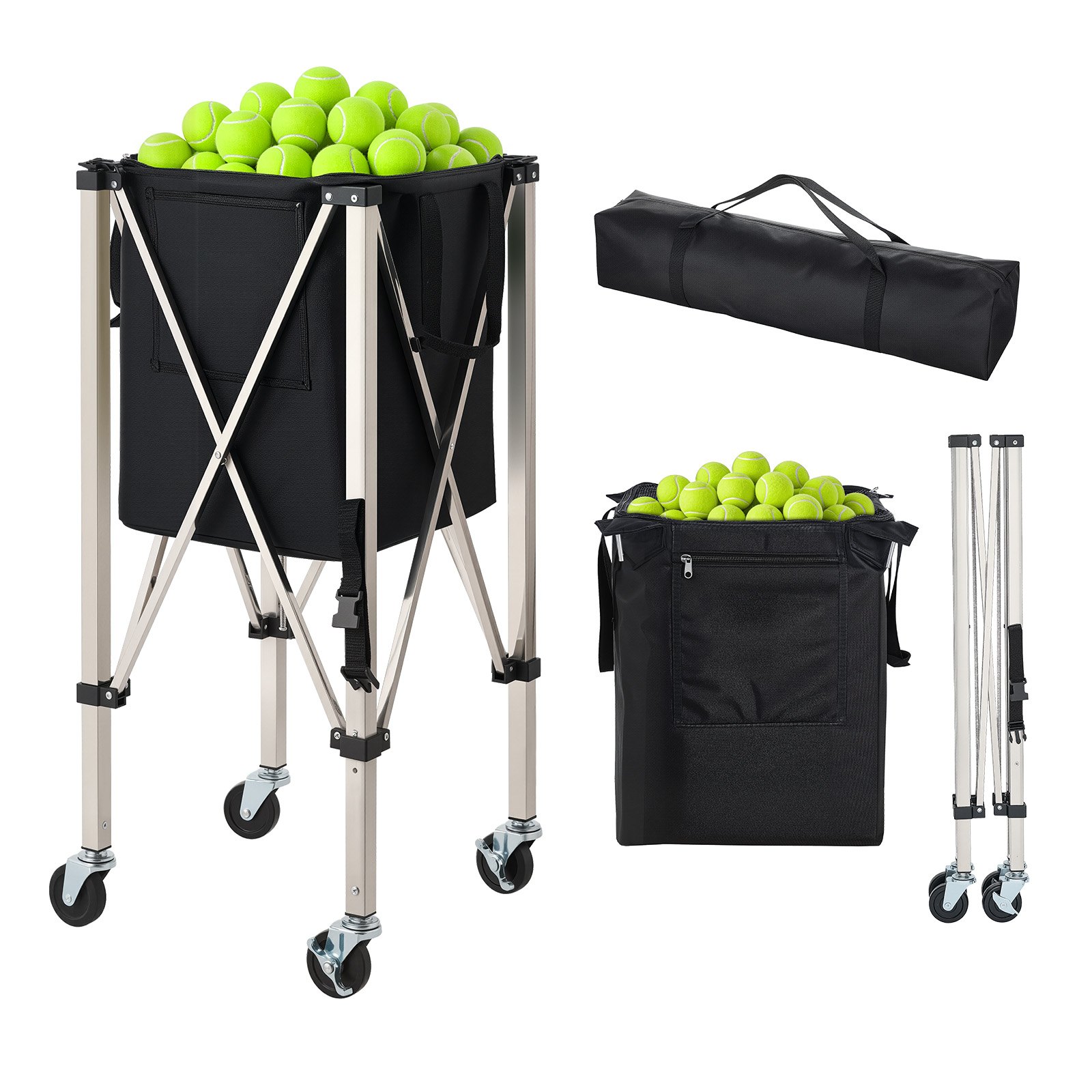 Tennis Ball Hopper, Holds 200 Balls, Foldable Pickleball Basket Cart With Wheels For Easy Pick Up, Stainless Steel Portable Caddy Storage Bag, For Training Teaching$77.99View on Mallflare
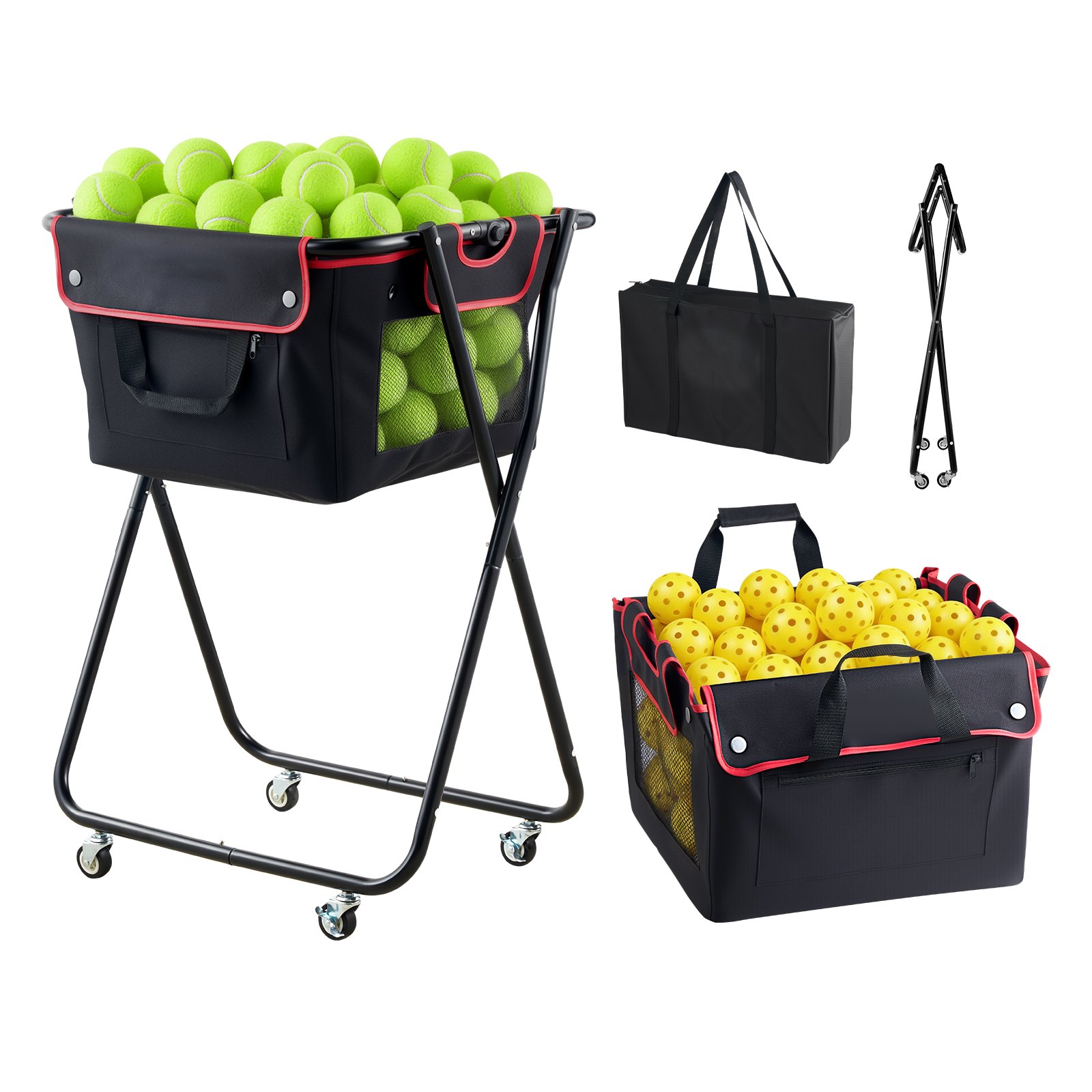 Tennis Ball Hopper, Holds 175 Balls Or 290 Pickleballs, Foldable Pickleball Basket Cart With Wheels For Easy Pick Up, Portable Baseball Caddy Storage Bag, For Training Coaching$86.99View on Mallflare
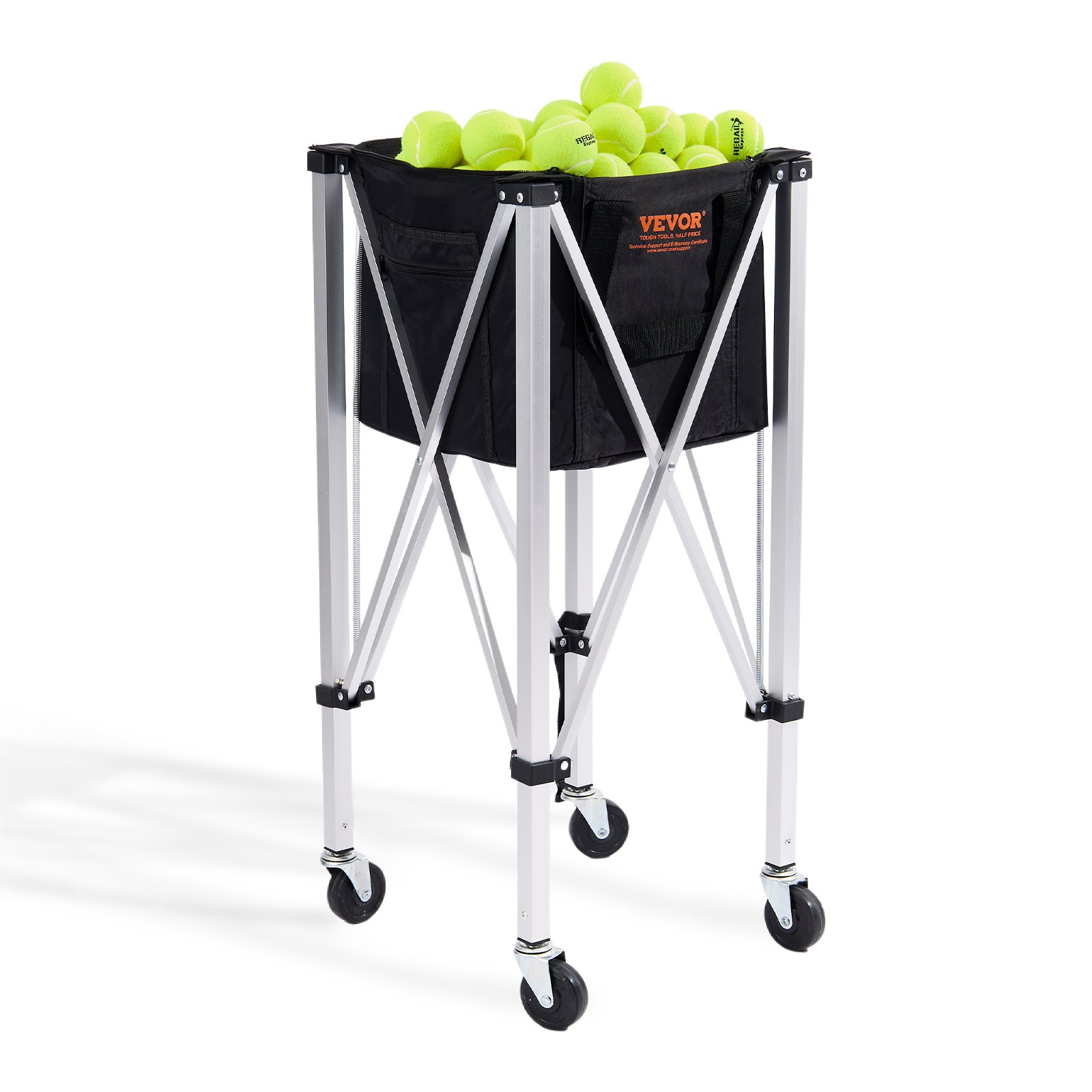 Foldable Tennis Ball Hopper, Holds 150 Balls, Lightweight Aluminum Alloy Basket Cart With Wheels, Removable Bag, Carry Bag, Portable Sports Teaching For Player$87.99View on Mallflare
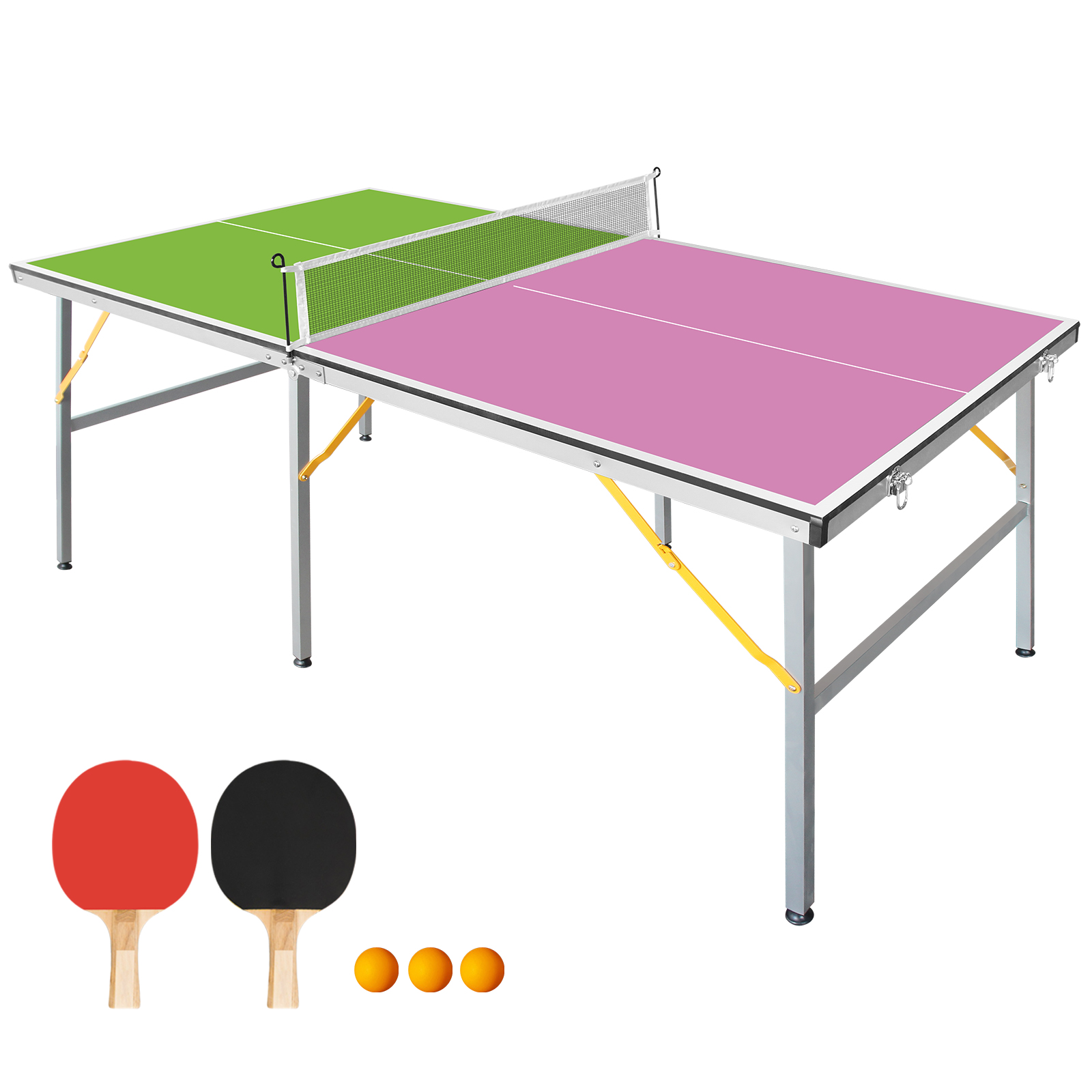 6FT Foldable & Portable Table Tennis – Mid-Size Ping Pong Set for Indoor Play, Includes Net, 2 Paddle, and 3 Balls with Green and Purple Tabletop$117.99View on Mallflare
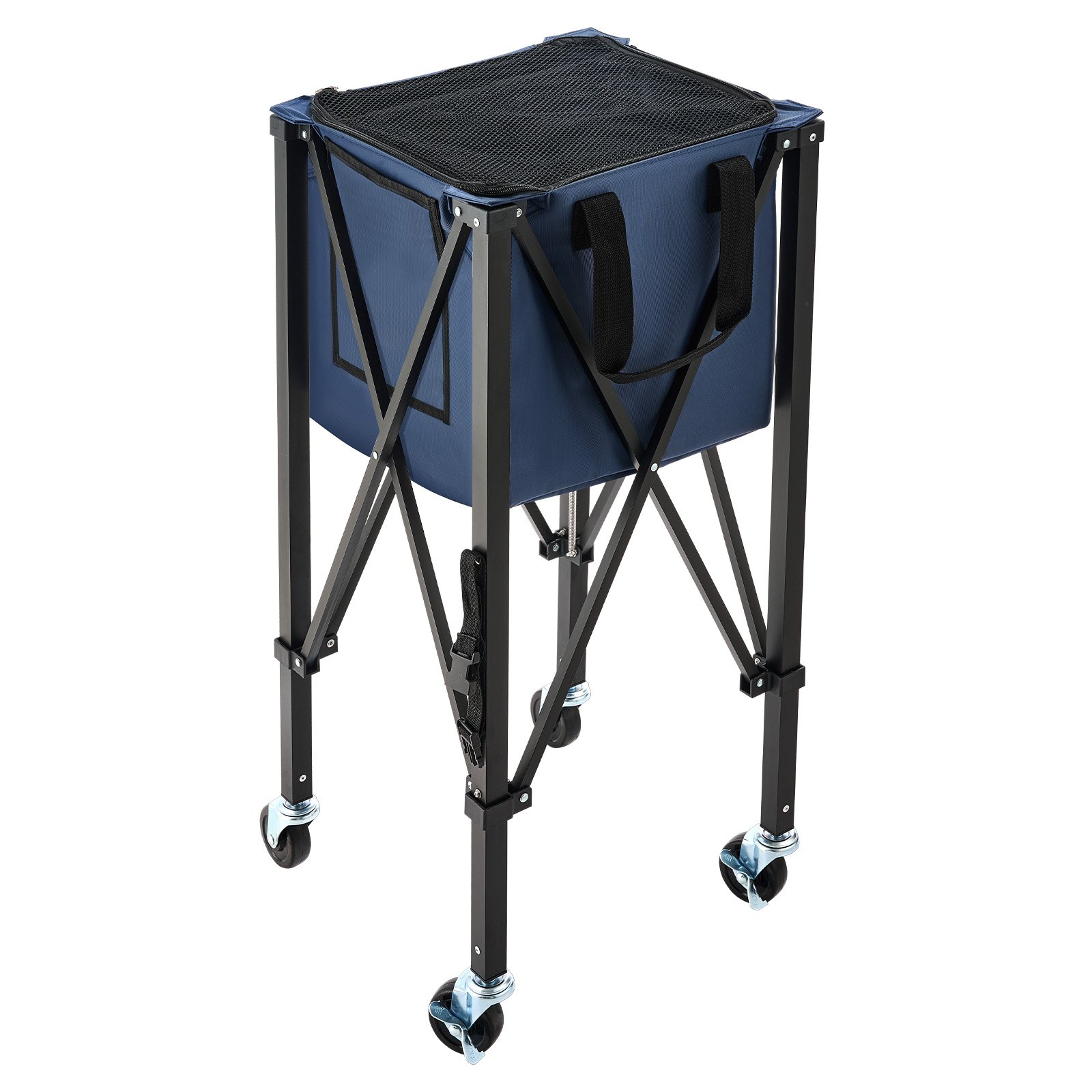 2-in-1 Tennis & Pickleball Hopper, With Pickup Tube, Foldable Basket Cart Wheels, Holds 150 Balls Or 260 Pickleballs, Portable Caddy Holder, For Training$118.99View on Mallflare
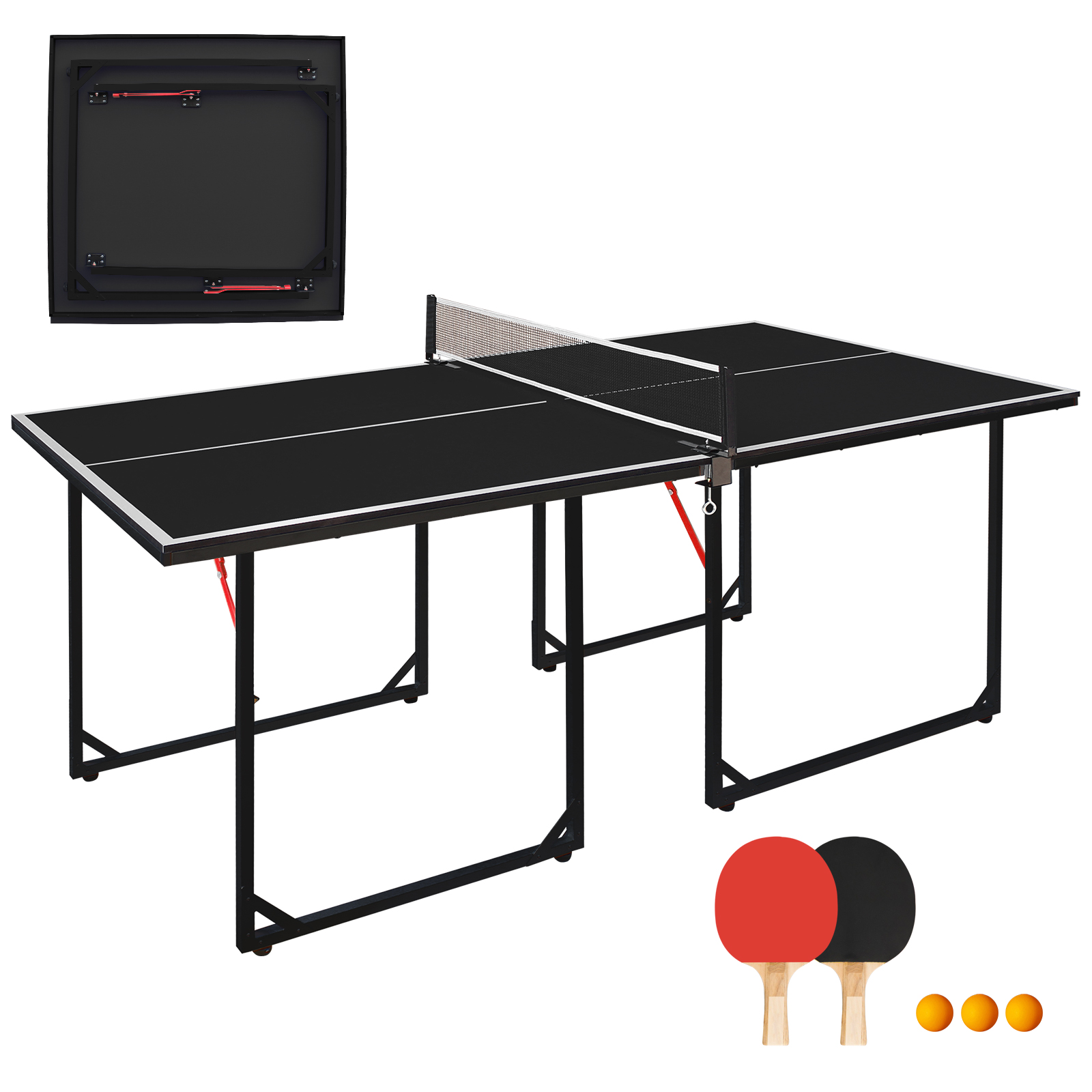 6ft Mid-Size Table Tennis Foldable & Portable Ping Pong Set for Indoor & Outdoor Games with Net, 2 Paddles and 3 Balls (Black Tabletop)$132.99View on Mallflare
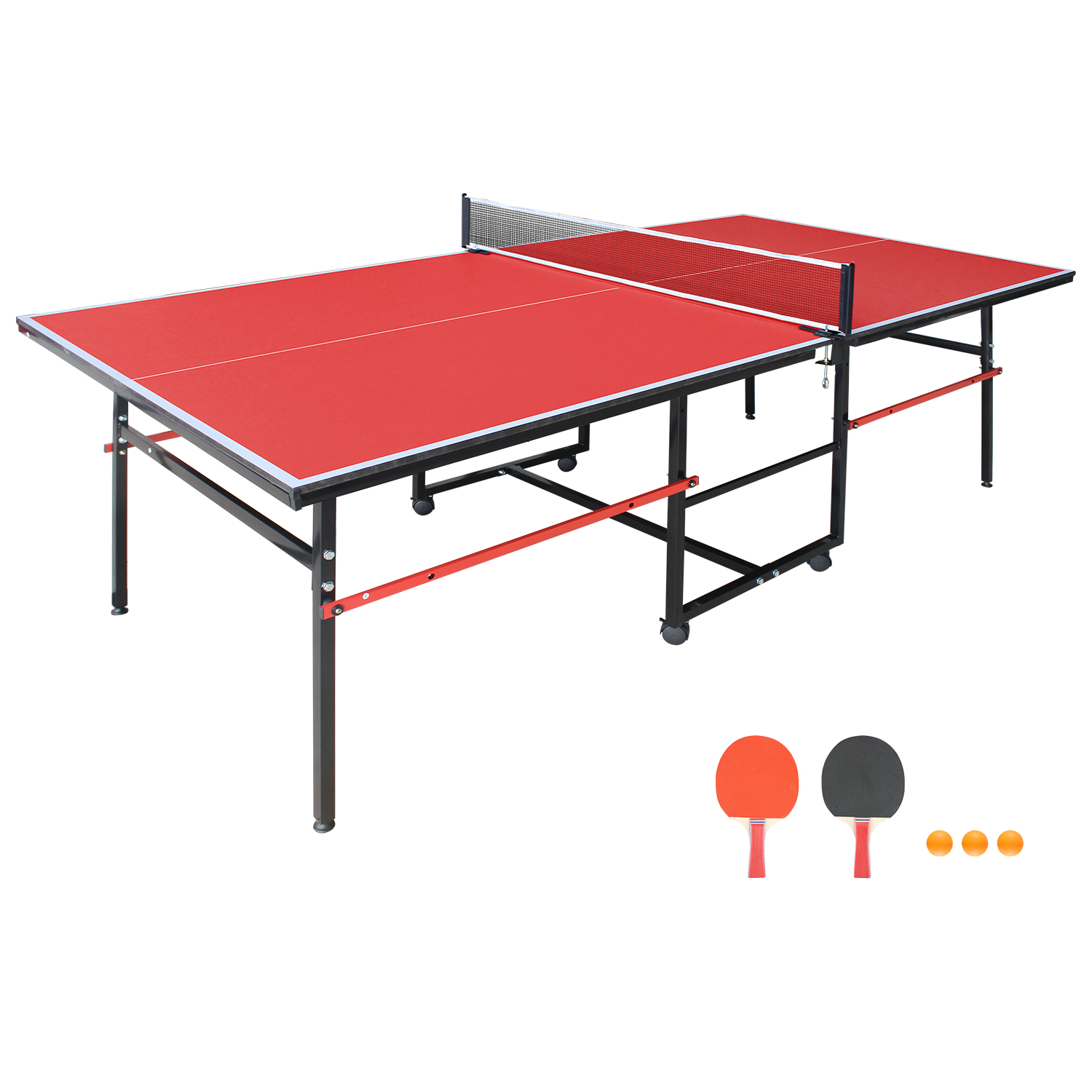 8ft Red Mid-Size Table Tennis Foldable & Portable Ping Pong Set For Indoor Games With Net, 2 Paddles And 3 Balls$198.99View on Mallflare
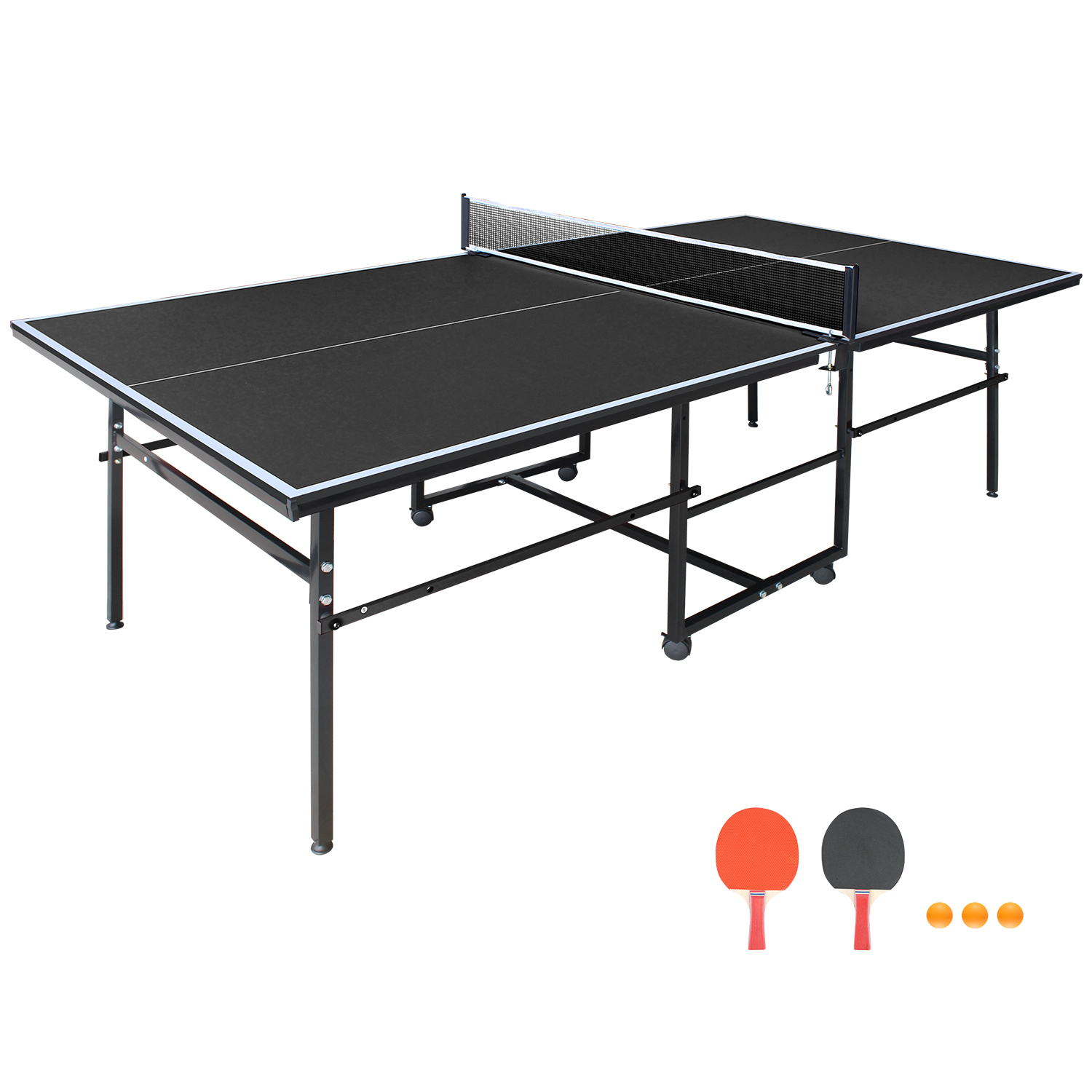 8.5x4. 3ft Black Mid-Size Table Tennis Foldable & Portable Ping Pong Set For Indoor Games With Net, 2 Paddles And 3 Balls$215.99View on Mallflare
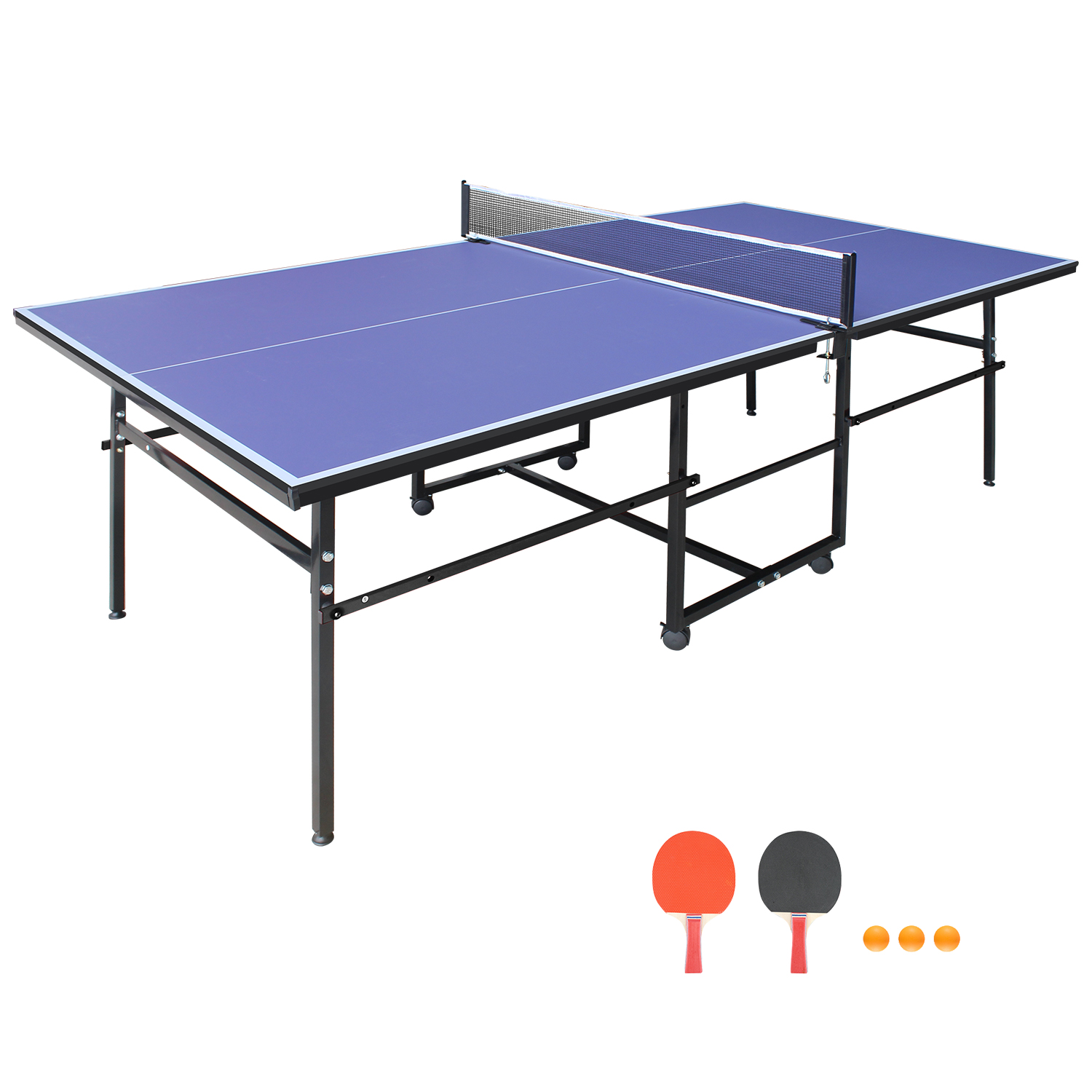 8.5x4. 3ft Blue Mid-Size Table Tennis Foldable & Portable Ping Pong Set For Indoor Games With Net, 2 Paddles And 3 Balls$215.99View on Mallflare
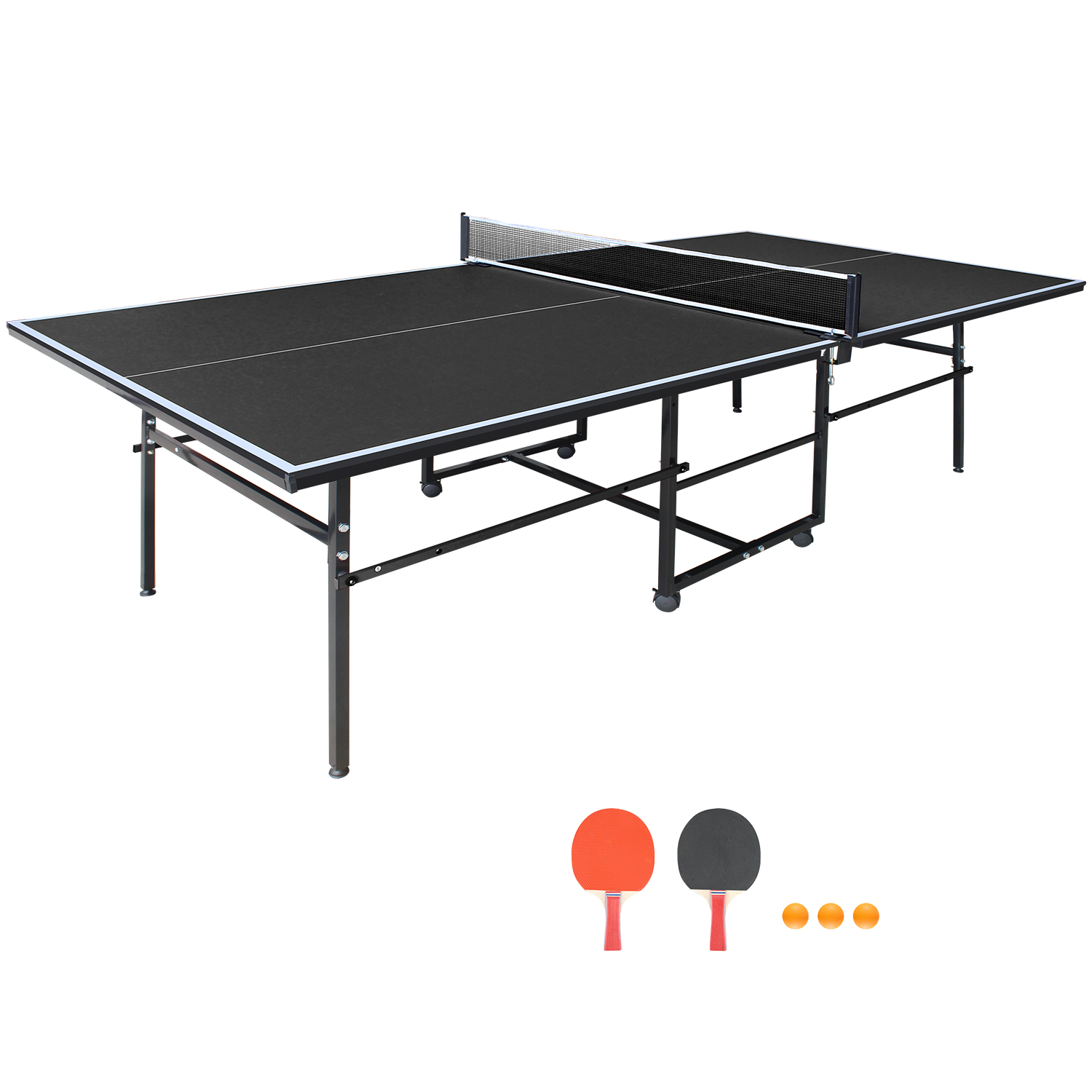 9x4.1ft Black Mid-Size Table Tennis Foldable & Portable Ping Pong Set For Indoor Games With Net, 2 Paddles And 3 Balls$216.99View on Mallflare
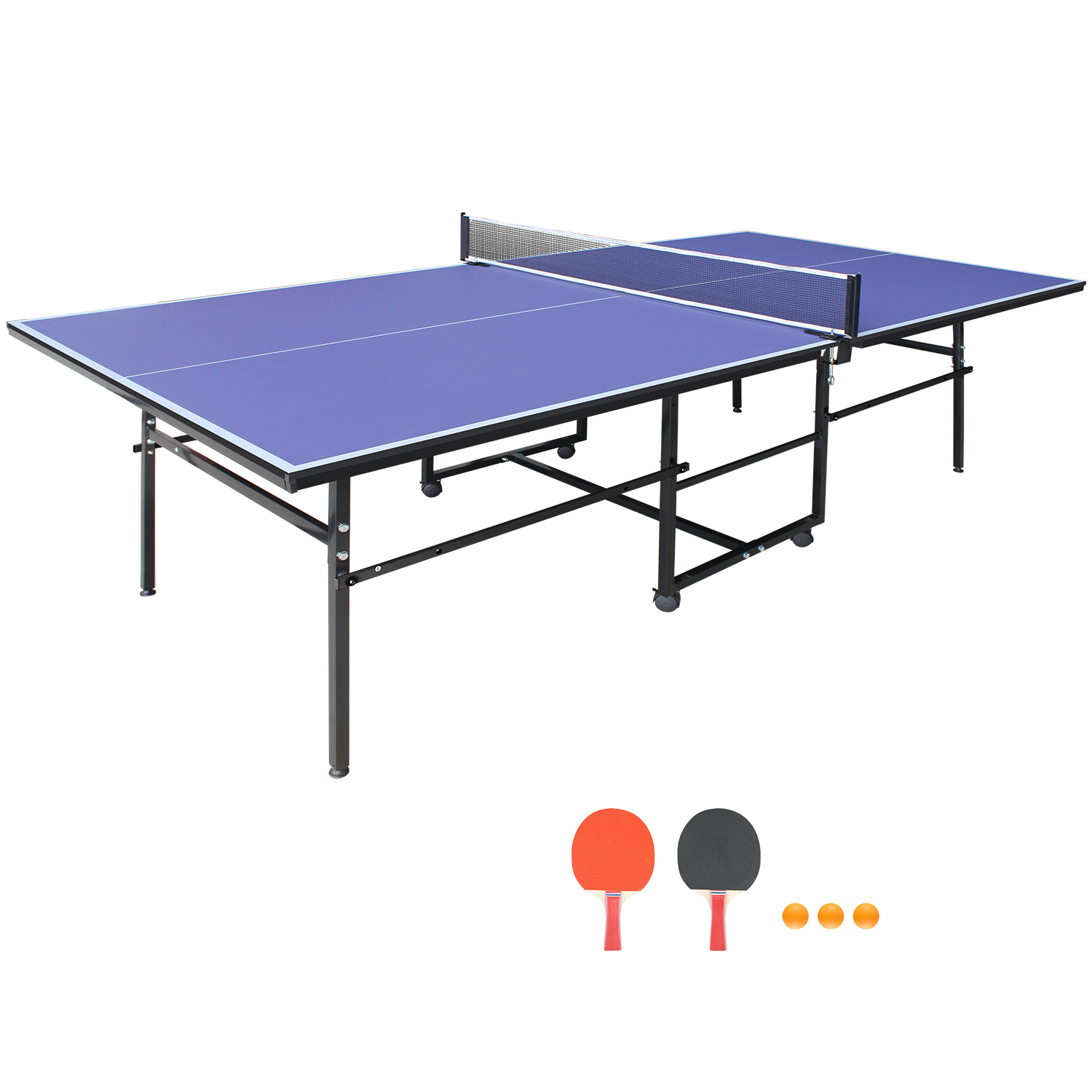 9x4.1ft Blue Mid-Size Table Tennis Foldable & Portable Ping Pong Set For Indoor Games With Net, 2 Paddles And 3 Balls$216.99View on Mallflare
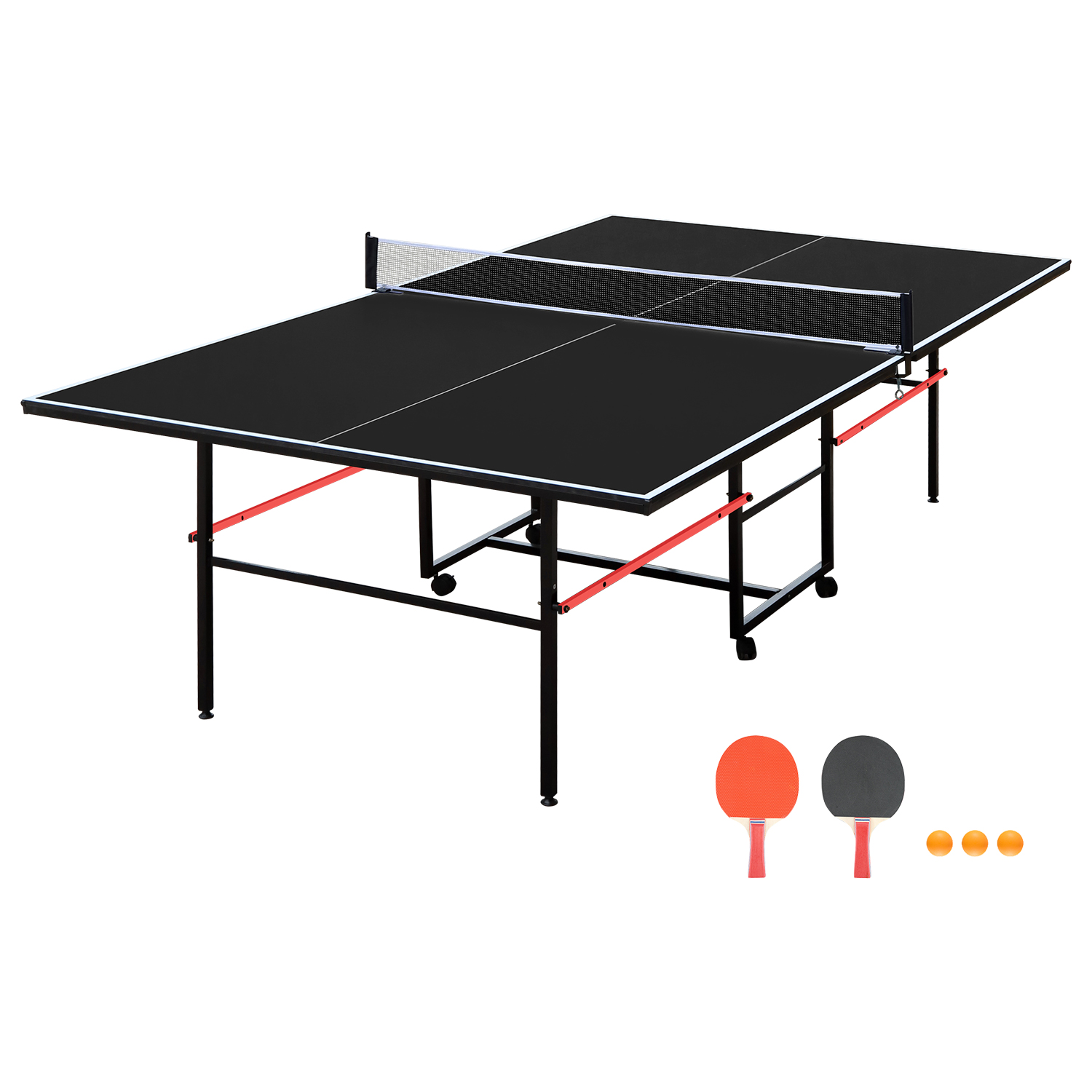 9ft Mid-Size Table Tennis Foldable & Portable Ping Pong Set For Indoor Games With Net, 2 Paddles And 3 Balls$231.99View on Mallflare
Highlights
- Pressurized balls ship in a hermetic can; once opened they lose bounce in roughly 2-4 weeks of play, while pressureless balls hold rebound for months.
- ITF-approved tournament balls must meet rebound, deformation, and mass standards; 'practice' or 'transition' balls are softer and slower by design.
- Felt grade drives durability: woven felt and high wool content last longer than needled synthetic felt on abrasive hard courts.
- Ball types split by court and level: regular-duty for clay/soft courts, extra-duty for hard courts, and low-compression (red/orange/green) for juniors.
Best use cases
- Match and league play: buy pressurized ITF-approved extra-duty balls in cans; skip pressureless balls, which feel heavy and bounce unnaturally high.
- Practice buckets and ball machines: buy pressureless balls in bulk bags; skip pressurized cans, which go dead before the bucket is used up.
- Junior and beginner coaching: buy stage-appropriate low-compression red/orange/green balls; skip standard yellow balls, which bounce too high for small courts.
Buying tips
- Match the duty rating to your court: extra-duty felt for hard courts, regular-duty for clay, and high-altitude balls above roughly 1,200 m elevation.
- For bulk practice, pressureless balls cost less per ball over time and need no can; for matches, pressurized cans are the only compliant choice.
- Junior progression follows compression: red (75% slower), orange (50%), green (25%), then standard yellow; pick by court size and age.
- Check the ITF Approved logo on the can for tournament use; non-approved balls are fine for recreation but not sanctioned play.
Specs
| Pressurization | Pressurized can vs pressureless |
|---|---|
| Court Duty | Regular / Extra-duty / High-altitude |
| ITF Approval | ITF Approved vs practice only |
| Junior Stage | Red / Orange / Green / Yellow |
Related searches
What to check before buying
- Court surface: hard courts abrade felt fastest, so choose extra-duty balls; clay and indoor courts suit regular-duty.
- Volume needed: a hopper or machine holds 75-200 balls, so buy pressureless bulk bags rather than dozens of pressurized cans.
- Player level and age: juniors under 10 need red/orange low-compression balls on smaller courts; adults use standard yellow.
- Storage: pressurized balls must stay sealed until use; pressureless balls store openly and tolerate temperature swings.
FAQ
Data sources: eBay / Amazon listings and product attribute feeds Data updated Nov 16, 2026.
Some links on this page are affiliate links. If you buy after clicking one, we may earn a commission at no extra cost to you. This does not change which products appear here or their order. Affiliate disclosure.