Photos from current listings. Actual item, color, and included accessories may vary.
Tennis Racquet Bag Buying Guide
A tennis racquet bag is a dedicated carry system defined by its racquet capacity, thermal protection, and separate compartments for shoes and accessories. The core trade-off is between lightweight single-strap totes and structured multi-racquet bags with padded, ventilated, and thermally insulated compartments. Choose a bag sized to your actual racquet count plus one spare, and skip any bag without a dedicated shoe compartment or at least 5mm of padding if you play more than once a week.


At a glance
- Category
- Tennis & Racquet Sports
- Data updated
- Nov 16, 2026
Current offers
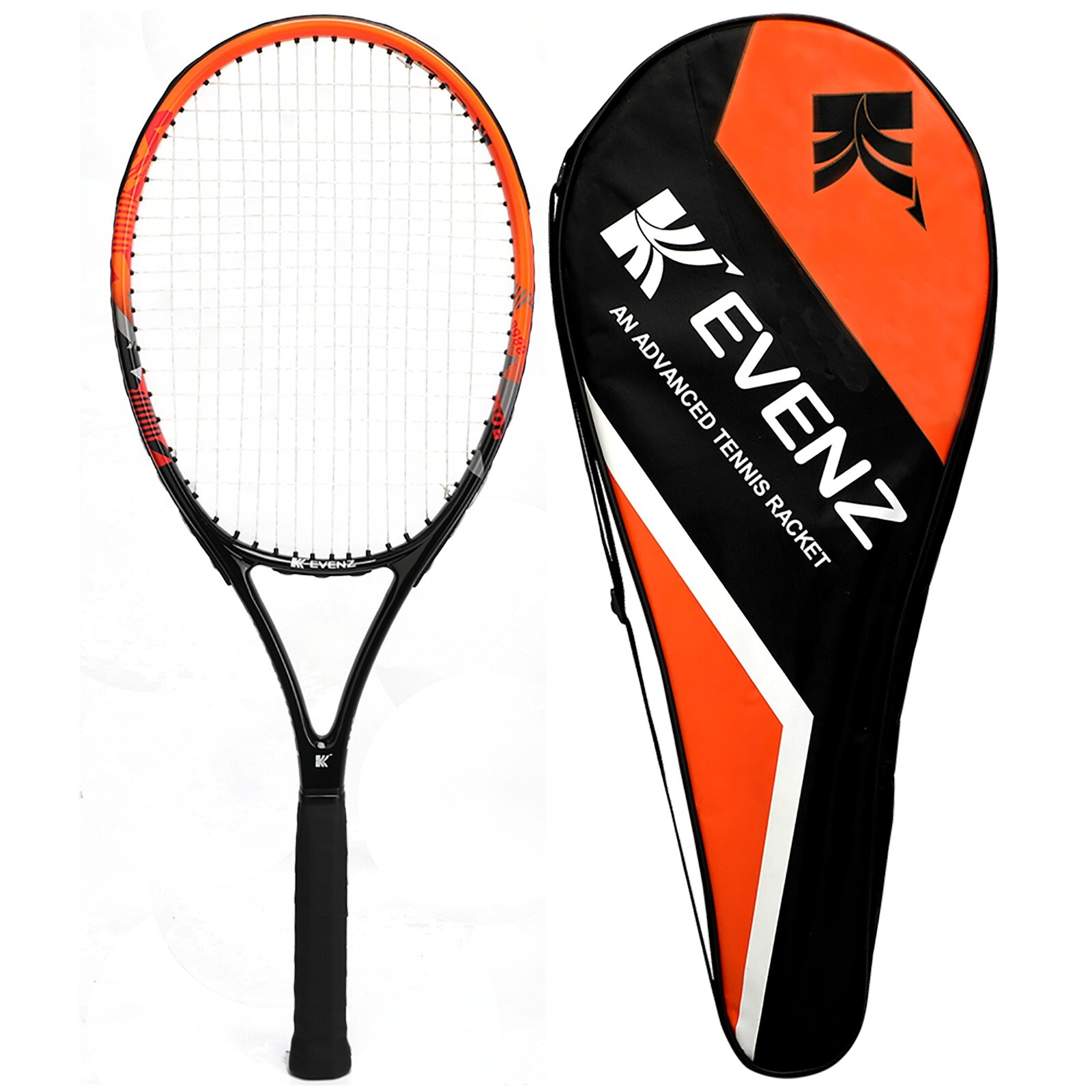 KEVENZ Tennis Racket for Adults, Tennis Racquet with Carring Bag, Orange$18.99
 View on eBay
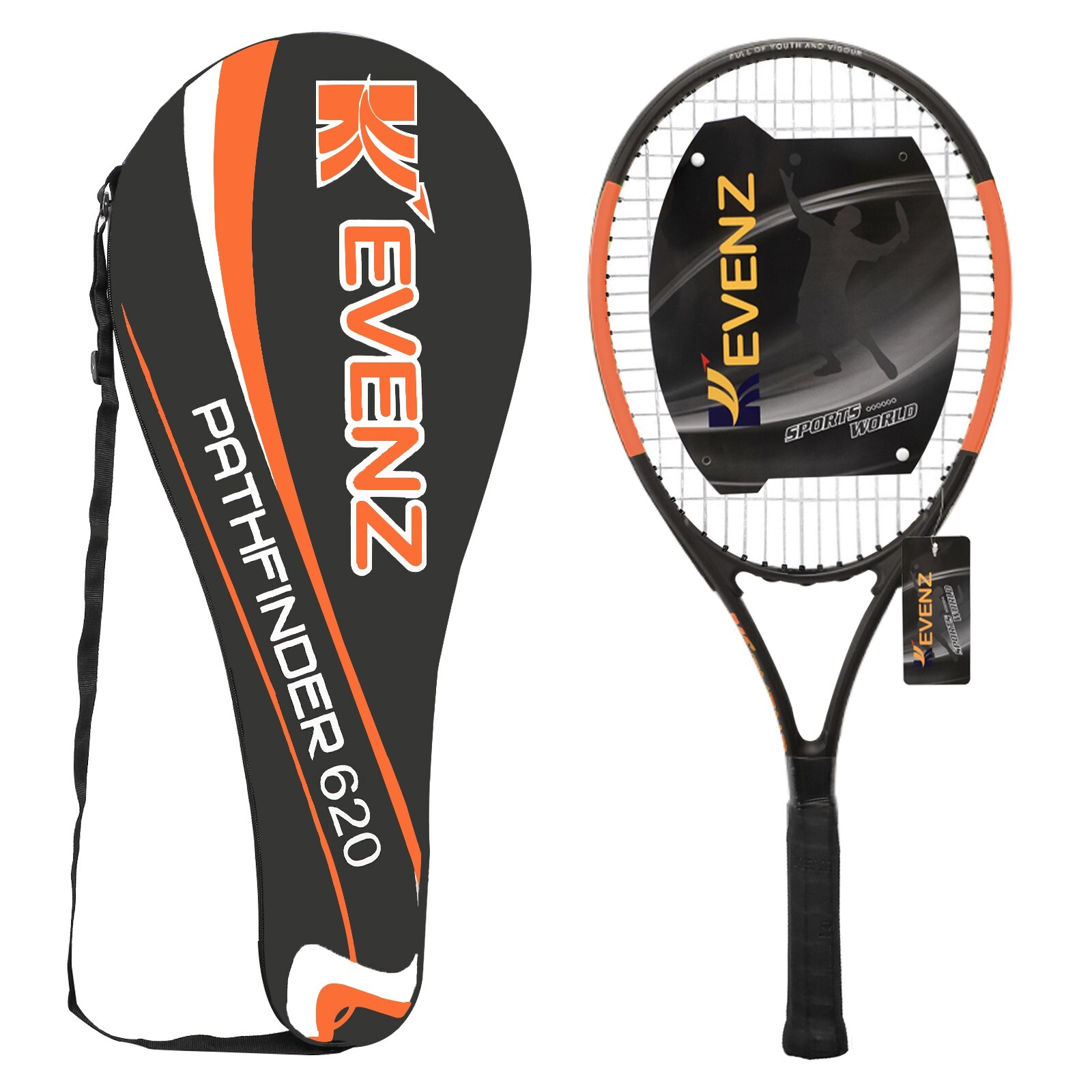 KEVENZ Tennis Racket with Carring Bag,Professional Tennis Racquet for Adults$18.99View on eBay
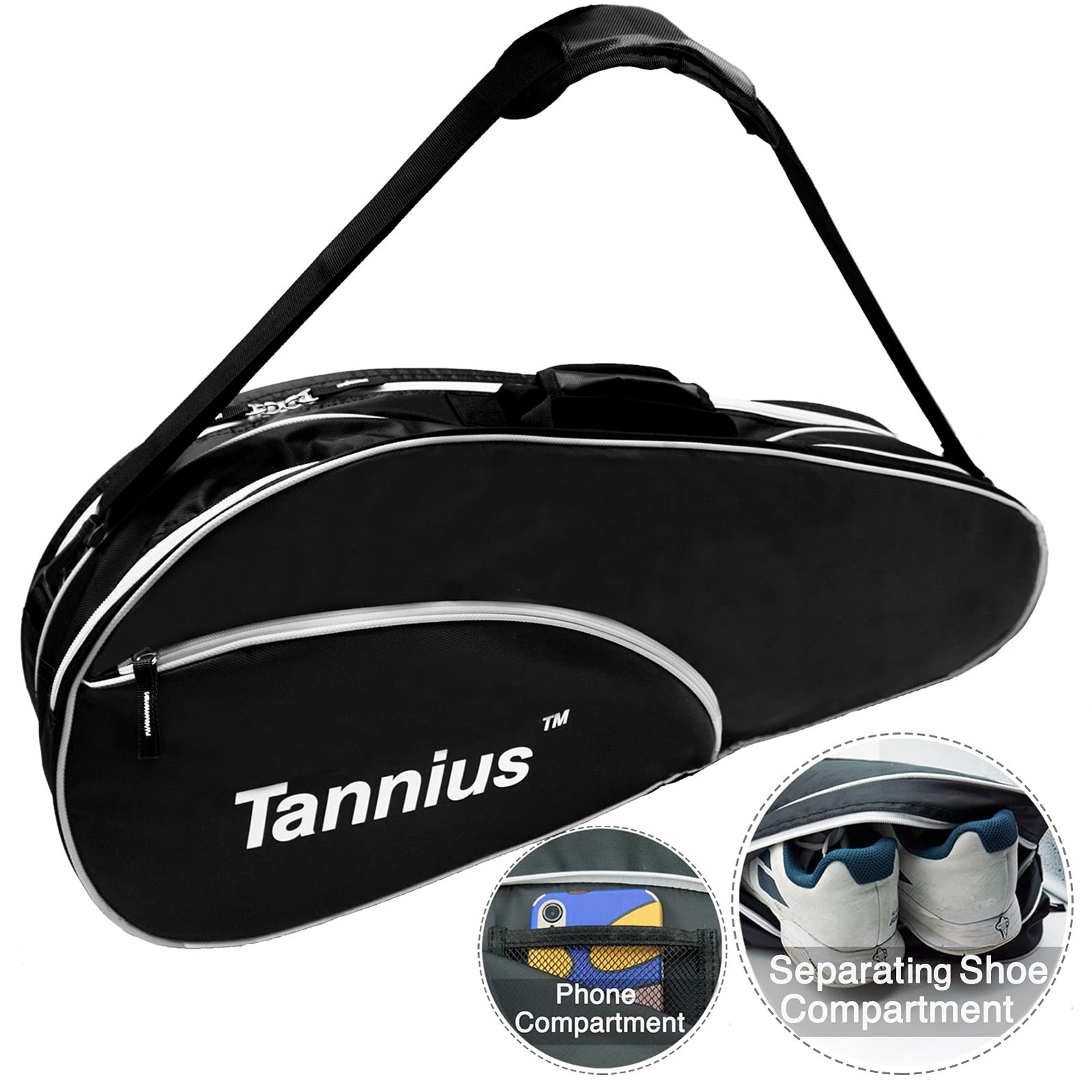 Tennis Racket Bag (3-5 Racquet), with Shoe & Phone Compartment and Protective...$38.21View on eBay
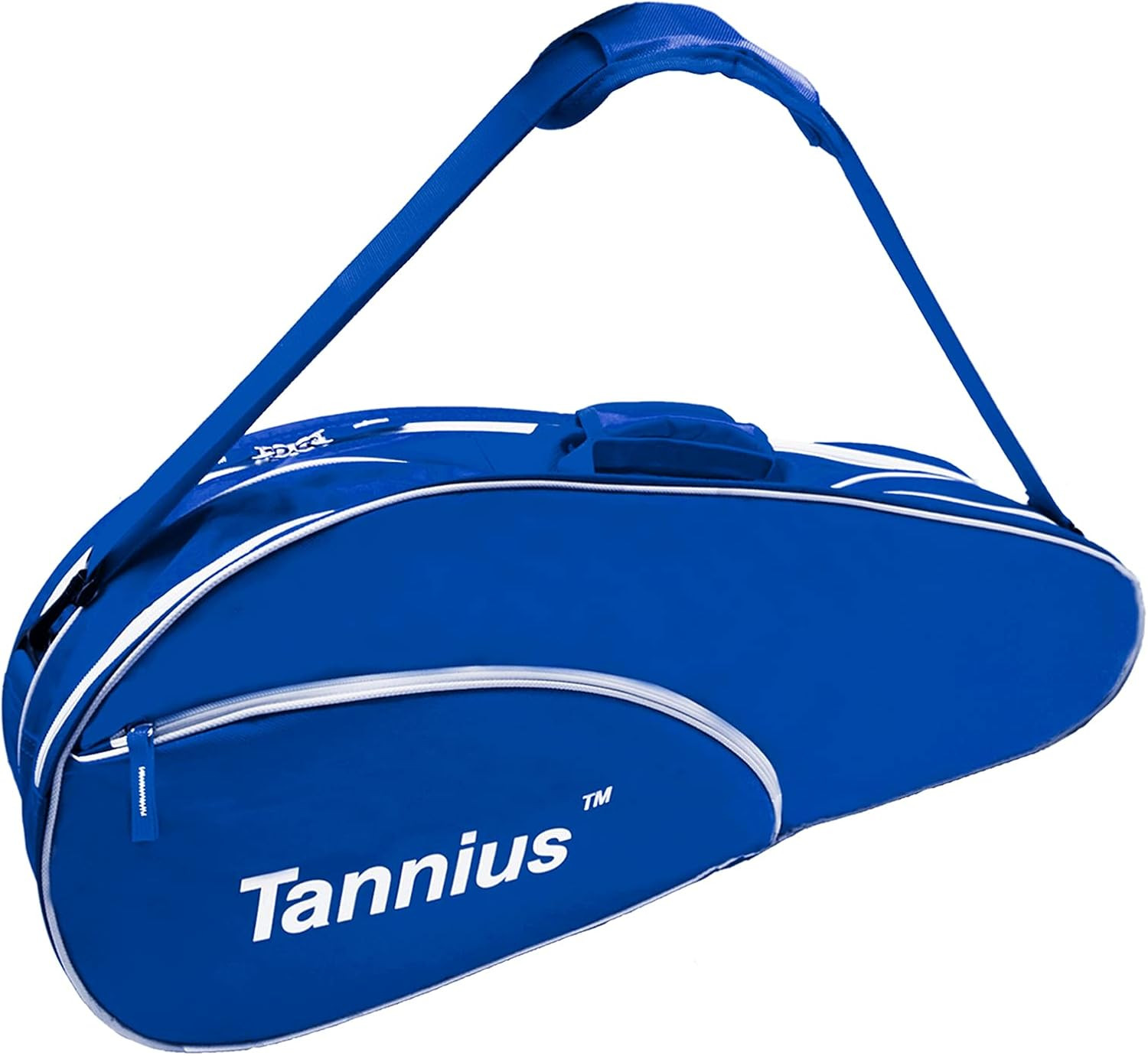 Tennis Racket Bag (3-5 Racquet), with Shoe & Phone Compartment and Protective Pa$38.99View on eBay
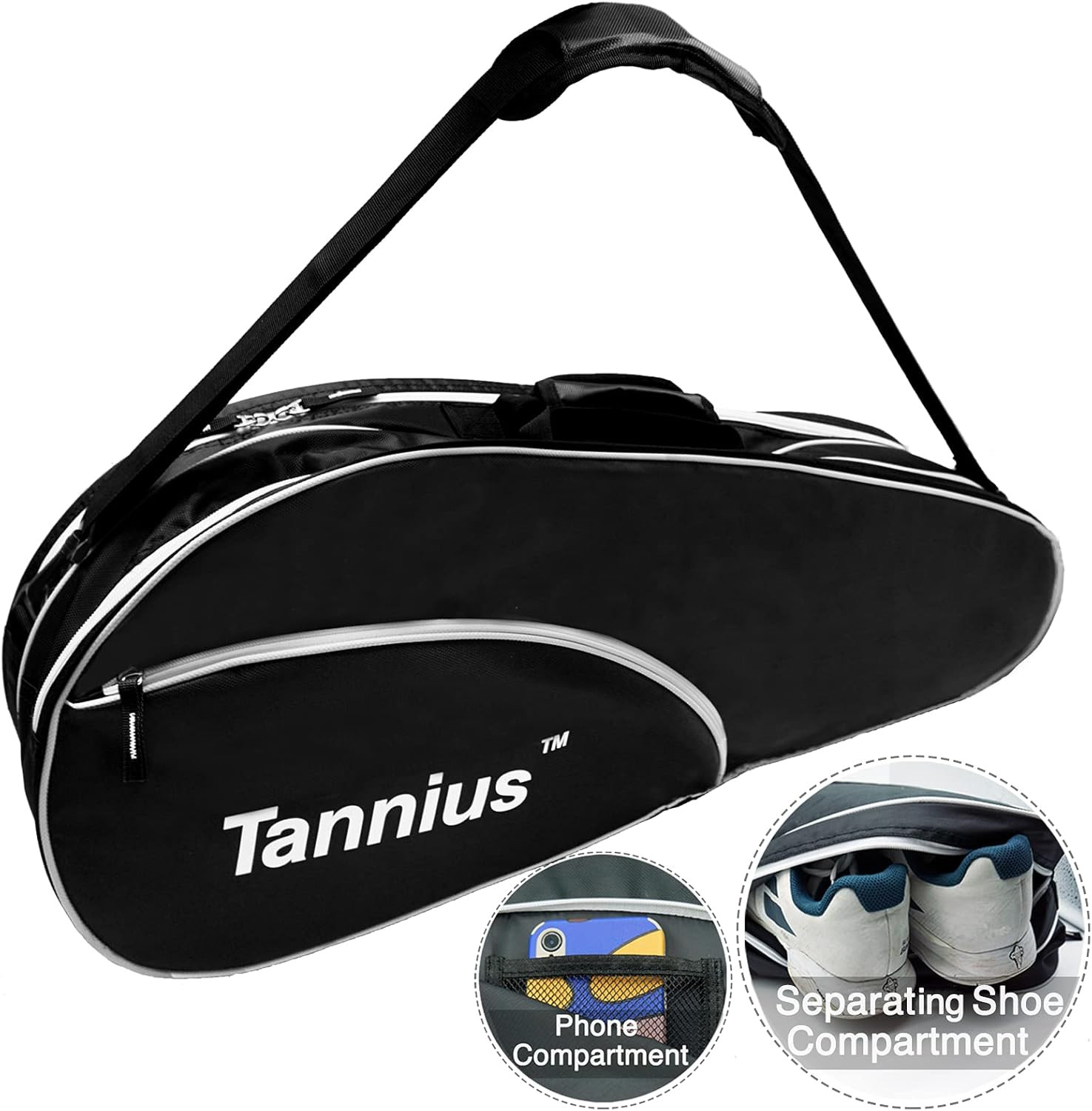 Tennis Racket Bag (3-5 Racquet), with Shoe & Phone Compartment and Protective Pa$39.63View on eBay
- Tennis Racket Bag (3-5 Racquet), with Shoe & Phone Compartment and Protective Pa$39.63View on eBay
- Tennis Racket Bag (3-5 Racquet), with Shoe & Phone Compartment and Protective Pa$39.67View on eBay
- Tennis Racket Bag (3-5 Racquet), with Shoe & Phone Compartment and Protective Pa$40.67View on eBay
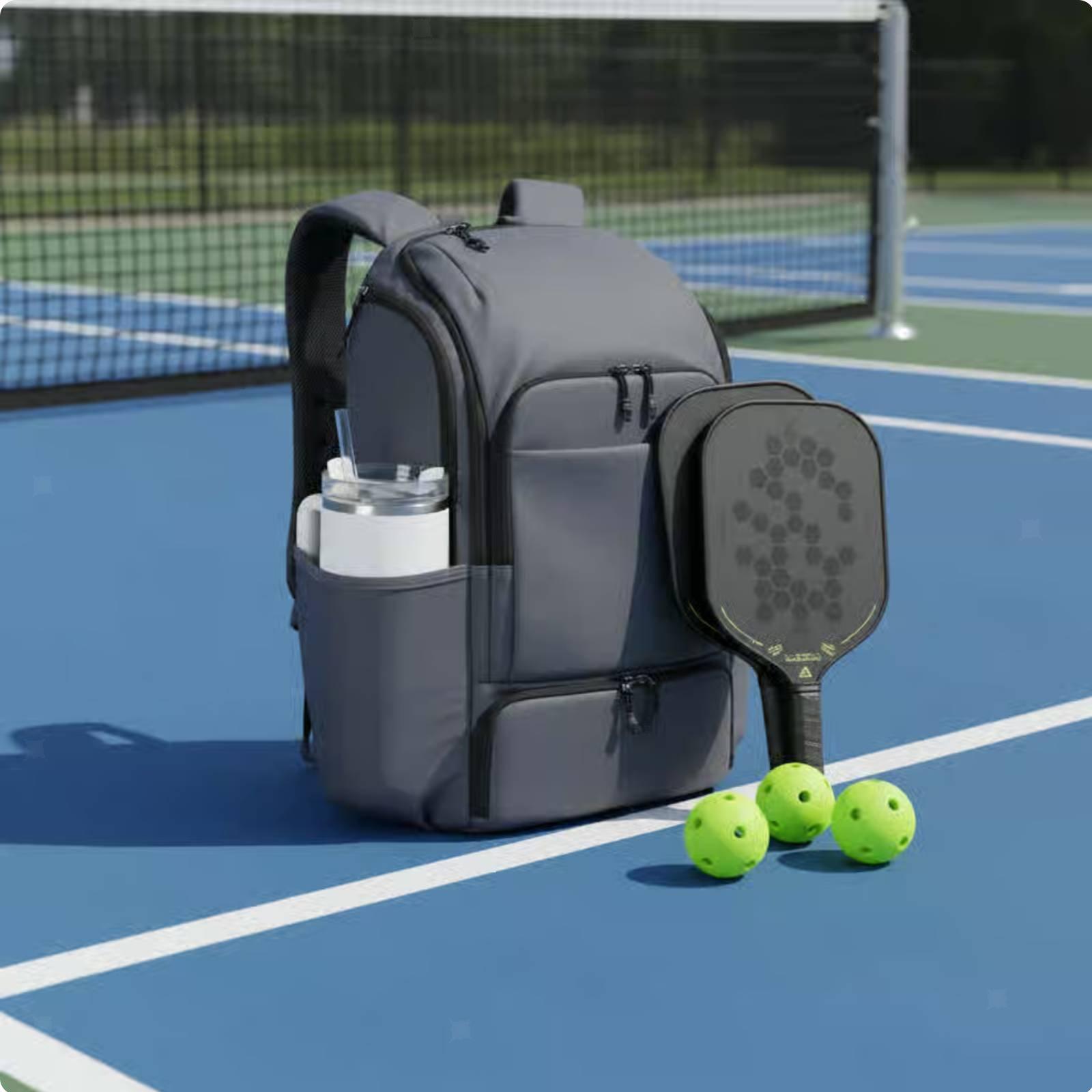 Tennis and Racquet Sports Bags Versatile Polyester Carrier Secure Racket$55.79View on eBay
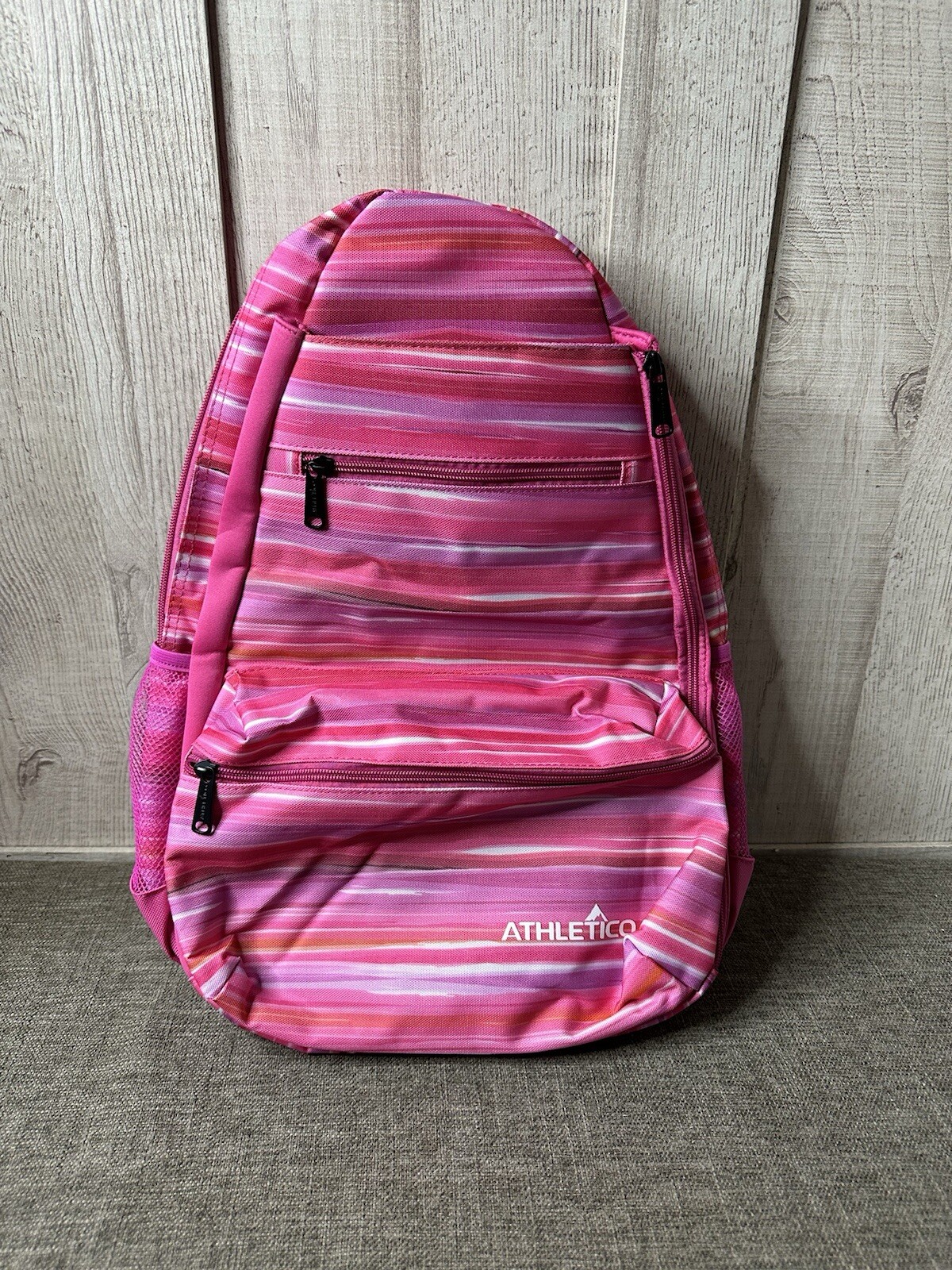 Athletico City Tennis Racquet Backpack Sports Bag Holds 2 Rackets and Shoes$56.29View on eBay
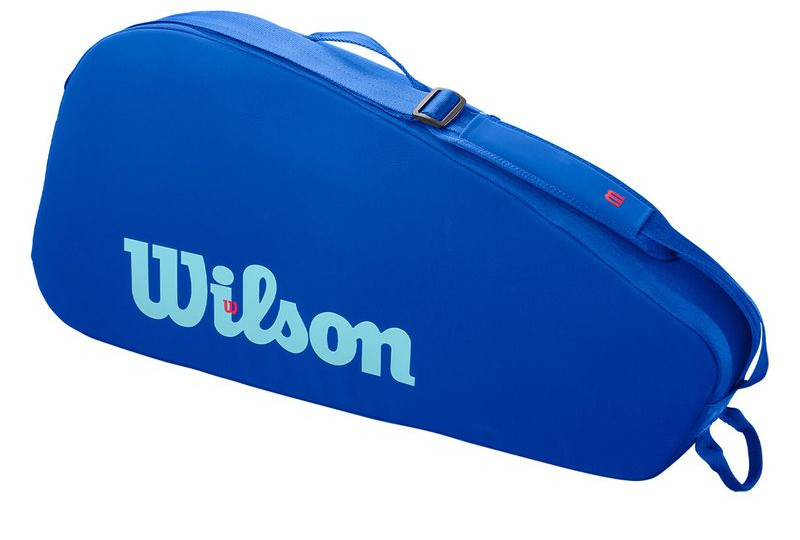 Wilson Ultra Tour V5 3PK Tennis Racket Racquet Bag Navy Sports Blue WR8049001001$57.00View on eBay
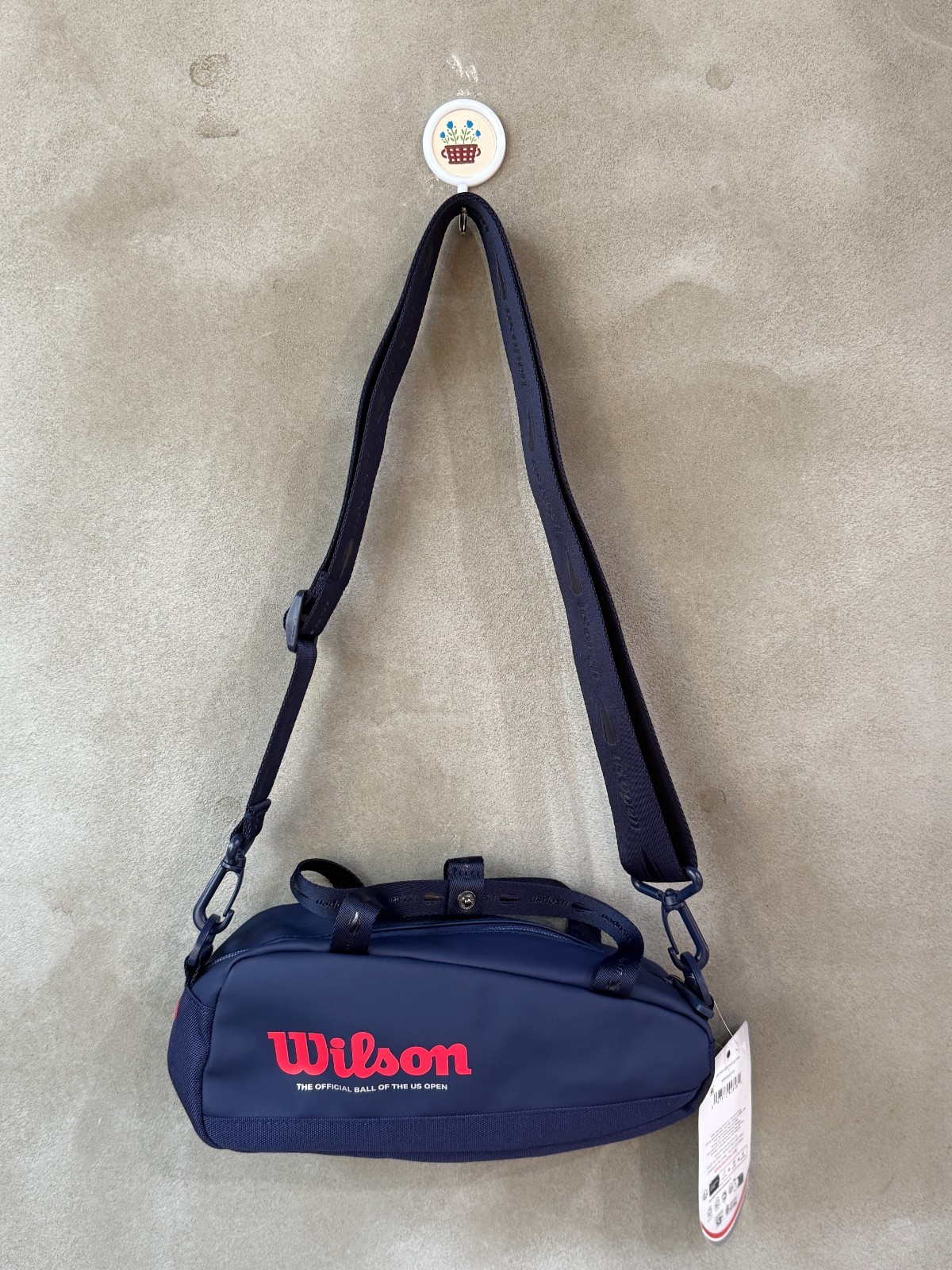 Wilson 2025 US Open Mini Tennis Bag Racket Racquet Sports Bag NWT WR8046201001$62.01View on eBay
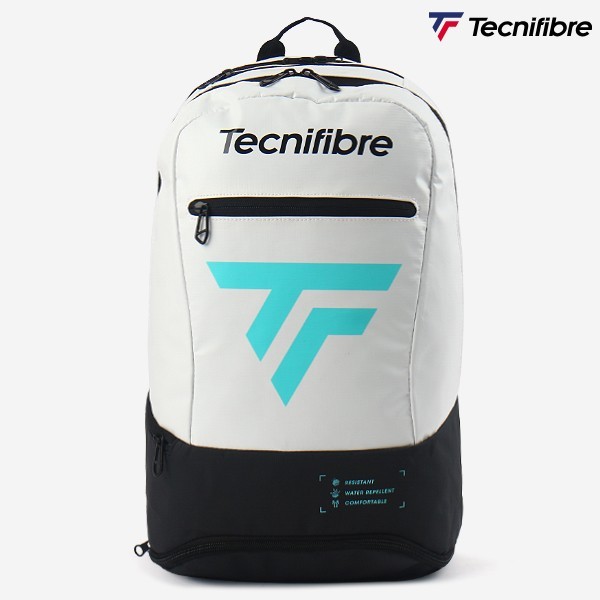 Tecnifibre 2024 Tour Endurance Backpack Tennis Badminton Sports Racquet Bag NWT$98.01View on eBay
Highlights
- Racquet capacity tiers: 3-pack, 6-pack, and 9-pack bags; a 6-pack typically holds 3-4 racquets plus gear, while a 9-pack fits 6-8 racquets and a full change of clothes.
- Thermal insulation matters: foil-lined or ThermoGuard compartments slow tension loss; uninsulated bags let strings lose 5-10 lbs of tension in a hot car within hours.
- Shoe compartments must be ventilated and separate; unvented shoe pockets trap moisture and odor, while dedicated vented tunnels keep wet gear away from racquets.
- Strap architecture determines carry comfort: padded dual backpack straps distribute load for 6+ racquet bags, while a single shoulder strap suits 3-pack bags under 5 lbs loaded.
Best use cases
- Recreational players carrying 1-2 racquets to a weekly match: pick a 3-pack bag with one padded shoulder strap and a small accessory pocket; skip 9-pack bags that add bulk without benefit.
- League or tournament players carrying 3-5 racquets plus shoes and a change of clothes: choose a 6-pack bag with dual backpack straps, a ventilated shoe tunnel, and at least one thermal racquet compartment.
- Coaches or frequent players hauling 6+ racquets, a ball hopper, and gear: select a 9-pack bag with reinforced base, dual padded backpack straps, and multiple thermal compartments; skip soft single-strap totes that cannot distribute the load.
- Players in hot climates who leave bags in cars: prioritize foil-lined thermal compartments over extra pockets; uninsulated bags will cost you a string job.
Buying tips
- Measure your racquet head size and beam width: most bags fit up to 110 sq in heads and 27-inch length; oversized frames (115+ sq in) or extended-length (27.5+ in) racquets need a bag with a wide-mouth opening or a 9-pack.
- Match racquet capacity to your rotation: buy one slot more than your maximum match-day racquet count; a 6-pack bag holds 3-4 racquets comfortably once shoes and a water bottle are inside.
- Check strap padding thickness and hardware: dual backpack straps with at least 10mm foam and metal or heavy-duty plastic buckles survive weekly use; thin webbing and plastic clips fail first.
- Prioritize YKK or equivalent zippers and a reinforced base: racquet bags fail at zipper pulls and bottom corners; look for double-stitched seams and a abrasion-resistant 600D polyester or nylon shell.
Specs
| Racquet Capacity | 3-pack / 6-pack / 9-pack |
|---|---|
| Thermal Compartment | Foil-lined vs uninsulated |
| Carry System | Dual backpack straps vs shoulder strap |
| Shoe Compartment | Vented separate tunnel vs open pocket |
Related searches
What to check before buying
- Measure your racquet: overall length (standard 27 in, extended 27.5 in) and head size (oversize 105+ sq in) to confirm the bag's racquet compartment opening.
- Count your load: racquets + shoes + water bottle + towel + balls; a 6-pack bag typically saturates at 4 racquets plus a pair of shoes and a large bottle.
- Check climate and storage: if the bag lives in a car, require foil-lined thermal compartments; if you walk or cycle to courts, require padded dual backpack straps.
- Confirm compartment separation: shoes must have a ventilated, separate tunnel; wet towels and balls need a vented pocket to avoid trapping moisture against racquets and grips.
FAQ
Data sources: eBay / Amazon listings and product attribute feeds Data updated Nov 16, 2026.
Some links on this page are affiliate links. If you buy after clicking one, we may earn a commission at no extra cost to you. This does not change which products appear here or their order. Affiliate disclosure.