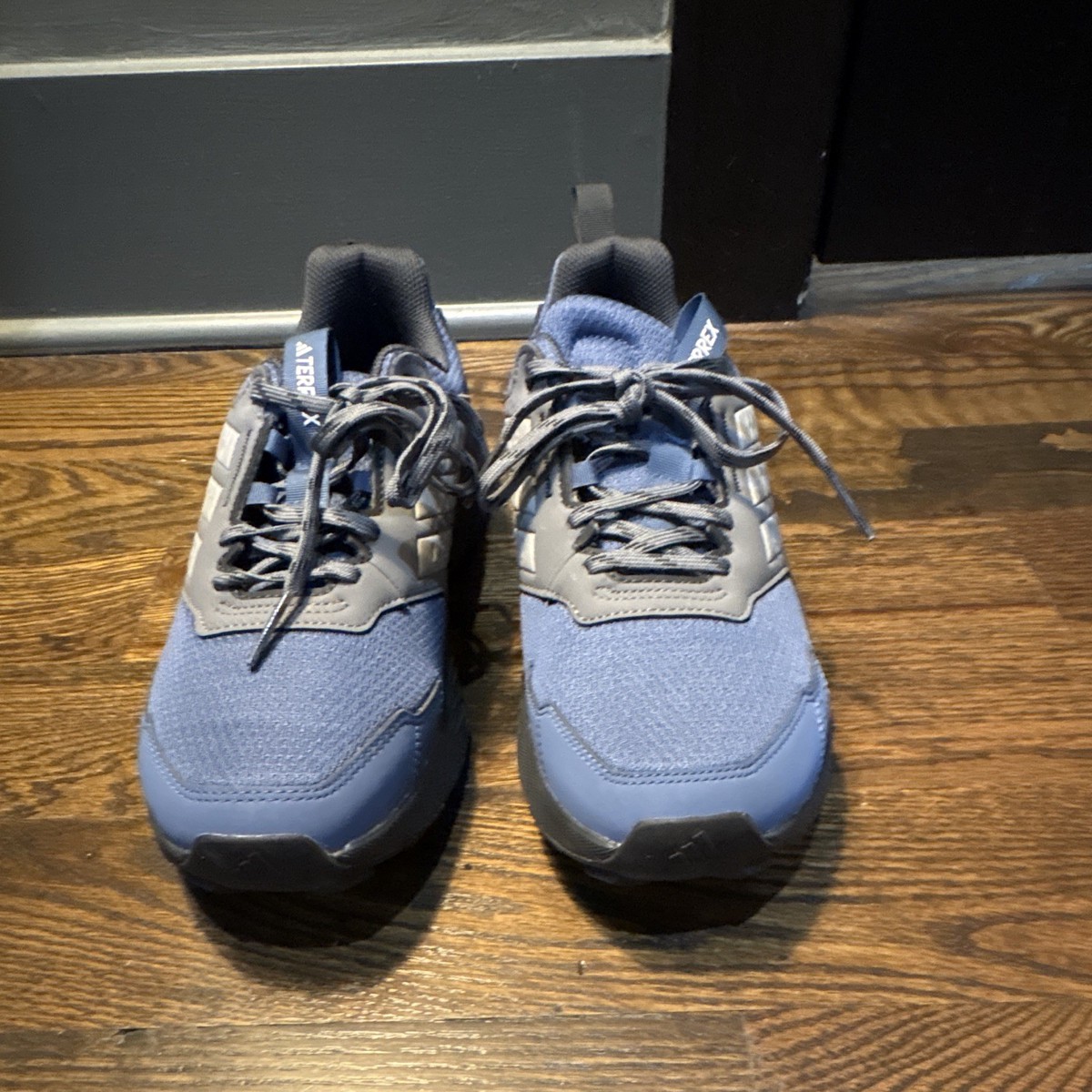

Photos from current listings. Actual item, color, and included accessories may vary.
Adidas Tracefinder Trail Buying Guide
The Adidas Tracefinder Trail is an entry-level trail running shoe built for light-duty off-road use, prioritizing affordability over technical performance. The core trade-off is between a basic EVA foam midsole with a low-profile outsole and the grippier, more protective builds found in Adidas Terrex trail models. Choose the Tracefinder only for casual dirt paths and gym-to-trail transitions; step up to a dedicated trail shoe for rocky, wet, or technical terrain.


At a glance
- Brand
- Not synced yet
- Model
- Not synced yet
- MPN
- Not synced yet
- Category
- Trail Running Shoes
- Status
- Offers available
- Data updated
- Nov 16, 2026
Current offers
Highlights
- Lightweight EVA foam midsole provides basic cushioning but lacks the energy return and durability of Adidas Boost or Lightstrike foams found in premium trail models.
- Outsole uses a low-profile lug pattern (typically 3-4mm) suited to packed dirt and gravel, not deep mud or loose scree where 5mm+ lugs are needed.
- Upper is a breathable mesh with synthetic overlays, offering less abrasion resistance than the welded TPU or ripstop uppers on Terrex Agravic and Speed Ultra models.
- Tracefinder 2 updates include a slightly reinforced toe cap and revised outsole rubber compound versus the original Tracefinder Trail.
Best use cases
- Best fit: Park paths, canal towpaths, and light gravel trails where cushioning and breathability matter more than aggressive traction.
- Best fit: Gym-to-trail commuters who want one shoe for treadmill warm-ups and easy dirt loops without swapping footwear.
- Wrong fit: Rocky, root-covered, or wet technical trails — the shallow lugs and soft outsole rubber lack grip and underfoot protection.
- Skip if: You run more than 15-20 miles per week on trails or need a rock plate; the Tracefinder lacks a protective shank and its EVA midsole packs out faster.
Buying tips
- Size up half a size from your road running shoe: the Tracefinder's mesh upper runs snug in the toe box, and trail feet swell on descents.
- Confirm the model year: Tracefinder 2 has a reinforced toe bumper and updated outsole rubber; the original Tracefinder Trail is softer and less durable.
- Match lug depth to terrain: 3-4mm lugs (Tracefinder) for hardpack and gravel; 5mm+ lugs for mud and loose dirt — do not expect the Tracefinder to grip in wet clay.
- Check the drop: the Tracefinder uses a 8-10mm heel-to-toe drop, which suits heel strikers but feels unstable for forefoot runners accustomed to 4-6mm trail drops.
Specs
| Midsole Foam | EVA vs Boost/Lightstrike |
|---|---|
| Outsole Lug Depth | 3-4mm vs 5mm+ technical |
| Heel-Toe Drop | 8-10mm vs 4-6mm trail |
| Upper Material | Mesh + synthetic vs ripstop/TPU |
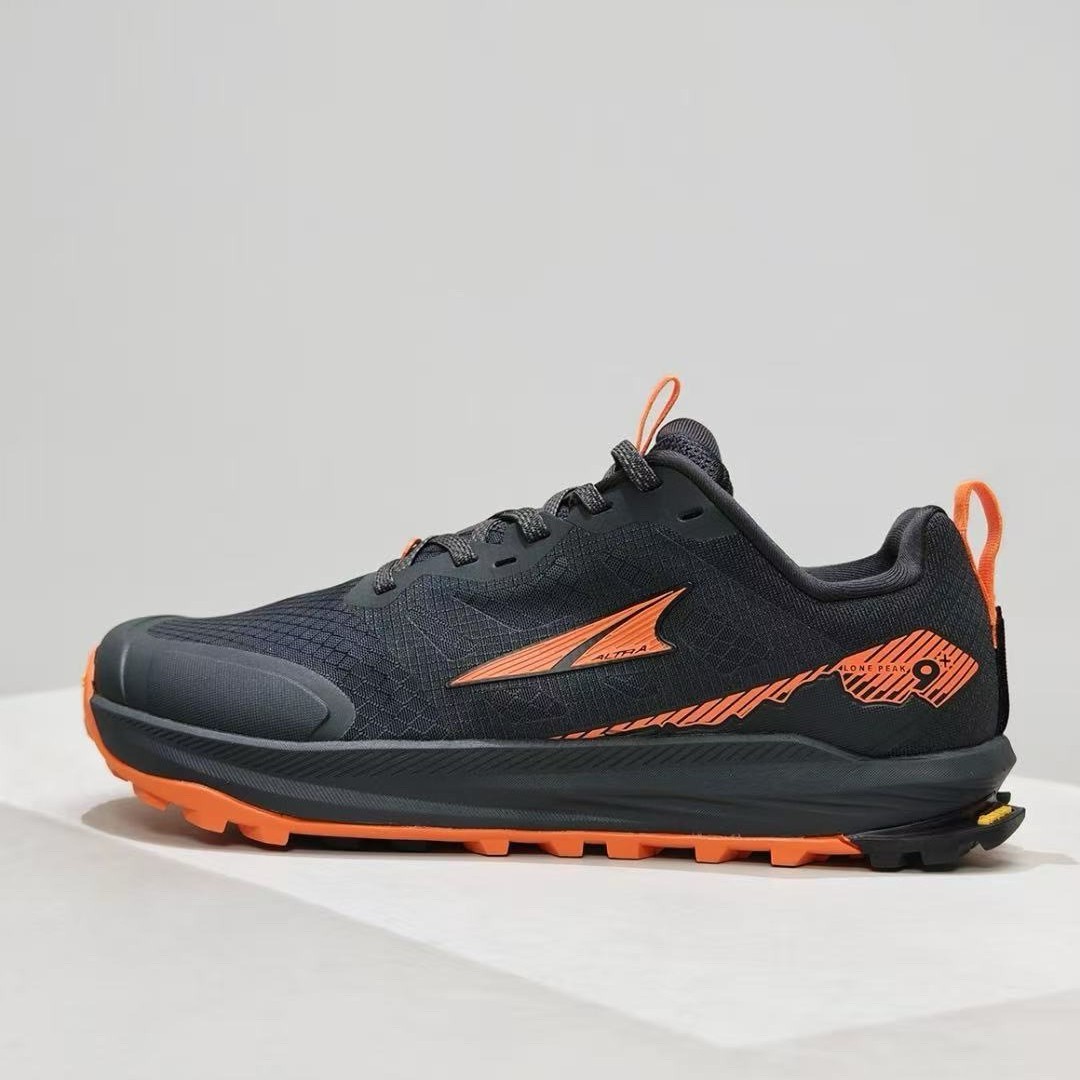
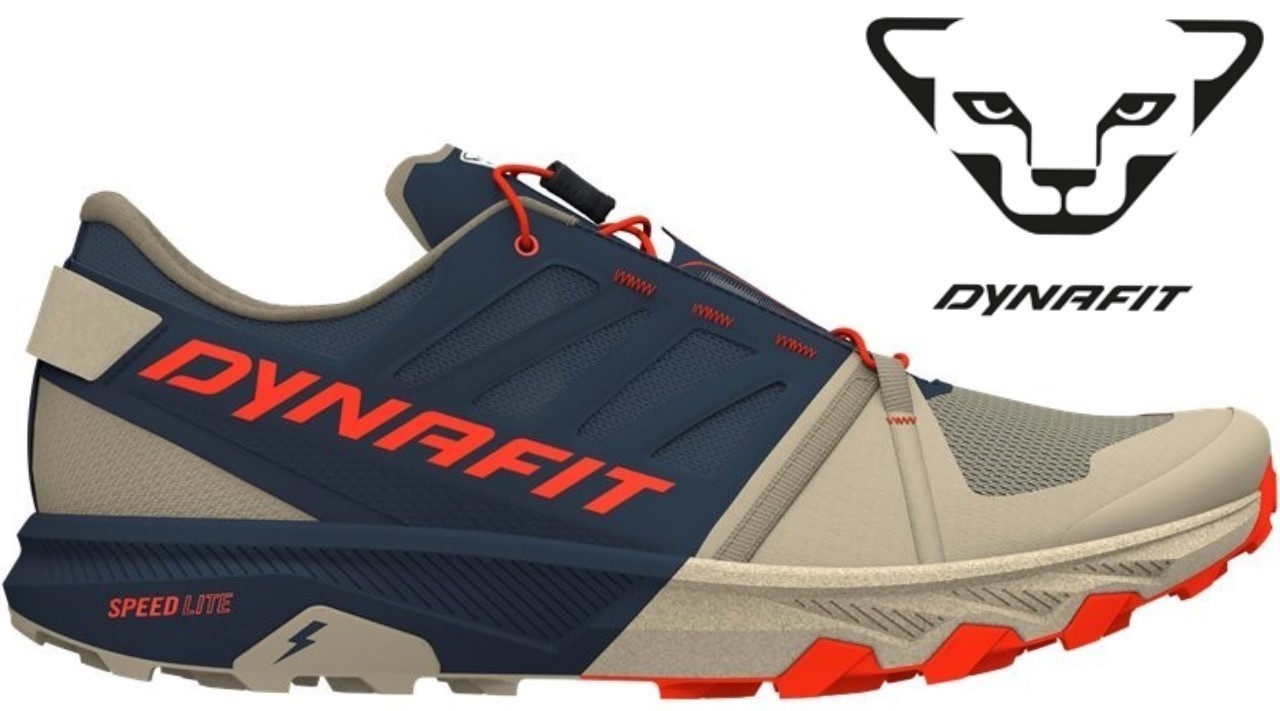
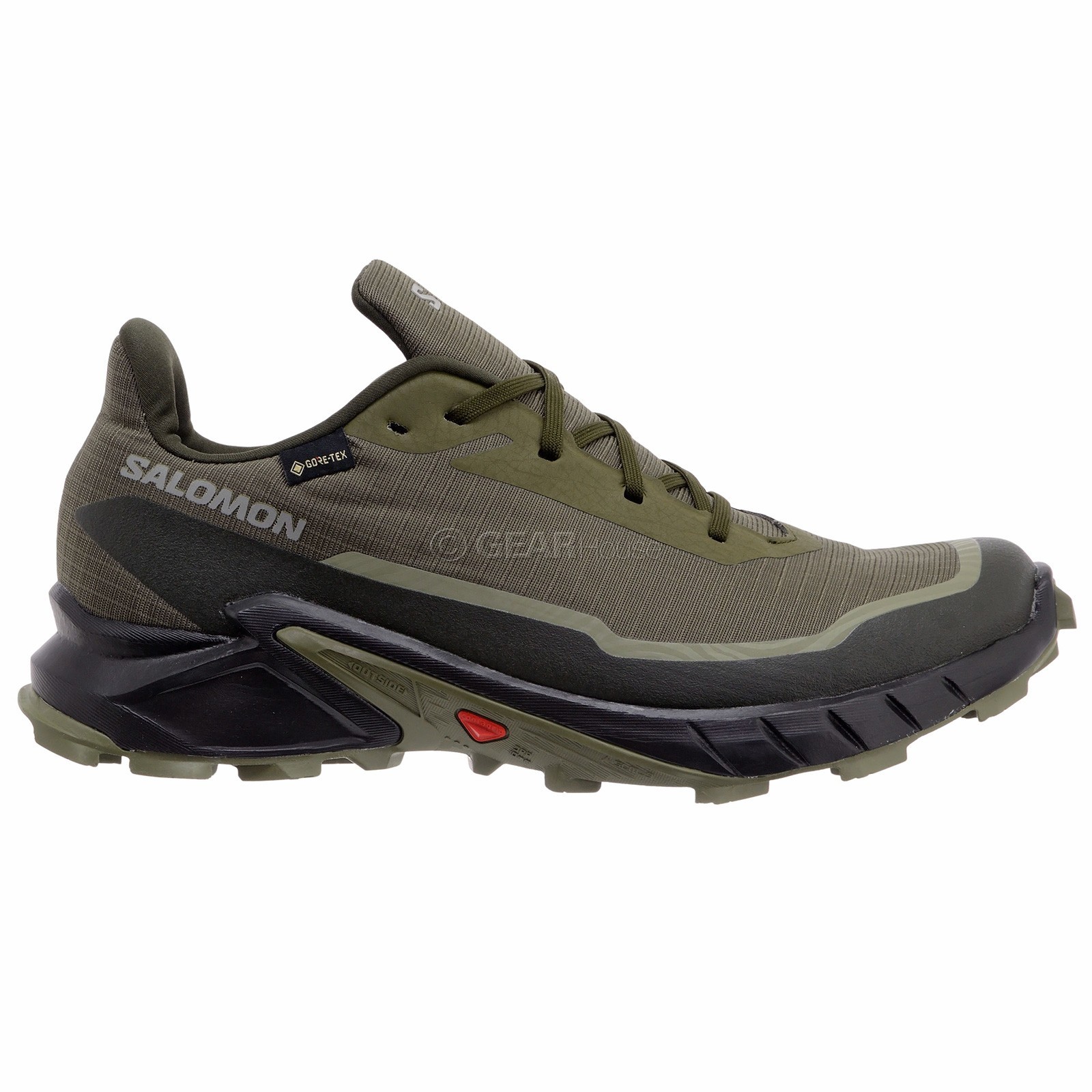
Alternatives to compare
Related searches
What to check before buying
- Measure your foot length and add 0.5cm for toe splay; the Tracefinder's narrow toe box can pinch if you order your exact road size.
- Confirm your local trails are hardpack, gravel, or light dirt — the low-profile outsole is unsafe on wet rock and steep mud.
- Verify you do not need a rock plate: the Tracefinder has no protective shank, so sharp stones will be felt on rugged terrain.
- Check the return window for fit: mesh uppers crease and dirt voids returns, so try them indoors before your first trail run.
FAQ
Data sources: eBay / Amazon listings and product attribute feeds Data updated Nov 16, 2026.
Some links on this page are affiliate links. If you buy after clicking one, we may earn a commission at no extra cost to you. This does not change which products appear here or their order. Affiliate disclosure.