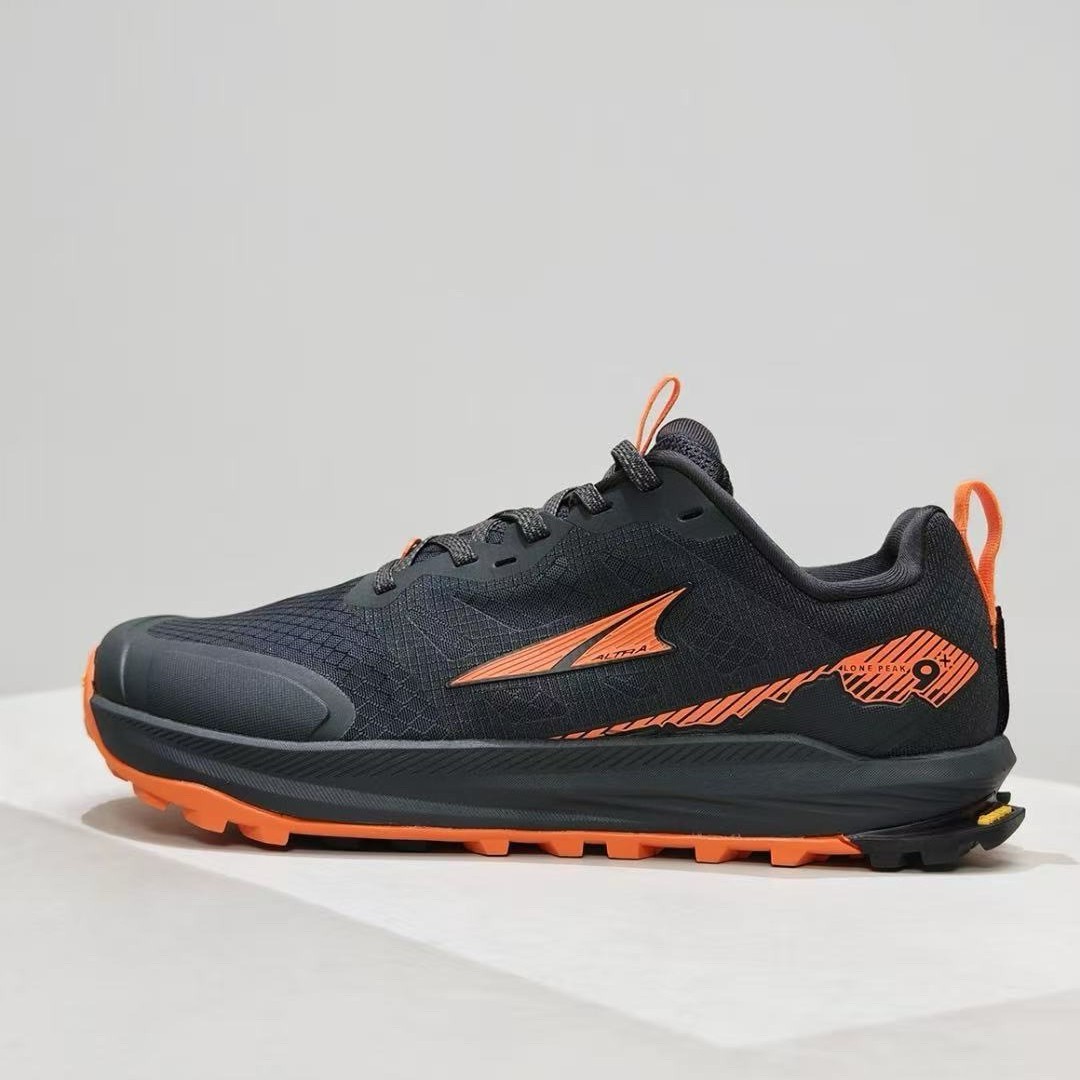

Photos from current listings. Actual item, color, and included accessories may vary.
Altra Lone Peak Shoe Buying Guide
The Altra Lone Peak is a zero-drop, foot-shaped trail shoe built for hikers and runners who want toe splay and ground feel, not maximal cushioning. The core trade-off is between the original Lone Peak's flexible, low-stack ride and later versions that add rock plates or more foam, which dull trail feel. Choose a version with a removable insole and a wide toe box if natural foot mechanics matter; skip it if you need aggressive underfoot protection or firm arch support.


At a glance
- Category
- Trail Running Shoes
- Data updated
- Nov 17, 2026
Current offers
Highlights
- Zero-drop platform (0 mm heel-to-toe) with a FootShape toe box that is wider at the metatarsals than standard running lasts.
- Stack heights vary by generation: early Lone Peaks sit near 23-25 mm, while newer versions push toward 28-30 mm with optional rock plates.
- Outsole uses a lugged rubber compound (typically 4-5 mm deep) tuned for loose dirt and gravel, not sticky wet rock.
- Upper is a breathable mesh with minimal overlays; durability depends on abrasion-resistant toe caps and reinforced heel counters.
Best use cases
- Best fit: hikers and runners with wide feet or bunions who want a zero-drop, flexible ride on buffed singletrack and fire roads—pick the lowest-stack version you can tolerate.
- Best fit: thru-hikers doing long miles on non-technical terrain who want a roomy toe box and quick-dry mesh—choose a version with a removable insole for custom arch support.
- Wrong fit: runners on sharp rock or wet roots who need a stiff rock plate and sticky rubber—skip the Lone Peak and look for a shoe with a full-length plate and 5 mm+ lugs.
- Wrong fit: runners transitioning from high-drop shoes who need a gradual step-down—start with a 4-6 mm drop trainer before going zero-drop to avoid calf strain.
Buying tips
- Size up a half size from your street shoe: the FootShape toe box runs wide but short, and a thumb's width at the toe prevents toe bang on descents.
- Match stack height to terrain: 23-25 mm for ground feel on smooth trails, 28-30 mm for rocky or long-distance comfort—avoid max-cushion versions if you want proprioception.
- Confirm the insole is removable if you use orthotics; glued-in insoles on some trims limit arch support customization.
- Check lug depth and rubber hardness: 4-5 mm lugs suit dry dirt and gravel; softer rubber grips wet rock better but wears faster on pavement.
Specs
| Drop | 0 mm (zero-drop) |
|---|---|
| Stack Height | 23-30 mm by generation |
| Toe Box | FootShape wide / removable insole |
| Outsole Lugs | 4-5 mm, dry-trail rubber |
Related searches
What to check before buying
- Measure your foot length and width at the end of the day; add 8-10 mm to the length for toe splay and descent room.
- Weigh your expected load: over 25 lb pack weight calls for a firmer midsole or a shoe with a rock plate, not the softest Lone Peak.
- Verify your shoe size against the brand's men's/unisex chart—women's-specific widths are limited, so many women size down in men's/unisex models.
- Check the return window before wearing outdoors; trail shoes must be tried on indoors first to confirm heel lock and toe box clearance.
FAQ
Data sources: eBay / Amazon listings and product attribute feeds Data updated Nov 17, 2026.
Some links on this page are affiliate links. If you buy after clicking one, we may earn a commission at no extra cost to you. This does not change which products appear here or their order. Affiliate disclosure.