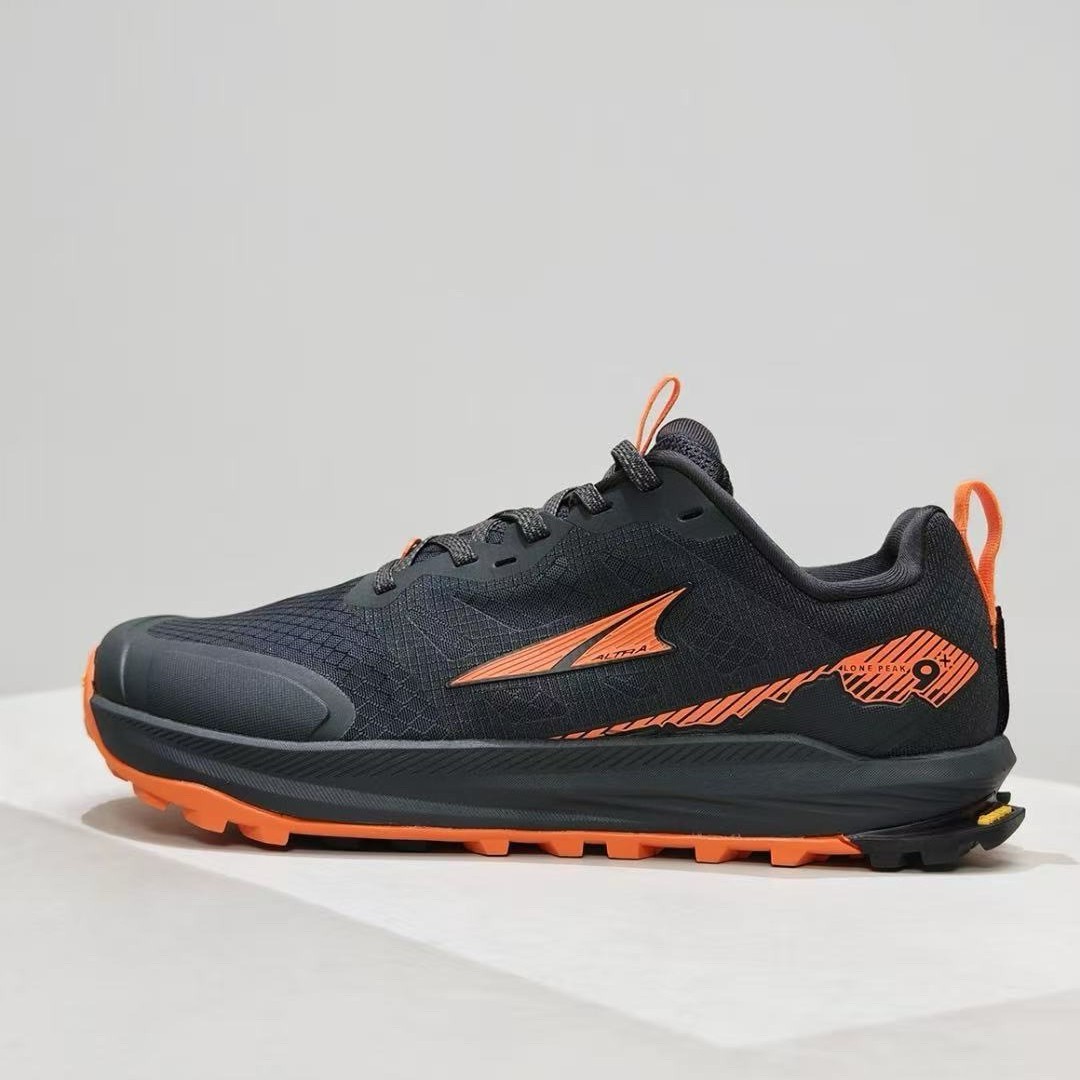

Photos from current listings. Actual item, color, and included accessories may vary.
Altra Lone Peak Waterproof Buying Guide
The Altra Lone Peak Waterproof is a specific configuration of Altra's flagship trail-running shoe: a zero-drop, foot-shaped platform built for technical terrain, with a waterproof membrane added for wet or cold conditions. The core trade-off is that the membrane blocks water and wind but cuts breathability and adds weight, so it suits wet-weather runs and hikes but is overkill for dry, hot trails. The decision rule: choose the waterproof version only if you regularly run in rain, mud, or snow; otherwise the standard (non-waterproof) Lone Peak is lighter, cooler, and drains faster.


At a glance
- Category
- Trail Running Shoes
- Data updated
- Nov 17, 2026
Current offers
Highlights
- Waterproof models use a seam-sealed membrane (often Altra's own or a branded insert) that blocks liquid water but reduces airflow and retains sweat; non-waterproof Lone Peaks use open mesh that drains and dries fast.
- All Lone Peaks are zero-drop (0 mm heel-to-toe) with a wide, foot-shaped toe box; this promotes a natural stride but requires a gradual transition for runners used to elevated heels.
- The outsole uses MaxTrac rubber with a lug pattern tuned for loose dirt and rock; waterproof versions typically carry the same traction but a stiffer upper and higher weight.
- Generations differ by upper and cushioning: later Lone Peak versions (e.g., 7, 8, 9) refine the mesh, midsole foam, and fit, so the waterproof variant of each generation inherits those platform changes.
Best use cases
- Best fit: wet, cold, or muddy trail runs and fast hikes where keeping feet dry matters more than breathability — pick the waterproof Lone Peak in your normal Altra size.
- Wrong fit: hot, dry, or high-intensity summer trail runs — choose the standard non-waterproof Lone Peak for better ventilation and faster drainage.
- Best fit: runners already adapted to zero-drop, wide-toe-box shoes who want a waterproof companion for winter or rainy-season training.
- Wrong fit: runners new to zero-drop or needing a rock plate for sharp, technical terrain — consider a shoe with a stiffer midsole or rock protection first.
Buying tips
- Sizing: Altra fits true to length but wide in the toe box; if you wear thick waterproof socks, consider a half size up, but most runners stick to their normal Altra size.
- Membrane type matters: a seam-sealed internal bootie is more waterproof but less breathable; a coated upper is lighter but less protective — match to your wetness level.
- Generation: buy the current Lone Peak generation's waterproof version for the latest upper and midsole refinements; older generations may have different fit and durability.
- Weight penalty: waterproof versions typically add several ounces per shoe vs the standard model; if you race or run long, weigh that against weather protection.
Specs
| Drop | 0 mm (zero-drop) |
|---|---|
| Waterproofing | Seam-sealed membrane vs mesh |
| Toe Box | Wide, foot-shaped |
| Outsole | MaxTrac rubber, trail lugs |
Related searches
What to check before buying
- Confirm you have adapted to zero-drop running (or plan a gradual break-in) before using a waterproof Lone Peak on long trails.
- Measure your foot length and width; Altra's foot-shaped toe box runs wide, so try before buying if you have narrow feet.
- Check your trail conditions: waterproof helps in wet/mud/snow but overheats in hot, dry climates — choose the standard model there.
- Ensure you have compatible socks and gaiters if needed; waterproof shoes pair best with moisture-wicking socks and may require gaiter attachments.
FAQ
Data sources: eBay / Amazon listings and product attribute feeds Data updated Nov 17, 2026.
Some links on this page are affiliate links. If you buy after clicking one, we may earn a commission at no extra cost to you. This does not change which products appear here or their order. Affiliate disclosure.