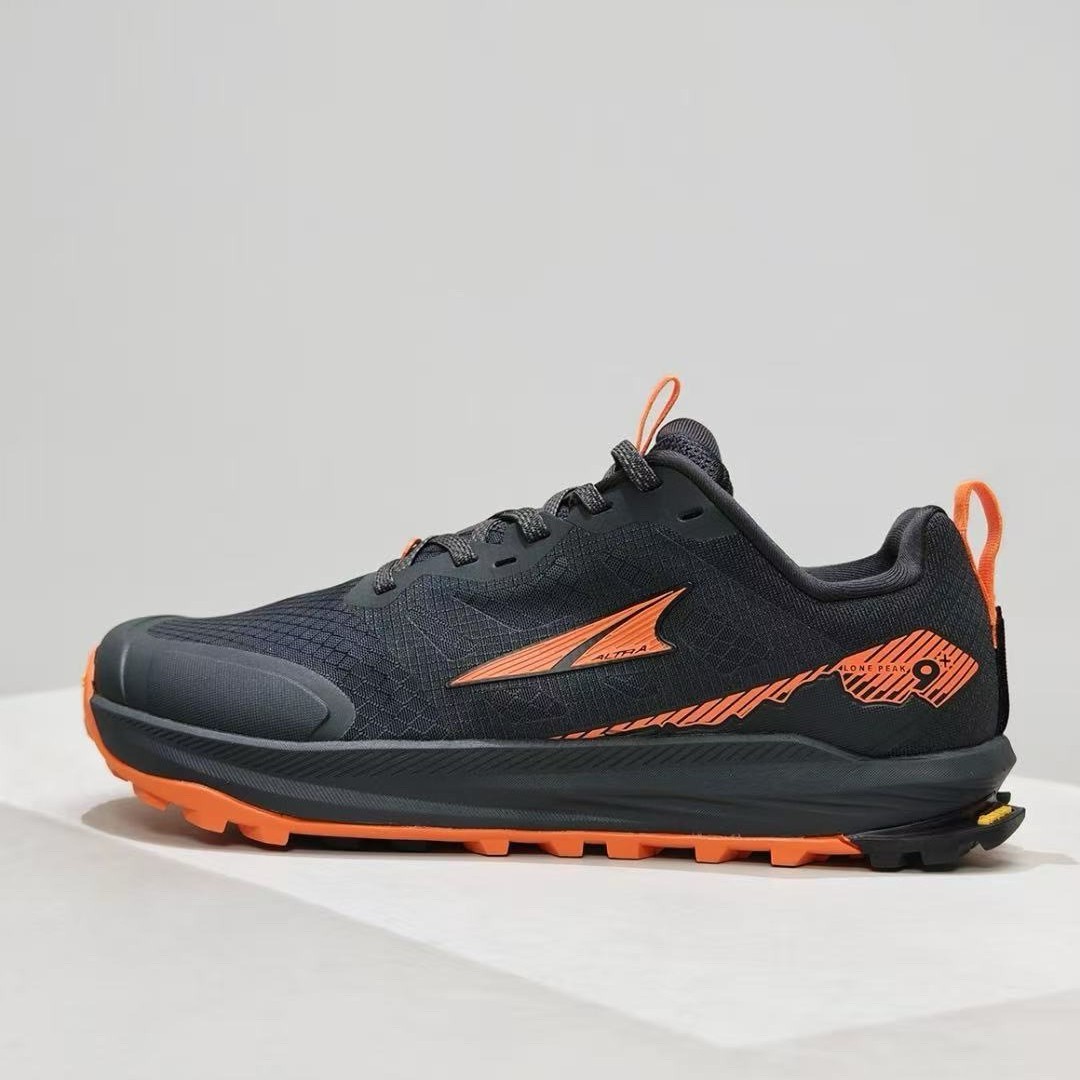

Photos from current listings. Actual item, color, and included accessories may vary.
Altra Trail Running Shoe Buying Guide
Altra trail running shoes are defined by their zero-drop, foot-shaped platform: a level heel-to-toe stack height paired with a wide toe box that lets toes splay naturally. The core trade-off is between the low-drop, high-cushion Lone Peak line and the more technical, rock-plated Olympus or Timp models, and between the standard fit and the roomier 'Wide' last. Buy the Lone Peak for mixed-terrain comfort, the Olympus for maximum cushion and protection, and the Timp for a snugger, faster ride; skip Altra entirely if you need a structured, high-drop shoe for severe overpronation.


At a glance
- Category
- Trail Running Shoes
- Data updated
- Nov 17, 2026
Current offers
Highlights
- Zero-drop platform: heel and forefoot sit at the same stack height, which shifts load to the calf and Achilles and requires a gradual transition.
- FootShape toe box: a wide, anatomically shaped forefoot that reduces toe crowding but can feel loose on narrow feet.
- Lone Peak vs Olympus: the Lone Peak uses a 25-28 mm stack with a softer ride; the Olympus adds a rock plate and up to 33 mm for maximum underfoot protection.
- Outsole compound tiers: standard MaxTrac rubber for dry mixed terrain, versus stickier, softer compounds on models tuned for wet rock.
Best use cases
- Best fit: mixed dirt, gravel, and root trails at moderate pace goes to the Lone Peak in standard width for balanced cushion and ground feel.
- Best fit: long-distance and rocky, technical descents suit the Olympus with its rock plate and max cushion, at the cost of a heavier, taller ride.
- Wrong fit: severe overpronators needing a firm medial post should skip Altra's neutral, level platform and choose a structured high-drop trainer.
- Wrong fit: runners who want a snug race-day fit should size down or choose the Timp rather than the wide Lone Peak last.
Buying tips
- Match stack to terrain: 25-28 mm for mixed trails, 30-33 mm for rock and long distance; anything taller reduces ground feel for technical work.
- Allow 0.5 size up from your street shoe in the FootShape last, and use the removable insole to fine-tune volume rather than sizing down.
- Budget 3-6 weeks of walk-then-run transition to zero drop to avoid calf and Achilles overload if you are coming from 8-12 mm drop shoes.
- Choose the Wide (2E) last only if standard width pinches at the forefoot or you wear thick socks; the standard last is already roomier than most brands.
Specs
| Heel-to-Toe Drop | 0 mm (zero drop) |
|---|---|
| Toe Box | FootShape wide / Wide 2E option |
| Stack Height | 25-33 mm by model |
| Outsole Lug Depth | 3-5 mm by terrain |
Related searches
What to check before buying
- Measure your longer foot heel-to-toe and add 0.5 inch of toe clearance to pick the right size in the wide toe box.
- Confirm your current shoe's drop (typically 8-12 mm) and plan a gradual zero-drop transition rather than immediate full mileage.
- Check that removable insoles or orthotics fit without lifting the heel, since the FootShape last has more volume than standard lasts.
- Match outsole lug depth to your terrain: 3-4 mm for hardpack and gravel, 5 mm and deeper for mud and loose dirt.
FAQ
Data sources: eBay / Amazon listings and product attribute feeds Data updated Nov 17, 2026.
Some links on this page are affiliate links. If you buy after clicking one, we may earn a commission at no extra cost to you. This does not change which products appear here or their order. Affiliate disclosure.