Photos from current listings. Actual item, color, and included accessories may vary.
Men Trail Runner Buying Guide
Men's trail running shoes are off-road footwear built around lugged outsoles, rock protection, and secure uppers that must balance grip, cushioning, and drainage. The core trade-off is between a flexible, breathable mesh trail runner for dry singletrack and a stiffer, plated or waterproof shoe for technical, wet, or rocky terrain. Choose by matching outsole lug depth and upper construction to your terrain and climate; skip waterproof membranes if you run hot or cross streams.


At a glance
- Category
- Trail Running Shoes
- Data updated
- Nov 17, 2026
Current offers
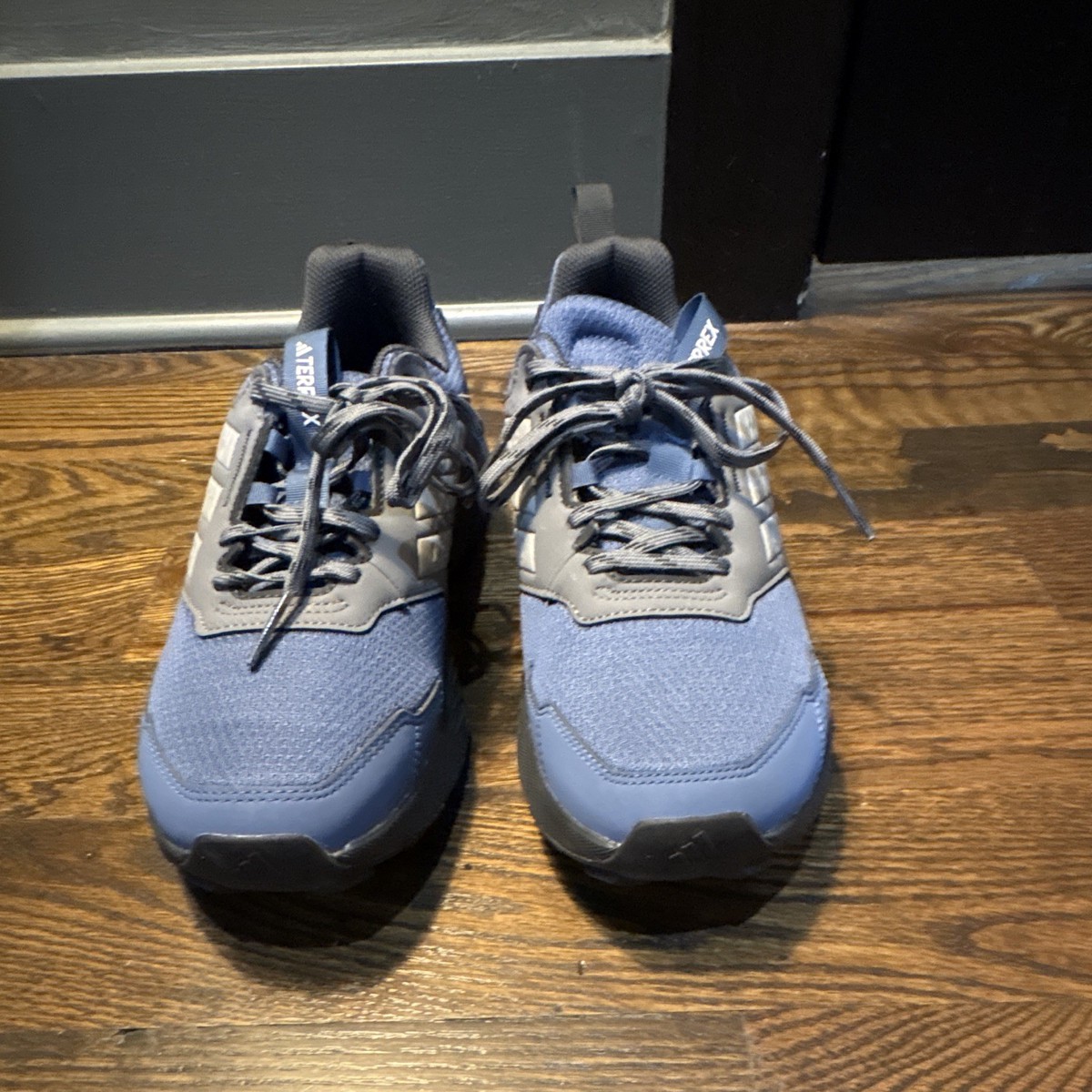 adidas Men's Terrex Tracefinder 2 Trail Running Shoes Blue/Gray$30.00
 View on eBay
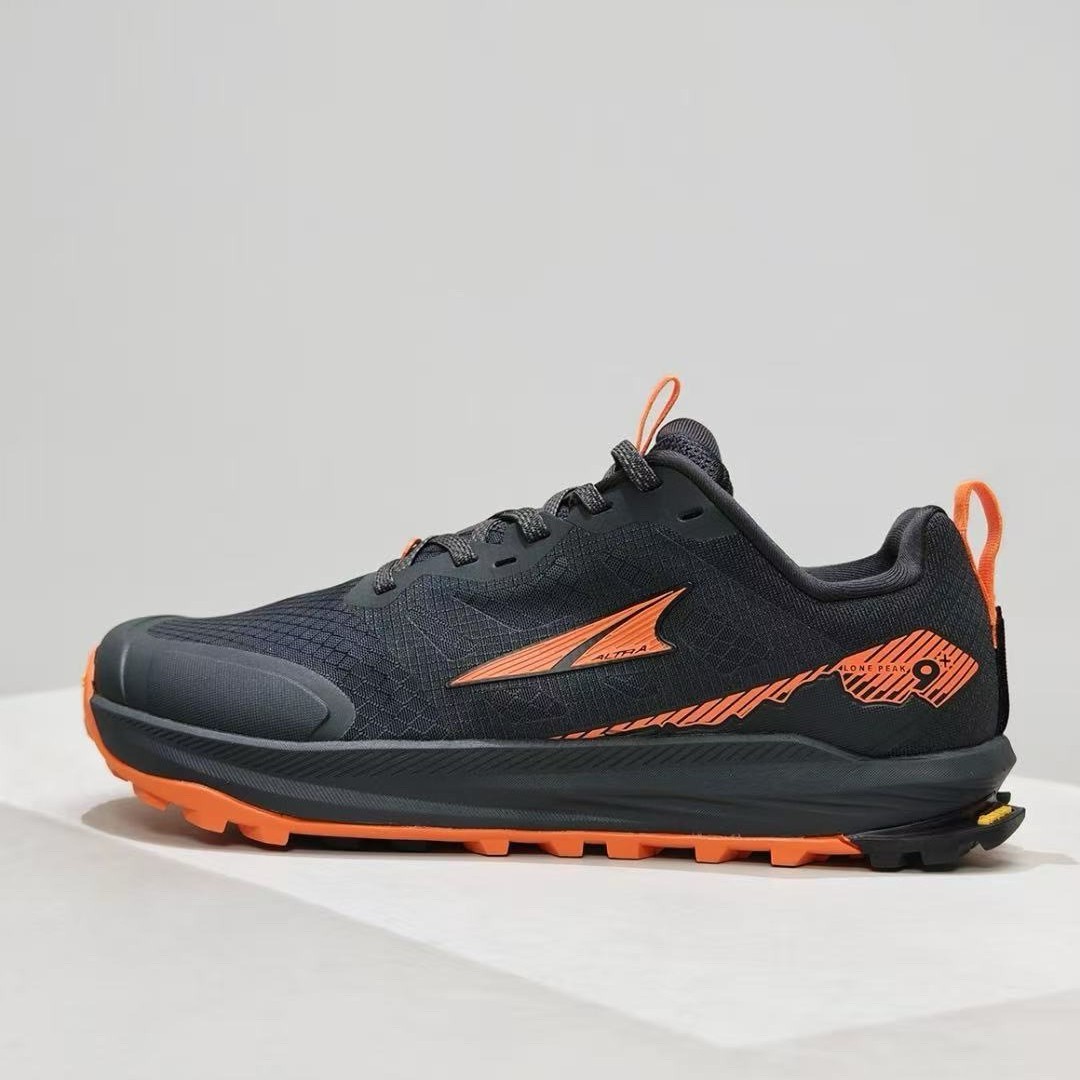 Altra Lone Peak 9+ Trail-Running Shoes - 6 COLORS Sizes Men's Athletic Shoes$91.00View on eBay
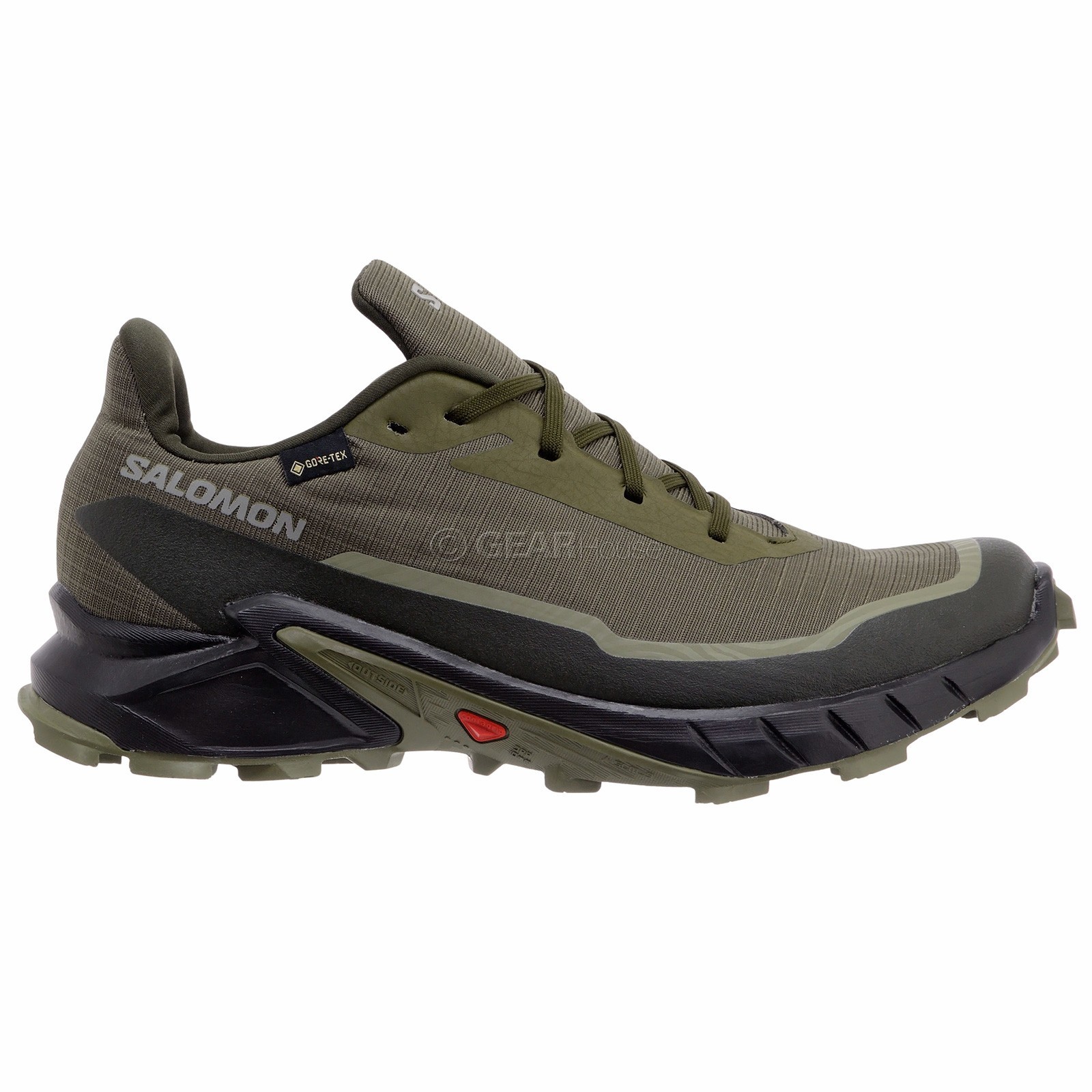 Salomon Alphacross 5 GTX Mens Waterproof Trail Hiking Shoes, Olive, Pick Size$94.80View on eBay
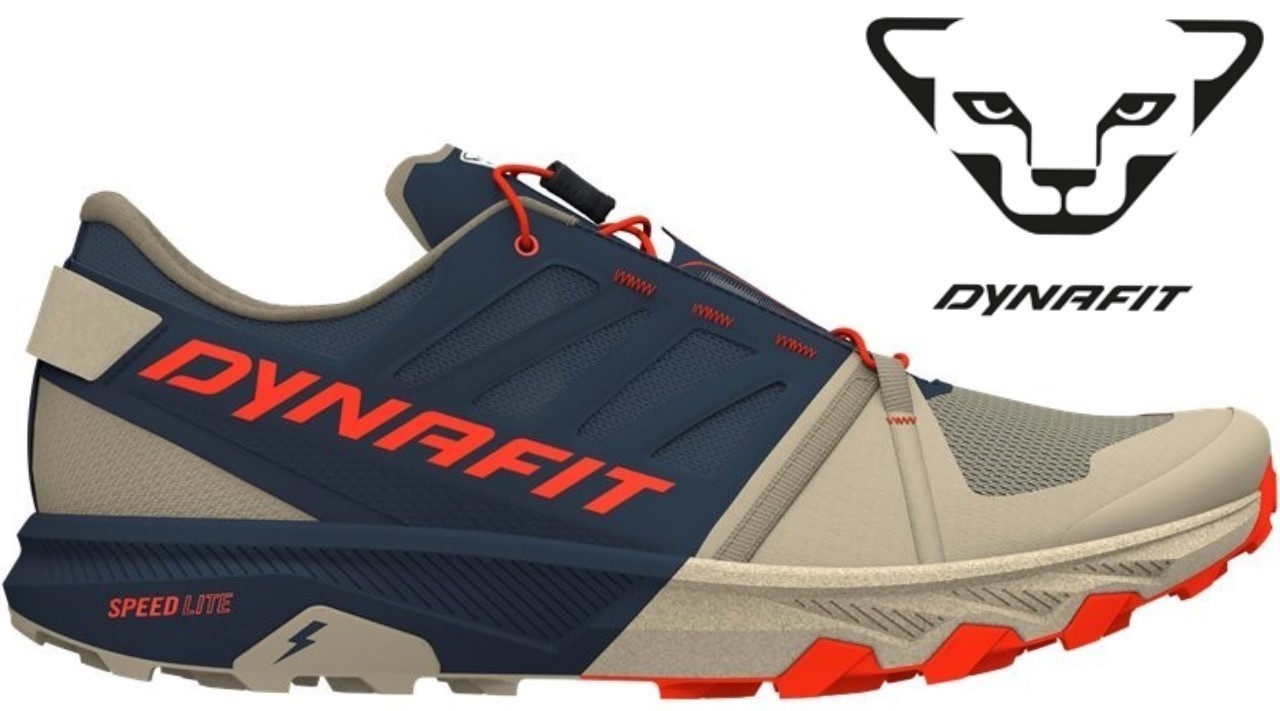 DYNAFIT alpine pro 2 trail run shoes vibram megagrip sole rock plate mens 10.5$151.96View on eBay
Highlights
- Outsole lug depth of 4–5 mm suits hardpack and mixed trails; 6–7 mm lugs are needed for loose dirt, mud, and steep descents.
- Vibram Megagrip rubber compounds deliver higher wet-rock friction than standard blown rubber, making them a decisive upgrade on slick stone.
- Waterproof GTX membranes block rain and puddles but reduce breathability and drain poorly once water enters over the collar.
- Rock plates (full-length or forefoot) protect against sharp stones—essential on technical alpine terrain, optional on smooth flow trails.
Best use cases
- Best fit: Dry, buffed singletrack and gravel—pick a breathable mesh upper with 4 mm lugs and moderate stack height; skip waterproof GTX shoes for hot-weather comfort.
- Best fit: Wet, muddy, or rocky technical trails—choose 6 mm lugs, Vibram Megagrip, and a rock plate; skip lightweight racing flats that lack underfoot protection.
- Best fit: Door-to-trail runs and daily training—select a versatile 4–5 mm lug shoe with cushioning; skip aggressive mud-specific lugs that feel vague on pavement.
- Wrong fit: Stream crossings and hot climates with waterproof shoes—water ingress over the collar negates the membrane and drains slowly; pick quick-dry mesh instead.
Buying tips
- Size up a half size from your road shoe: trail feet swell and descend forward; ensure at least a thumb's width at the toe for downhill running.
- Match lug depth to terrain: 4 mm for hardpack, 5 mm for mixed, 6–7 mm for mud and loose dirt—deeper lugs compromise pavement feel.
- Check heel-to-toe drop: 4–6 mm suits most trail runners; 0–4 mm promotes a midfoot strike but demands calf adaptation; 8 mm+ eases Achilles load.
- Prioritize Vibram Megagrip or equivalent sticky rubber on wet rock; standard carbon rubber is durable but slips on slick stone.
Specs
| Outsole Lug Depth | 4–5 mm mixed / 6–7 mm mud |
|---|---|
| Outsole Compound | Vibram Megagrip vs standard rubber |
| Upper Construction | Breathable mesh vs GTX waterproof |
| Protection | Rock plate vs none / forefoot only |
Related searches
What to check before buying
- Measure your foot length and width at the end of the day; add 8–10 mm toe allowance for downhill running and swelling.
- Confirm terrain: rocky and technical demands a rock plate; smooth flow trails favor flexibility and lower weight.
- Assess climate: hot and dry favors breathable mesh; cold and wet justifies a GTX membrane despite slower drainage.
- Check compatibility with your run: gaiters attach via front and rear tabs or velcro; confirm loops if you need debris protection.
FAQ
Data sources: eBay / Amazon listings and product attribute feeds Data updated Nov 17, 2026.
Some links on this page are affiliate links. If you buy after clicking one, we may earn a commission at no extra cost to you. This does not change which products appear here or their order. Affiliate disclosure.