Photos from current listings. Actual item, color, and included accessories may vary.
Men Trail Shoe Buying Guide
Men's trail running shoes are purpose-built off-road footwear defined by outsole lug depth, rock protection, and upper weather resistance. The core trade-off is between aggressive grip/traction and underfoot cushioning/flexibility, which dictates terrain suitability. Buy aggressively lugged shoes for technical trails and mild-lug, flexible models for groomed paths and road-to-trail transitions.


At a glance
- Category
- Trail Running Shoes
- Data updated
- Nov 17, 2026
Current offers
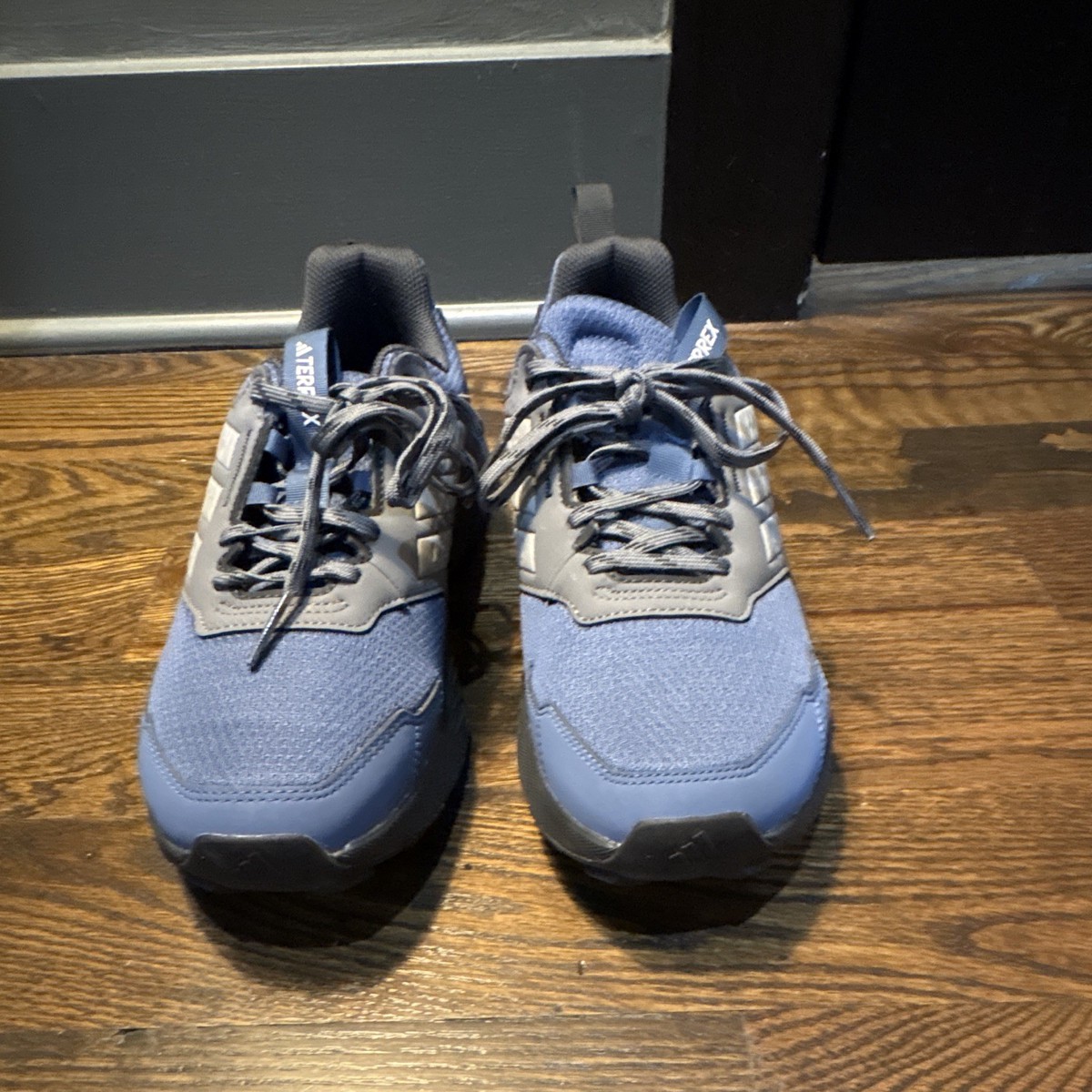 adidas Men's Terrex Tracefinder 2 Trail Running Shoes Blue/Gray$30.00
 View on eBay
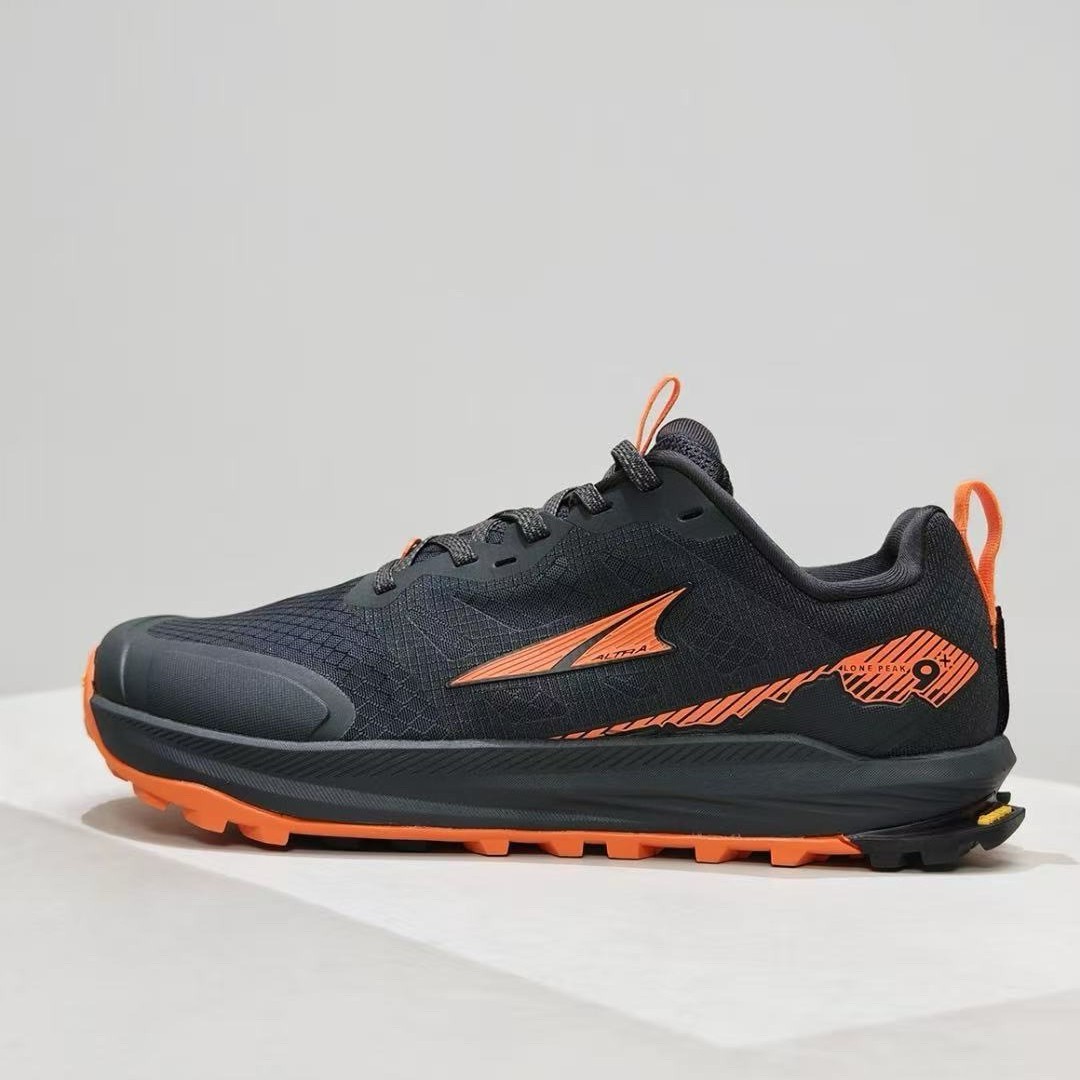 Altra Lone Peak 9+ Trail-Running Shoes - 6 COLORS Sizes Men's Athletic Shoes$91.00View on eBay
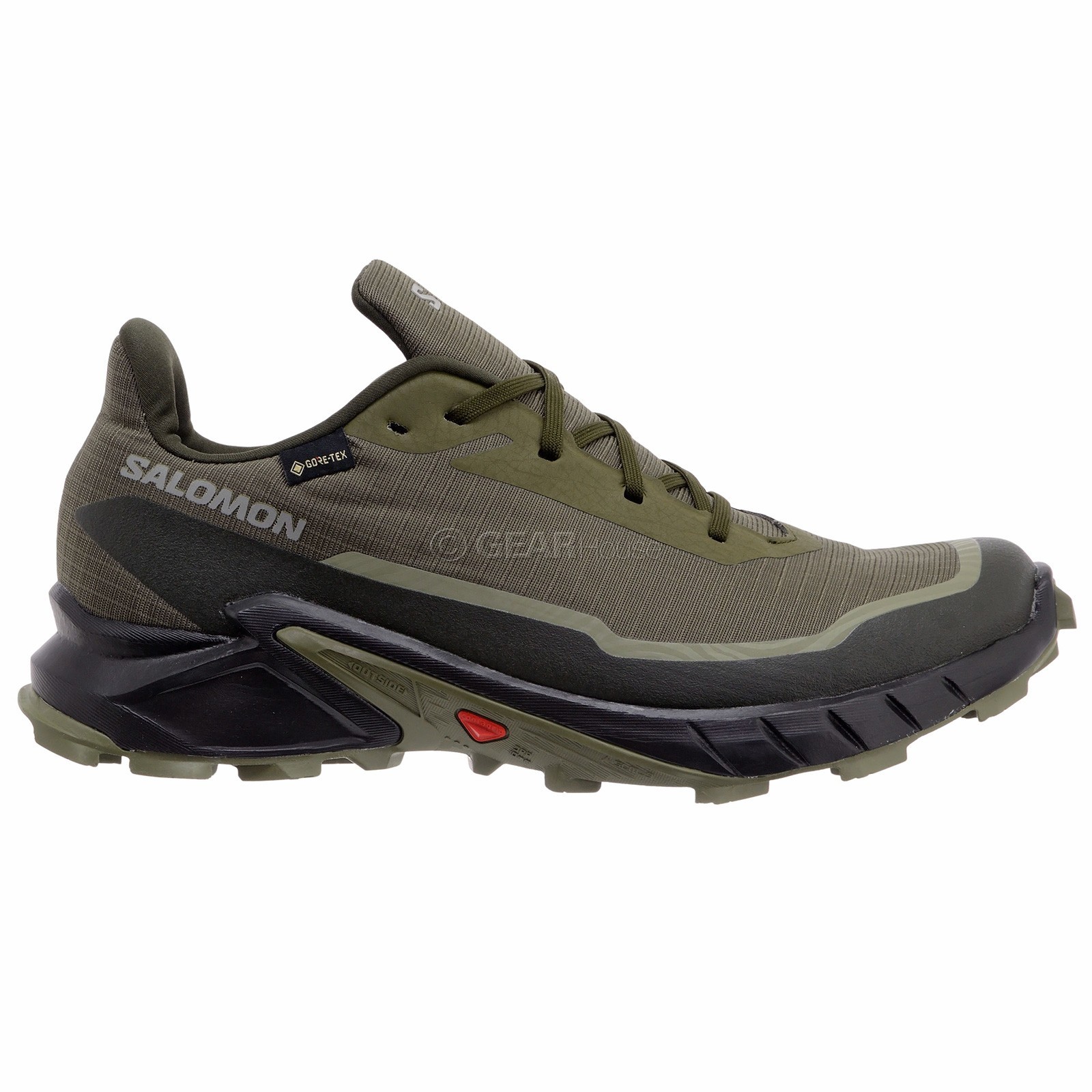 Salomon Alphacross 5 GTX Mens Waterproof Trail Hiking Shoes, Olive, Pick Size$94.80View on eBay
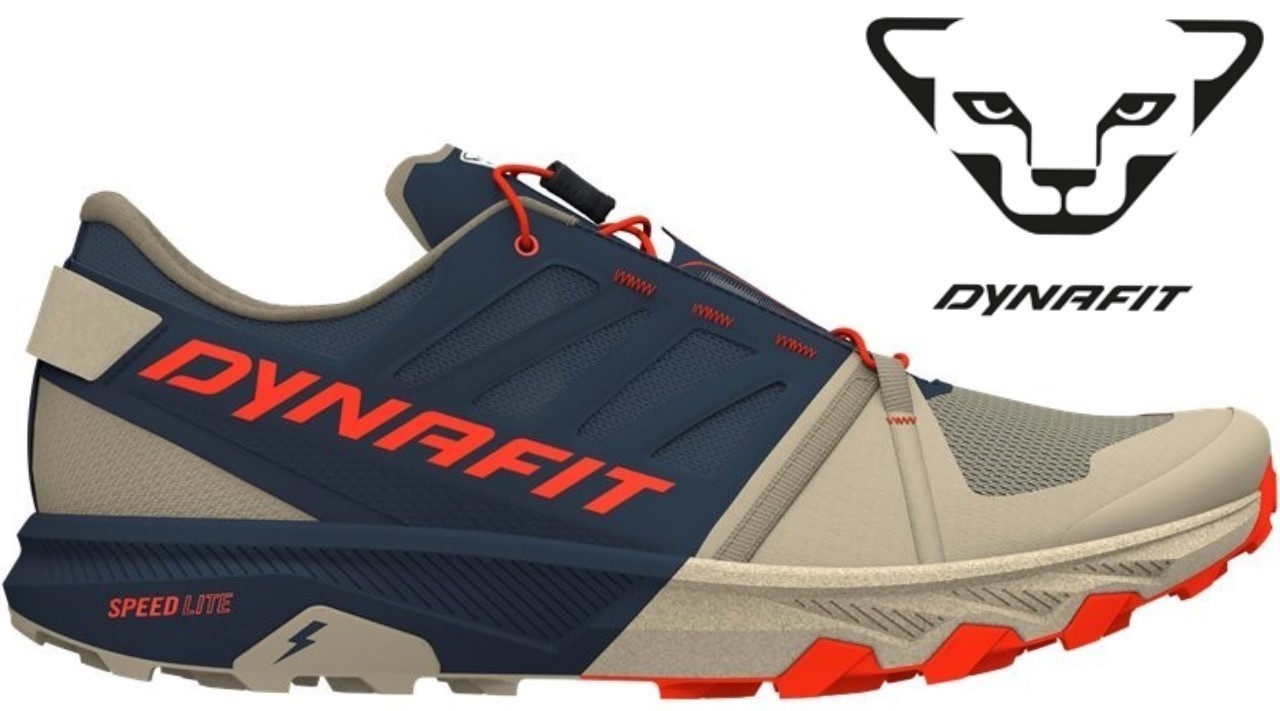 DYNAFIT alpine pro 2 trail run shoes vibram megagrip sole rock plate mens 10.5$151.96View on eBay
Highlights
- Outsole lug depth determines grip: 4-5 mm lugs for technical mud and loose rock, 3-4 mm for hardpack and mixed terrain.
- Rock plates (full-length or forefoot-only) protect against stone bruising but reduce ground feel; TPU or composite plates balance both.
- Waterproof membranes (GORE-TEX, GTX) add weather protection but cut breathability and drain slower than non-membrane mesh uppers.
- Heel-to-toe drop ranges from 0 mm (Altra) to 8-10 mm (Salomon, Dynafit); lower drop promotes midfoot strike, higher drop suits heel strikers.
Best use cases
- Choose aggressive 5 mm lug shoes with a rock plate for rocky, rooty, or muddy technical trails where traction and underfoot protection are priorities.
- Choose 3-4 mm lug, flexible shoes without a rock plate for smooth hardpack, gravel paths, and road-to-trail runs where ground feel and agility matter.
- Choose GORE-TEX or GTX waterproof versions for wet, cold, or muddy conditions; skip them for hot, dry climates where breathability and quick drainage dominate.
- Choose zero-drop shoes (Altra Lone Peak) if transitioning to lower-drop running or seeking a natural stride; avoid if you have tight calves or Achilles issues without gradual adaptation.
Buying tips
- Match lug depth to terrain: 5 mm+ for mud and loose rock, 4 mm for mixed trails, 3 mm or less for groomed paths and pavement transitions.
- Size up half a size from your road shoe to accommodate foot swelling and thicker socks on longer trail runs; check heel lockdown to prevent blisters.
- Prefer Vibram MegaGrip or similar sticky rubber compounds for wet rock and root traction; standard blown rubber is lighter but less grippy.
- For rocky terrain, prioritize a full-length rock plate over cushioning; for soft ground, prioritize lug depth and shedding over plate stiffness.
Specs
| Lug Depth | 3-6 mm (terrain-dependent) |
|---|---|
| Heel-Toe Drop | 0-10 mm (brand-dependent) |
| Rock Plate | Full-length, forefoot, or none |
| Waterproofing | GTX / non-membrane mesh |
Related searches
What to check before buying
- Measure your foot length and width; compare against the brand's specific last (Salomon runs narrow, Altra runs wide with a FootShape toe box).
- Confirm the shoe's drop matches your running style and calf flexibility; do not jump from 10 mm to 0 mm without a transition period.
- Check if the upper is waterproof (GTX) or breathable mesh; waterproof shoes are unsuitable for hot, dry climates due to sweat retention.
- Ensure the outsole lug pattern suits your primary terrain; deep lugs wear fast on pavement, shallow lugs slip on mud.
FAQ
Data sources: eBay / Amazon listings and product attribute feeds Data updated Nov 17, 2026.
Some links on this page are affiliate links. If you buy after clicking one, we may earn a commission at no extra cost to you. This does not change which products appear here or their order. Affiliate disclosure.