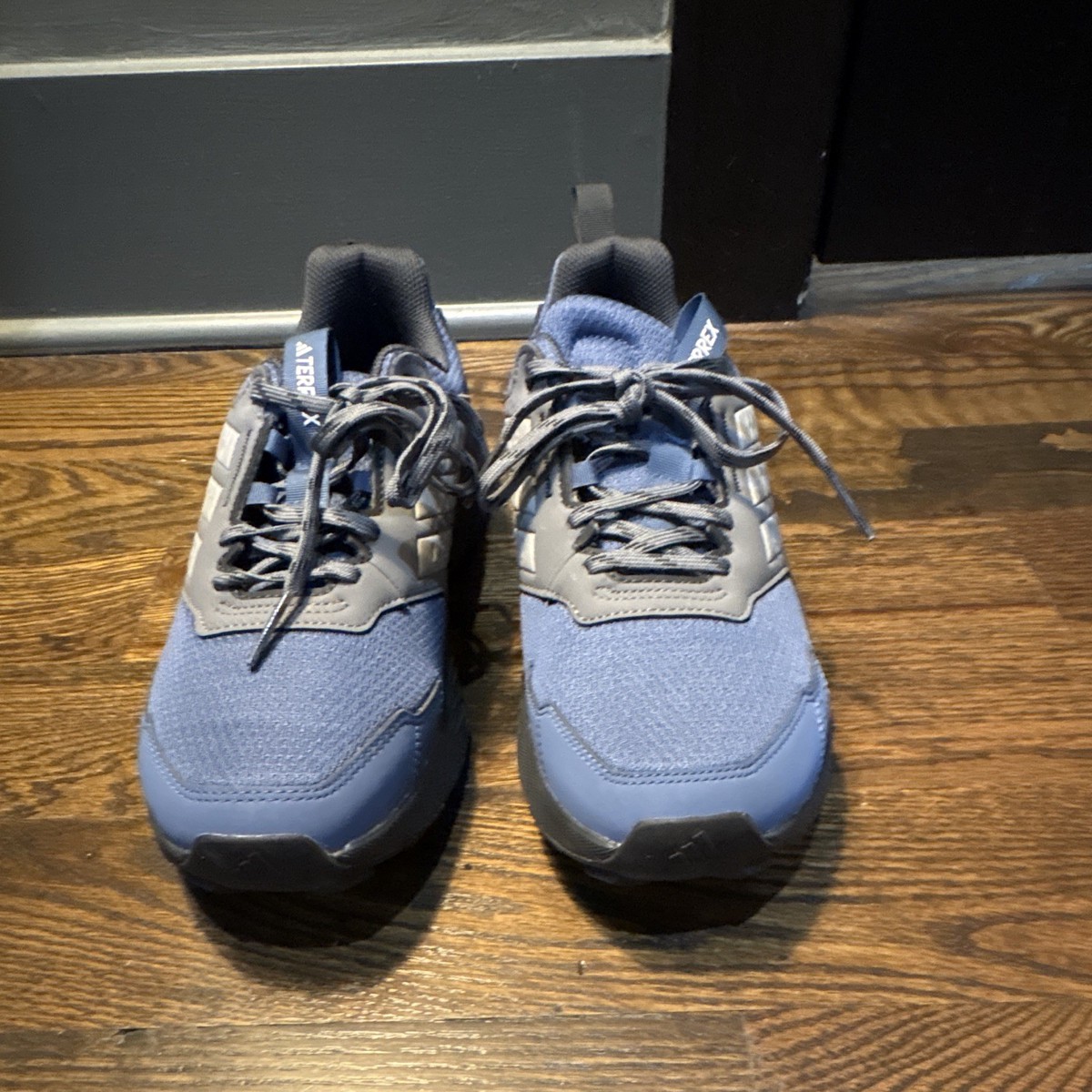

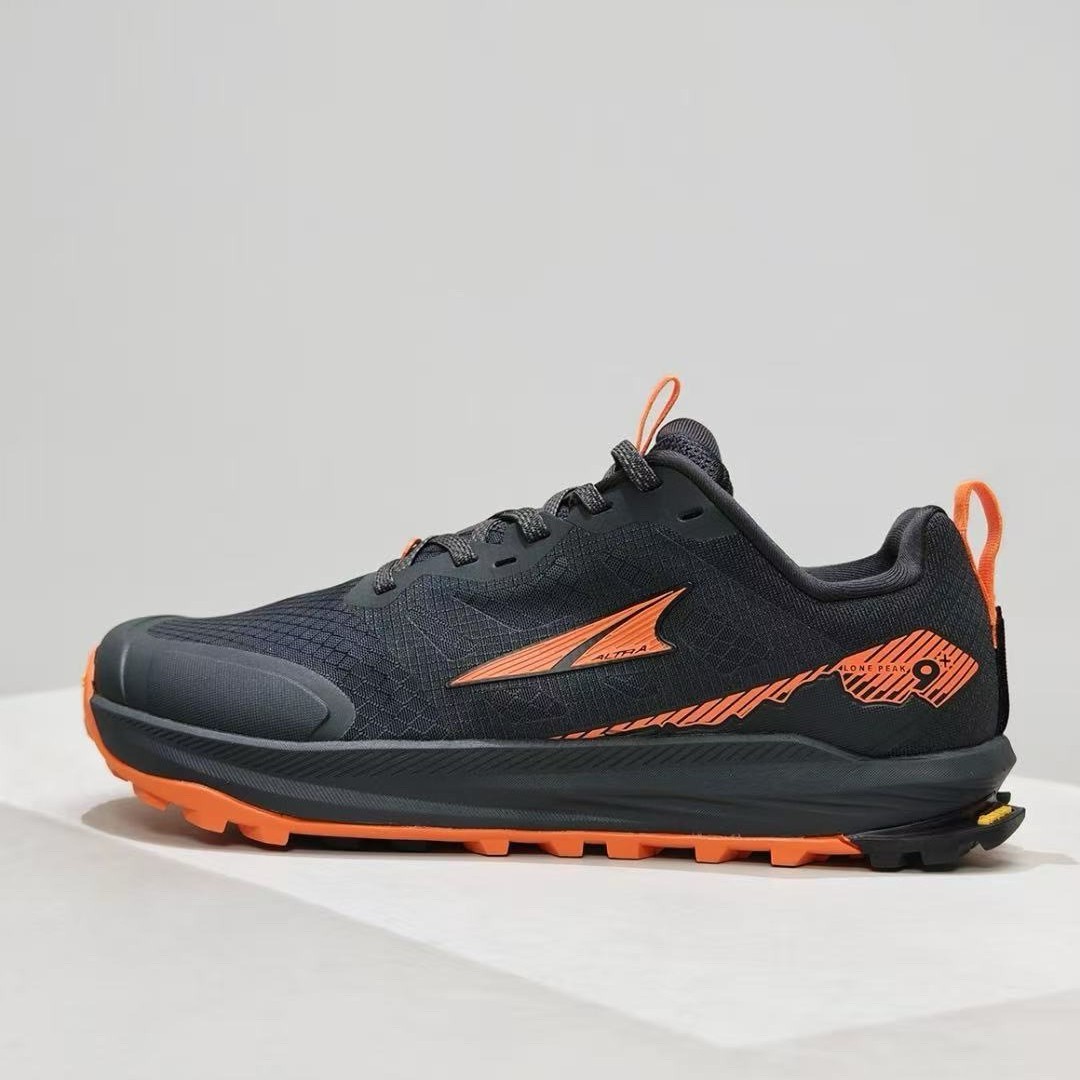
Photos from current listings. Actual item, color, and included accessories may vary.
Men Trail Trainer Buying Guide
Men's trail trainers are off-road running shoes built around lugged outsoles, protective uppers, and stable platforms for dirt, rock, and mud. The core trade-off is grip and protection versus weight and ground feel: deep-lug aggressive shoes excel in wet technical terrain but feel clumsy on hardpack, while low-stack flexible shoes shine on smooth gravel but punish feet on sharp rock. Choose by terrain severity and required underfoot protection, not by brand marketing.


At a glance
- Category
- Trail Running Shoes
- Data updated
- Nov 17, 2026
Current offers
Highlights
- Outsole lug depth separates classes: 3–4 mm lugs suit hardpack and gravel, 5 mm lugs handle mixed dirt and light mud, 6 mm+ lugs are for soft, wet, steep terrain.
- Rock plate presence determines underfoot protection: a full-length plate shields against sharp stones at a weight penalty, while plate-free shoes prioritize ground feel and flexibility.
- Heel-to-toe drop shapes stride: 0–4 mm drop encourages midfoot landing and calf load, 6–8 mm is a moderate all-rounder, 10 mm+ suits heel strikers and long descents.
- Upper construction drives durability: welded TPU overlays and reinforced toe caps resist abrasion better than single-layer mesh, but reduce breathability in hot conditions.
Best use cases
- Best fit: technical rocky or rooty singletrack with a full-length rock plate, 5–6 mm lugs, and a reinforced toe cap for protection at speed.
- Best fit: smooth gravel and packed dirt paths with a 3–4 mm lug pattern, flexible midsole, and breathable mesh upper to reduce fatigue on longer efforts.
- Wrong fit: deep 6 mm+ mud lugs and stiff plates for road-to-trail commuting—they feel harsh and slow on pavement; pick a lower-profile hybrid instead.
- Wrong fit: minimalist zero-drop shoes for steep, wet downhills unless you have adapted calf strength and precise foot placement—choose a moderate drop with stable heel counter.
Buying tips
- Size with a thumb's width (about 1 cm) between longest toe and shoe end for descents; trail shoes should lock the midfoot without cramping toes on steep downhills.
- Match lug depth to your wettest regular terrain: 5 mm is the versatile minimum for mixed conditions, 6 mm+ only if soft mud or loose scree dominates your runs.
- Check drop against your current shoes: moving from 10 mm to 0–4 mm requires gradual adaptation over weeks to avoid Achilles and calf strain.
- Prioritize a reinforced toe bumper and gusseted tongue if you run in scree or brush; these two features most directly prevent stone bruises and debris entry.
Specs
| Lug Depth | 3-6 mm (terrain-specific) |
|---|---|
| Heel-Toe Drop | 0-10 mm (stride-dependent) |
| Rock Plate | Full-length / forefoot / none |
| Upper Build | Mesh + TPU overlays / gusseted |
Related searches
What to check before buying
- Measure your foot length and width at the end of the day, then compare against the brand's specific last—trail lasts often run narrower than road models.
- Confirm your dominant terrain type (hardpack, mud, rock) before selecting lug depth; mismatched lugs are the most common source of poor traction or excess weight.
- Check whether your routes include pavement connectors: lugged rubber wears quickly on asphalt, so cap road mileage or choose a softer-compound hybrid outsole.
- Ensure the shoe accommodates your preferred sock thickness and any orthotic or ankle brace, since trail uppers have less stretch than road mesh.
FAQ
Data sources: eBay / Amazon listings and product attribute feeds Data updated Nov 17, 2026.
Some links on this page are affiliate links. If you buy after clicking one, we may earn a commission at no extra cost to you. This does not change which products appear here or their order. Affiliate disclosure.