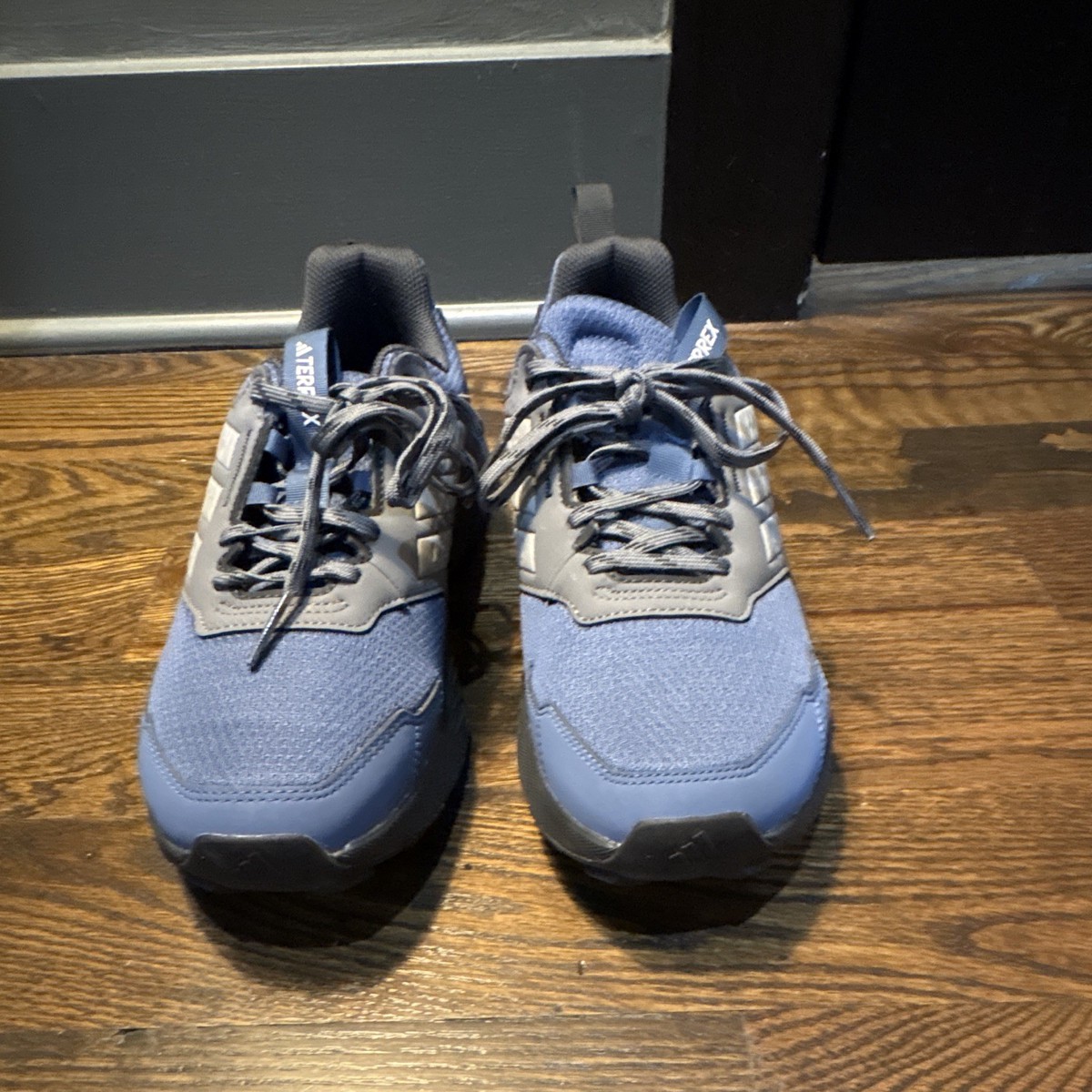

Photos from current listings. Actual item, color, and included accessories may vary.
On Trail Running Shoe Buying Guide
On Trail Running Shoes are purpose-built for off-road running, where traction, rock protection, and secure fit matter more than pure cushioning or lightweight racing performance. The key trade-off is between aggressive lugged outsoles with rock plates for technical terrain and lighter, more flexible designs for groomed paths and door-to-trail runs. Choose a shoe with a dedicated trail outsole (not a road midsole with a cosmetic tread) and a fit that locks the heel and midfoot without constricting toes on descents.


At a glance
- Category
- Trail Running Shoes
- Data updated
- Nov 17, 2026
Current offers
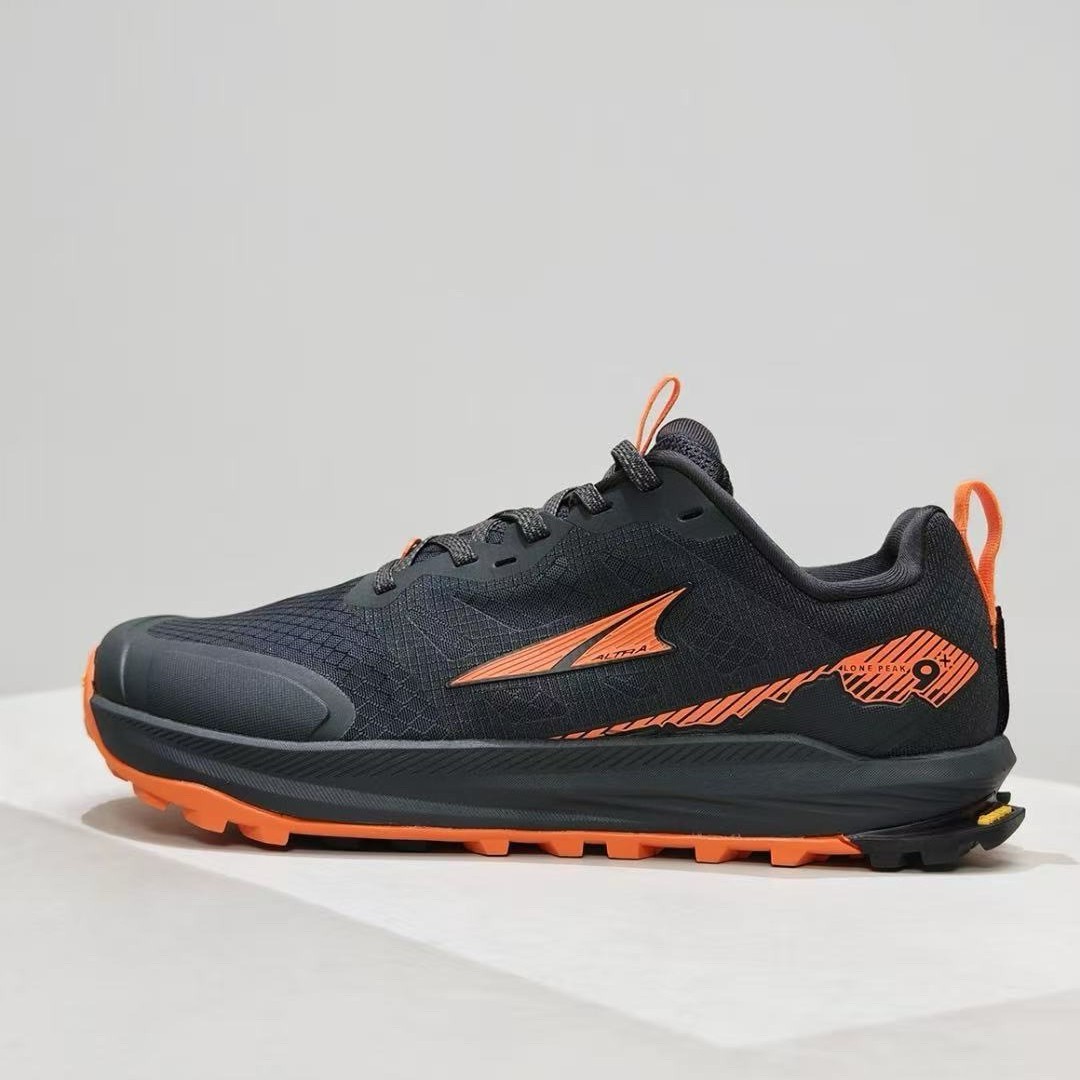
Highlights
- Outsole lug depth separates trail categories: 3–4 mm for hardpack and mixed terrain, 5–6 mm for loose dirt and mud, and sticky rubber compounds for wet rock.
- Rock plates (full-length or forefoot-only) protect against stone bruising; their stiffness balances underfoot protection with ground feel and flexibility.
- Heel-to-toe drop ranges from 0 mm (Altra) to 8–10 mm (Adidas Terrex); lower drop shifts load to calves and Achilles, higher drop suits heel strikers.
- Upper construction varies: engineered mesh for breathability, TPU overlays for abrasion resistance, and gusseted tongues to keep debris out.
Best use cases
- Best fit: technical singletrack and rocky trails — pick a shoe with a full rock plate, 5–6 mm lugs, and a reinforced toe cap for protection on descents.
- Best fit: door-to-trail and groomed paths — choose a lighter, more flexible shoe with 3–4 mm lugs and minimal rock plate to avoid an overly stiff ride on pavement.
- Wrong fit: road running — trail outsoles wear quickly on asphalt and aggressive lugs feel unstable; use dedicated road shoes instead.
- Wrong fit: wide-footed runners in narrow trail lasts — prioritize roomy toe boxes (e.g., Altra) or size up carefully; a tight fit causes blisters and black toenails on long descents.
Buying tips
- Match lug depth to terrain: 3–4 mm for hardpack and mixed surfaces, 5–6 mm for loose dirt, mud, and snow; deeper lugs sacrifice pavement smoothness.
- Use heel-to-toe drop to guide fit: 0–4 mm for forefoot/midfoot strikers seeking ground feel; 6–10 mm for heel strikers or those transitioning from road shoes.
- Check rock plate coverage: full-length for sharp rocks and technical descents; forefoot-only or none for flexibility and proprioception on smoother trails.
- Prioritize a gusseted tongue and reinforced toe cap for debris protection and durability; these features separate true trail shoes from road hybrids.
Specs
| Outsole Lug Depth | 3–6 mm (terrain-dependent) |
|---|---|
| Heel-to-Toe Drop | 0–10 mm (0 mm Altra to 8–10 mm) |
| Rock Plate | Full-length / forefoot / none |
| Trail Category | Technical / mixed / door-to-trail |
Related searches
What to check before buying
- Measure your foot length and width at the end of the day; trail shoes should have 1/2 to 1 thumb's width of space in front of the longest toe for descents.
- Confirm the shoe's intended terrain and lug depth match your local trails: rocky/technical vs. smooth/groomed vs. muddy/wet.
- Check compatibility with gaiters if you run in loose dirt or snow; look for a gaiter attachment point at the front and heel.
- Verify the drop and stack height align with your biomechanics and any orthotics; insert volume can change fit and heel lockdown.
FAQ
Data sources: eBay / Amazon listings and product attribute feeds Data updated Nov 17, 2026.
Some links on this page are affiliate links. If you buy after clicking one, we may earn a commission at no extra cost to you. This does not change which products appear here or their order. Affiliate disclosure.