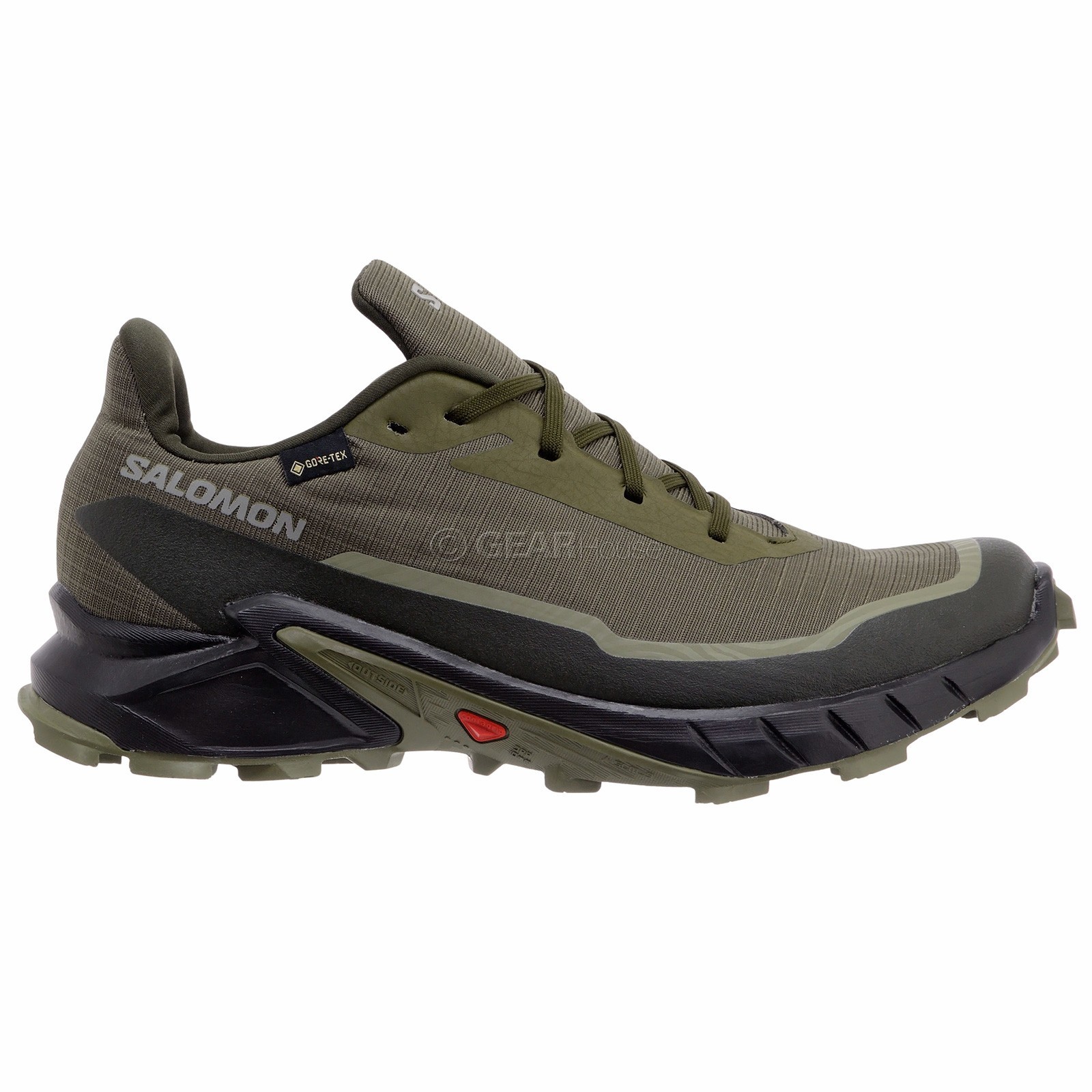

Photos from current listings. Actual item, color, and included accessories may vary.
Salomon Waterproof Shoe Buying Guide
Salomon waterproof trail shoes pair a Gore-Tex or Salomon AdvancedSkin membrane with a protective upper and aggressive outsole for wet, muddy, and cold runs. The key trade-off is breathability versus weather sealing: GTX models block water but run warmer and stiffer than non-GTX siblings, so pick the waterproof tier only for genuinely wet climates or splash-heavy terrain. The clear rule: buy a true Salomon GTX (Gore-Tex) model with a lugged Contagrip outsole if you run in rain, snowmelt, or mud; skip waterproofing if you run dry, hot trails where drainage and ventilation matter more.


At a glance
- Category
- Trail Running Shoes
- Data updated
- Nov 17, 2026
Current offers
Highlights
- Gore-Tex (GTX) membrane blocks external water while letting vapor escape; Salomon's own waterproof membrane appears on entry-level models with slightly lower breathability.
- Contagrip outsole compounds come in variant treads (MA, MD, TA) tuned for mixed, muddy, or technical terrain; lug depth typically ranges 4-6 mm for trail grip.
- Salomon sizing runs narrow-to-standard in the forefoot with a snug heel; the Alphacross/XT/Ultra families differ in last width and cushion stack.
- Waterproof uppers add weight and reduce drainage—models with gusseted tongues and seam-sealed construction prevent splash ingress better than standard mesh uppers.
Best use cases
- Best fit: wet, muddy, or snowy trail runs and fast hikes in cool climates—choose a GTX model with 4-5 mm lugs and a rock plate for underfoot protection.
- Best fit: splash-heavy commuting or mixed road-to-trail in rainy regions—pick a waterproof low-cut with a moderately cushioned midsole and standard Contagrip.
- Wrong fit: hot, dry, sandy trails where feet sweat heavily—skip GTX and choose a breathable non-waterproof Salomon with drainage ports; waterproofing traps heat and slows drying.
- Wrong fit: deep bog or stream crossings where shoes fully submerge—waterproof uppers fill and stay heavy; opt for quick-drain non-GTX models for immersion.
Buying tips
- Match lug depth to terrain: 4-5 mm for mixed hardpack and mud, 5-6 mm for loose or wet technical trails; shallower lugs pack out in mud.
- Know the GTX tax: waterproof models typically add 40-80 g per shoe and reduce breathability—size up half a size if you wear thick wool socks.
- Check the last: Salomon's narrow standard fit suits low-volume feet; wide-footed runners should try the Alphacross or wider-specific models before committing.
- Confirm membrane branding: Gore-Tex (GTX) offers guaranteed waterproof/breathable performance; Salomon's in-house membrane is water-resistant but not equivalent in sustained wet conditions.
Specs
| Waterproof Membrane | Gore-Tex GTX vs in-house waterproof |
|---|---|
| Outsole Compound | Contagrip MA / MD / TA |
| Lug Depth | 4-6 mm trail-dependent |
| Fit Profile | Narrow-standard last, snug heel |
Related searches
What to check before buying
- Measure your foot length and width at the end of the day; Salomon GTX shoes fit snug—allow a thumb's width at the toe for descents.
- Match the outsole compound and lug depth to your primary trail surface (rock, mud, snow) rather than buying the lightest model.
- Verify the model uses a true Gore-Tex membrane (GTX label) if you need guaranteed waterproofing for hours of rain.
- Ensure your sock system matches: waterproof shoes pair best with moisture-wicking merino or synthetic socks, not cotton.
FAQ
Data sources: eBay / Amazon listings and product attribute feeds Data updated Nov 17, 2026.
Some links on this page are affiliate links. If you buy after clicking one, we may earn a commission at no extra cost to you. This does not change which products appear here or their order. Affiliate disclosure.