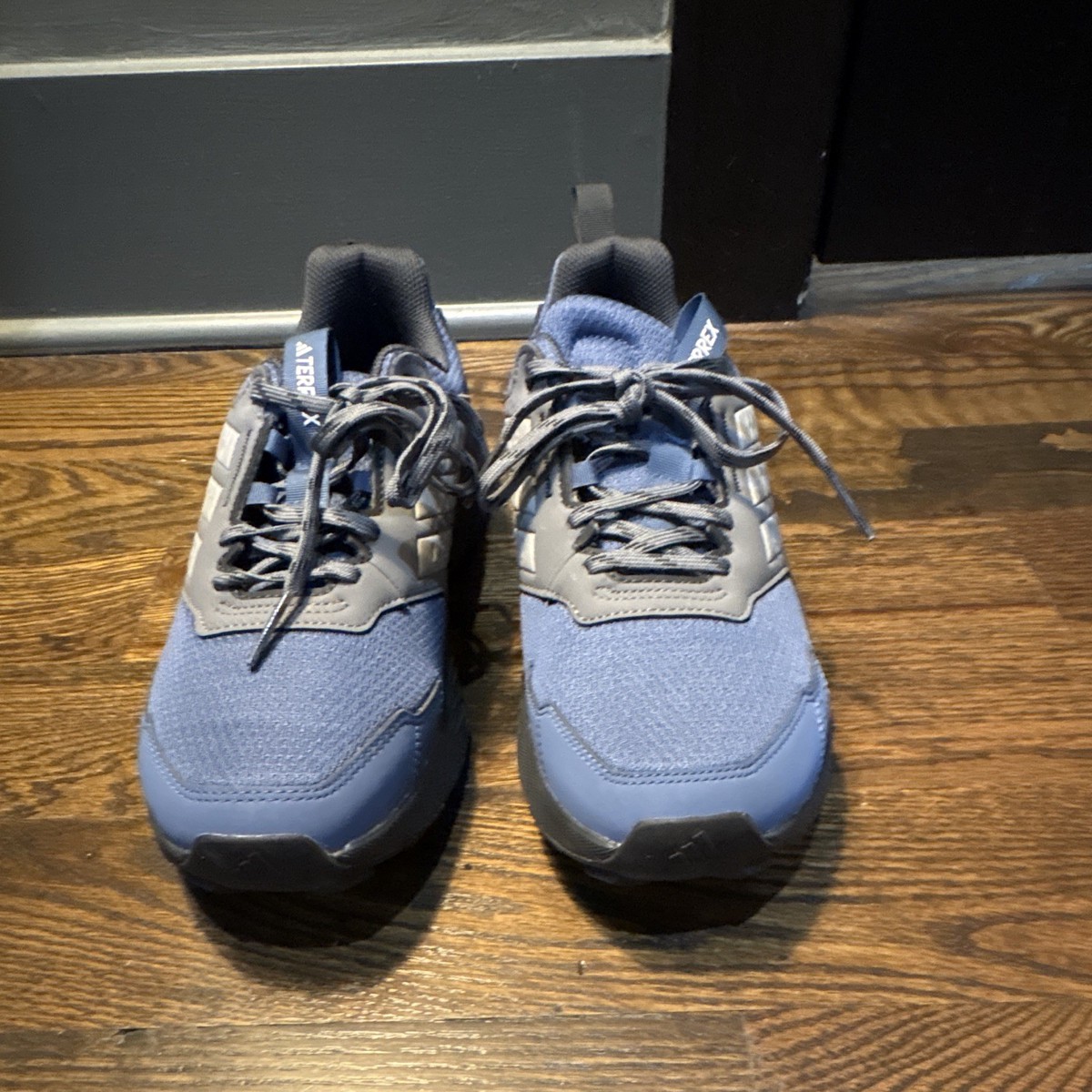

Photos from current listings. Actual item, color, and included accessories may vary.
Trail Running Sneaker Buying Guide
Trail running sneakers are off-road shoes built with lugged outsoles, protective rock plates, and reinforced uppers that trade pavement speed for traction and durability on dirt, rock, and mud. The core decision is outsole lug depth and compound versus upper breathability and drainage—deep lugs and sticky rubber grip loose terrain but feel sluggish on hardpack, while shallow lugs and knit uppers run fast but pack with mud and wear quickly. Choose a 4–5 mm lug all-mountain shoe with a rock plate for mixed technical trails, and reserve 6 mm+ lugs for soft mud and 3 mm or less for smooth fire roads.


At a glance
- Category
- Trail Running Shoes
- Data updated
- Nov 17, 2026
Current offers
Highlights
- Outsole lug depth is the primary traction variable: 3–4 mm for hardpack and gravel, 4–5 mm for mixed all-mountain trails, 6 mm+ for soft mud and loose dirt.
- Rubber compound matters as much as lug depth—sticky, soft compounds grip wet rock but wear fast, while harder carbon-rubber blends last longer on abrasive granite and scree.
- Rock plates (often TPU or composite) between midsole and outsole shield feet from sharp stones; shoes without them suit buffed dirt but punish rocky terrain.
- Heel-to-toe drop (typically 0–4 mm for Altra, 6–10 mm for adidas Terrex) changes calf load and stability; lower drop demands gradual adaptation.
Best use cases
- Mixed technical trails with roots, rocks, and hardpack: pick a 4–5 mm lug shoe with a rock plate and reinforced toe cap—skip 3 mm road-hybrid shoes that lack underfoot protection.
- Soft mud, wet grass, and loose dirt: choose 6 mm+ lugs with widely spaced patterns that self-clear; skip tightly packed lug designs that clog and turn into slicks.
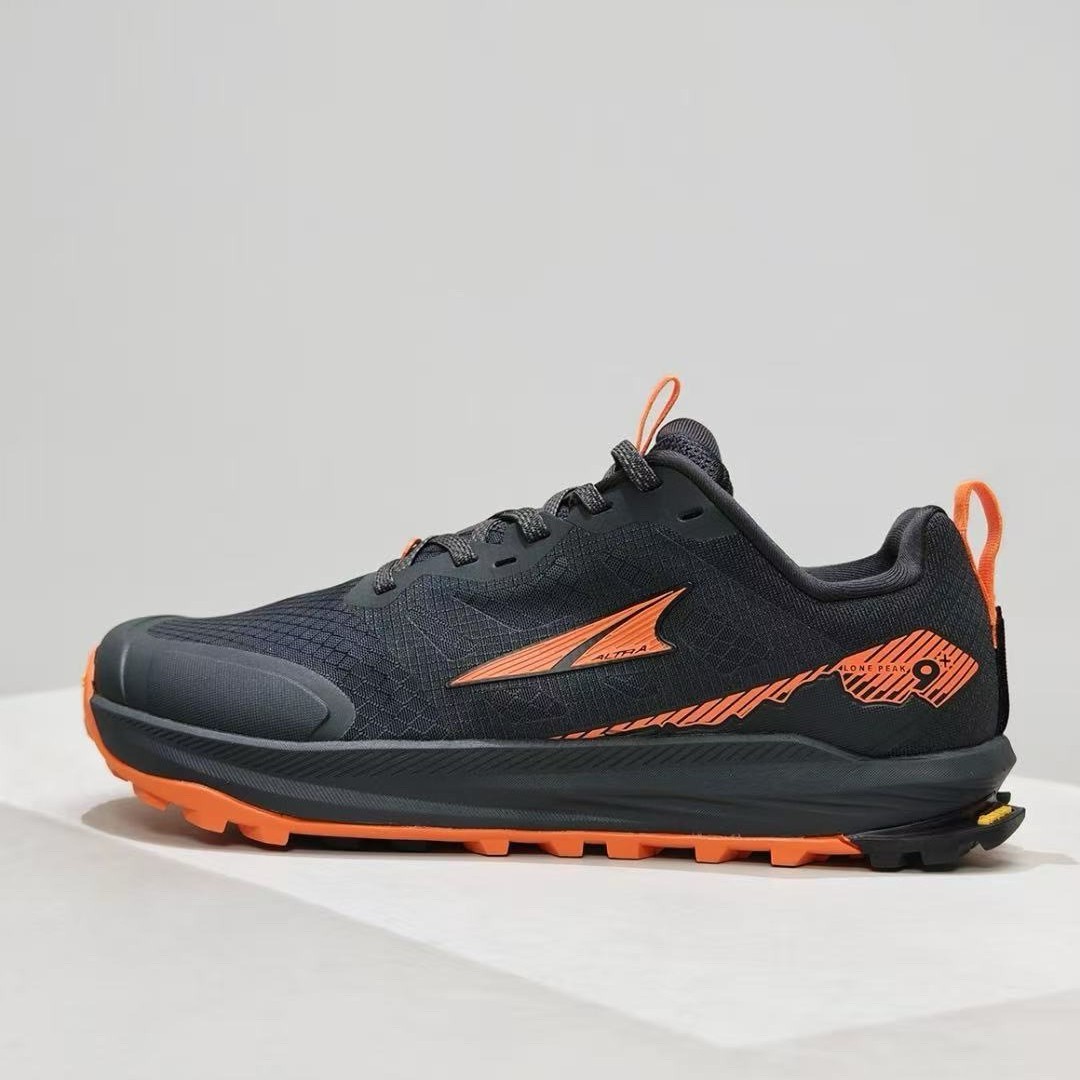
- Zero-drop loyalists and high-volume feet: the Altra Lone Peak family (0 mm drop, FootShape toe box) suits wide forefeet; skip it if you need a 6–8 mm drop or tight midfoot hold.
- Smooth fire roads and light gravel: a 3–4 mm lug shoe with a softer compound runs faster; skip 6 mm+ mud shoes that feel vague and slow on hardpack.
Buying tips
- Size with 1–1.5 cm (about a thumb's width) between longest toe and shoe end—feet swell on long descents, and cramped toes lose toenails.
- Match lug depth to your dominant terrain: most all-mountain trails need 4–5 mm; only go 6 mm+ if mud or loose dirt is routine.
- Check the rock plate: if your trails include sharp scree or embedded rock, a plate is non-negotiable; buffed dirt and gravel can skip it.
- Respect drop progression: moving from 8–10 mm road shoes to 0–4 mm trail shoes should be gradual—jump straight in and calf/Achilles strain follows.
Specs
| Lug Depth | 3–6 mm (terrain-dependent) |
|---|---|
| Heel-Toe Drop | 0–10 mm (Altra 0, Terrex 6–10) |
| Rock Plate | TPU/composite vs none |
| Outsole Rubber | Sticky soft vs hard carbon blend |
Related searches
What to check before buying
- Measure both feet late in the day and add 1–1.5 cm toe clearance; trail descents push feet forward into the toe box.
- Confirm your dominant terrain (hardpack, mixed rock, mud) so lug depth and compound match—mismatched lugs are the most common trail-shoe regret.
- Check drainage and gaiter compatibility: wet-weather trails need mesh that drains and a gaiter attachment point; sealed waterproof uppers run hot and heavy.
- Verify drop and stack height against your current shoes; a jump of more than 4 mm in drop or stack changes loading and needs a break-in period.
FAQ
Data sources: eBay / Amazon listings and product attribute feeds Data updated Nov 17, 2026.
Some links on this page are affiliate links. If you buy after clicking one, we may earn a commission at no extra cost to you. This does not change which products appear here or their order. Affiliate disclosure.