Photos from current listings. Actual item, color, and included accessories may vary.
Trail Shoe Buying Guide
Trail running shoes are built for off-road grip, protection, and stability, with the primary trade-off being weight versus underfoot protection and weather resistance. Durable options use sticky rubber compounds, rock plates, and reinforced uppers, while compromises skimp on lug depth, midsole density, or waterproofing. The clear decision rule: match lug depth and rock plate to terrain, choose waterproof only for cold/wet conditions, and prioritize fit over brand.


At a glance
- Category
- Trail Running Shoes
- Data updated
- Nov 17, 2026
Current offers
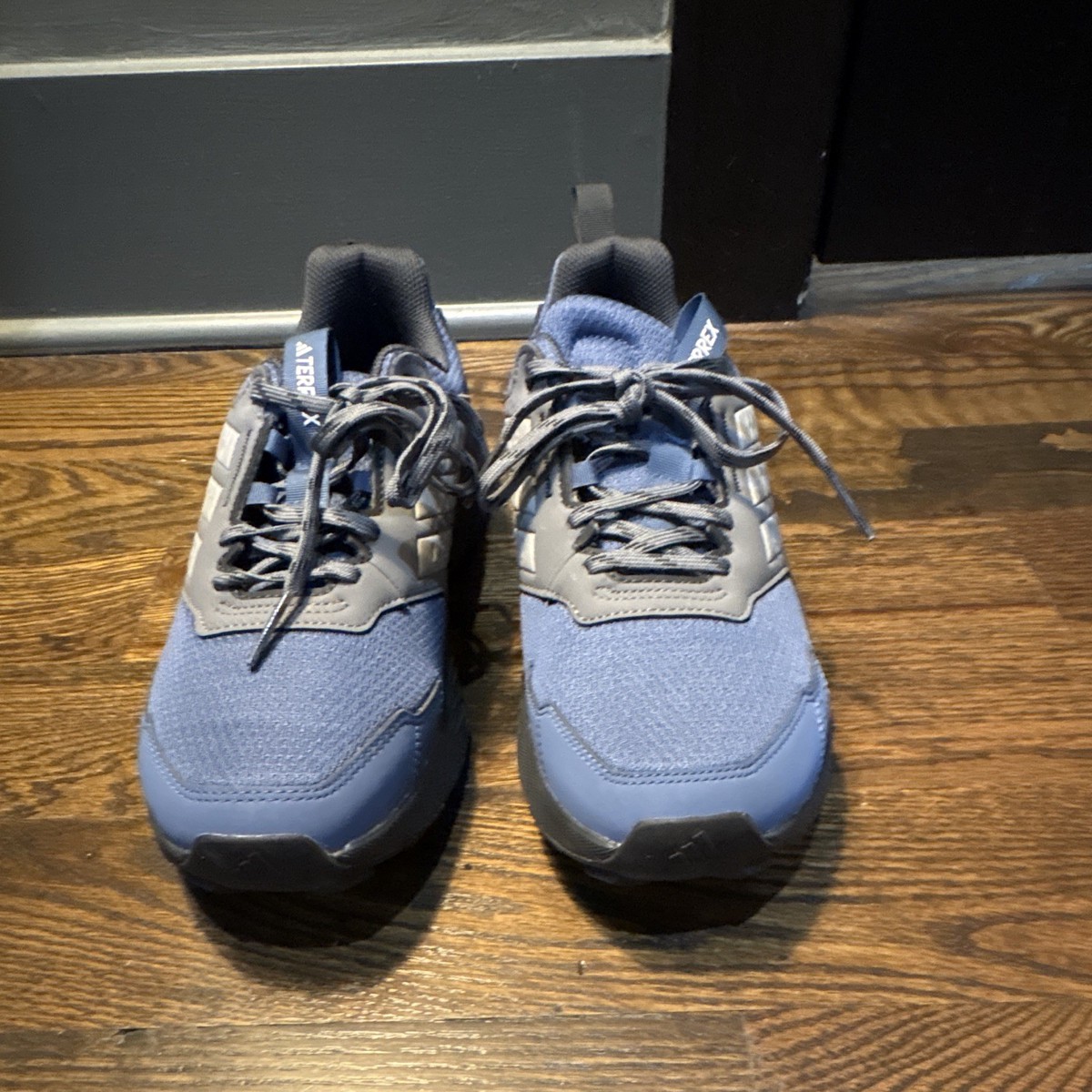 adidas Men's Terrex Tracefinder 2 Trail Running Shoes Blue/Gray$30.00
 View on eBay
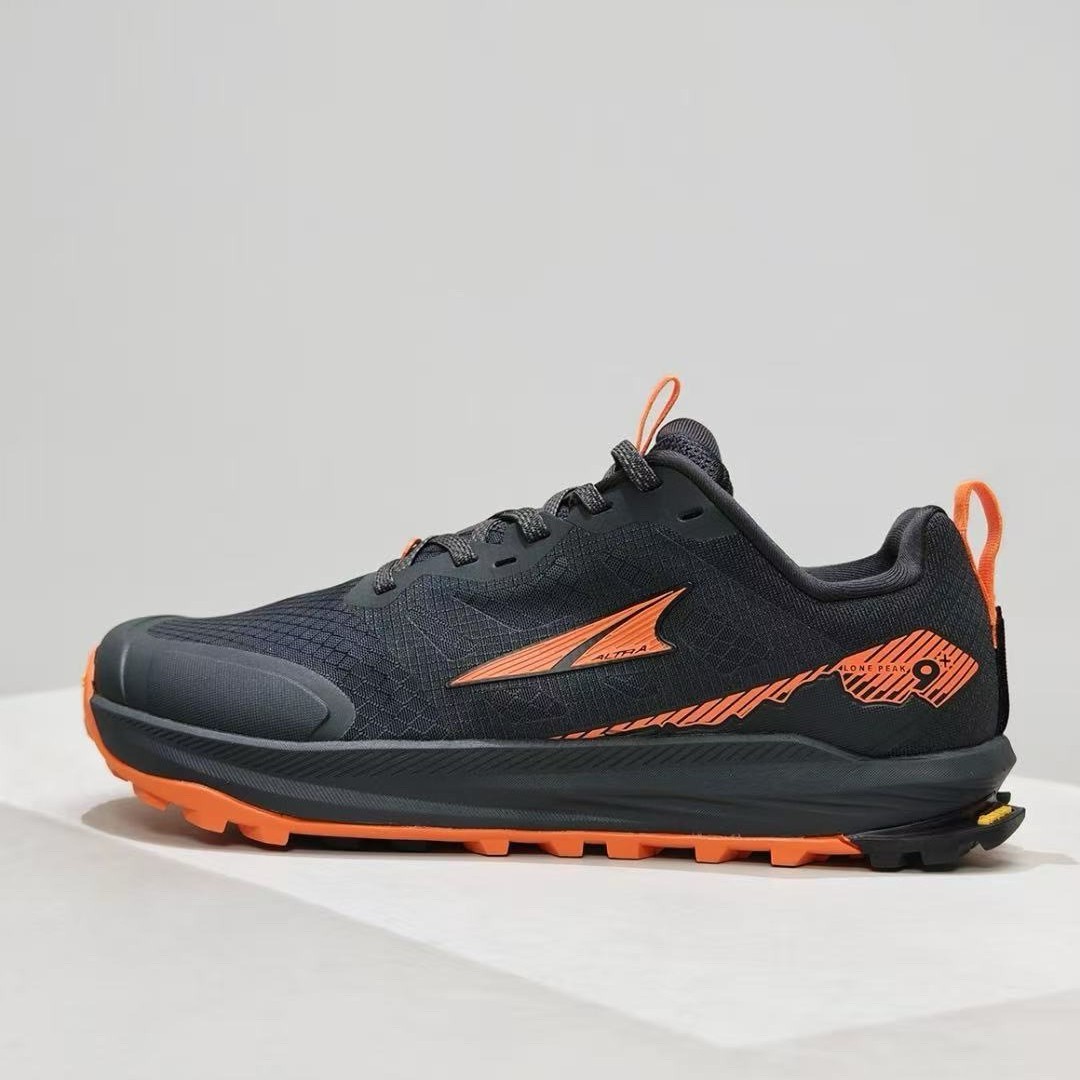 Altra Lone Peak 9+ Trail-Running Shoes - 6 COLORS Sizes Men's Athletic Shoes$91.00View on eBay
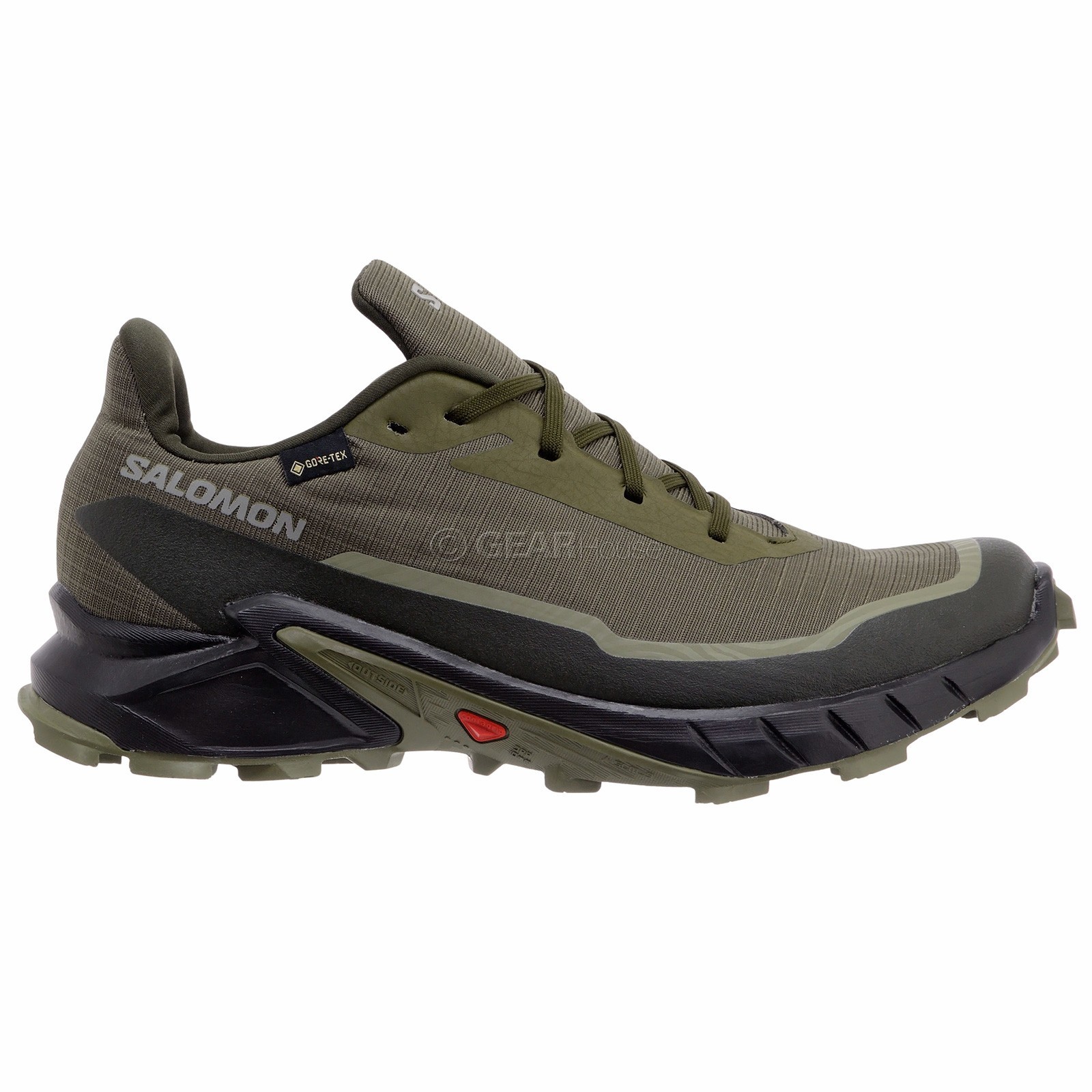 Salomon Alphacross 5 GTX Mens Waterproof Trail Hiking Shoes, Olive, Pick Size$94.80View on eBay
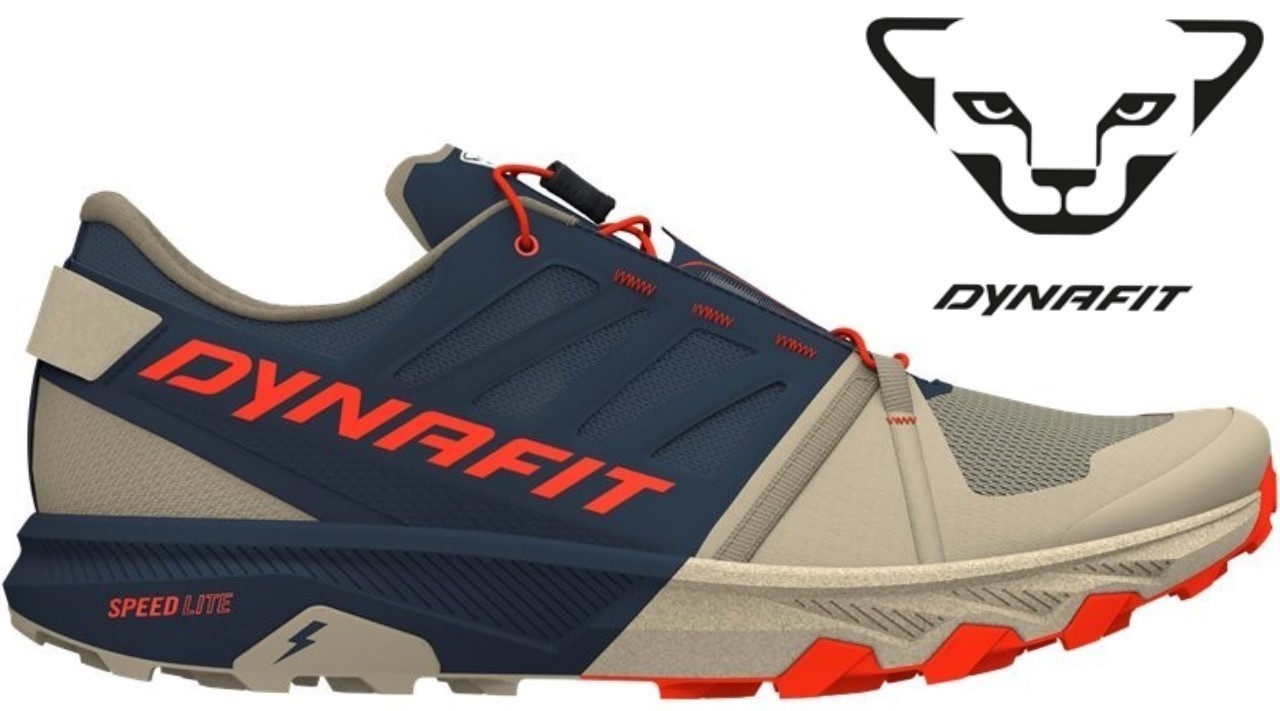 DYNAFIT alpine pro 2 trail run shoes vibram megagrip sole rock plate mens 10.5$151.96View on eBay
Highlights
- Outsole lug depth determines grip: 4–5 mm for hardpack and mixed terrain, 6–7 mm for loose dirt and mud, with sticky rubber compounds like Vibram Megagrip for wet rock.
- Rock plates (nylon or TPU) protect against stone bruising but add weight; choose plate-equipped models for technical terrain, plate-free for smoother paths.
- Waterproof membranes (GORE-TEX, GTX) block moisture but reduce breathability; use only for cold/wet climates, otherwise non-waterproof drains and dries faster.
- Midsole stack height and drop alter stability: lower drop (0–4 mm) encourages natural stride, higher drop (8–10 mm) suits heel strikers; rockered geometry improves efficiency.
Best use cases
- Best for muddy, loose trails: pick shoes with 6–7 mm lugs and aggressive tread; skip low-lug models that clog and slip.
- Best for rocky, technical terrain: choose a rock plate and sticky rubber outsole; skip flexible, plate-free shoes to avoid stone bruising.
- Best for wet, cold conditions: use waterproof GTX models; skip them for hot weather where breathability and quick drainage matter more.
- Best for hiking: select trail shoes with a wider toe box and moderate cushioning; skip minimal race shoes with thin soles and tight fit.
Buying tips
- Measure your foot length and add 0.5–1 cm for toe splay and downhills; tight fit causes black toenails on long descents.
- Check outsole compound: Vibram Megagrip and similar sticky rubbers excel on wet rock, while harder rubber lasts longer on abrasive trails.
- Match drop to your running style: 0–4 mm for midfoot/forefoot strikers, 8–10 mm for heel strikers, and 6 mm as a versatile compromise.
- For hiking, prioritize a protective toe cap, 4–6 mm lugs, and a rock plate over weight savings; light race shoes lack durability for loaded packs.
Specs
| Outsole Lug Depth | 4–7 mm; deeper for mud |
|---|---|
| Waterproofing | GORE-TEX/GTX vs non-waterproof |
| Rock Plate | Nylon/TPU plate vs none |
| Heel-to-Toe Drop | 0–10 mm; 6 mm versatile |
Related searches
What to check before buying
- Try shoes on with the socks you'll wear and test toe box width—your longest toe should not touch the front.
- Confirm the outsole lug pattern suits your primary terrain: deep lugs for mud, shallow for hardpack, sticky rubber for wet rock.
- If buying waterproof, ensure the membrane is branded (e.g., GORE-TEX) for guaranteed breathability and durability.
- Check heel hold and midfoot lockdown by walking on a ramp—your heel should not slip, preventing blisters on descents.
FAQ
Data sources: eBay / Amazon listings and product attribute feeds Data updated Nov 17, 2026.
Some links on this page are affiliate links. If you buy after clicking one, we may earn a commission at no extra cost to you. This does not change which products appear here or their order. Affiliate disclosure.