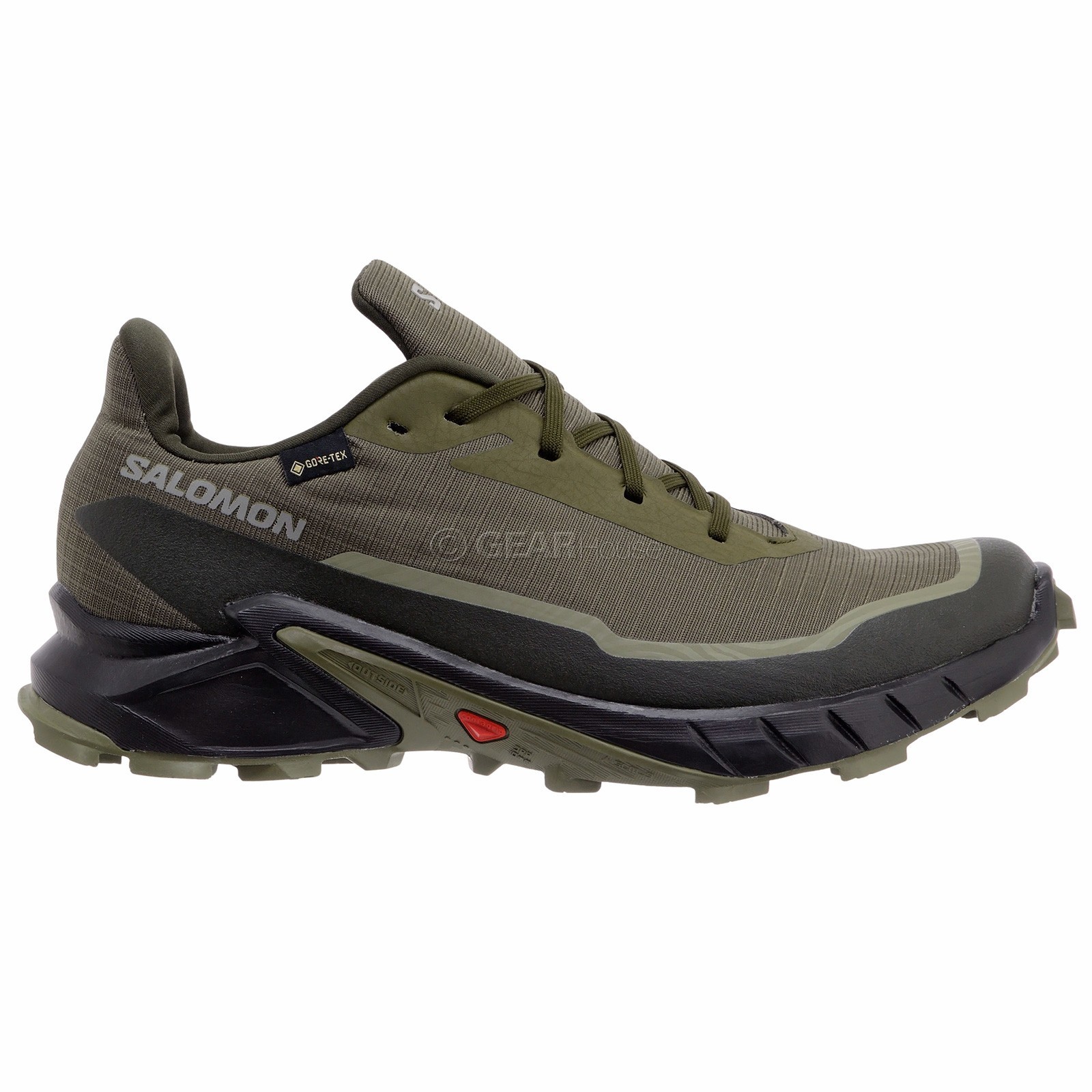

Photos from current listings. Actual item, color, and included accessories may vary.
Waterproof Sneaker Buying Guide
Waterproof sneakers are footwear built with a sealed membrane or treated upper to block moisture while remaining breathable and flexible for walking, travel, or light trail use. The core trade-off is membrane protection versus breathability and flex: full bootie liners block rain but run warmer and stiffer, while coated uppers breathe better but wet through at seams. Choose a genuine membrane (Gore-Tex, or a branded in-house equivalent) with taped seams for sustained wet weather; skip coated-knit or spray-only uppers if you need all-day dry performance.


At a glance
- Category
- Trail Running Shoes
- Data updated
- Nov 17, 2026
Current offers
Highlights
- Gore-Tex (GTX) and equivalent ePTFE membranes are the durability benchmark; coating-only uppers shed drizzle but saturate at seams within minutes of sustained rain.
- Membrane bootie construction blocks water at the tongue gusset and stitch rows; non-gusseted tongues are the first failure point on waterproof sneakers.
- Waterproof liners cut breathability by roughly 15–30% versus mesh uppers, so warm-climate buyers should prioritize low-cut GTX models over insulated or high-top builds.
- Outsole lug depth separates categories: 3–4 mm lugs suit pavement and packed paths, while 5 mm+ lugs are for loose dirt and mud but feel vague on concrete.
Best use cases
- Daily commuting and travel in wet climates: pick a low-cut GTX sneaker with a gusseted tongue and 3–4 mm lugs; skip high-top or insulated builds that run hot indoors.
- Light trail and gravel-path running in rain: choose a GTX trail model with a rock plate and 4–5 mm lugs; skip road-only waterproof walkers whose flat outsoles slip on wet roots.
- Women's and men's sizing: buy the same brand and size as your regular running shoe—GTX liners add stiffness, not length; size up half only if you wear thick wool socks.
- Wrong fit: standing in puddles above the ankle collar or wearing non-waterproof trousers that wick rain into the shoe defeats any membrane; pair with water-resistant cuffs.
Buying tips
- Confirm the membrane by name on the label: Gore-Tex, or a branded in-house waterproof liner such as Salomon's AdvancedSkin Dry; unbranded 'water-resistant' claims are coating-only.
- Check the tongue: a fully gusseted (attached) tongue is mandatory for waterproof performance; a floating tongue lets water in at the lace gap.
- Match lug depth to terrain: 3–4 mm for pavement and packed gravel, 5 mm+ for mud and loose dirt; deeper lugs wear faster on concrete.
- Weight threshold: a low-cut waterproof sneaker should stay under roughly 350 g (men's) / 300 g (women's) per shoe; heavier builds indicate insulation or a mountaineering last.
Specs
| Waterproofing | Gore-Tex membrane vs coated upper |
|---|---|
| Collar Height | Low-cut vs mid/high-top |
| Outsole Lugs | 3–4 mm road/gravel; 5 mm+ mud |
| Weight (per shoe) | Under 350 g men's / 300 g women's |
Related searches
What to check before buying
- Measure your foot length in cm and compare to the brand's specific GTX last—waterproof liners do not change sizing, but some models run narrow.
- Check ankle collar height against your trousers: low-cut collars let rain run in; pair with cuffs or gaiters for sustained wet weather.
- Confirm the outsole compound suits your surfaces: softer rubber grips wet rock but wears fast on pavement; harder compounds last longer on roads.
- Verify the shoe accepts your insoles and orthotics—membrane booties reduce internal volume, so thick aftermarket insoles may crowd the toe box.
FAQ
Data sources: eBay / Amazon listings and product attribute feeds Data updated Nov 17, 2026.
Some links on this page are affiliate links. If you buy after clicking one, we may earn a commission at no extra cost to you. This does not change which products appear here or their order. Affiliate disclosure.