Photos from current listings. Actual item, color, and included accessories may vary.
Swing Trainer Buying Guide
Swing trainers are practice aids that correct swing path, tempo, or impact position without hitting a real ball. The core trade-off is between resistance/tethered feedback systems that build muscle memory and sensor/alignment tools that diagnose faults, with durability hinging on joint construction and cord material. Choose a resistance or tethered trainer for repeatable path correction; choose an alignment or sensor aid for diagnostic feedback; skip flimsy single-joint gadgets that snap under full-speed swings.


At a glance
- Category
- Golf Training, Shoes & Gloves
- Data updated
- Nov 16, 2026
Current offers
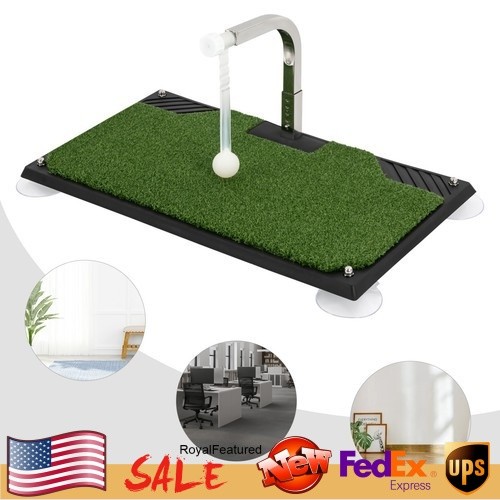 Indoor Golf Swing Trainer Training Practice Simulator Equipment Home 5 Gears USA$41.50
 View on eBay
- Indoor Golf Swing Trainer Training Practice Simulator Equipment Home 5 Gears USA$76.97View on eBay
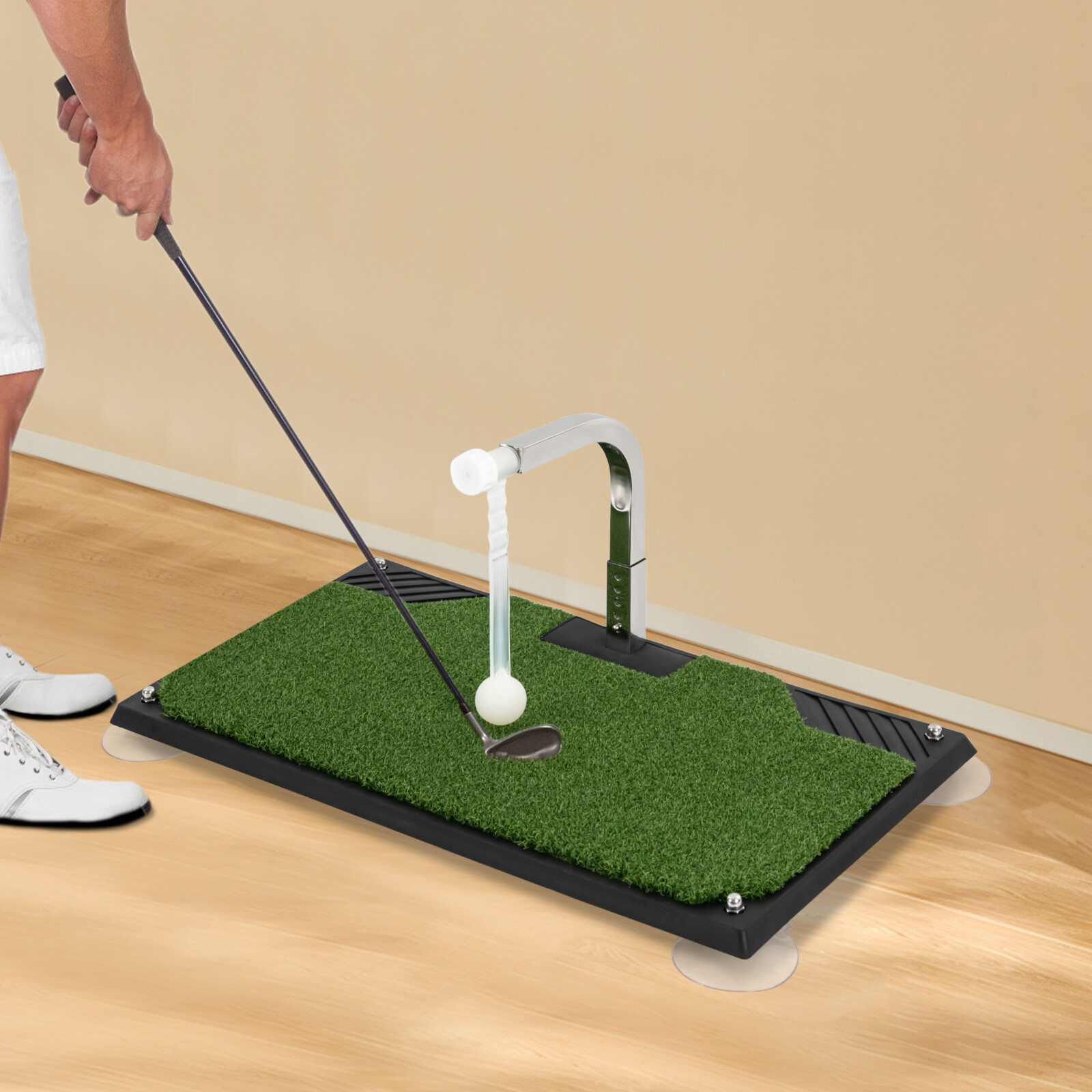 Indoor Home Golf Swing Trainer Training Practice Simulator Equipment 5 Gears$77.76View on eBay
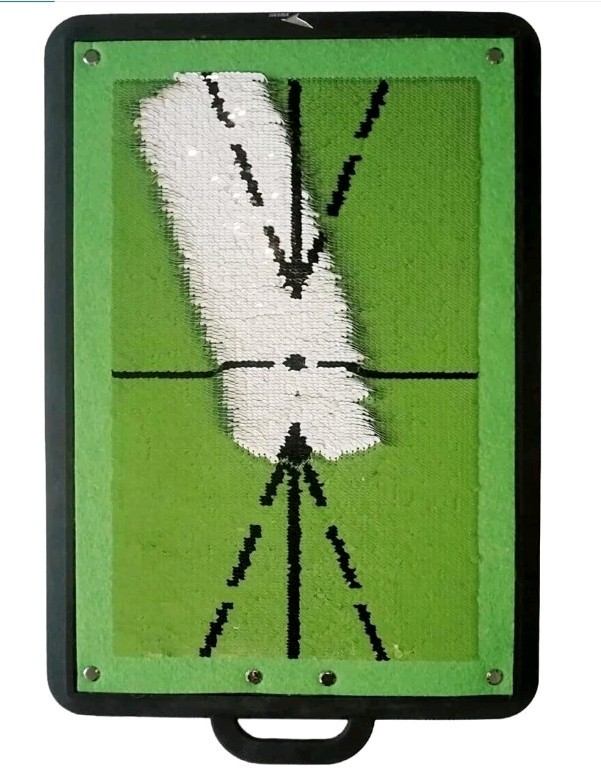 Birdie Golf: Birdie Mat Pro - Swing Training Aid, Sequin Tech Surface, Analyze$33.00View on eBay
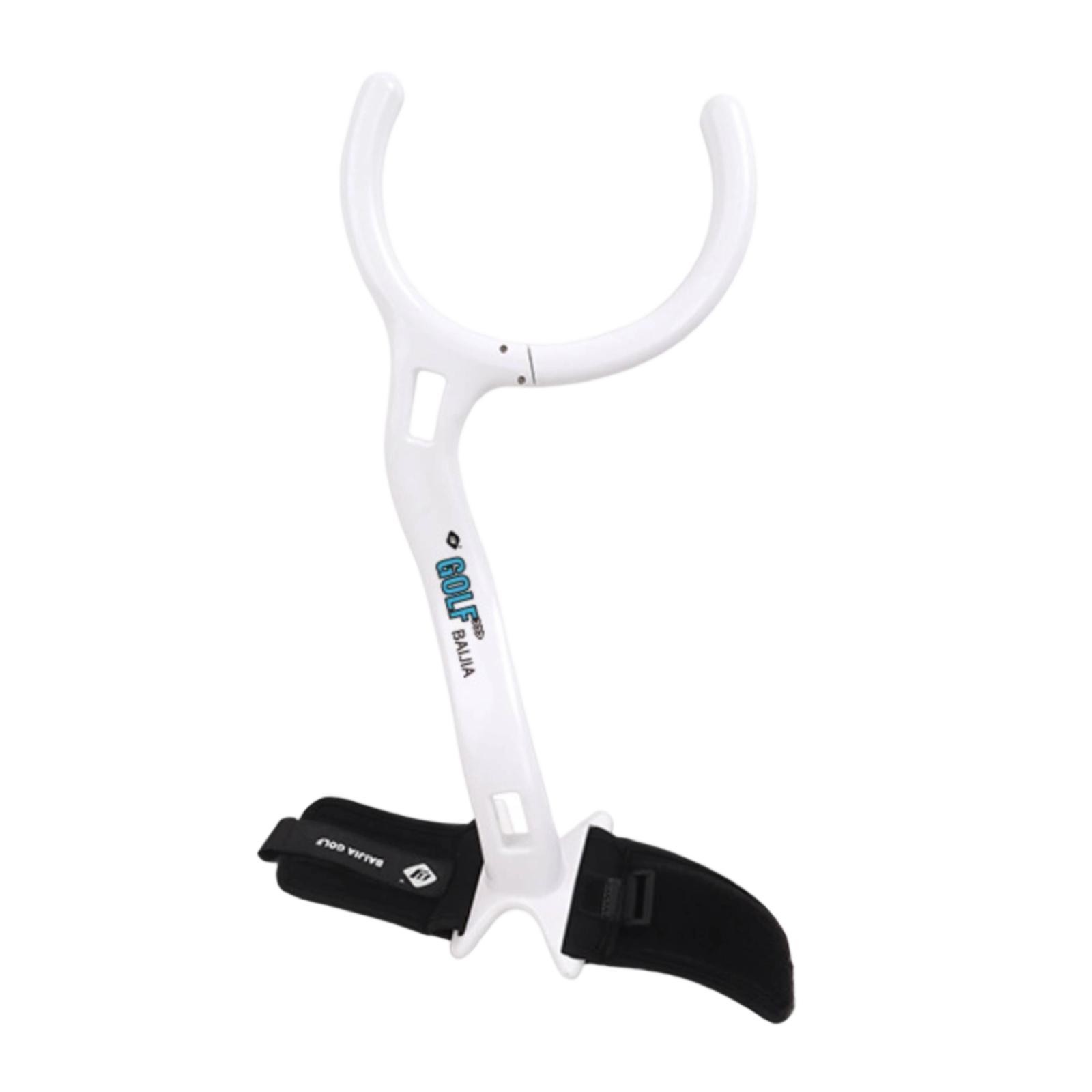 Golf Swing Training Aid Gear Training Tool for Birthday Lover Father's Day$43.98View on eBay
Highlights
- Resistance trainers use surgical-grade latex tubing or braided steel cable; latex degrades with UV and sweat, while braided cable with a nylon sleeve lasts years but offers harsher feedback.
- Tethered swing trainers anchor to a weighted base or ground stake; base weight and stake length determine stability at high swing speeds — a base under 5 lb will slide on hard floors.
- Multi-gear trainers adjust resistance via a 5-position clip or dial; the number of gears matters less than the resistance range and the durability of the attachment point.
- Alignment and mat trainers rely on printed or sequenced guides; surface friction and mat thickness (typically 4-6 mm) control whether the mat slides or stays put on turf or carpet.
Best use cases
- Best fit: indoor practice in a garage or basement with limited space — pick a compact tethered or resistance trainer that anchors to a weighted base, and skip full-swing simulators that require a net and launch monitor.
- Best fit: correcting an over-the-top or slice swing — choose a resistance trainer that pulls the arms into a shallower plane; skip alignment-only mats, which won't change path without guided feedback.
- Best fit: tempo and rhythm work for players who already have a sound swing — pick a weighted swing ring or tempo trainer; skip multi-gear resistance systems that add path correction you don't need.
- Wrong fit: full-speed driver practice with a lightweight plastic hinge trainer — the hinge and cord will fail; use a braided-cable or steel-rod trainer rated for high swing speeds instead.
Buying tips
- Match the trainer to the fault: an over-the-top move needs a path-correction resistance trainer, while early extension or casting needs an impact or hinge aid. Buying one device for all faults rarely works.
- Check the anchor system: a weighted base should be at least 5-8 lb for indoor hard floors, and a ground stake should be at least 8-10 inches for outdoor turf. Lighter bases slide and scratch floors.
- Latex tubing is comfortable but perishes in 1-2 seasons with sunlight and sweat; braided steel cable with a protective sleeve costs more but lasts for years and gives firmer feedback.
- For indoor use, measure your ceiling height and swing arc: a full-swing trainer needs roughly 9-10 ft of clearance, while a compact resistance or tempo trainer fits in an 8-ft room.
Specs
| Trainer Type | Resistance / Tethered / Alignment / Tempo |
|---|---|
| Resistance Material | Latex tubing vs braided steel cable |
| Anchor System | Weighted base vs ground stake |
| Adjustability | Fixed vs 5-position resistance dial |
Related searches
What to check before buying
- Measure ceiling height and swing clearance: full-swing trainers need about 9-10 ft; compact resistance and tempo trainers fit under 8 ft.
- Check your floor: weighted bases need a non-slip pad on hardwood or tile, while turf or carpet grips better with a stake or spiked base.
- Confirm what's included: most resistance trainers ship without a net, mat, or anchoring stake, so budget for a separate practice net if hitting real balls.
- Verify the resistance range: adjustable trainers should cover light-to-heavy tension so the same device works for wedges and driver swings.
FAQ
Data sources: eBay / Amazon listings and product attribute feeds Data updated Nov 16, 2026.
Some links on this page are affiliate links. If you buy after clicking one, we may earn a commission at no extra cost to you. This does not change which products appear here or their order. Affiliate disclosure.