When you're putting together a safe bike setup, two small accessories often create the first dilemma: should you add a bell to warn people ahead, or a rear reflector with LED tail light so drivers can see you from behind? If you can only buy one, the choice depends on where you ride and who needs to notice you.
The price spread in this pairing runs from $5.95 to $7.79. The lower-priced option is the aluminum handlebar bell, while the higher-priced option is a rear rack-mounted reflector with a battery-powered LED tail light. Both can make your rides safer, but they do very different jobs.
Quick Verdict
For night riding, road commuting, or riding in rain and low light, the Rear Reflector LED Tail Light is the more useful safety accessory. It combines passive reflection with an active light, so you're visible from behind in two ways. For daytime rides on shared paths, or for group rides where you need to signal other riders, the Aluminum Bike Bell is a lighter, lower-cost addition that helps you be heard without adding wires or batteries.
At a Glance
| Feature | Rear Reflector LED Tail Light | Aluminum Bike Bell |
|---|---|---|
| Price | USD 7.79 | USD 5.95 |
| Primary job | Reflect + light from behind | Sound alert from handlebar |
| Power source | Battery | Manual |
| Mounting | Rear luggage rack with 80mm holes | Handlebar |
| Color | Red | Black |
Where Each Product Wins
Rear Reflector LED Tail Light wins if you ride after dark. It adds a visible red light to the back of your bike and also works as a reflector when the light is off. It's designed for road bikes, mountain bikes, and other bikes with a rear luggage rack with 80mm mounting holes. The simple on/off switch and steady mode make it easy to use.
Aluminum Bike Bell wins if you need to be heard. It delivers a clear, crisp, loud ring that can attract attention even in noisy environments. Its compact design keeps your handlebar clean, and it works well as a communication signal for cycling teams. It also costs less than the rear light.
Product Notes
Rear Reflector LED Tail Light
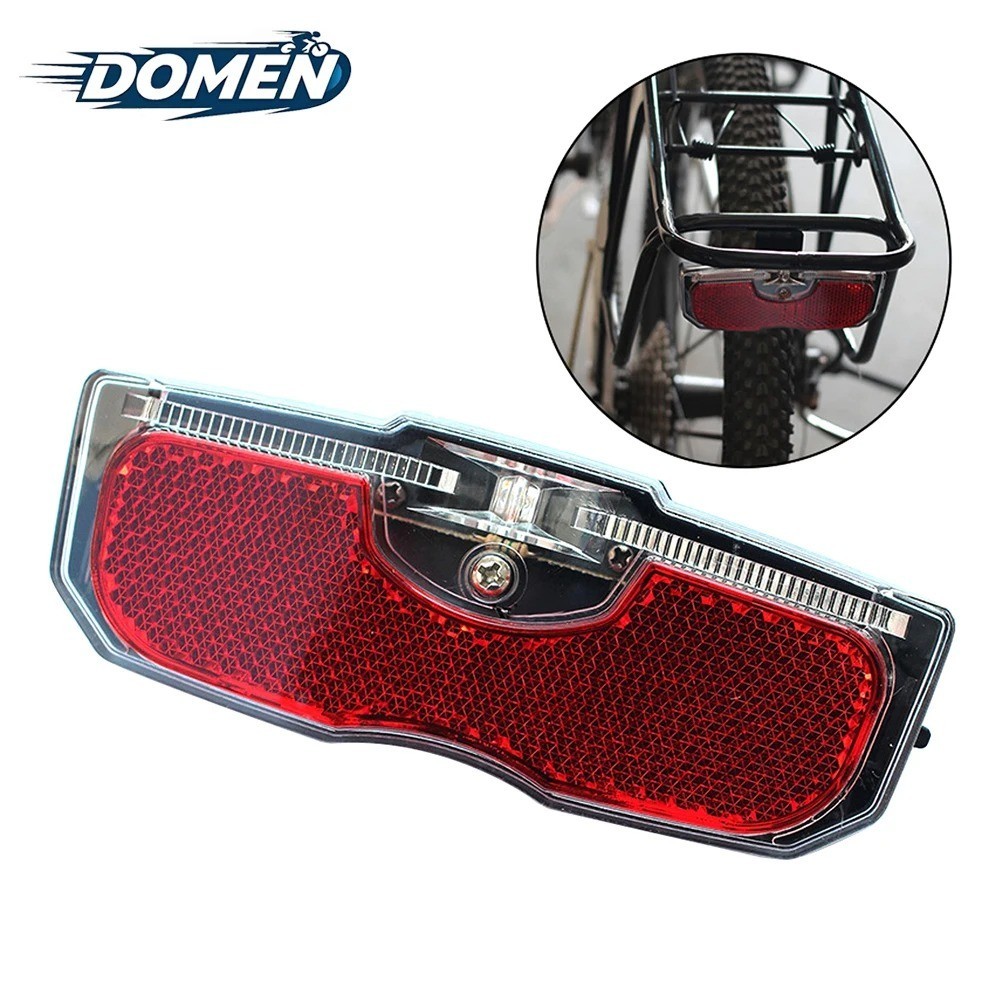
This rear light combines a reflector with a battery-powered LED tail light, giving you two layers of visibility in one accessory. It mounts to rear luggage racks with 80mm (3.15-inch) screw spacing, and the included mounting screws fix it in place firmly. The red unit has a simple on/off switch and a steady mode, which helps you ride more safely in dark nights and rainy weather. It's designed to fit most bicycles, including road bikes and mountain bikes. Choose it when you want drivers behind you to see you clearly. The main limitation is that it needs a rear luggage rack with 80mm hole spacing; if your bike doesn't have that rack, this light won't be a fit.
Aluminum Bike Bell
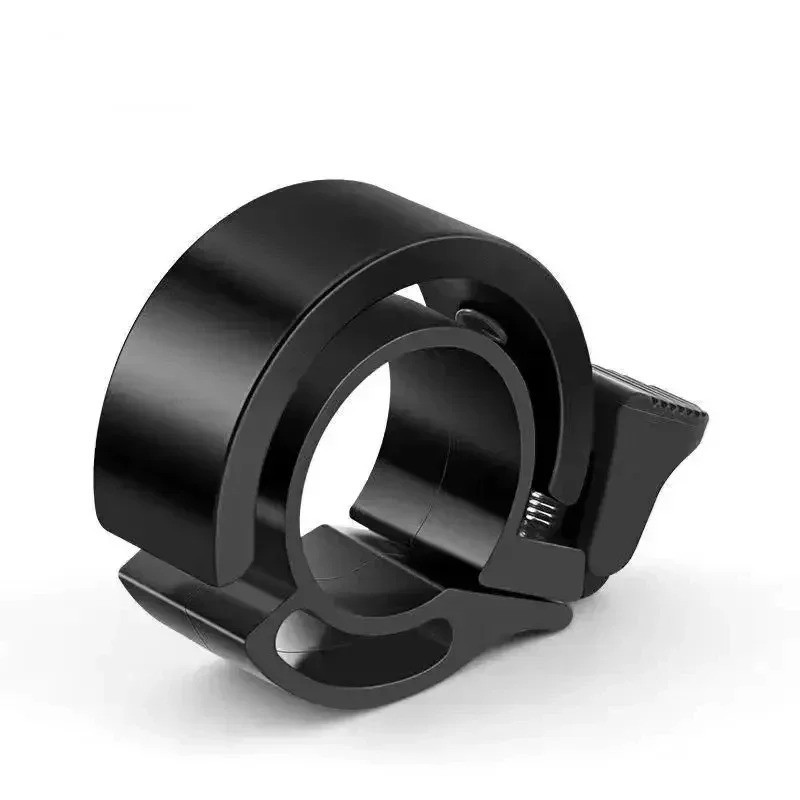
The aluminum bike bell is a handlebar-mounted alarm that makes a clear, crisp sound loud enough to be heard in busy environments. Its low-profile, compact design doesn't disturb the look of your bike, and the durable aluminum body is built for long-term use in various weather conditions. Beyond acting as a bell, it can serve as a signal for riding partners, making it handy for cycling teams. At $5.95, it's the more wallet-friendly option in this pairing, and it needs no battery or wiring. The trade-off is that it only warns people in front of you; it does nothing to make you visible from behind, so night riders will still want a separate rear light.
Final Choice by Use Case
- Choose the Rear Reflector LED Tail Light if you ride on roads, after sunset, or in low visibility. The $7.79 price gets you both a reflector and an active tail light in one rack-mounted unit.
- Choose the Aluminum Bike Bell if you ride mostly in daylight, on shared paths, or in groups and need a simple way to alert others. At $5.95, it's the lower-cost option and easy to mount.
- If your budget allows the extra $1.84, the rear reflector light adds rear visibility the bell can't provide, making it the better first cycling accessory for most riders.
Whichever you pick, matching the accessory to your riding conditions matters more than the small price difference. Both are practical cycling accessories, but they keep you safe in different ways.