Choosing among birding field guides & calls starts with one practical question: do you want to learn what you are seeing, or leave each outing with a structured record? A journal-led book and a species-guide-led book solve different problems. The useful choice is whether your next purchase should teach the basics or organize your observations.
Quick verdict
Choose Bird Watching Journal for dedicated sighting logs. Its pages are organized around recording an encounter, from outing context to bird characteristics. Choose North American Bird Watching for Beginners when the priority is an introduction to birding and species reference. The listed-price spread is $8.52, but the more important difference is journal versus instructional field guide.
Comparison at a glance
| Comparison point | Bird Watching Journal | North American Bird Watching for Beginners |
|---|---|---|
| Primary format | Encounter log book | Beginner field guide |
| Listed price | USD 20.78 | USD 12.26 |
| Distinctive emphasis | Recording observations | Beginner instruction and species reference |
Where each one wins
Bird Watching Journal wins for observation logging
The journal has the clearest fit for organized note-taking in the field. Its listed prompts move from outing context to bird details, including location type, number of birds, rating, beak and tail shape, feathers, legs, and flight. If you want one place to build a personal record of sightings, those categories are more relevant than a general introduction.
North American Bird Watching for Beginners wins for getting started
The beginner guide is the stronger match for learning the vocabulary and practical setup of birding. It covers bird-watching terminology, equipment to have on hand, advice on getting started, and information on North American species. That makes it the more direct choice for someone who wants reference-style reading before developing a detailed journaling habit.
Product notes
Bird Watching Journal
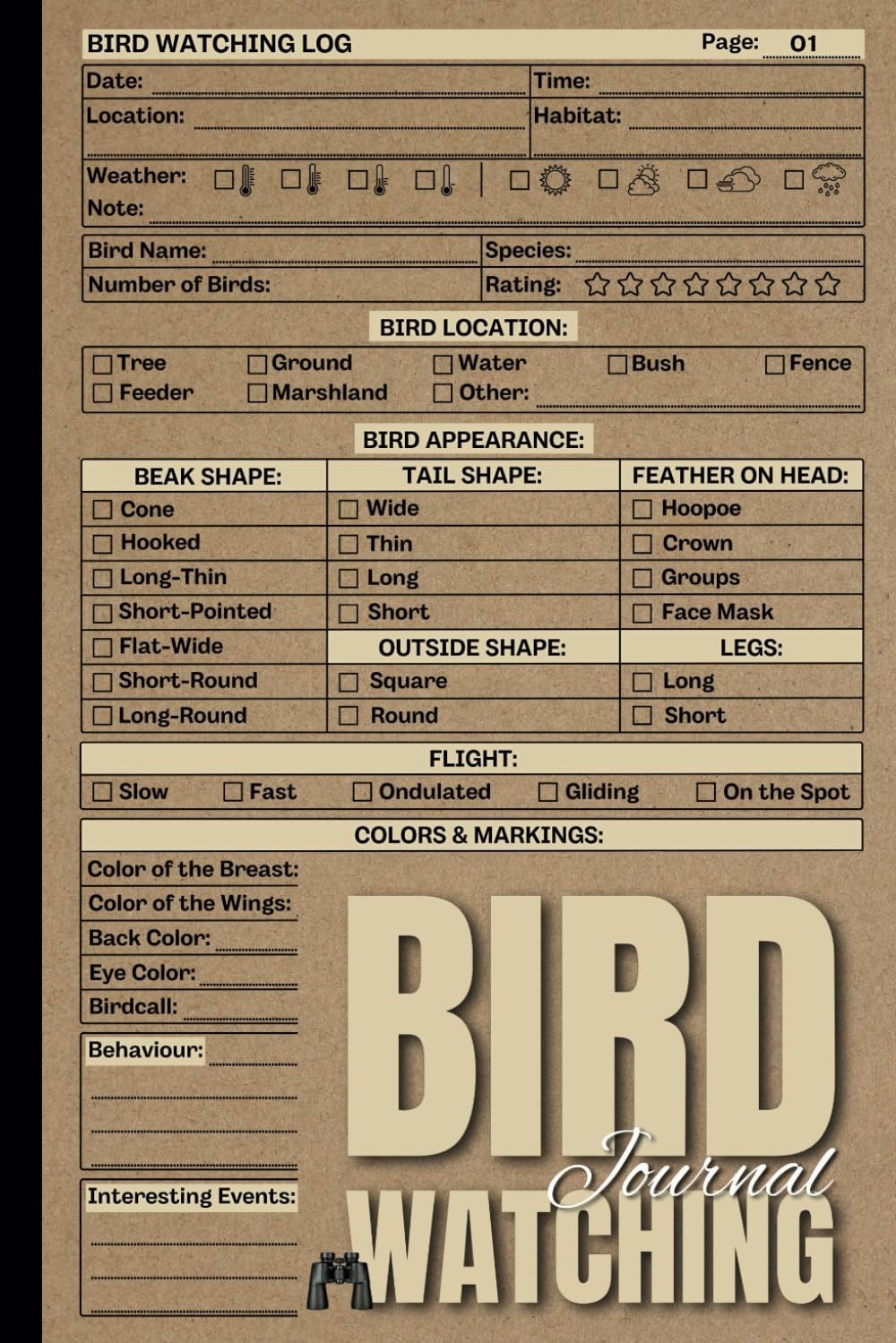
Bird Watching Journal is built around turning an outing into a record. Its prompts cover date, time, location, habitat, weather, temperature, bird name, species, number of birds, rating, location type, appearance, and flight. That breadth makes it the more natural choice for a birder who wants to capture observations in a repeatable format rather than simply read about species. The title also frames it as a log book for birders and nature lovers, reinforcing that use. Its limitation is focus: the journal centers on documenting encounters rather than presenting a defined roster of species. At 111 pages, it is also the shorter print format of the pair, which may matter if you want more instructional reading.
North American Bird Watching for Beginners
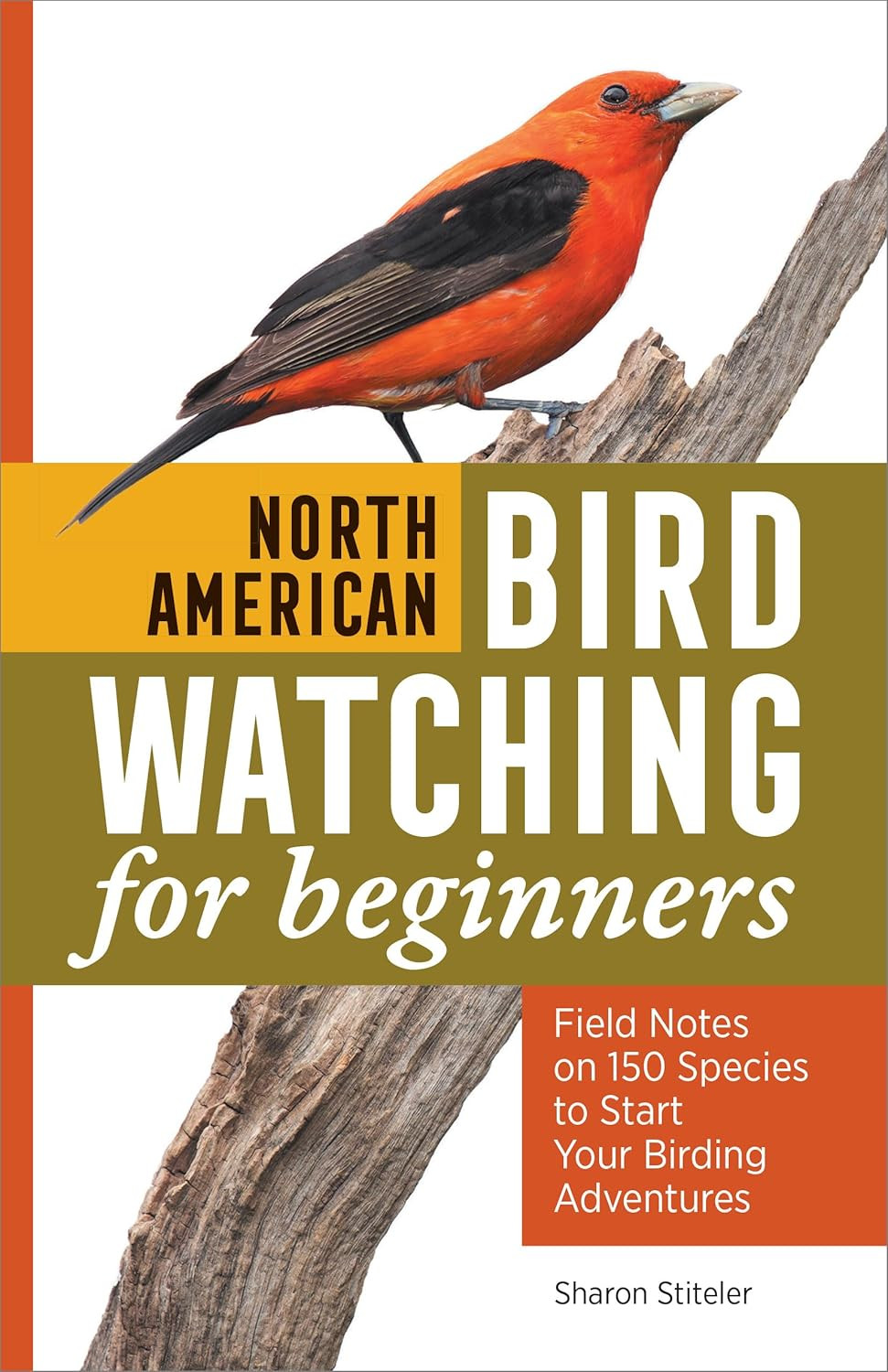
North American Bird Watching for Beginners is aimed at the learning phase of birding. It covers essential information about 150 North American species, birding terminology, equipment to have on hand, and advice for getting started. That combination gives it the stronger case for a first bird species guide or a reader who wants instruction before building a regular log. Its limitation is emphasis: it centers on explanatory content rather than the journal's clearly itemized observation prompts. The 176-page print length points to a longer reading format, but it may be less direct for someone whose main goal is to write down each sighting immediately.
Final choice by use case
- For a sighting log: Choose Bird Watching Journal when you want prompts for context, bird characteristics, and flight details in one dedicated log book.
- For learning the basics: Choose North American Bird Watching for Beginners when terminology, equipment guidance, and getting-started advice are the deciding features.
- For price: The journal is listed at USD 20.78, while the beginner guide is USD 12.26-an $8.52 spread. The journal format costs more on the listed prices, while the guide directs more of its content toward introductory learning.
For a birder who wants a structured record, the journal is the better match. For someone beginning with species reference and core vocabulary, North American Bird Watching for Beginners is the more sensible choice.