Choosing running watches & heart-rate gear often comes down to two practical questions: where should the sensor sit, and how should it be powered? CYCPLUS puts the monitor on an arm, while Accuro uses a chest strap. Both name Bluetooth and ANT+, so the decision is less about basic wireless access and more about placement, battery design, and the training-oriented features each one calls out.
Quick verdict
Choose CYCPLUS if an arm-worn monitor, rechargeable battery, waterproof feature, and LED zone indicator line up with your routine. Choose Accuro if a chest strap, replaceable CR2032 battery, and phone-based display are more important. Both use Bluetooth and ANT+, so connectivity alone does not separate them.
At-a-glance comparison
| Detail | CYCPLUS Heart Rate Monitor Armband | Accuro HRM Chest Strap Fitness Tracker |
|---|---|---|
| Price | USD 22.47 | USD 20.97 |
| Body area | Arm | Chest |
| Battery detail | Rechargeable; up to 110 hours per charge | Replaceable CR2032; up to 500 hours |
| Connectivity | Bluetooth 5.1 and ANT+ | Bluetooth and ANT+ |
| Other named features | Waterproof; LED zone indicator | HR target zone; HR variability; iOS and Android support |
Where each product wins
CYCPLUS
CYCPLUS wins on form-factor choice when you want the armband named in its title. Waterproof wording and an LED zone indicator are additional concrete reasons to select it, and magnetic charging is specified alongside the rechargeable battery. This makes it a fit for someone who prefers those features over a chest-strap arrangement. Its Bluetooth 5.1 and ANT+ connection language is clear, but Accuro also names Bluetooth and ANT+, so neither gets a connectivity-only win.
Accuro
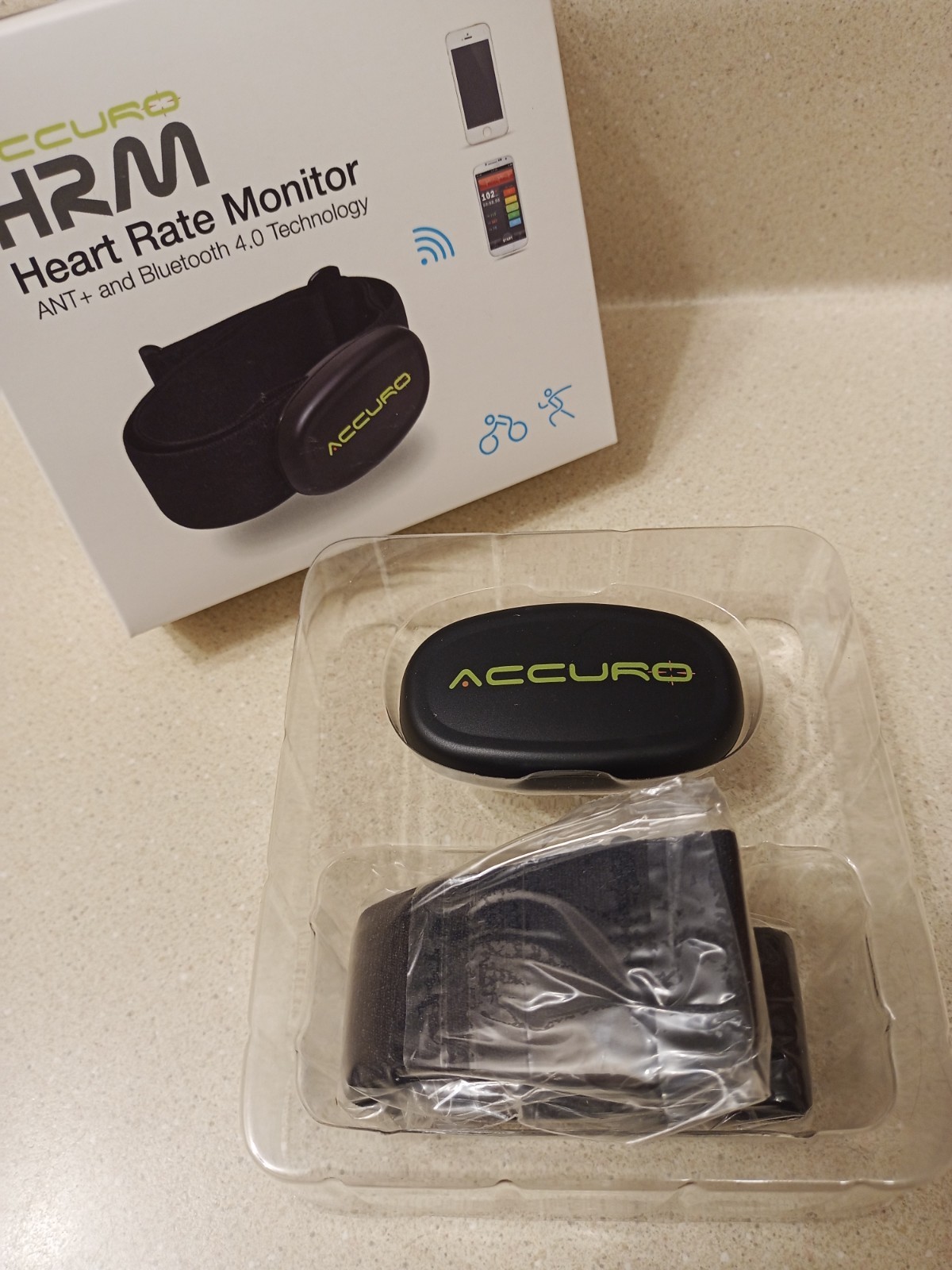
Accuro wins for the chest-strap route and for shoppers who want phone-based viewing: iOS and Android support are named, along with heart-rate target-zone and heart-rate-variability features. Its battery detail says up to 500 hours with a replaceable CR2032 cell, compared with CYCPLUS's up to 110 hours. Those are the stated figures; they do not by themselves predict a better training result. Accuro is therefore the closer match when app display and those training metrics matter more than an armband design.
Product notes
CYCPLUS Heart Rate Monitor Armband
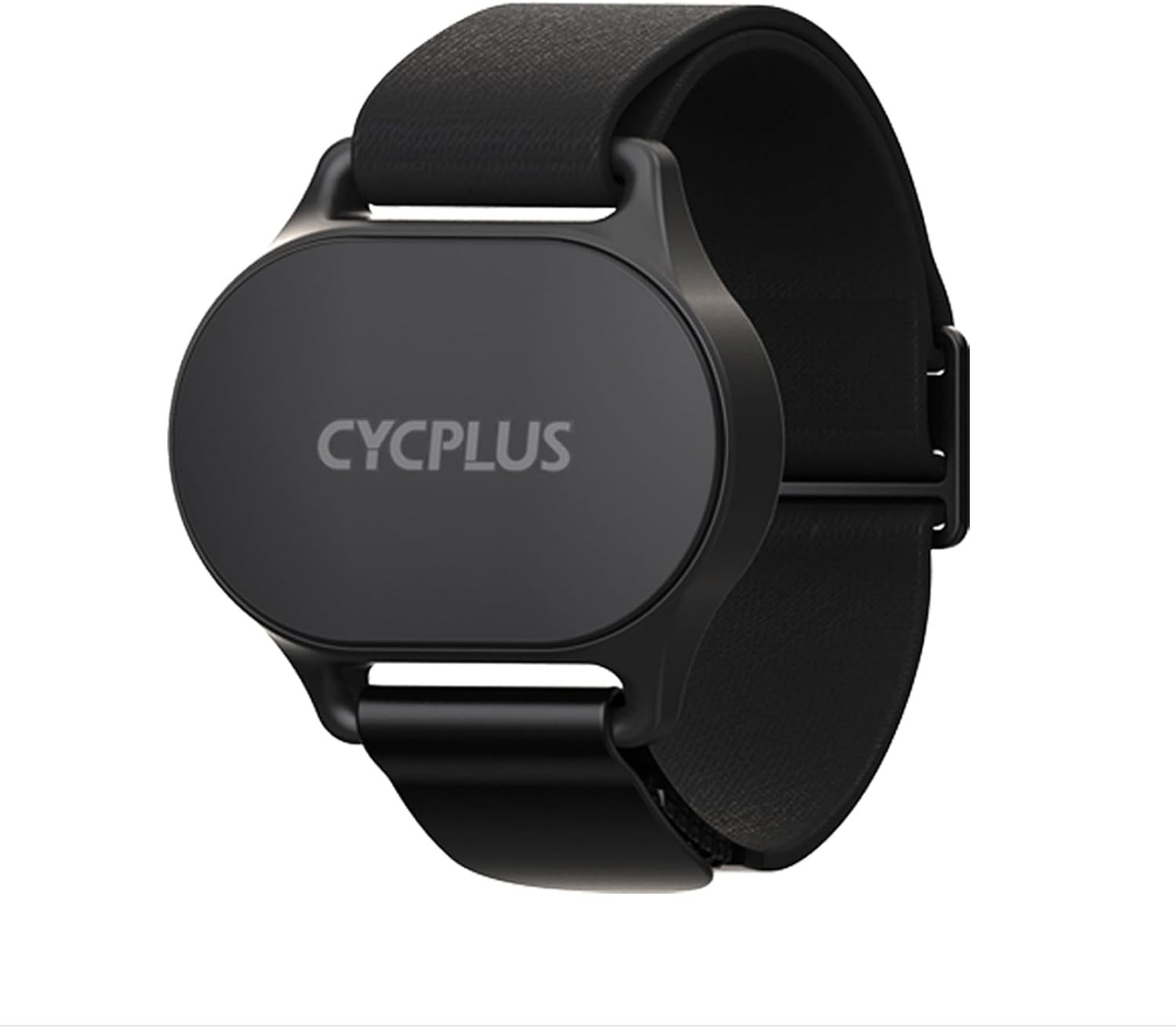
The readable product name tells you the main reason to choose CYCPLUS: it is an armband, not a chest strap. The feature mix adds Bluetooth 5.1, ANT+, rechargeable power, waterproof wording, and an LED zone indicator. That combination suits a shopper who wants a wearable sensor on the arm and prefers magnetic USB charging. The limitation is equally concrete: its power detail is up to 110 hours per charge, and the charging setup is not the replaceable CR2032 arrangement used by Accuro. At USD 22.47, it is also the higher-priced choice by USD 1.50. Pick it for the placement and feature mix, rather than assuming the higher price signals superior readings.
Accuro HRM Chest Strap Fitness Tracker
A practical reason to choose Accuro is the chest-strap format paired with phone support. It can display live data through the AccuroFit app or various fitness apps, and the named operating systems are iOS and Android. It also names heart-rate target-zone and heart-rate-variability features, giving the training setup specific functions to consider. The limitation is fit-specific: shoppers who want an arm-worn monitor will find the CYCPLUS format closer to that brief. Accuro uses a replaceable CR2032 coin cell rather than rechargeable magnetic charging, so it is not the right power match for someone who wants USB recharging. Its price is USD 20.97.
Final choice by use case
- Choose CYCPLUS when arm placement, rechargeable power, waterproof wording, or an LED zone indicator is the priority.
- Choose Accuro when chest-strap placement, iOS/Android phone display, target-zone or variability features, and a replaceable battery better match your routine.
- If both formats are equally suitable, use the USD 1.50 price gap as the tie-breaker, then decide between rechargeable magnetic charging and a replaceable coin cell. Bluetooth and ANT+ do not settle the comparison because both name those connections.