Choosing an equestrian saddle means balancing rider fit, horse fit, discipline, and purchase scope-not simply choosing the most feature-heavy description. Do you need a particular seat and tree configuration, a new leather saddle, or included tack? These four jumping and close-contact choices make that decision easier by separating those priorities clearly.
Quick take
All four choices are jumping or close-contact saddles, so the meaningful differences are seat and tree details, horse-fit context, new versus used condition, and included extras. The price spread runs from the Cliff Barnsby entry at the low end to the Bates Caprilli at the high end, but price alone does not settle fit. Start with the matrix, then use the product notes to weigh each saddle against the riding situation.
Listed-price comparison
| Saddle | Listed price | Price bar |
|---|---|---|
| Cliff Barnsby English Close Contact Jump Saddle 16.5 Medium Tree | $350.00 | |
| Butet Close Contact Jump Saddle 16-inch Seat Standard Tree | $1,000.00 | |
| PREMIUM DARK BROWN ENGLISH JUMPING SADDLE CLOSE CONTACT 16 INCH HORSE TACK | $479.48 | |
| Bates Caprilli Close Contact 18-inch for sale includes stirrups and leathers | $1,650.00 |
Decision matrix
Use the priority that matters most to narrow the choice:
- Horse-fit context: Cliff Barnsby English Close Contact Jump Saddle.
- Seat and tree wording: Butet Close Contact Jump Saddle.
- New condition and leather construction: English Jumping Saddle Close Contact 16-inch Horse Tack.
- Included equipment: Bates Caprilli Close Contact, with stirrups and leathers named in the title.
Product notes
Cliff Barnsby English Close Contact Jump Saddle 16.5 Medium Tree
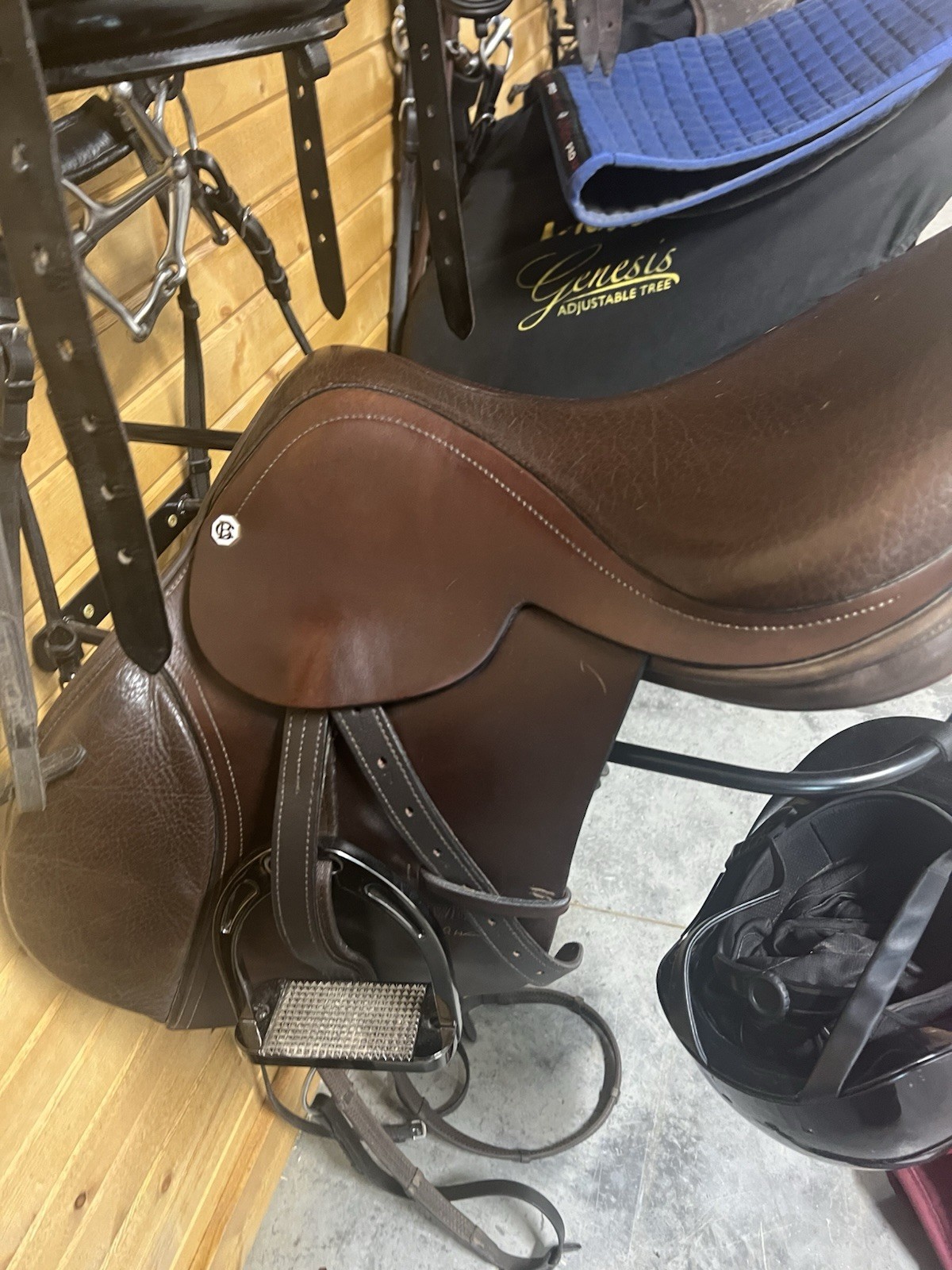
Cliff Barnsby is a sensible pick when a flat-backed horse is the fitting context and the rider wants an English close-contact jumping saddle. The brown finish and suede trim provide clear product-specific details, while the saddle is described as comfortable for that use. Stirrups and stirrup leathers may be included, which can simplify the equipment choice. The limitation is its used condition, plus the stated history of shoulder pinching after the horse became bigger and more muscled. That makes the fit clue important: it is a focused match for the described horse shape, not a reason to assume it will suit every horse.
Butet Close Contact Jump Saddle 16-inch Seat Standard Tree
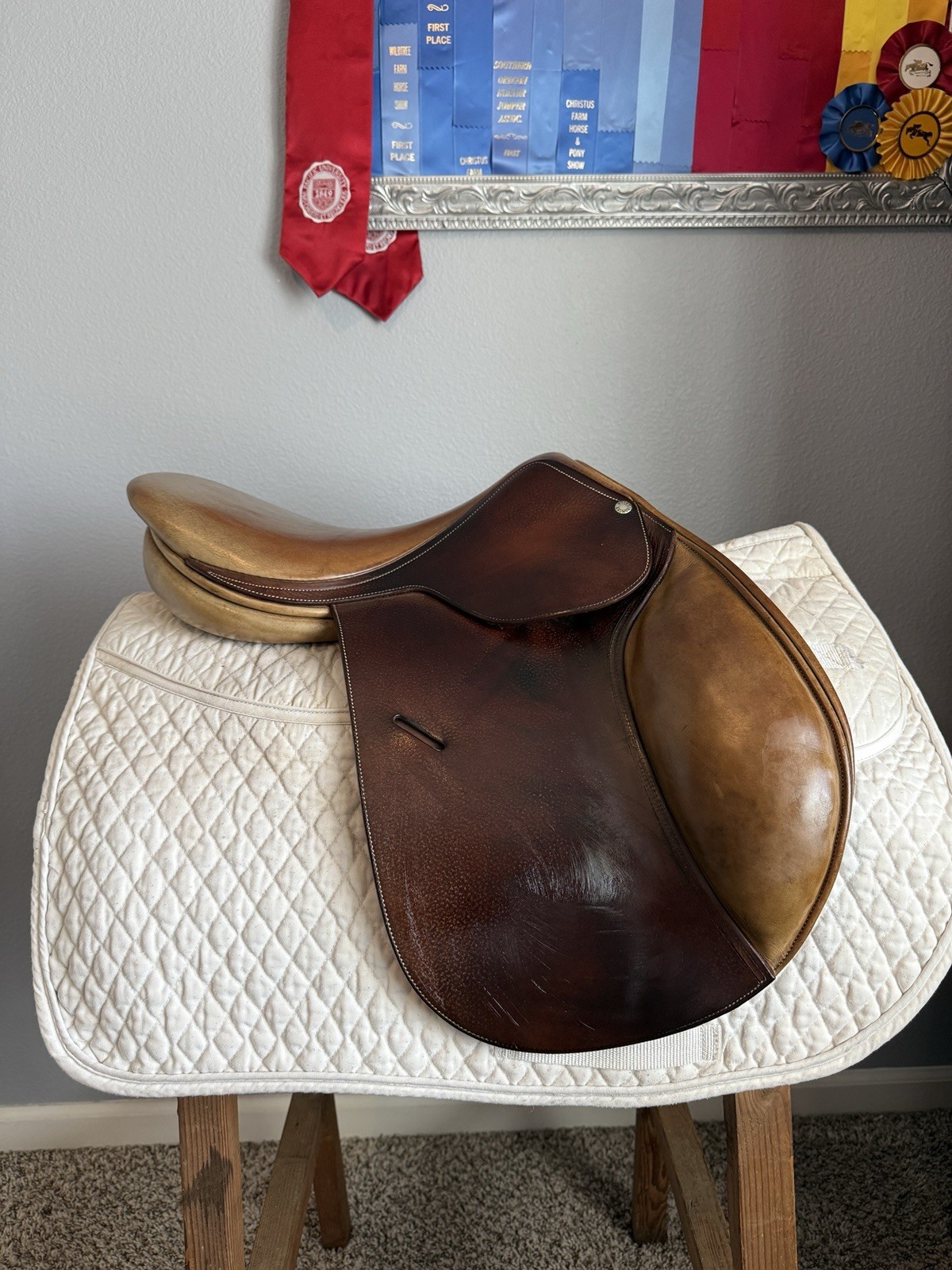
Butet appeals to a rider who prioritizes carefully described leather and finishing details in a close-contact jumping saddle. The brown saddle has supple, well-cared-for leather and includes a Butet cover; its knee rolls and panels are described as well flocked, and the tree is described as being in excellent shape. Those details give it a clear reason to choose: the saddle has a defined configuration with several condition details already addressed. Its limitation is the used condition, so the leather and panel description should be weighed alongside that status. The 16-inch seat and Standard Tree remain the central fit parameters for this choice.
English Jumping Saddle Close Contact 16-inch Horse Tack
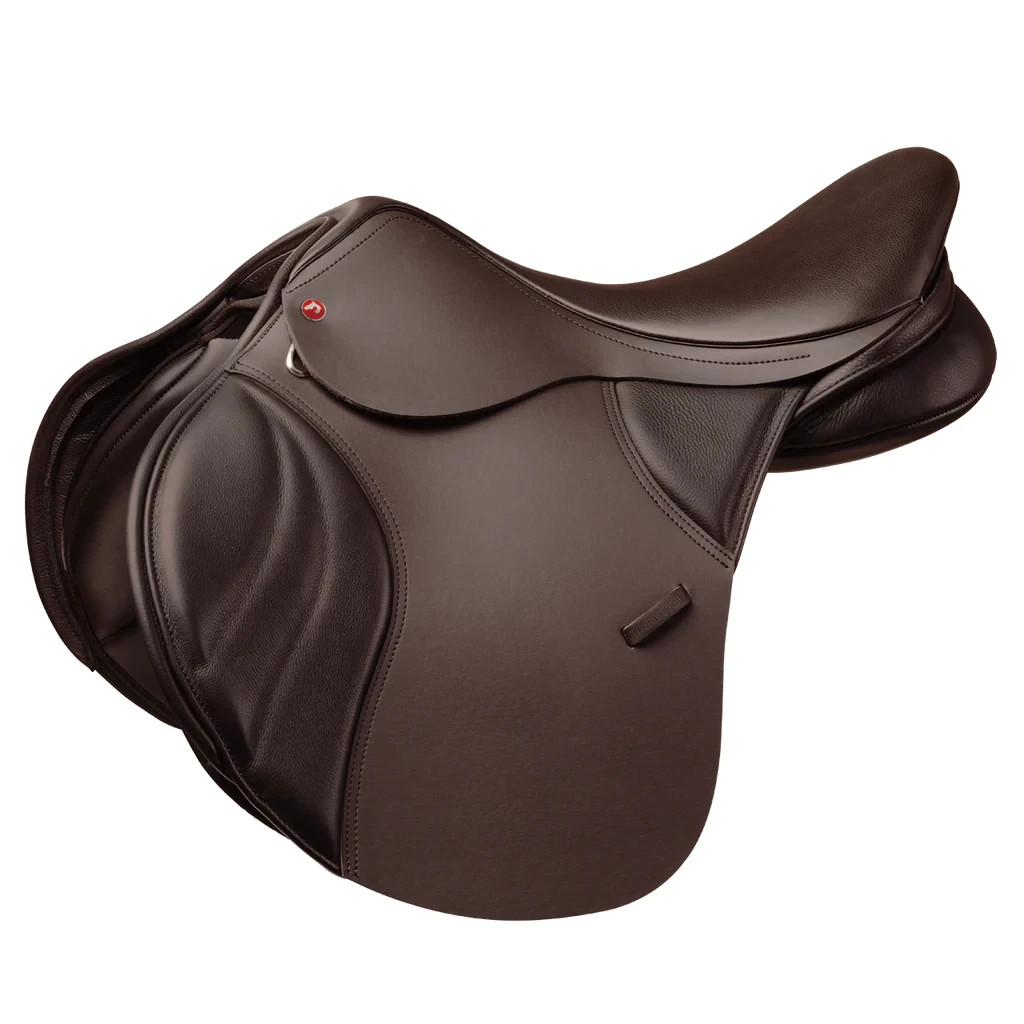
English Jumping Saddle Close Contact 16-inch Horse Tack fits a shopper seeking a new English jumping saddle built around leather, a padded seat, knee rolls, and a forward-flap design. Model T-131 and the traditional saddle design provide specific identifiers, while durable stitching and a lightweight strong tree round out the construction. The reason to choose it is the concentration of jumping-oriented details in a new-condition saddle. The limitation is the focused English jumping and close-contact format, which is less directly aligned with someone shopping for dressage or western riding. The 16-inch seat remains a key fit parameter.
Bates Caprilli Close Contact 18-inch
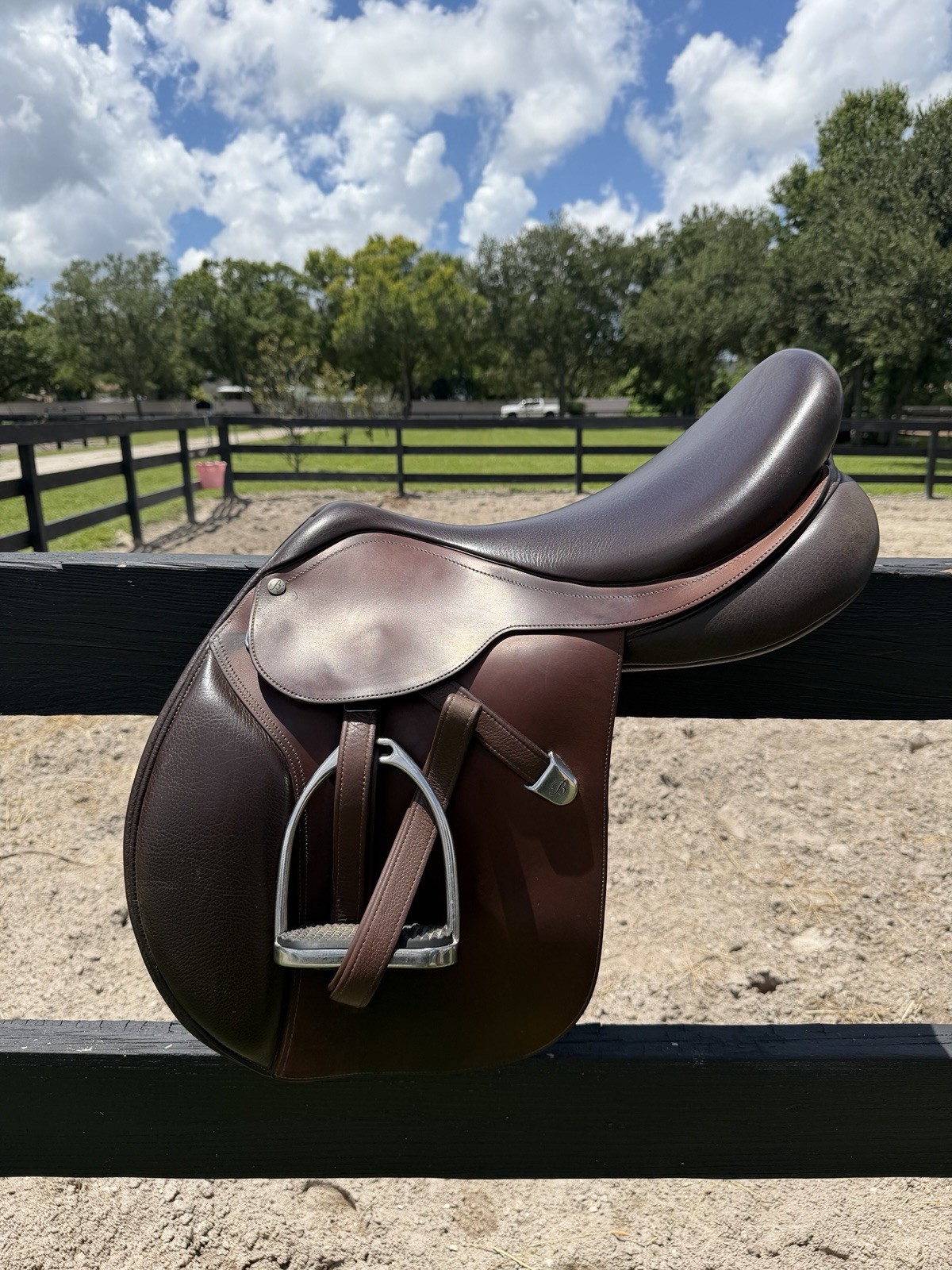
Bates Caprilli suits someone who prefers a monoflap design and wants the Easy Change Gullet System included with the saddle. The 18-inch seat and brown color are clear identifiers, and the saddle is in used condition. The main reason to choose it is the combination of a specific model, a defined construction feature, and a clearly named configuration. Its limitation is the $1,650 listed price, the highest in the comparison; shoppers focused on the lower end have three other prices to weigh. The included gullet system adds a notable configuration detail, but it does not replace the need for an appropriate horse-and-rider fit.
Final recommendation by use case
- For the lowest listed price: choose the Cliff Barnsby at $350 if the flat-backed-horse fit context and used condition suit the purchase.
- For a defined 16-inch Standard Tree setup: choose the Butet Close Contact Jump Saddle.
- For English jumping rather than dressage or western riding: choose the English Jumping Saddle Close Contact 16-inch Horse Tack, model T-131.
- For a monoflap saddle: choose the Bates Caprilli Close Contact.
The practical tie-breaker is fit, not the longest feature list. Use the exact seat and tree details where they matter, keep the discipline aligned with the saddle format, and treat included tack or a gullet system as part of the configuration rather than a substitute for correct horse-and-rider fit.