Choosing running watches & heart-rate gear is really a choice between an all-in-one wrist device and a more focused arm-worn sensor. The Garmin Forerunner 235 and CYCPLUS H1 both address heart-rate tracking, but they serve different purchase briefs. One is explicitly a running watch; the other is explicitly a heart-rate monitor armband. The right pick depends on whether the watch format or sensor format is the point.
Quick verdict
For a watch-centered run routine, Garmin is the direct match. For an arm-worn accessory centered on wireless heart-rate data, CYCPLUS is the more focused match. Garmin is priced at $59.40 and CYCPLUS at $22.47, a $36.93 spread. The Garmin description pairs its running-watch format with wrist-based heart-rate monitoring, while CYCPLUS lists Bluetooth 5.1 and ANT+ in its armband title. That is the meaningful dividing line: choose based on the device's role rather than assuming a numeric specification alone makes one option superior.
Listed-price and feature comparison
| Comparison point | Garmin Forerunner 235 | CYCPLUS H1 Heart Rate Monitor Armband |
|---|---|---|
| Listed price | USD 59.40 | USD 22.47 |
| Body area and format | Wrist; GPS running watch | Arm; heart-rate monitor armband |
| Listed connections and features | GPS; heart rate monitor | Bluetooth 5.1; ANT+; waterproof; rechargeable battery |
| Battery figure | Up to 7 days | Up to 110 hours |
Where each product wins
Where the Garmin Forerunner 235 wins
Garmin wins for a shopper who wants the watch to carry more than heart-rate sensing. Its attributes list distance traveled, calorie monitor, and alarm, while the operating-system entry names Android and iOS. Those details make the Forerunner 235 the more natural choice for a watch-centered routine with run-related functions gathered in the same device.
Where the CYCPLUS H1 wins
CYCPLUS wins for the shopper who prioritizes an arm-worn accessory. Its description adds an LED zone indicator and magnetic charging, giving the armband a concrete convenience angle beyond its core monitoring role. That makes it the more focused choice when a separate sensor format is preferable to buying a watch.
Product notes
Garmin Forerunner 235
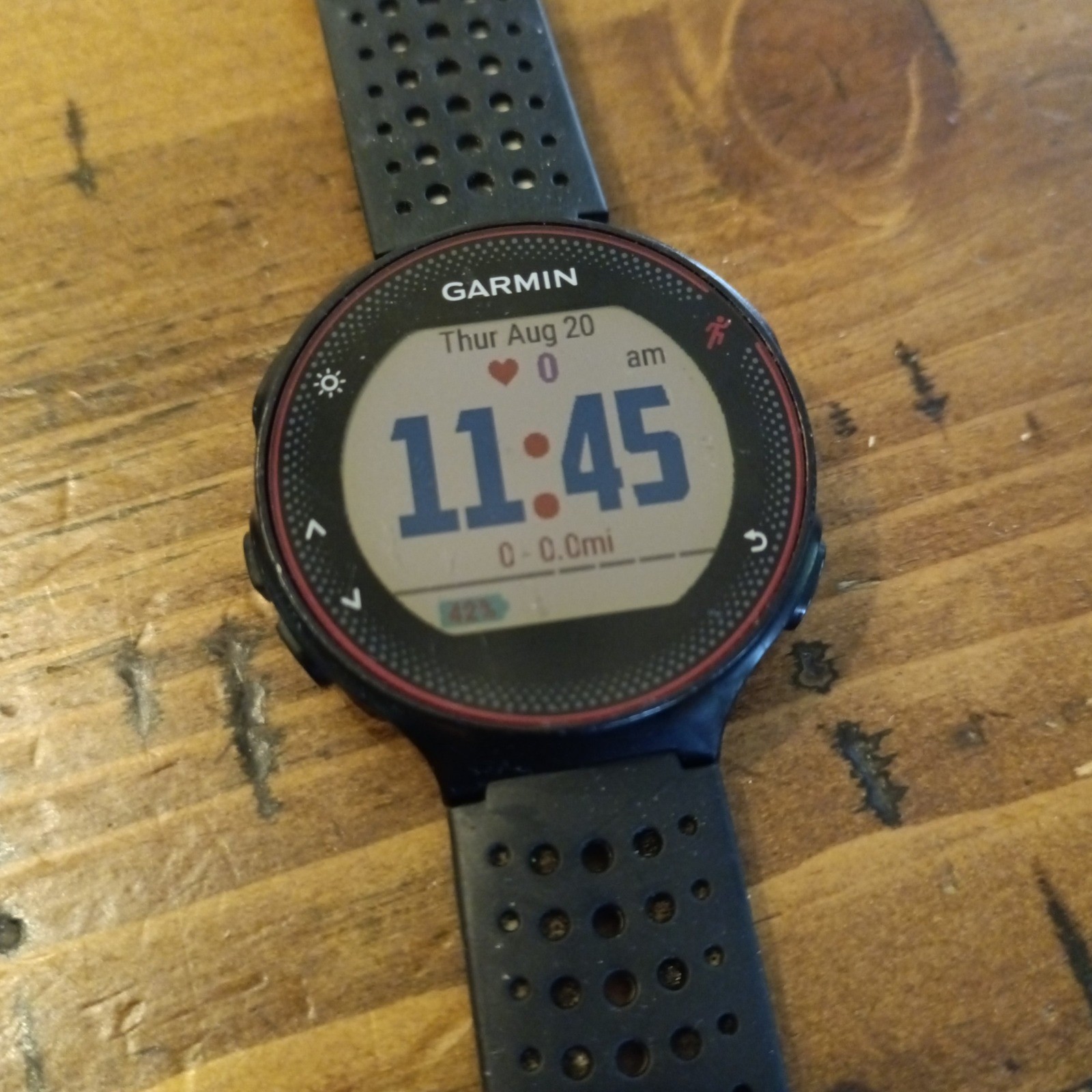
The Garmin Forerunner 235 makes sense when you want a watch-centered item with concrete run functions. Its attributes list distance traveled, calorie monitor, and alarm, while the operating-system entry names Android and iOS. Those details provide a reason to choose Garmin for a routine that values run-related information within a wrist-worn device. The limitation is specific: it is listed as used, and the description says a charging cable is not included. Visible light wear on the strap and bezel is also described. Choose Garmin when those condition details are acceptable and the watch form is the priority; the CYCPLUS format is better aligned with an armband-first brief.
CYCPLUS H1 Heart Rate Monitor Armband
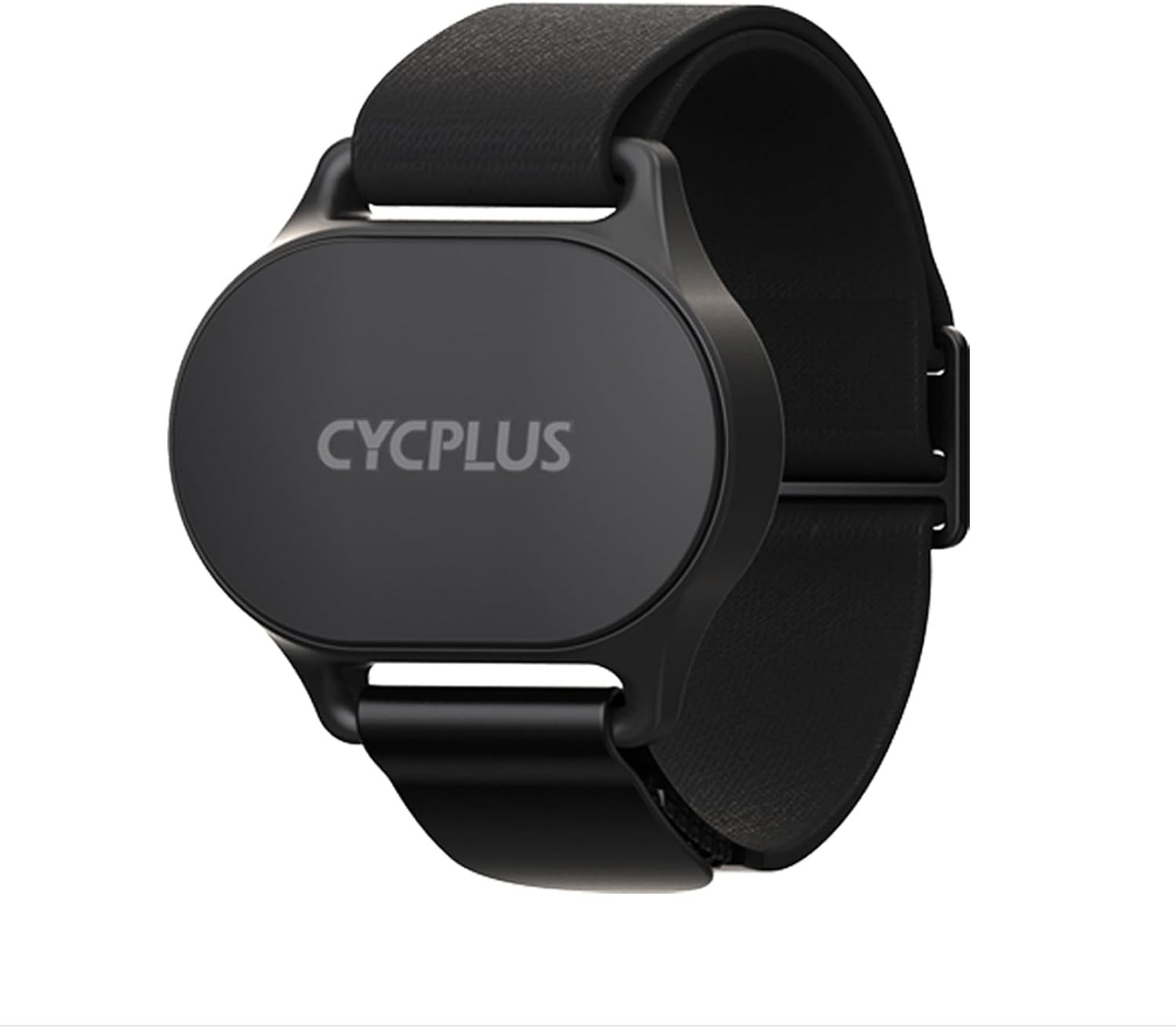
The CYCPLUS H1 Heart Rate Monitor Armband makes sense when an arm-worn accessory is the intended setup and the focus stays on heart-rate monitoring. The description adds an LED zone indicator and magnetic charging, giving it a clear reason to choose for an accessory brief. The title also uses waterproof wording. Its limitation is the product type itself: CYCPLUS is an arm-worn monitor rather than the watch format named in the Garmin title. That distinction matters if you want the device itself to be a running watch. Choose CYCPLUS when the armband language matches your needs; choose Garmin when the watch format is central.
Final choice by use case
- Choose Garmin Forerunner 235 when the product phrase GPS Running Watch matches the job and you want the watch format to lead the decision.
- Choose CYCPLUS Heart Rate Monitor Armband when the product phrase Heart Rate Monitor Armband matches the job and the arm-worn format is the point.
The listed-price difference is $36.93. Garmin is the watch-centered answer; CYCPLUS is the focused armband answer. The choice is about the role you want the device to play.