Choosing among climbing harnesses, ropes & quickdraws gets harder when two rope options are aimed at different jobs. The key is to match the rope's listed construction and intended use to your task, rather than treating every climbing-rope label as interchangeable. This comparison puts the work-oriented Uimoso rope against the visibility-oriented Reflective rope.
Quick verdict
Uimoso is the pick for extended-length work and explicit load figures; Reflective is the pick for a short static format with reflective fluorescent stranding. A $13.99 listed-price gap separates them, so the decision comes down to task range and rope specifications versus a compact, visibility-focused setup.
Listed-price and feature comparison
| Detail | Uimoso Arborist Rope | Reflective 25 ft Rock Rope |
|---|---|---|
| Listed price | $25.99 | $12.00 |
| Rope format | Arborist tree climbing rope | Static rope |
| Length | 120 ft / 36.57 m | 25 ft |
| Construction | Double-braid polyester; 48-strand outer layer | Double braided; solid core |
| Visibility | Orange + black | Bright orange; reflective fluorescent stranding |
Where each product wins
- Uimoso wins on work-oriented versatility. Its description names outdoor adventures, securing equipment, construction projects, and bundling cargo. It also supplies explicit breaking-strength and safe-working-load figures for shoppers who need concrete load numbers to consider.
- Reflective wins on visibility details and the lower listed price. Bright orange color is paired with reflective fluorescent stranding, which is specifically tied to nighttime visibility when light hits it. That makes its distinguishing feature easy to identify before choosing.
Product notes
Uimoso Arborist Tree Climbing Rope
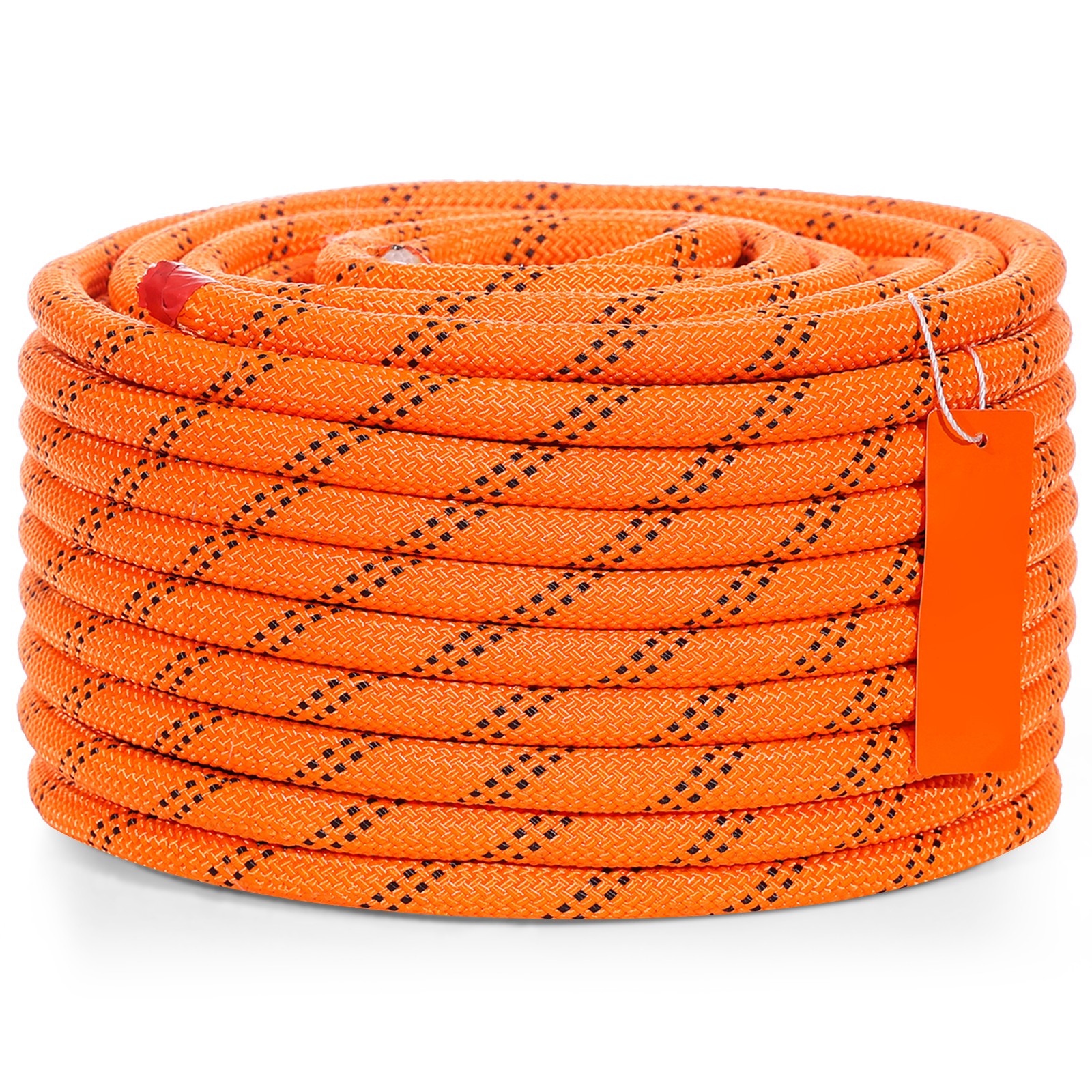
Uimoso's arborist/tree climbing wording is a strong reason to choose it for the outdoor and work-oriented tasks named in its description, including securing equipment, construction, and bundling cargo. The double-braid polyester build adds a concrete construction detail, while the 48-strand outer layer and orange-and-black color distinguish its format. It also gives you explicit 8,000 lb/35.58 kN breaking-strength and 1,200 lb/5.34 kN safe-working-load figures to consider. The limitation is that its identity is tied to an arborist/tree climbing rope, so it is not the same format as a short static rock rope. Choose Uimoso when those named tasks and load figures matter; choose the Reflective rope when its visibility treatment is the priority.
Reflective 25 ft Rock Climbing Rope
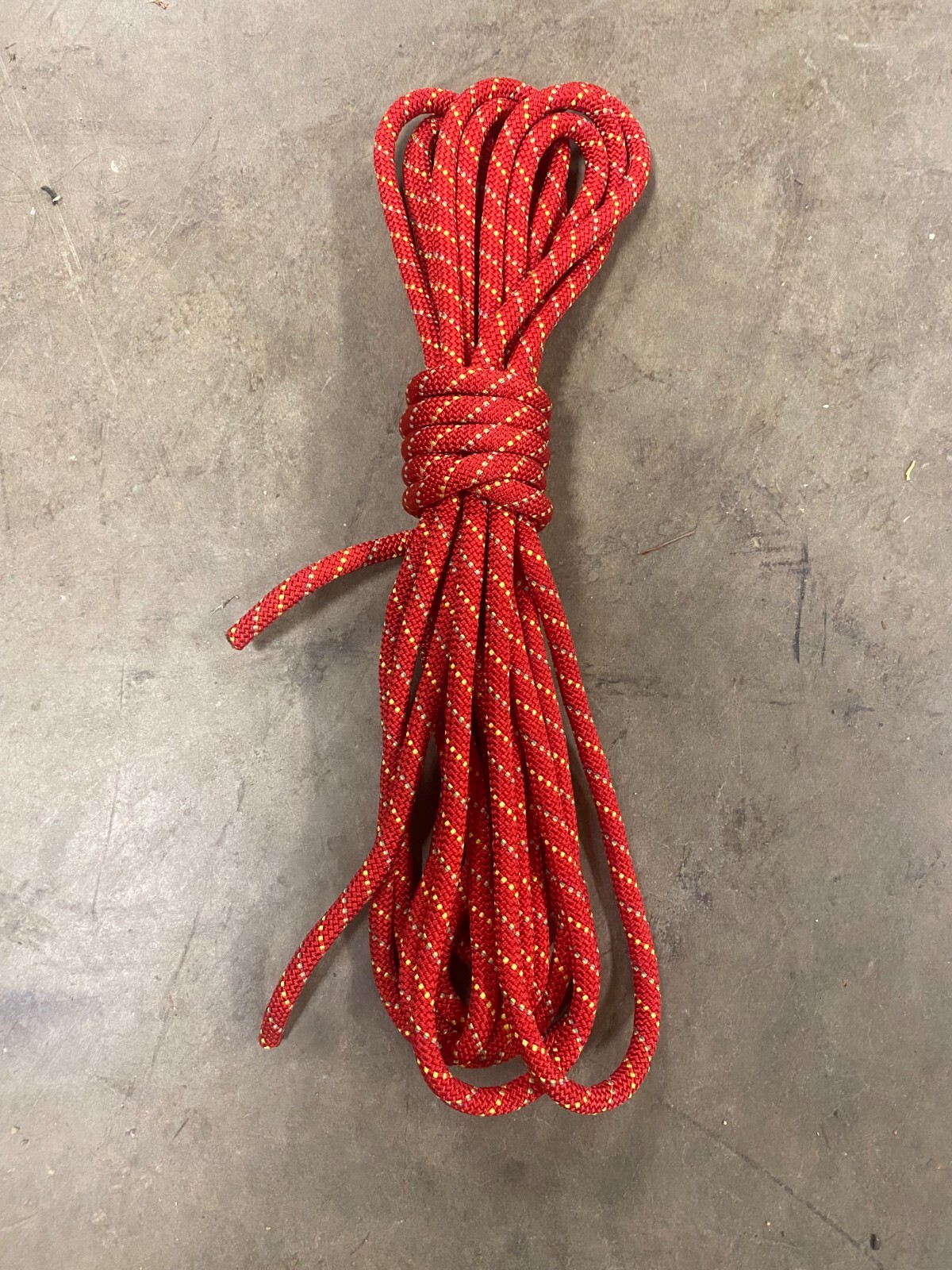
Reflective is the clearer choice when the job calls for a short static rope with visual cues. Its bright orange color is paired with reflective fluorescent stranding, which the description connects to nighttime visibility when light hits it. The solid-core, double-braided construction and 10 mm size give the rope a defined physical format rather than a general-purpose description. The limitation is reach: its compact format is less suited to tasks that depend on the extended length associated with Uimoso. Its title also centers the product on a reflective rock-rope presentation, while Uimoso is framed for arborist/tree climbing work. Pick Reflective when static construction and visibility lead the brief; Uimoso is the more direct match for the longer work-oriented use cases.
Final choice by use case
- Outdoor adventure, equipment securing, construction, or cargo bundling: Pick Uimoso Arborist Tree Climbing Rope. Those are the tasks named for it, and the double-braid polyester construction plus explicit load figures make its purpose easier to match to a work-oriented brief.
- A short static rock-rope setup with visibility cues: Pick Reflective 25 ft Rock rope. Bright orange and reflective fluorescent stranding are the deciding attributes when the rope should stand out in daylight or provide visibility when light hits it.
- If neither use case decides it: Compare the formats first. Uimoso carries the arborist/tree climbing designation, while Reflective carries the static-rope and reflective-rock wording. That distinction is more useful than treating the two as interchangeable.