Photos from current listings. Actual item, color, and included accessories may vary.
Scuba Diving Regulator Buying Guide
A scuba diving regulator is the life-support system that reduces high-pressure tank air to breathable ambient pressure, and its durability hinges on first-stage architecture (balanced piston vs. balanced diaphragm), second-stage valve design, and material grade. The decisive rule: buy a balanced, sealed first stage and a pneumatically balanced second stage from a serviceable brand, and skip unbalanced, vintage, or unbranded hookah kits for any dive where reliability matters.


At a glance
- Category
- BCD & Dive Regulators
- Data updated
- Nov 16, 2026
Current offers
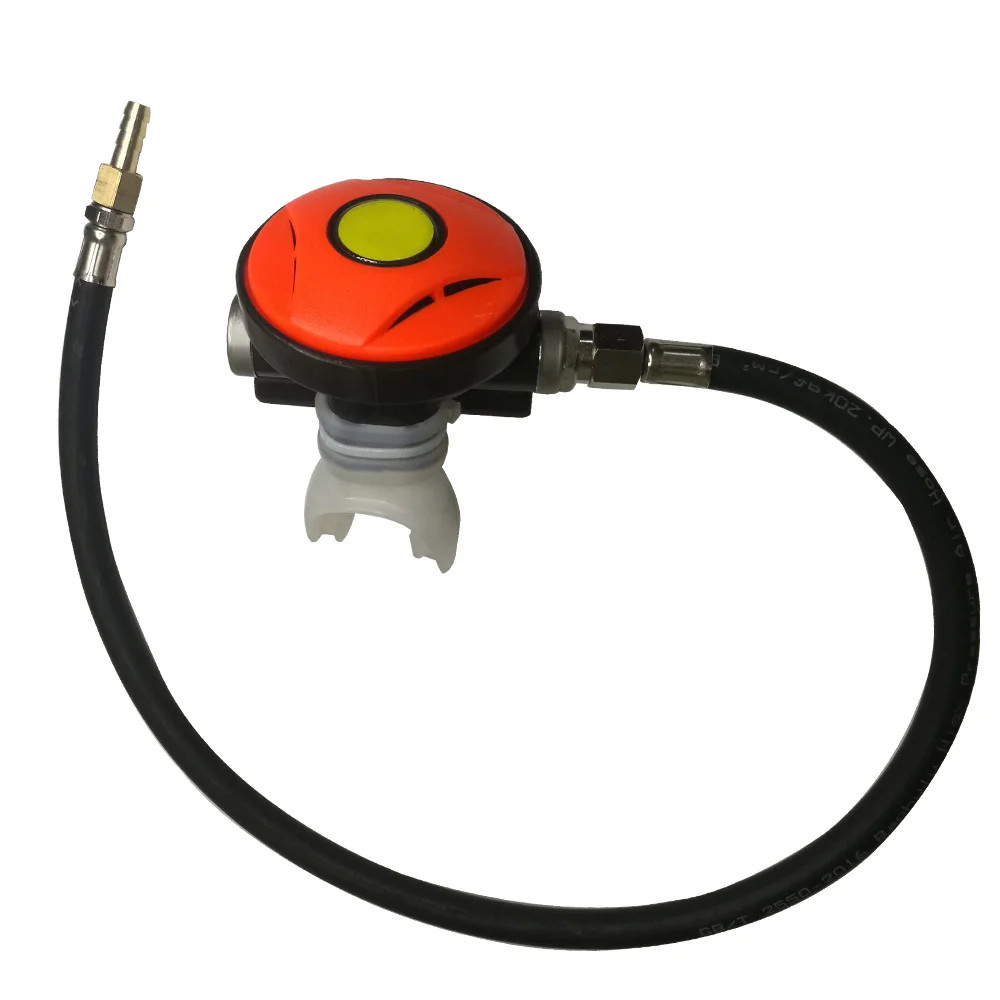 Scuba diving Regulator 2nd Stage Regulator Octopus With Mouthpiece$37.88
 View on eBay
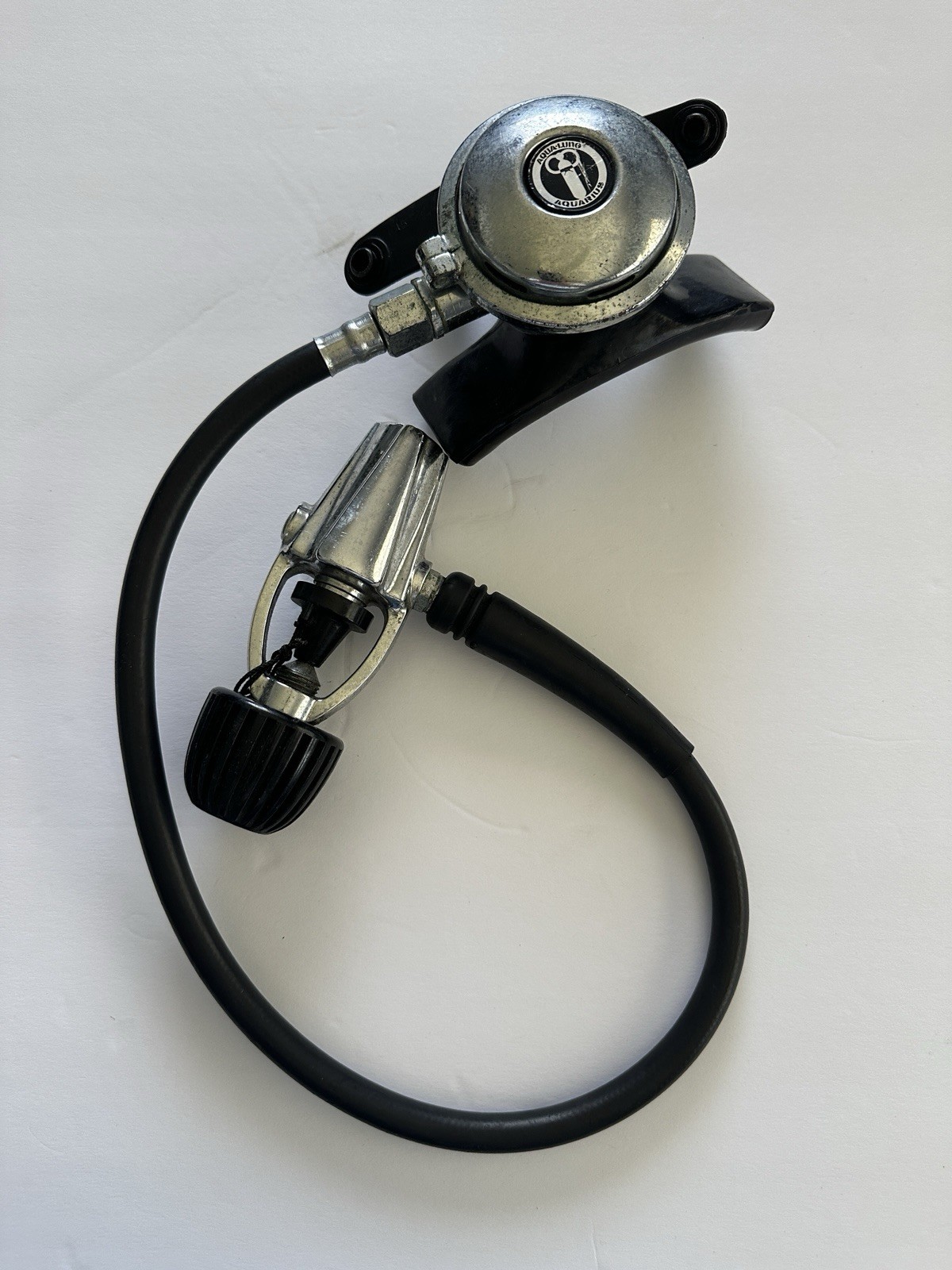 Aqua Lung Scuba Diving Regulator Aquarius Vintage 652191 Water Sports Gear Seas$54.95View on eBay
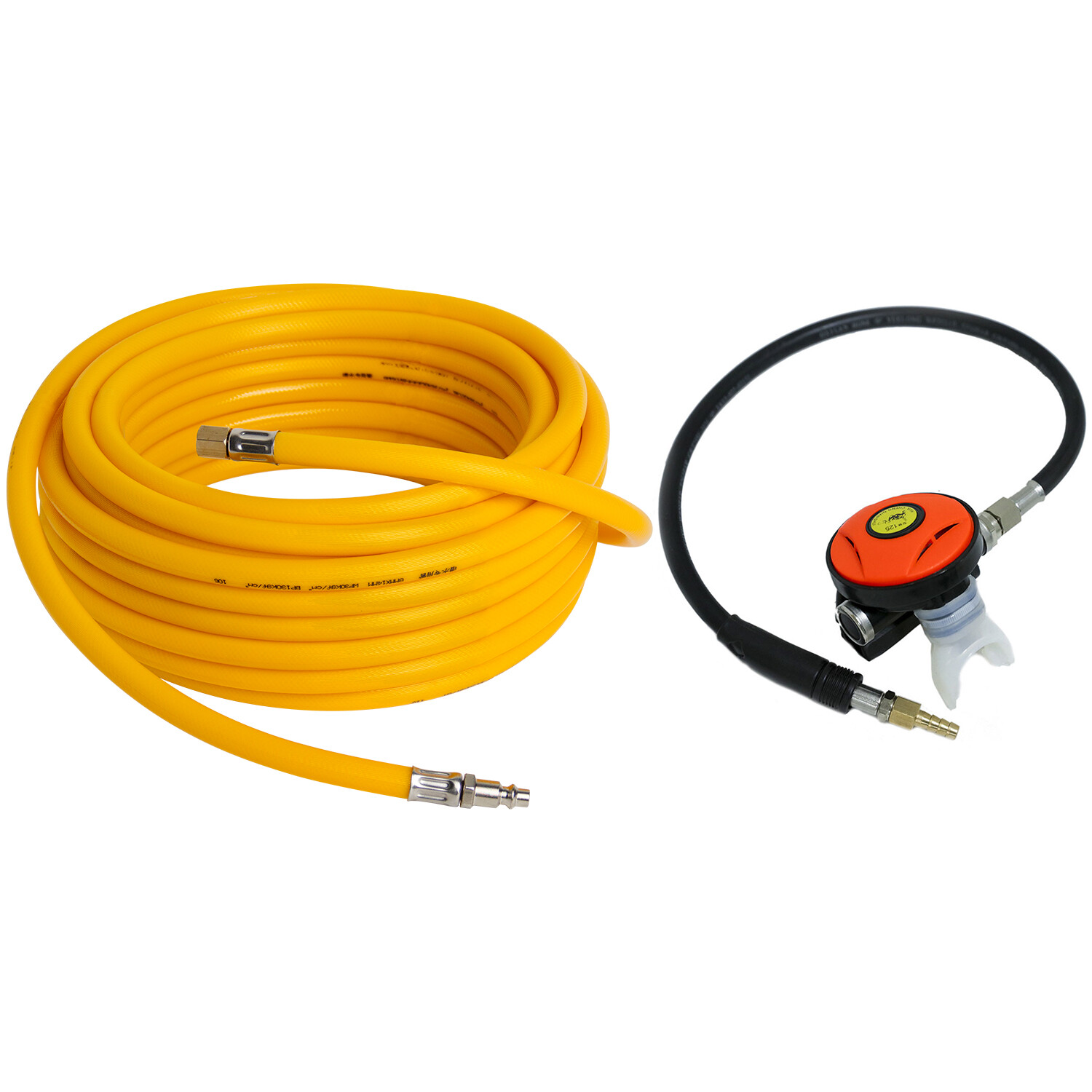 15-50m Hose Explorer Scuba Diving Regulator Scuba Hookah Air Breathing Hose Kit$78.99View on eBay
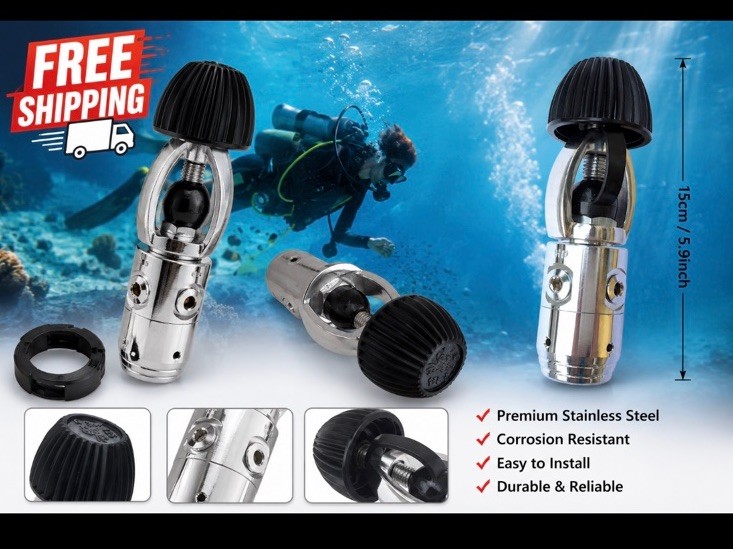 Scuba Diving Regulator First Stage Dive Regulator High Performance$79.00View on eBay
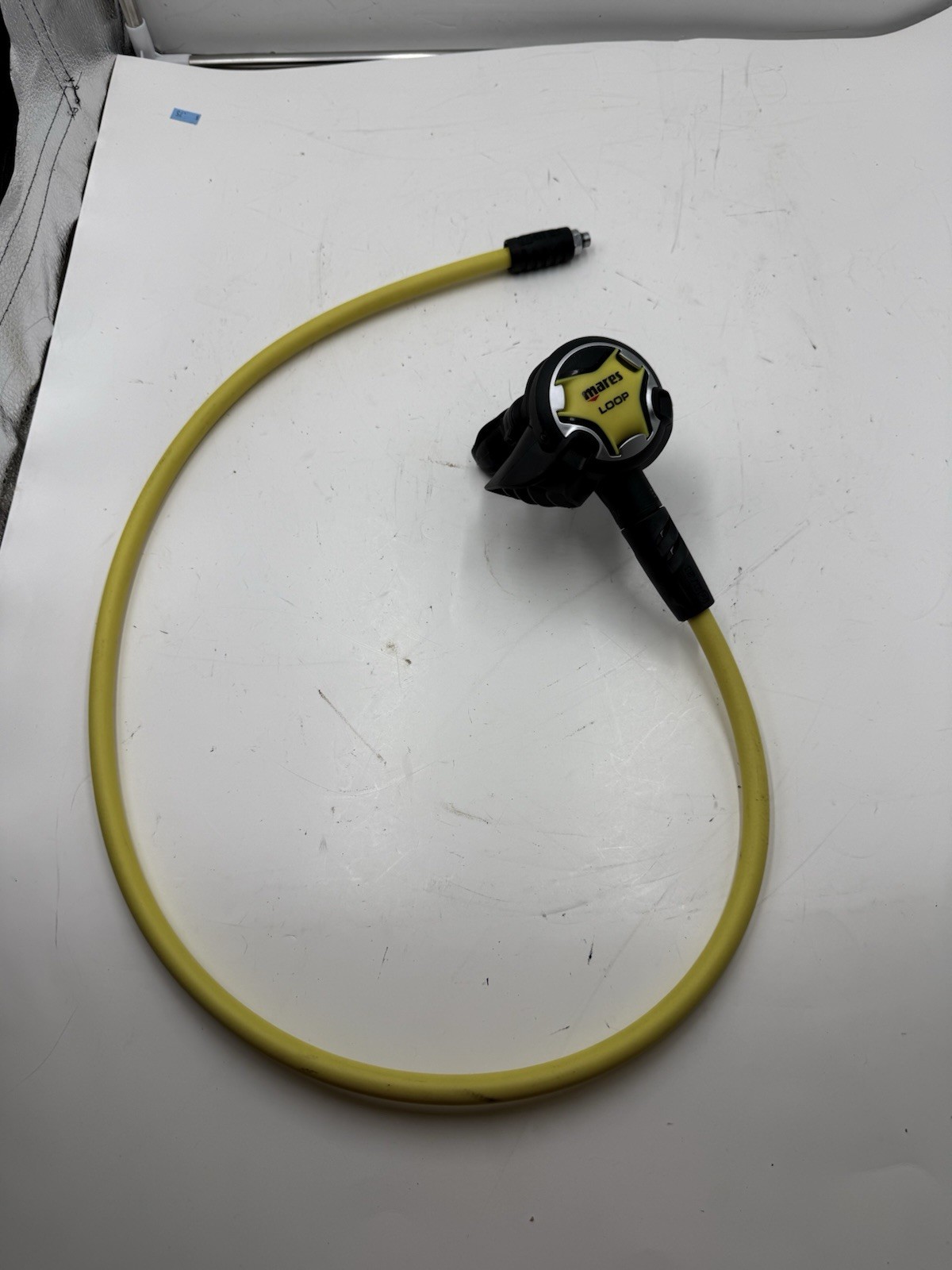 Mares Loop Octopus Durable Lightweight Second Stage Scuba Diving Regulator$79.99View on eBay
 Aqua Lung Titan Scuba Diving Regulator$97.50View on eBay
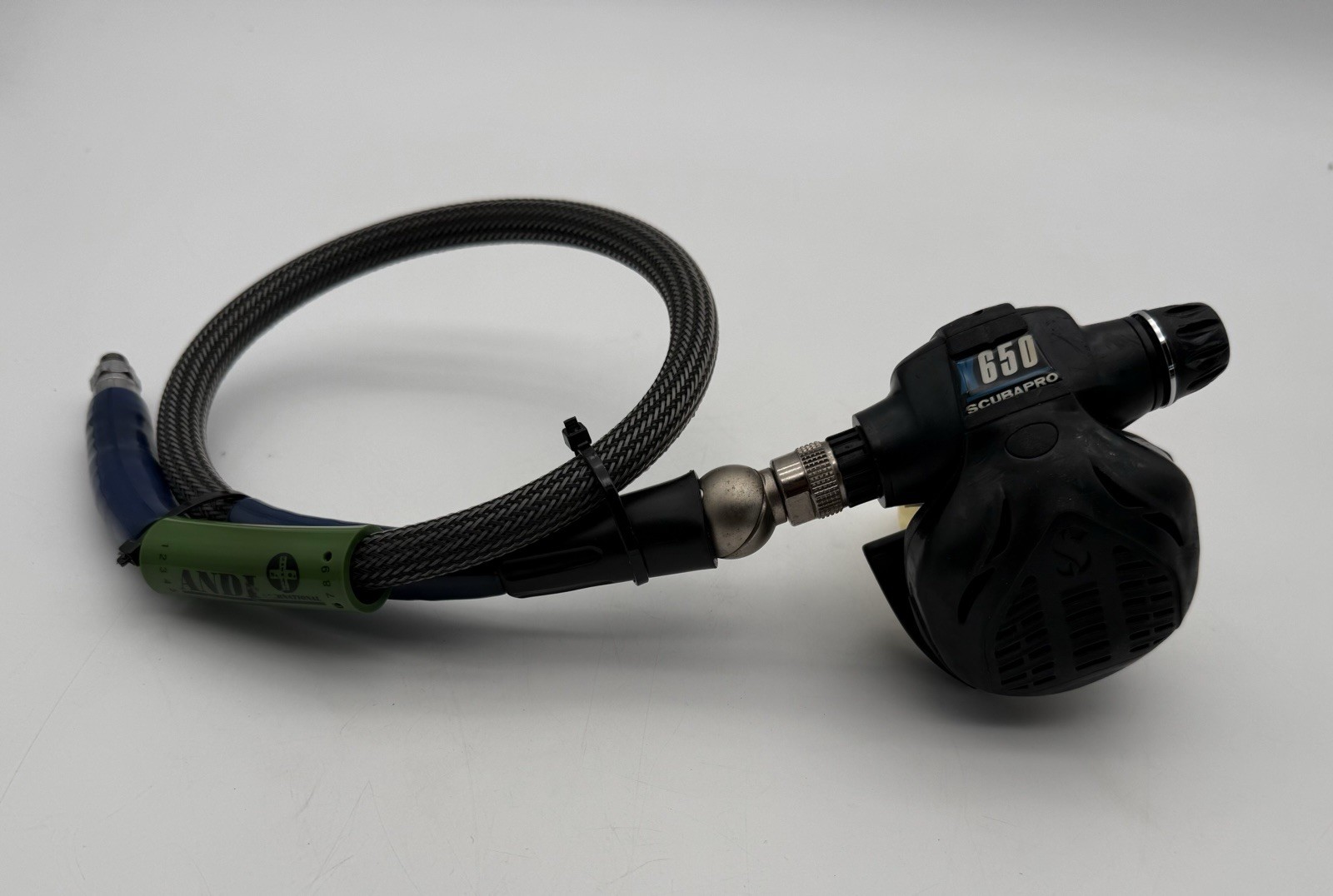 Scubapro X650 Second Stage Scuba Diving Regulator$140.00View on eBay
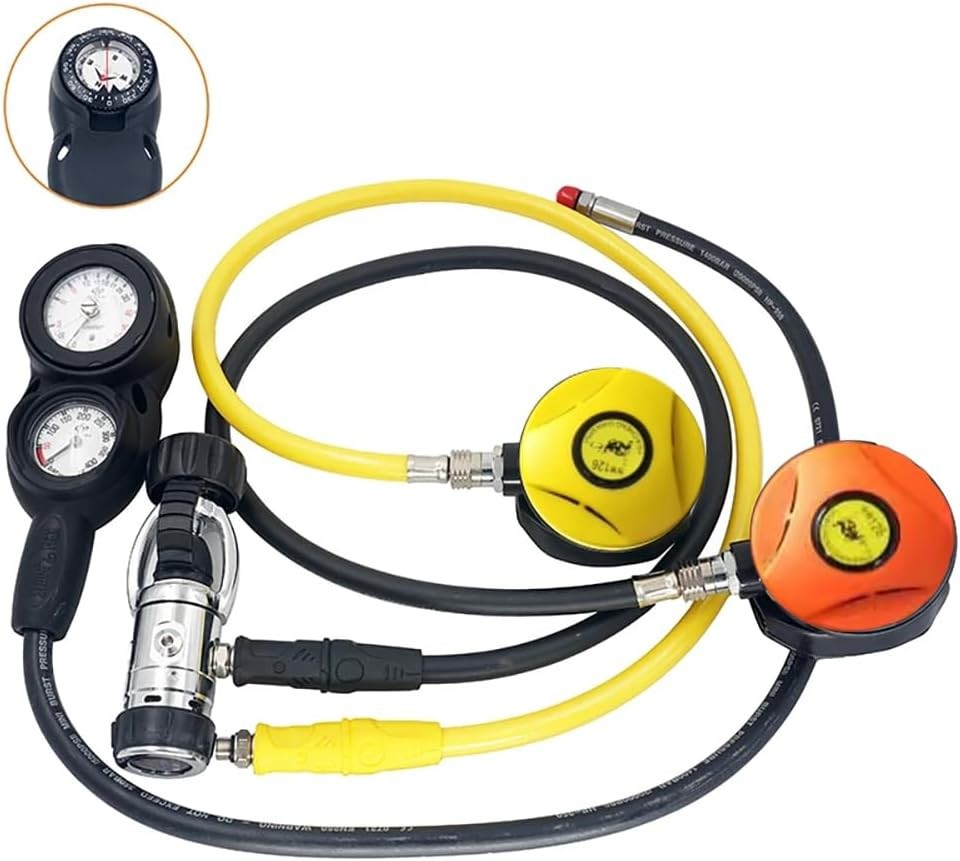 🔥🔥 Scuba Diving Regulator with 2nd Stage & Tripartite Table 🔥🔥$142.45View on eBay
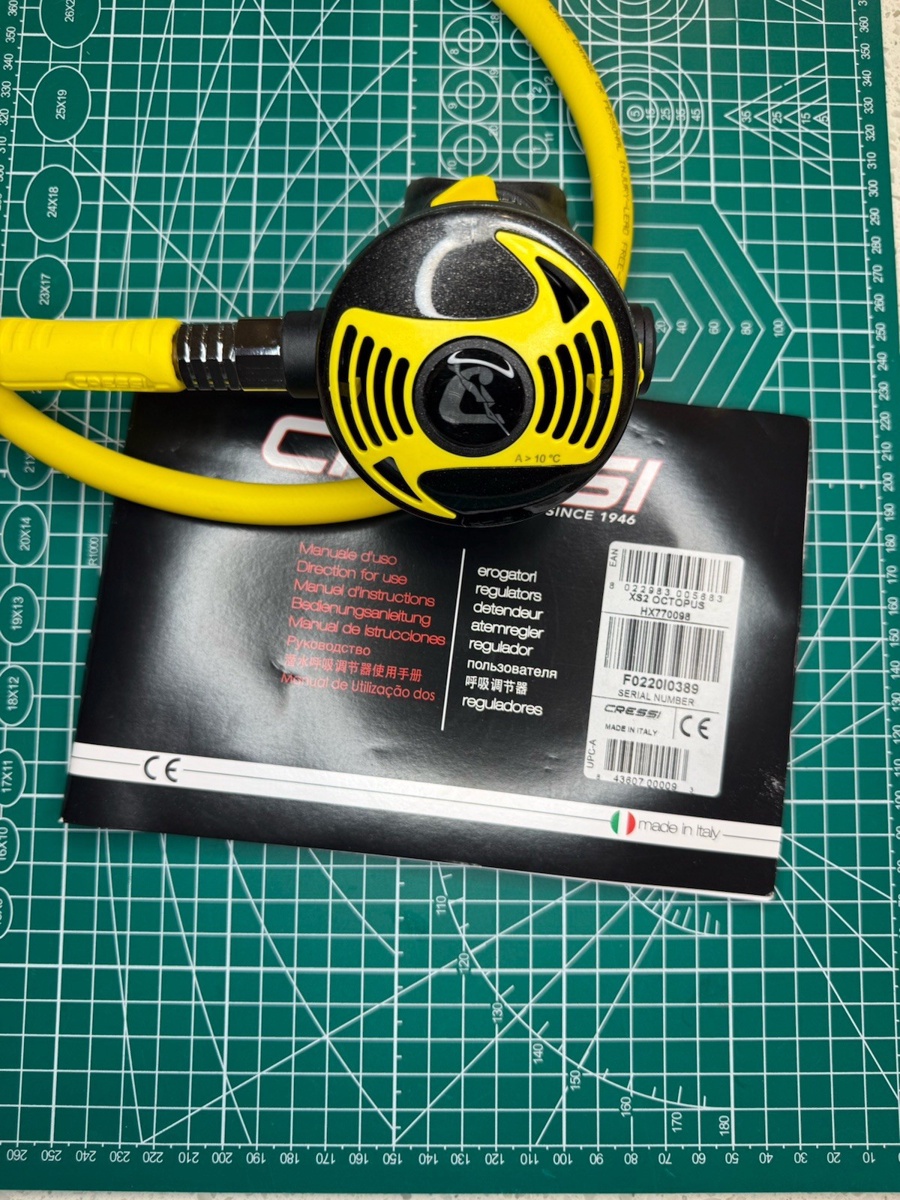 Cressi XS2 Octopus Scuba Diving Regulator w/ Octo hose- BRAND NEW$149.98View on eBay
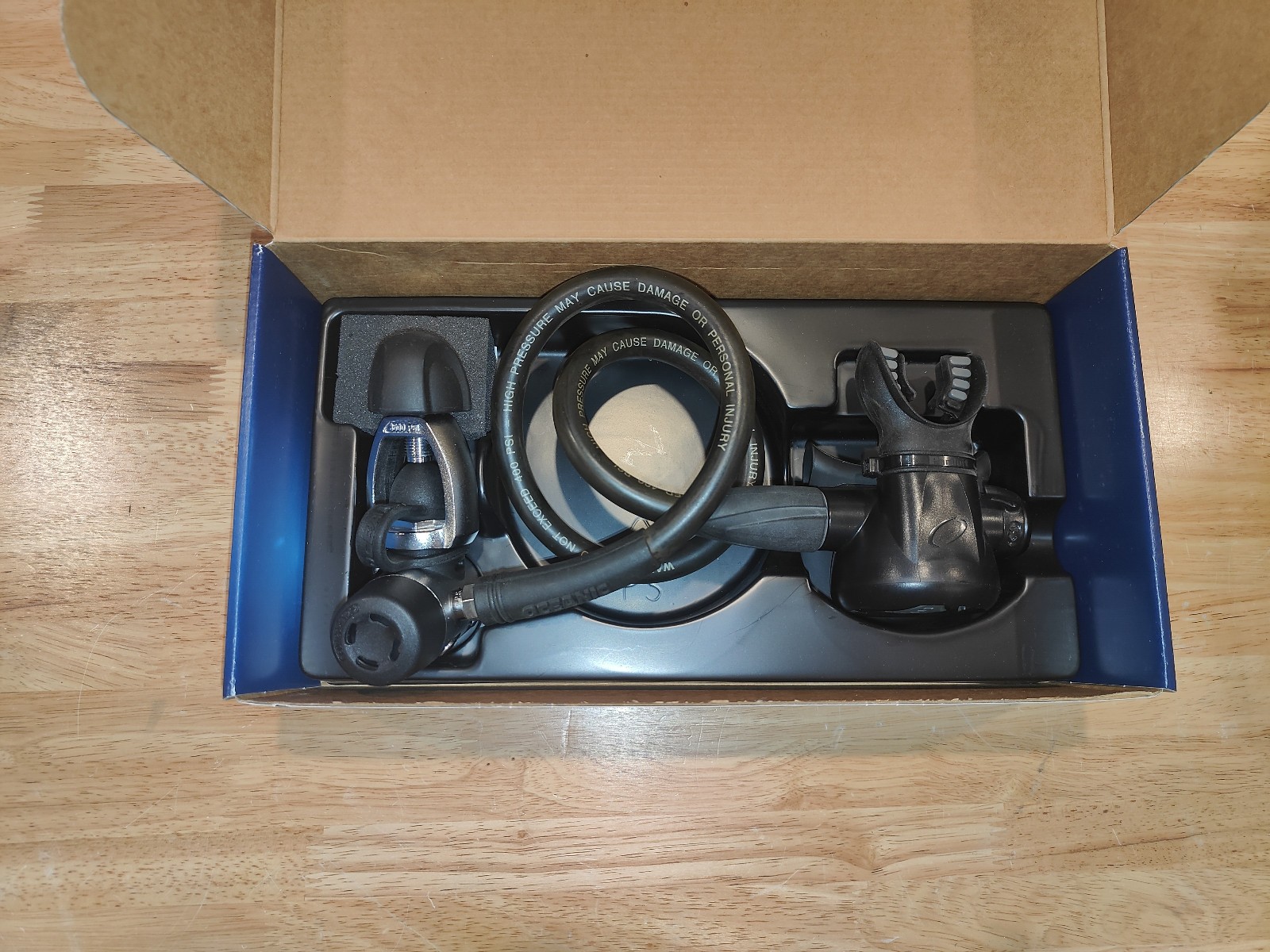 NEW IN BOX Oceanic Neo & CDX5 Scuba Diving Regulator Set 1st & 2nd Stage$199.00View on eBay
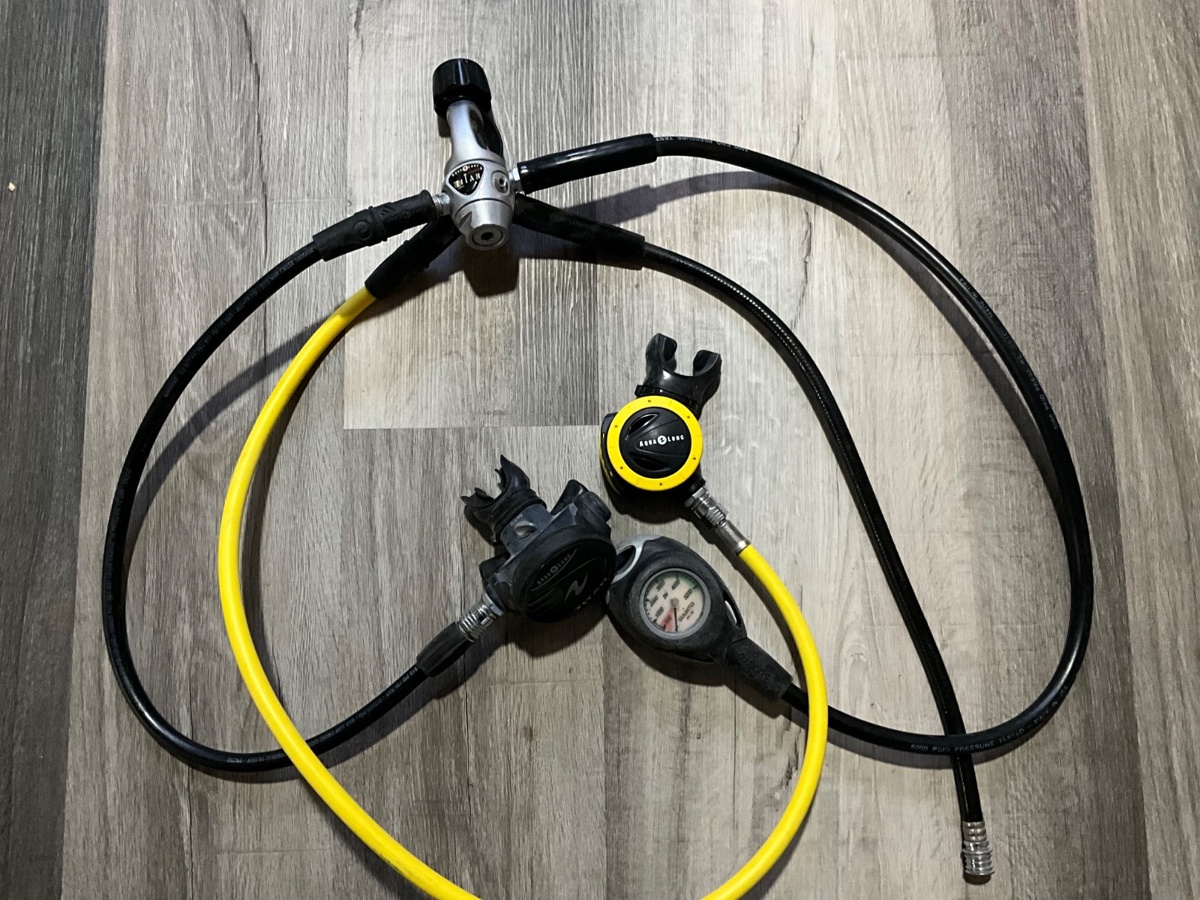 Aqua Lung Titan Dive Scuba Diving Regulator with Suunto gauges USED$225.00View on eBay
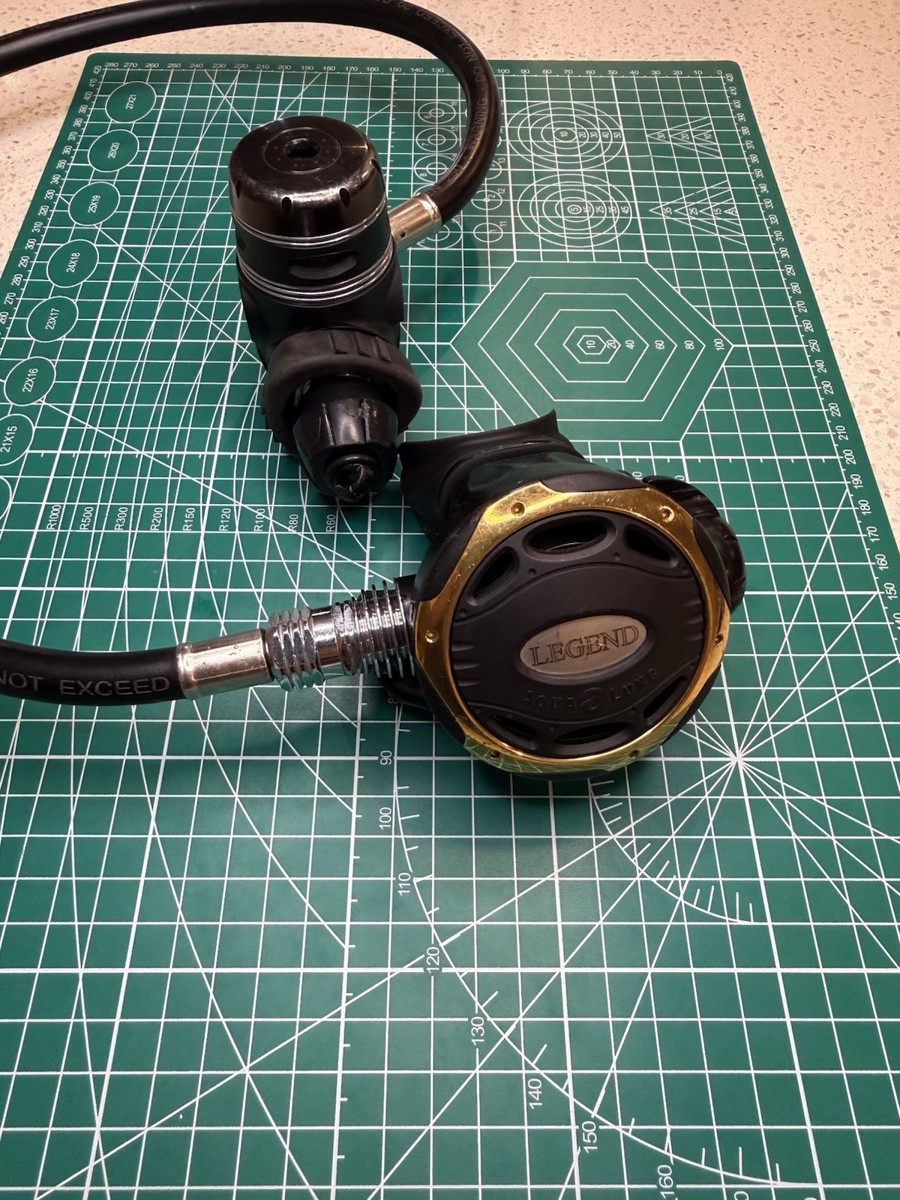 Aqua Lung Legend Scuba Diving Regulator- DIN$239.98View on eBay
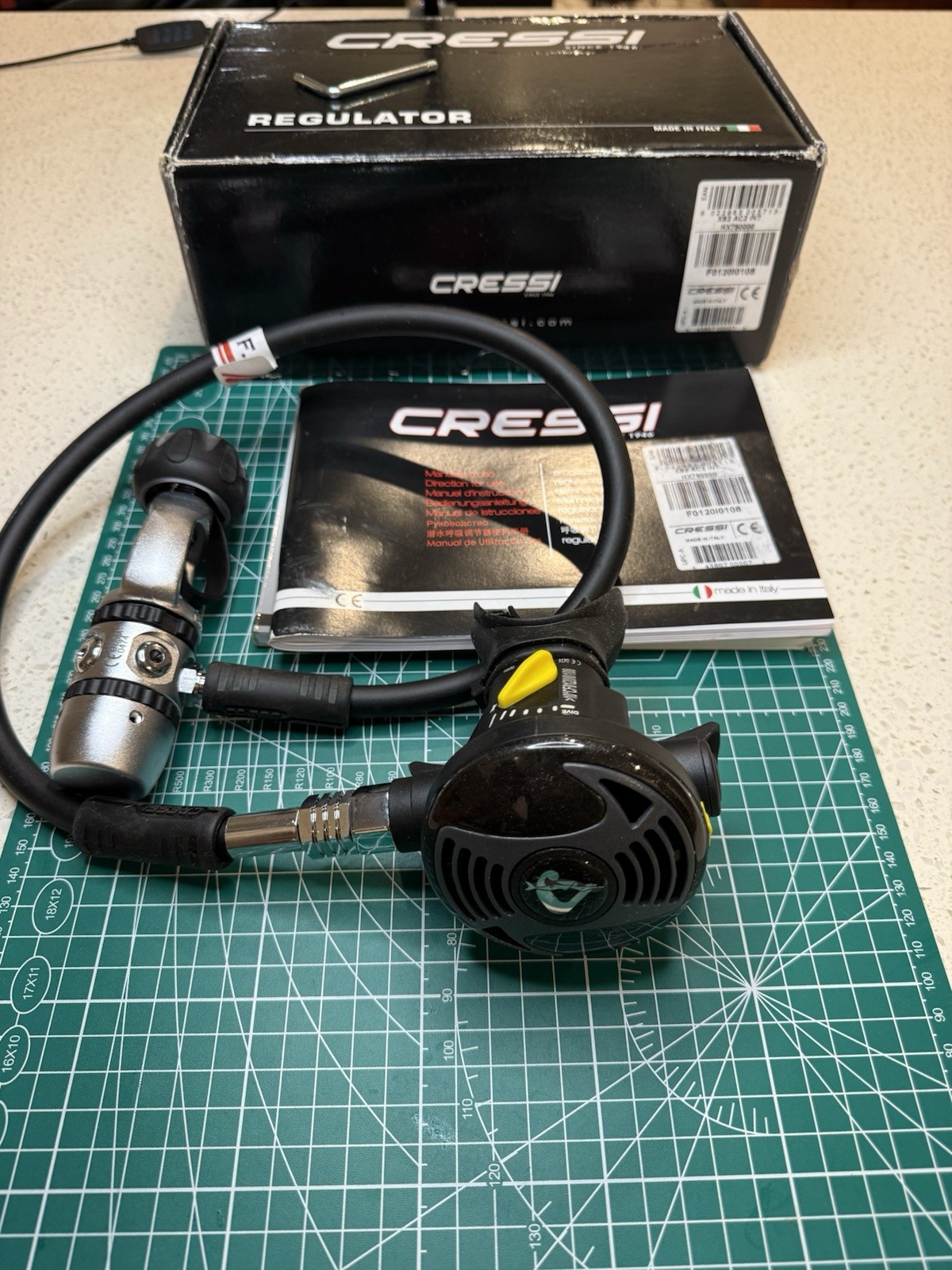 Cressi AC2/XS2 Scuba Diving Regulator-Yoke-NIB$249.98View on eBay
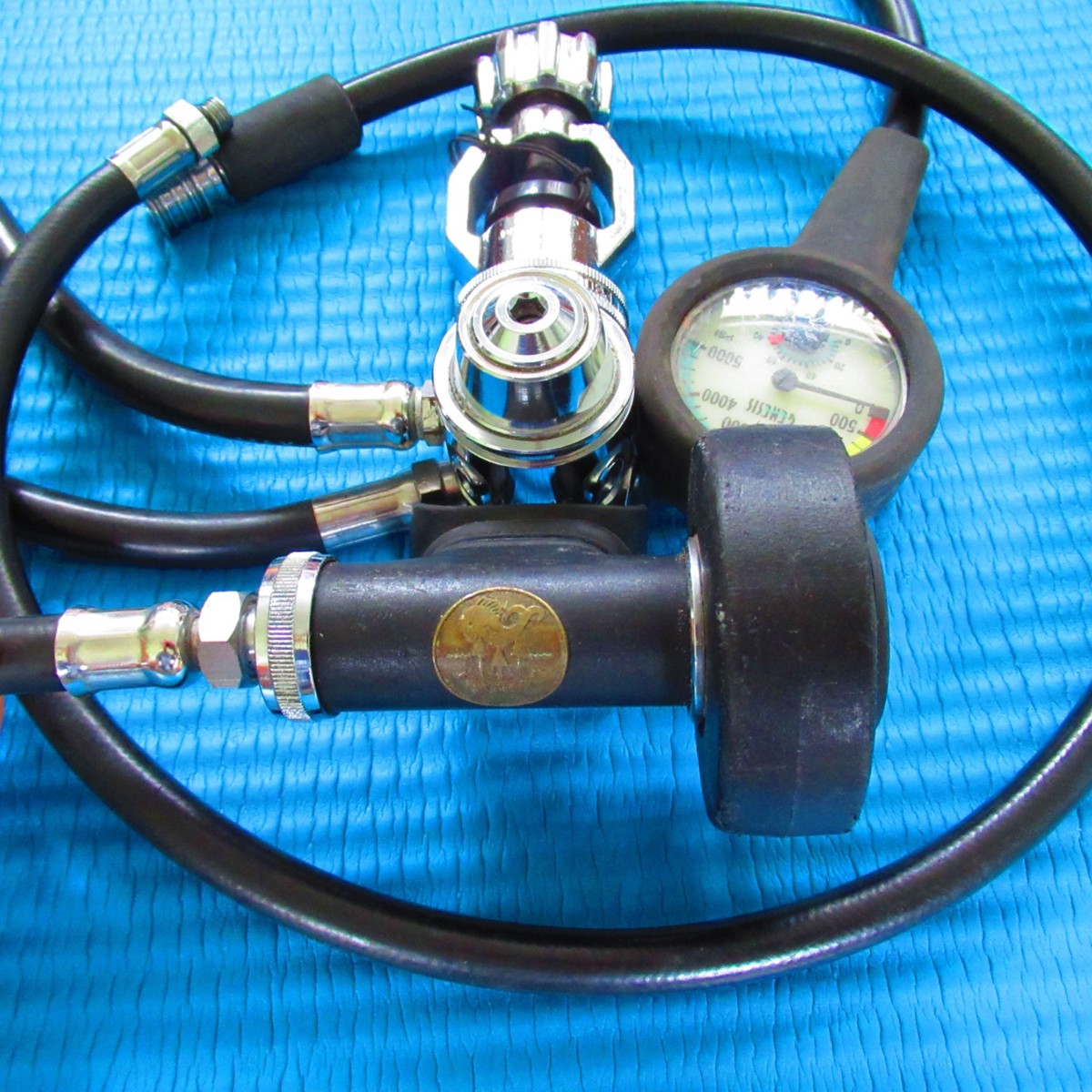 Vintage Poseidon 3960 1st Stage Scuba Diving Regulator with Cyklon 2nd Stage.$275.00View on eBay
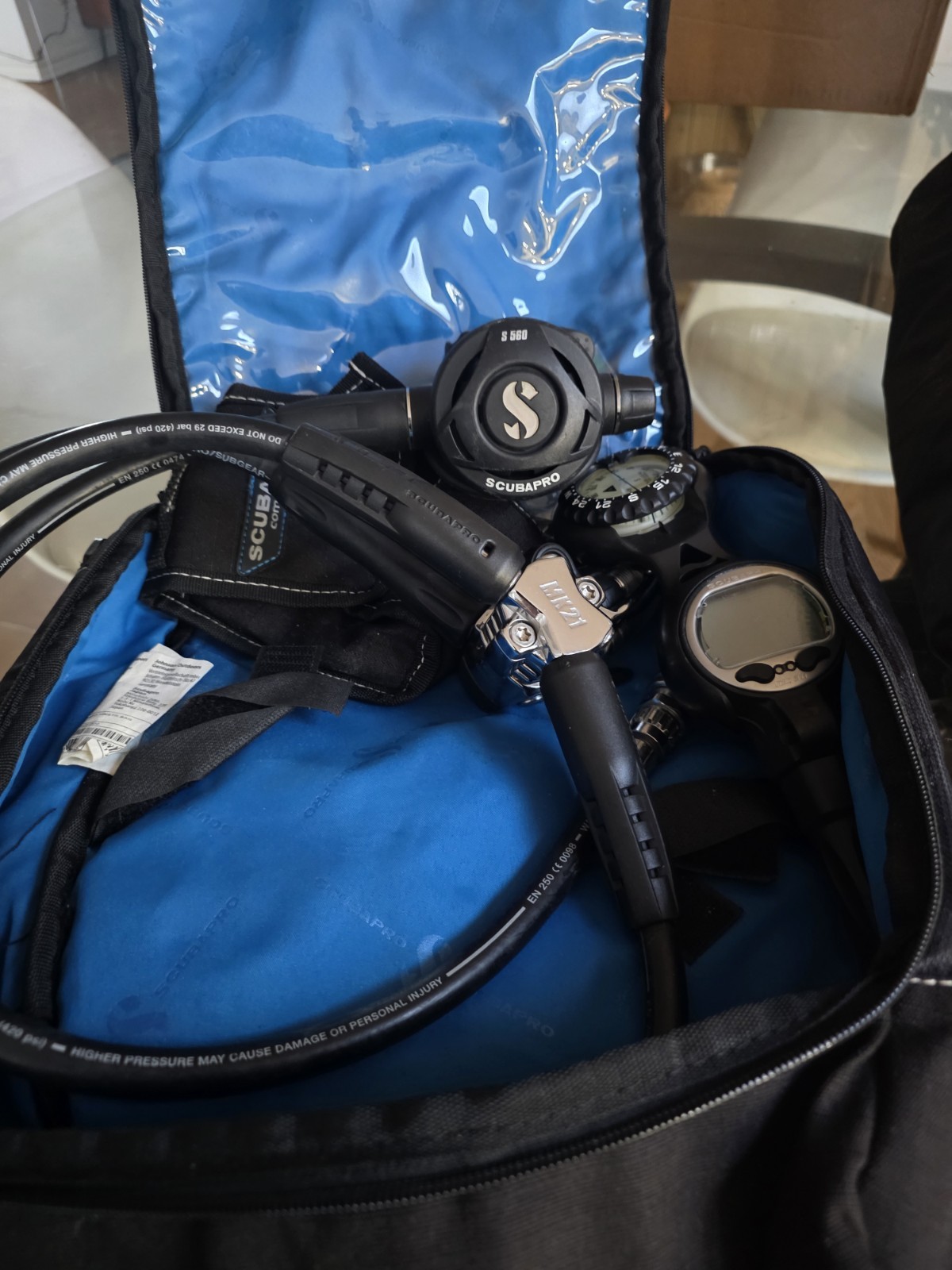 Scubapro Mk21 S560 Scuba Diving Regulator First Stage Scuba PRO Tec 3h Comput$349.00View on eBay
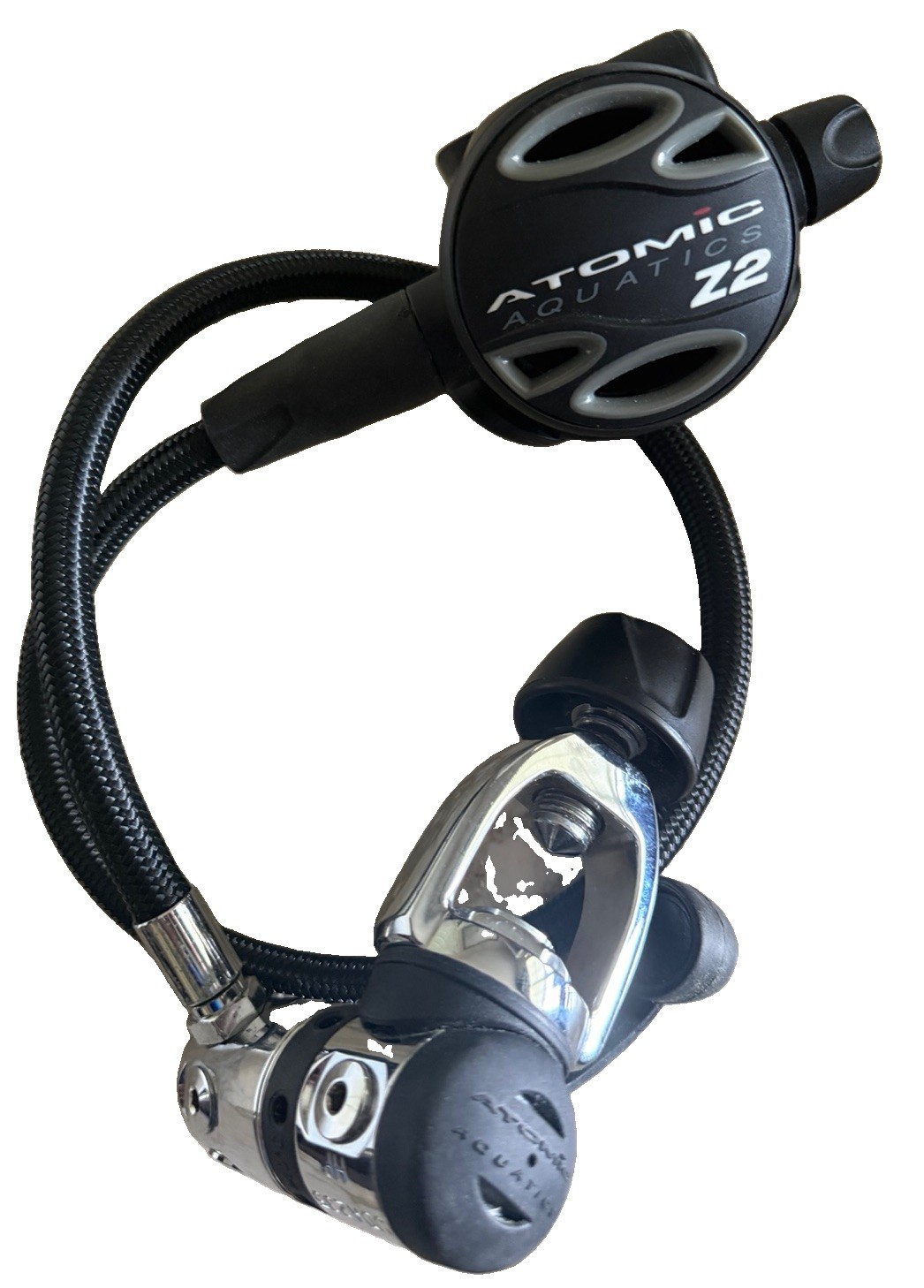 Atomic Aquatics Z2 Scuba Diving Regulator 1st & 2nd Stage Yoke Braided Hose$349.99View on eBay
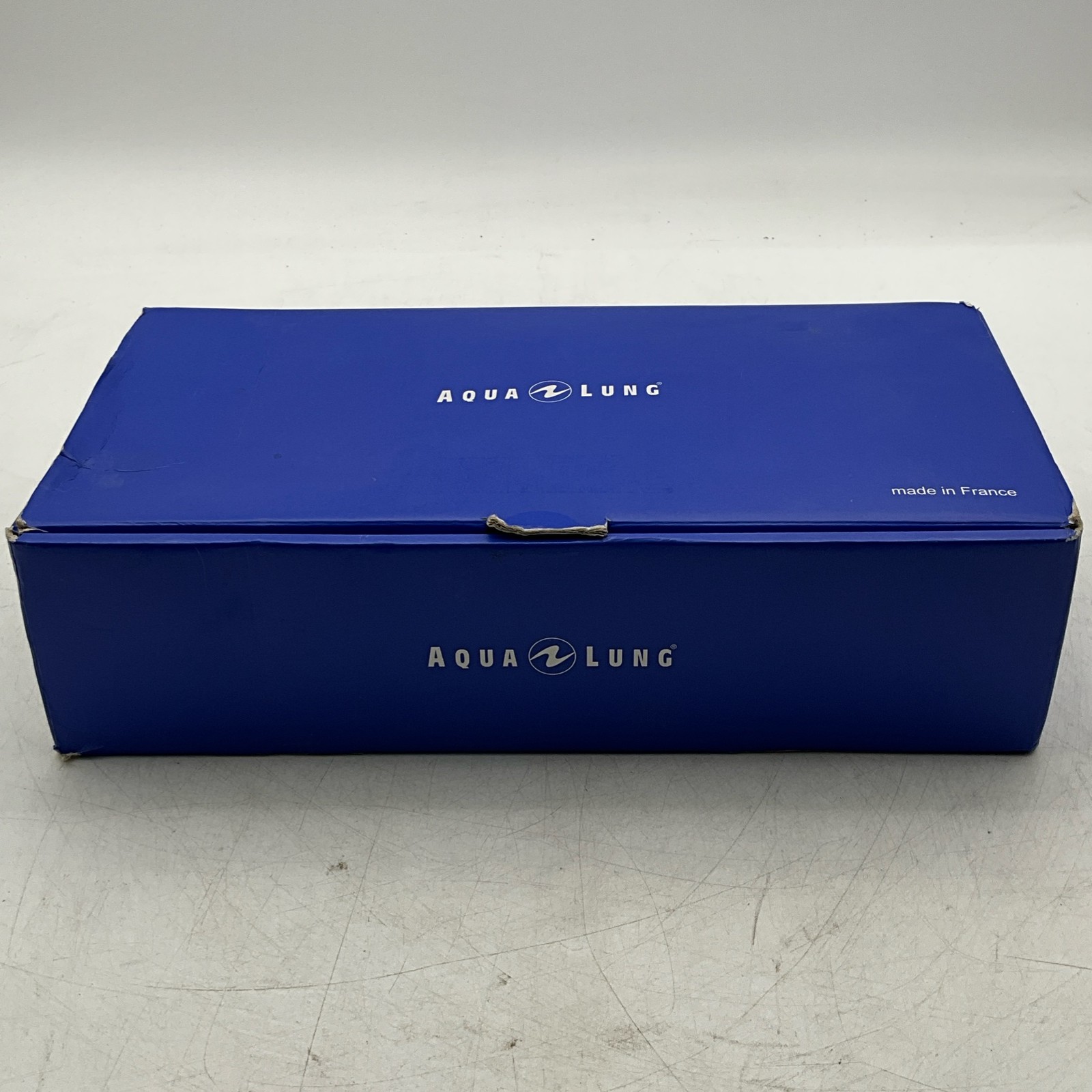 Aqua Lung 125460 Titan Scuba Diving Regulator New Read*$364.99View on eBay
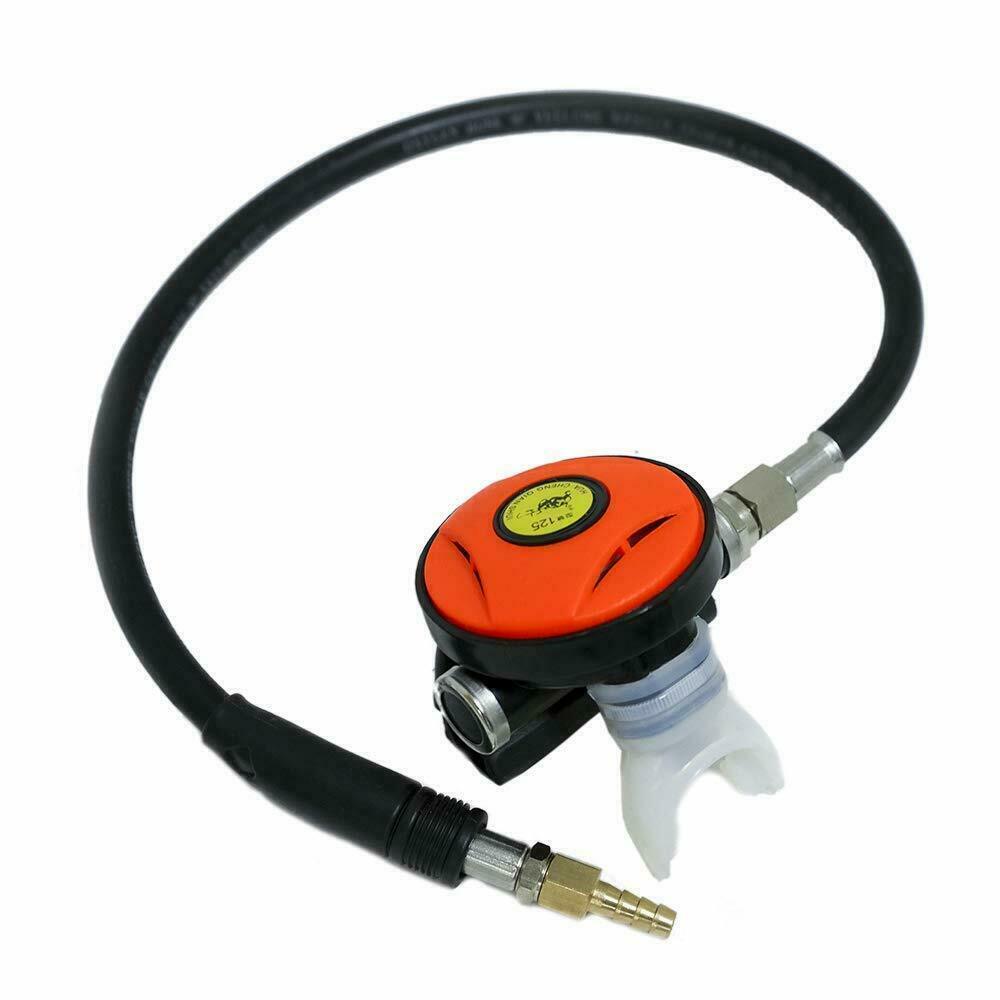 Scuba Second 2nd Stage Regulator & PVC Octopus Hookah Mouthpiece Diving Equip$35.62View on eBay
 Oceanic CDX5 Scuba Diving Yoke First 1st Stage Regulator needs service$44.99View on eBay
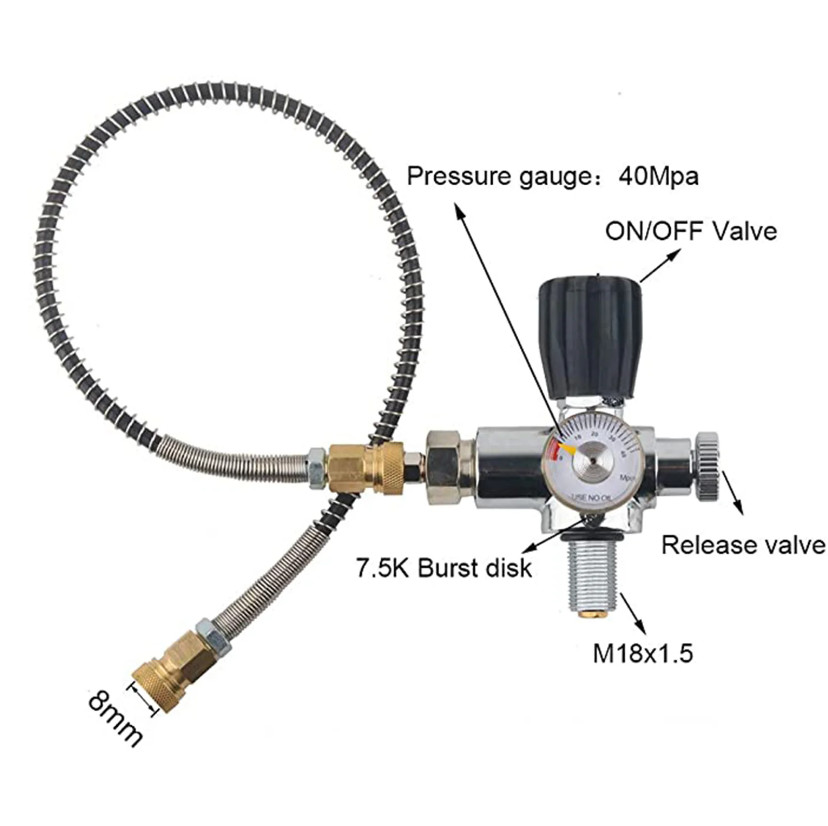 2L Carbon Fiber Cylinder High Pressure Fill Station Tank Regulator Scuba Diving$90.00View on eBay
Highlights
- First stage: balanced diaphragm (sealed, cold-water and silty-water safe) vs. balanced piston (higher flow, more internal exposure); unbalanced piston is entry-only.
- Second stage: pneumatically balanced valve vs. unbalanced; balanced delivers consistent inhalation effort across tank pressure and depth.
- Exhaust tee and Venturi lever: adjustable breathing resistance and free-flow control distinguish recreational from technical second stages.
- Material: chrome-plated brass for bodies and titanium only for specific components; 'titanium regulator' claims usually refer to a single part, not the whole assembly.
Best use cases
- Recreational warm-water diving: pick a balanced diaphragm first stage with a pneumatically balanced second stage and yoke connection — skip unbalanced piston entry sets.
- Cold water (below 10°C/50°F) or silty/muddy water: pick a sealed balanced diaphragm first stage with environmental sealing — skip unsealed pistons prone to icing and contamination.
- Travel and backup: pick a compact balanced second stage with a lightweight octopus — skip vintage brass single-hose regulators with obsolete service kits.
- Hookah/surface-supply use: pick a dedicated hookah compressor and hose kit rated for the depth and run length — skip converting a scuba first stage into a surface-supply rig.
Buying tips
- Match the tank valve: yoke (A-clamp) fits standard aluminum 80 rental tanks; DIN (300 bar) needs a DIN valve or a yoke-to-DIN adapter — pick according to your most common tank.
- Confirm first-stage port count: at least one high-pressure (7/16-inch) port for a gauge and four low-pressure (3/8-inch) ports for primary, octopus, BCD inflator, and drysuit.
- Buy only current-generation models with available service kits; vintage Aqua Lung Aquarius or Sherwood Brut/Oasis/Blizzard parts are discontinued or for-parts only.
- For cold water, require a sealed first stage and a second stage with heat-exchange or anti-freeze design; EN 250 cold-water rating is the concrete benchmark.
Specs
| First Stage Type | Balanced diaphragm vs balanced piston |
|---|---|
| Second Stage Valve | Pneumatically balanced vs unbalanced |
| Tank Connection | Yoke (232 bar) vs DIN (300 bar) |
| Port Standard | 3/8-inch LP / 7/16-inch HP UNF |
Related searches
What to check before buying
- Verify your tank valve type (yoke vs. DIN) and pressure rating before choosing the first stage connection.
- Measure BCD inflator hose length and confirm the low-pressure port thread (3/8-inch UNF) matches your BCD quick-disconnect.
- Check that your local dive shop services the brand and model — service-kit availability determines long-term ownership cost.
- For cold or silty water, confirm environmental sealing and EN 250 cold-water certification on the exact model.
FAQ
Data sources: eBay / Amazon listings and product attribute feeds Data updated Nov 16, 2026.
Some links on this page are affiliate links. If you buy after clicking one, we may earn a commission at no extra cost to you. This does not change which products appear here or their order. Affiliate disclosure.