Photos from current listings. Actual item, color, and included accessories may vary.
Rechargeable Camping Lantern Buying Guide
Rechargeable camping lanterns replace disposable batteries with integrated lithium-ion cells, usually charged via USB-C or a built-in solar panel. The decisive trade-off is battery capacity versus weight and charging speed: a 3.7V 4400mAh cell gives roughly 12–15 hours on medium, while 10000mAh doubles runtime at double the weight. Buy a lantern rated IPX4 or better with a USB-C or USB-C PD input and a regulated output; skip unregulated direct-drive LEDs and mystery-cell no-name packs.

At a glance
- Category
- Camping Lanterns & Lights
- Data updated
- Nov 16, 2026
Current offers
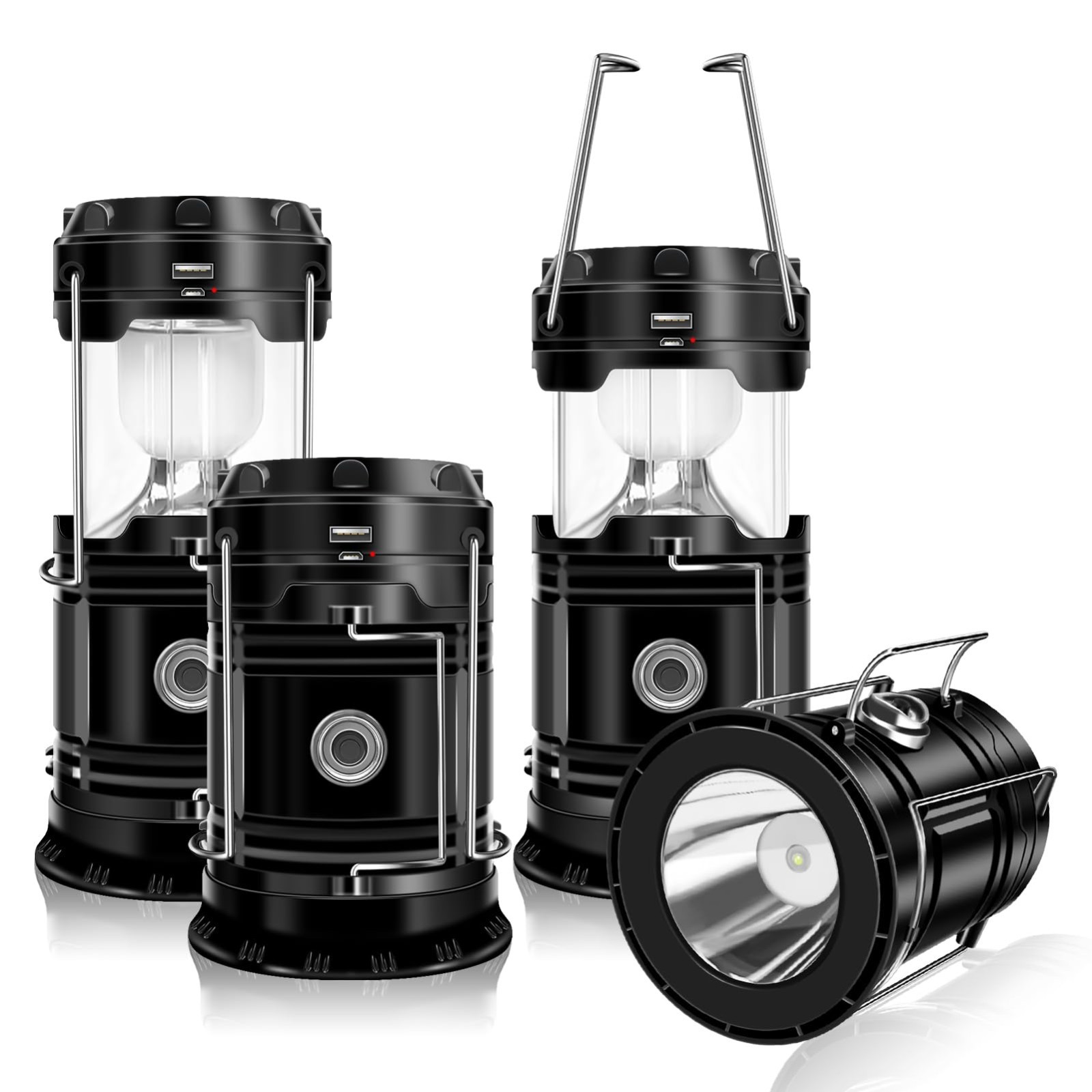 4-Pack Solar Camping Lantern Flashlight Collapsible USB Rechargeable for Outdoor$22.99
 View on eBay
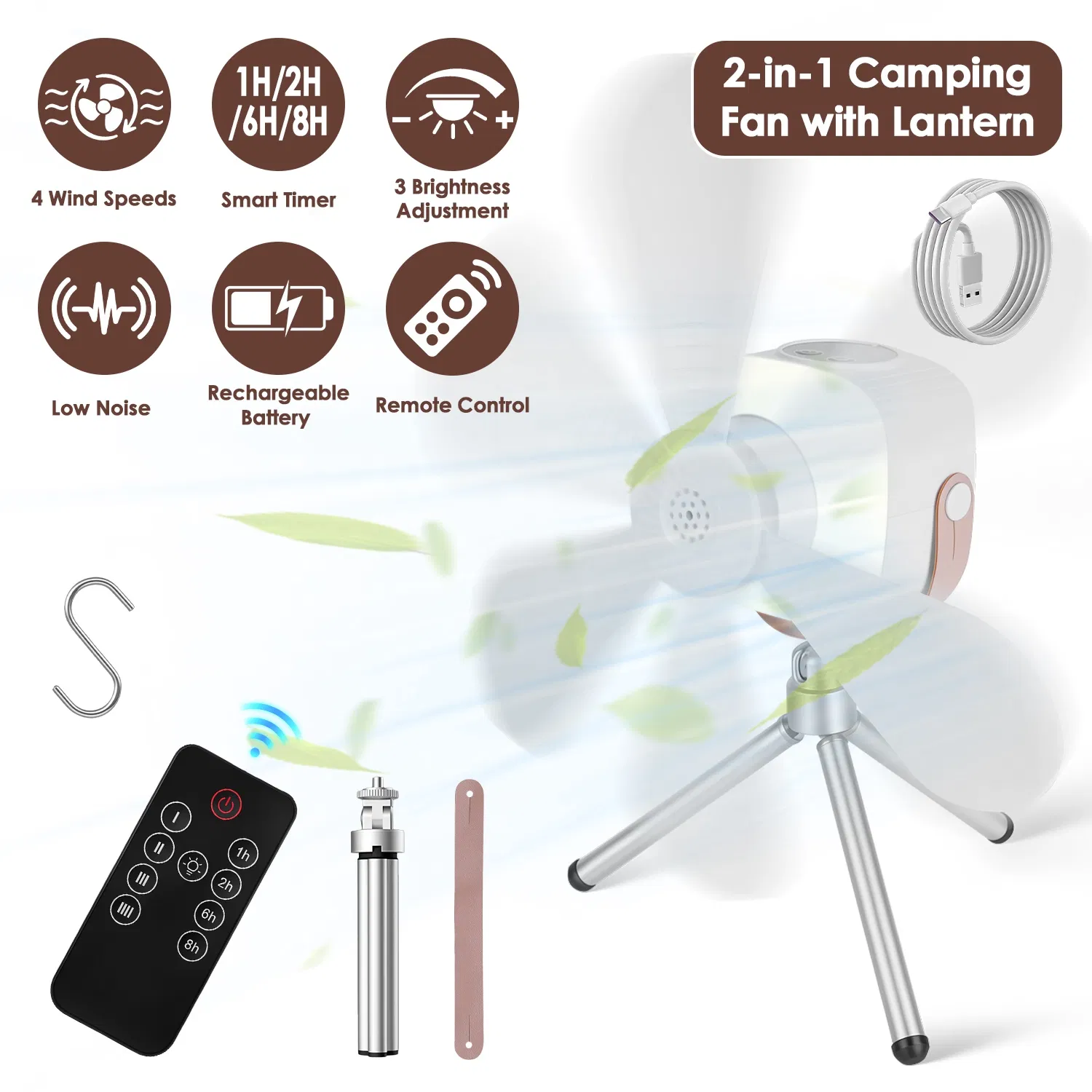 2 in 1 Rechargeable Camping Fan with Built-In LED Lantern Remote Control, 4 Wind Speeds 3 Light Brightness 1/2/6/8H Timer 7200mAh Battery Tripod Stand Hanging Hook Detachable Blades$45.99
 View on Mallflare
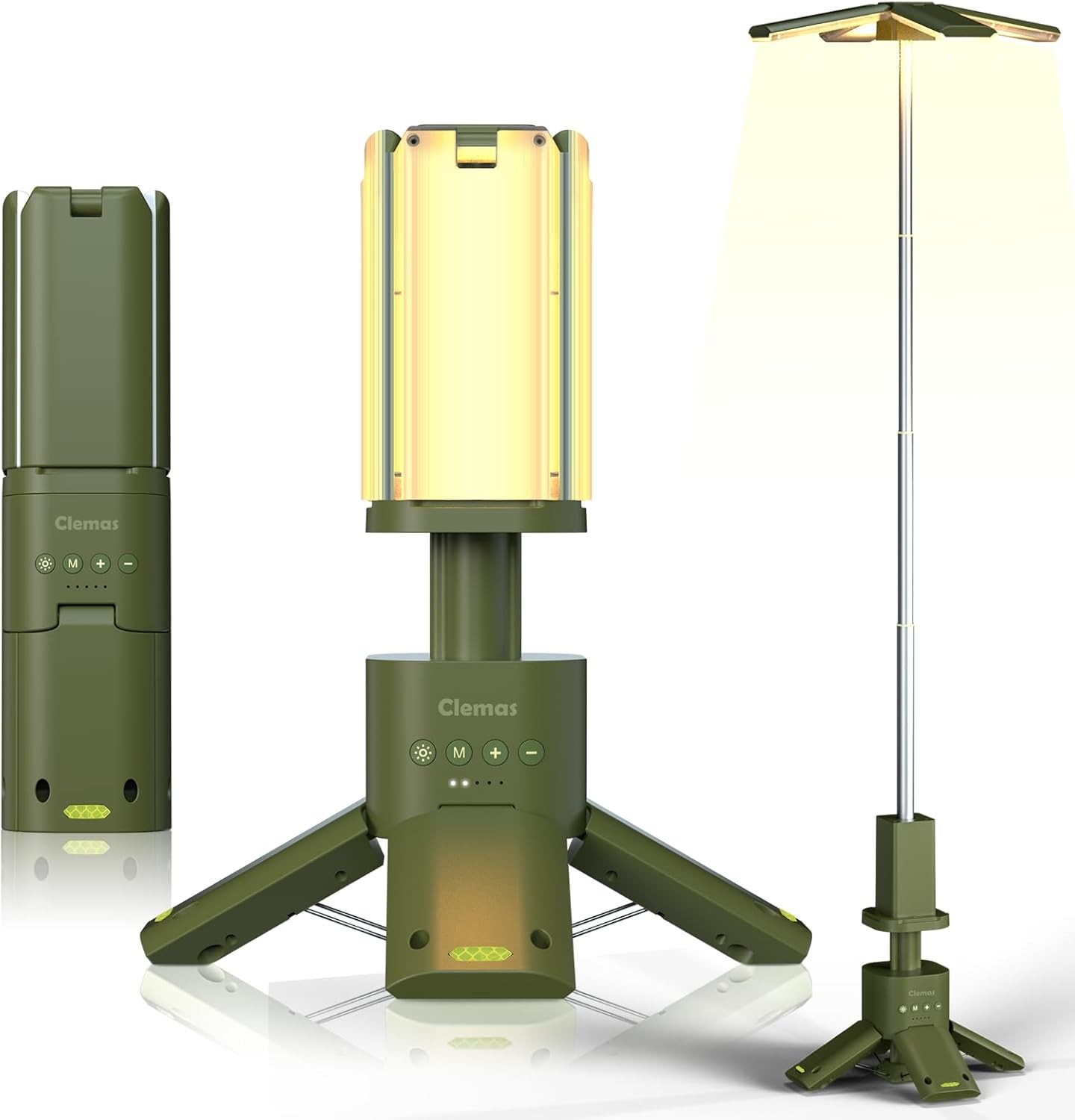 Telescopic Camping Lights Rechargeable 14000 mAh Led Magnetic Lanterns 6000LM$55.99View on eBay
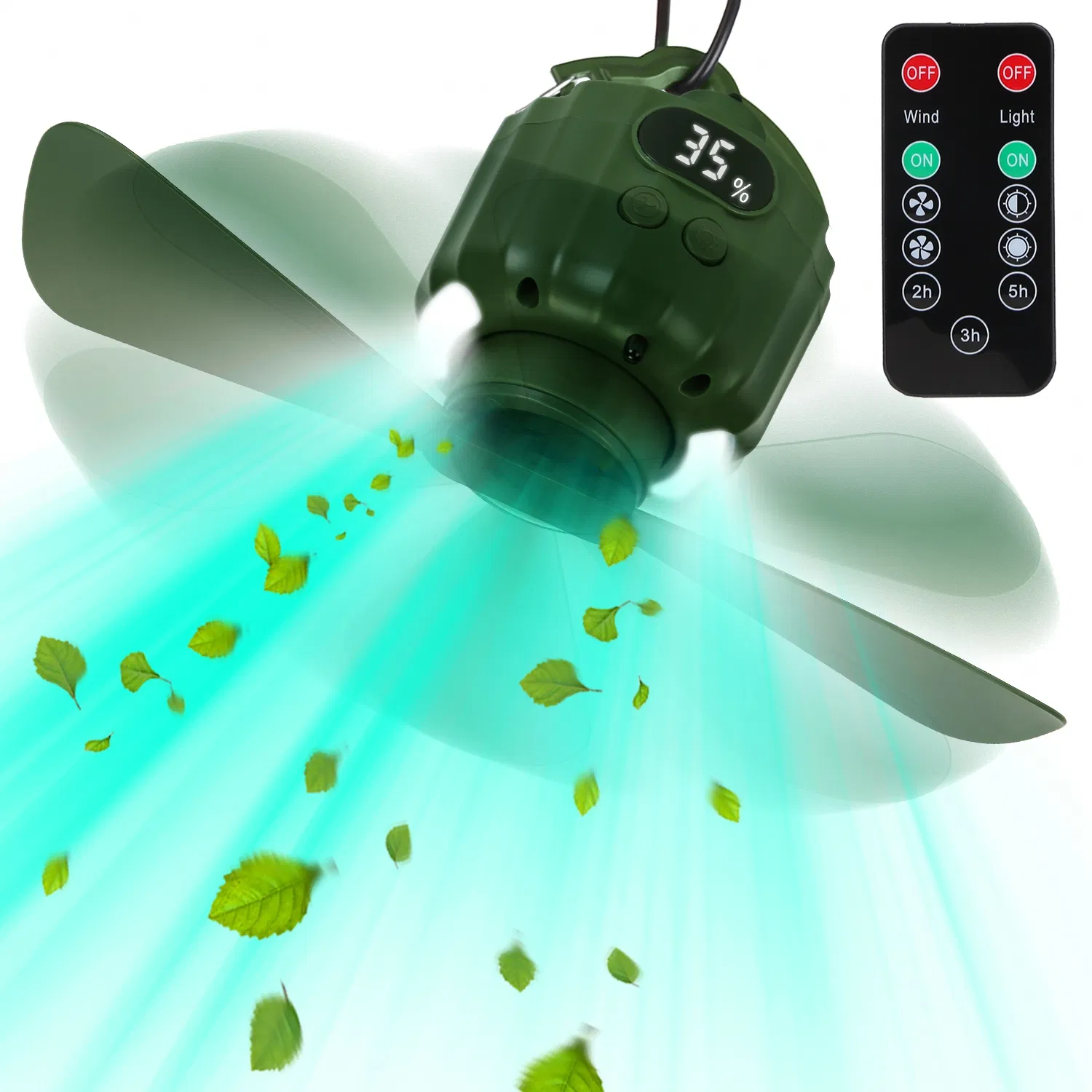 Rechargeable 3-in-1 Camping Fan, LED Lantern Hanging Fan with Large Capacity Battery, USB Power Bank, Low Noise & Timer Function for Outdoor Adventures$56.99View on Mallflare
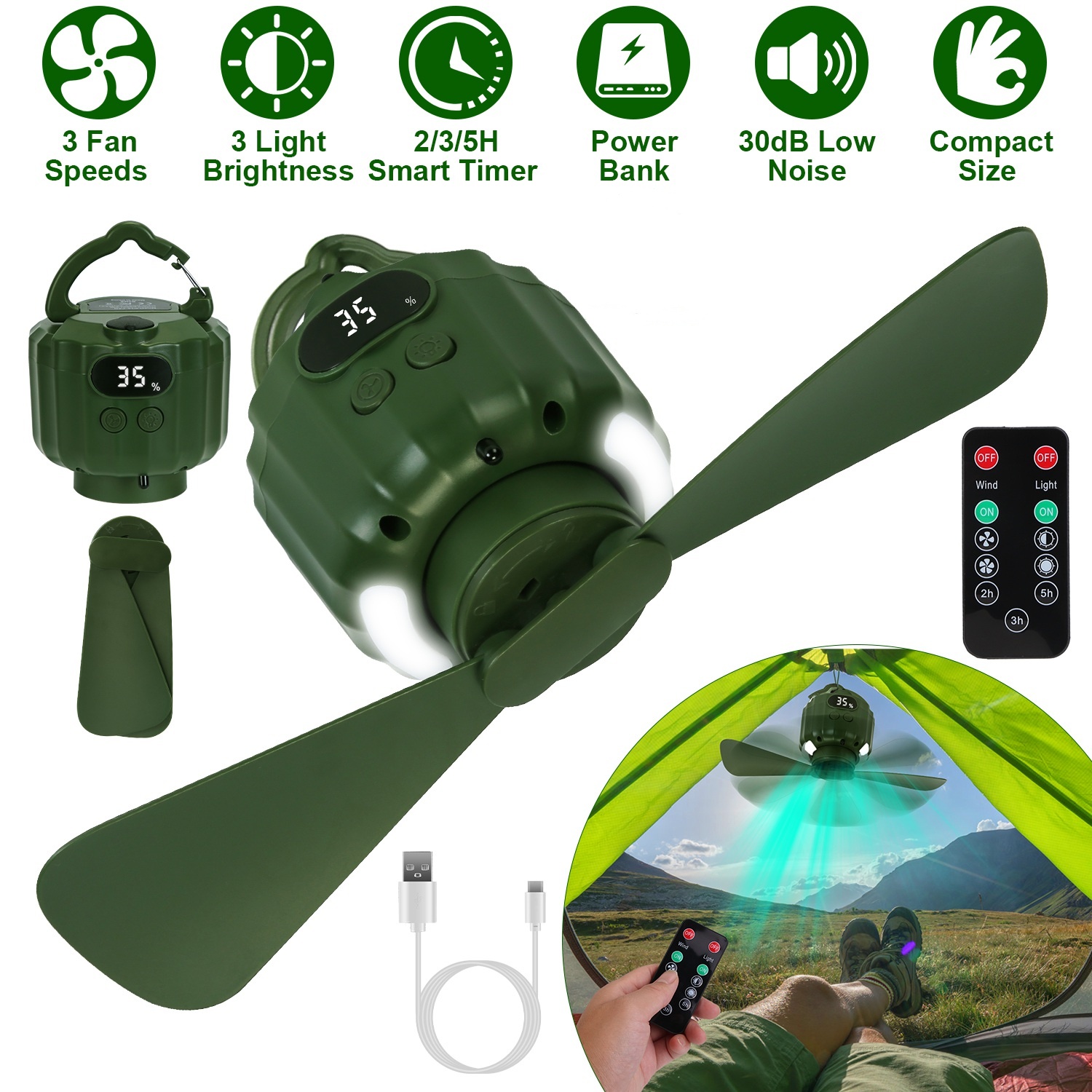 3-in-1 Camping Fan with LED Lantern, Portable Hanging Tent Fan 3 Speed Wind, Timer Function & Power Bank, Low Noise Rechargeable Fan Remote Control for Outdoor Fishing RV--10400mAh$70.99View on Mallflare
Highlights
- Cell capacity (mAh × 3.7V = Wh) is the runtime metric: 2000–3000mAh gives 6–10 hr on medium, 5000–8000mAh gives 15–25 hr, 10000mAh+ exceeds 30 hr but adds 250–500g.
- Regulated constant-current drivers hold brightness flat until cutoff; unregulated direct-drive lights dim progressively as voltage sags — a key quality tell.
- IPX4 handles rain splash and dew; IPX6 survives heavy jets and storms; non-rated lanterns fail at the first wet night.
- Check the input: USB-C PD (5V/2A minimum, 9V PD for fast charge) beats micro-USB, and solar panels on lanterns trickle-charge only 100–200mA — useful for multi-day trips, not primary charging.
Best use cases
- Tent and backpacking: pick a 2000–3000mAh, under-150g lantern with IPX4 and a hanging hook; skip 10000mAh fan-lantern combos that weigh over 500g.
- Family car camping and RV: choose a 5000–10000mAh lantern with 300–600 lm, a USB-A power-bank output, and a 1/4-20 tripod thread or magnetic base; skip tiny 100 lm keychain lights.
- Basecamp and power outages: use a 14000mAh-class lantern or a 3-in-1 fan/lantern/power-bank with 6000 lm telescopic head for area light; skip solar-only collapsible 4-packs as primary lighting.
- Cold-weather trips below 0°C: expect 20–40% capacity loss from lithium-ion; choose a model with a removable 18650 cell so you can carry spares in a warm pocket.
Buying tips
- Match runtime to trip: Wh ÷ LED wattage = hours; a 3W LED on a 3.7V 5000mAh (18.5Wh) cell runs about 6 hours at full output.
- Prefer USB-C input with PD or at least 5V/2A; micro-USB at 5V/1A takes 4–6 hours to fill a 5000mAh pack — USB-C fills it in 2–3.
- For fan-lantern combos, check blade detachability and noise: 4-speed units with detachable blades clean easily and run under 30dB on low, suitable for tent sleep.
- Choose metal-bodied (aluminum) housings for heat dissipation and drop resistance over ABS plastic; look for a rubberized bezel and IPX4+ gasket sealing.
Specs
| Battery Capacity | 2000–14000mAh (3.7V Li-ion) |
|---|---|
| Light Output | 100–6000 lm (dimmable tiers) |
| Charging Input | USB-C PD / micro-USB / solar |
| Water Resistance | IPX4–IPX6 (splash to jet) |
Related searches
What to check before buying
- Tent ceiling height and hang point: confirm the lantern plus hook fits under 1.8m without touching occupants; collapsible models pack to under 15cm.
- Power source: confirm a USB-C wall charger or 10000mAh power bank is in your kit; lanterns with only solar input need 8–12 hours of direct sun for a partial charge.
- Trip length and spare cells: for trips over 3 nights, pick a lantern with a removable 18650/21700 cell and carry one spare per 2 nights.
- Mounting: verify a 1/4-20 tripod thread, magnetic base, or hanging hook matches your tent loop, van ceiling, or tripod.
FAQ
Data sources: eBay / Amazon listings and product attribute feeds Data updated Nov 16, 2026.
Some links on this page are affiliate links. If you buy after clicking one, we may earn a commission at no extra cost to you. This does not change which products appear here or their order. Affiliate disclosure.