Photos from current listings. Actual item, color, and included accessories may vary.
Rechargeable Headlamp Buying Guide
Rechargeable headlamps replace disposable alkaline lights with sealed Li-ion power, but the segment splits sharply between protected 18650/21700 cell lights with real waterproofing and glued-in budget cells with overstated lumen claims. The core trade-off is honest output and serviceable batteries versus lowest cost. Choose a model with a user-replaceable protected cell and an IPX rating if you need multi-season reliability; accept a sealed budget cell only for casual, dry-weather use.

At a glance
- Category
- Camping Lanterns & Lights
- Data updated
- Nov 17, 2026
Current offers
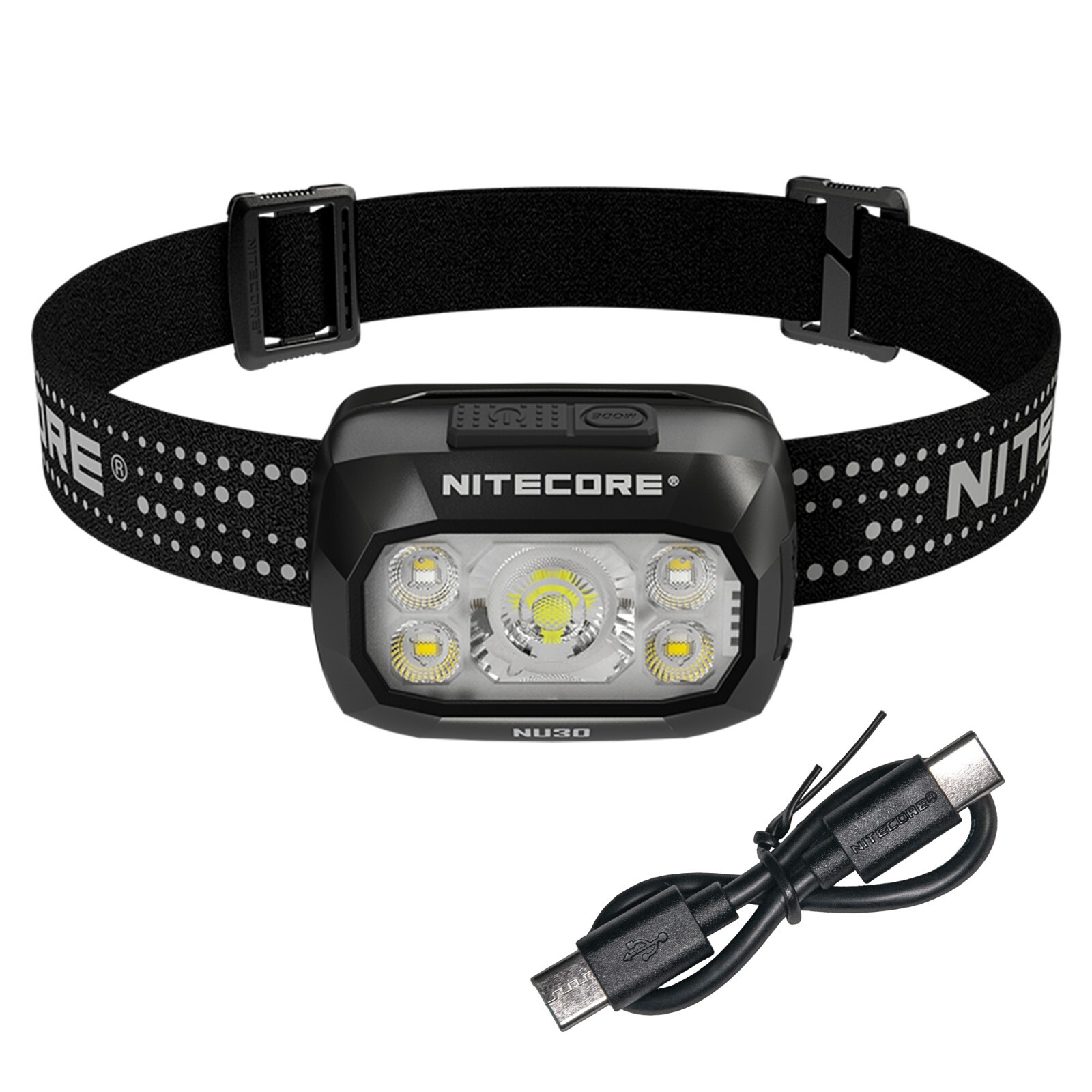 Nitecore NU30 500 Lumen USB-C Rechargeable Outdoor Headlamp$34.95
 View on eBay
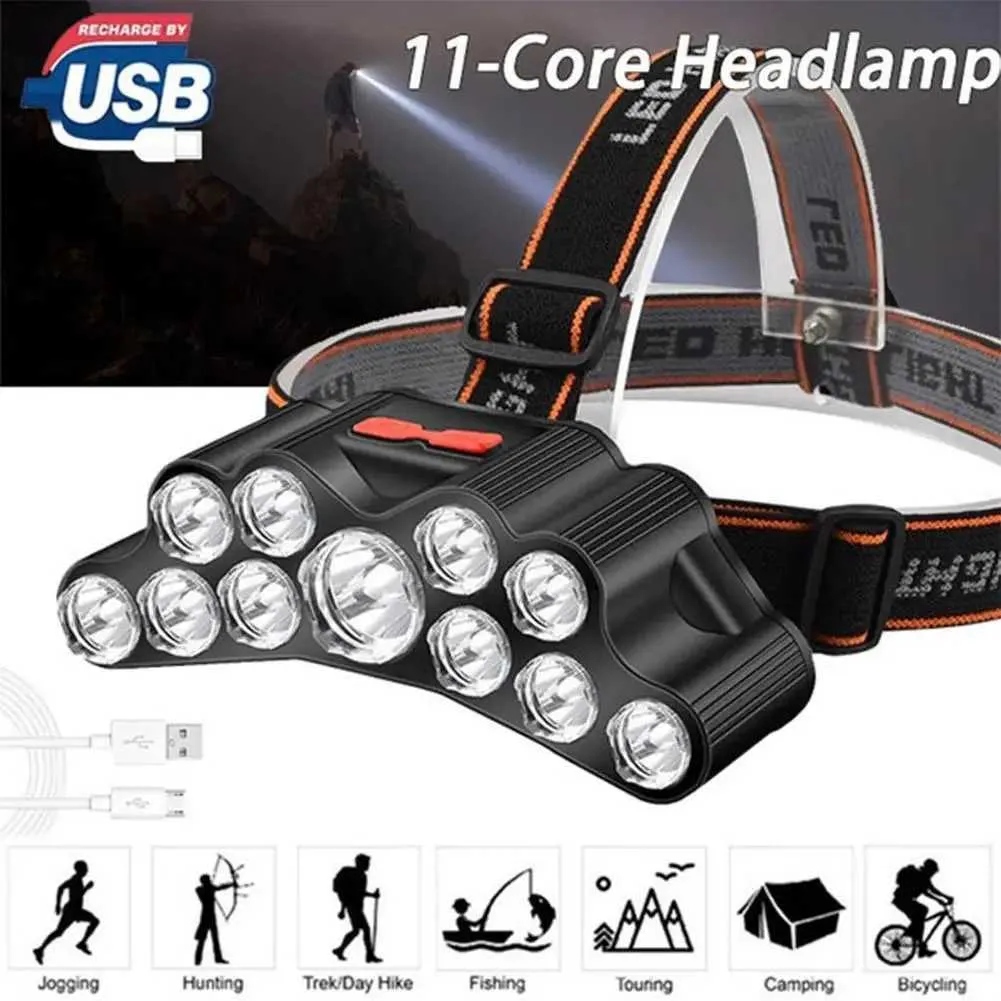 11 LED USB Rechargeable Flashlight With Builtin 18650 Battery Strong Light Camping Adventure Fishing Head Headlamp$20.99
 View on Mallflare
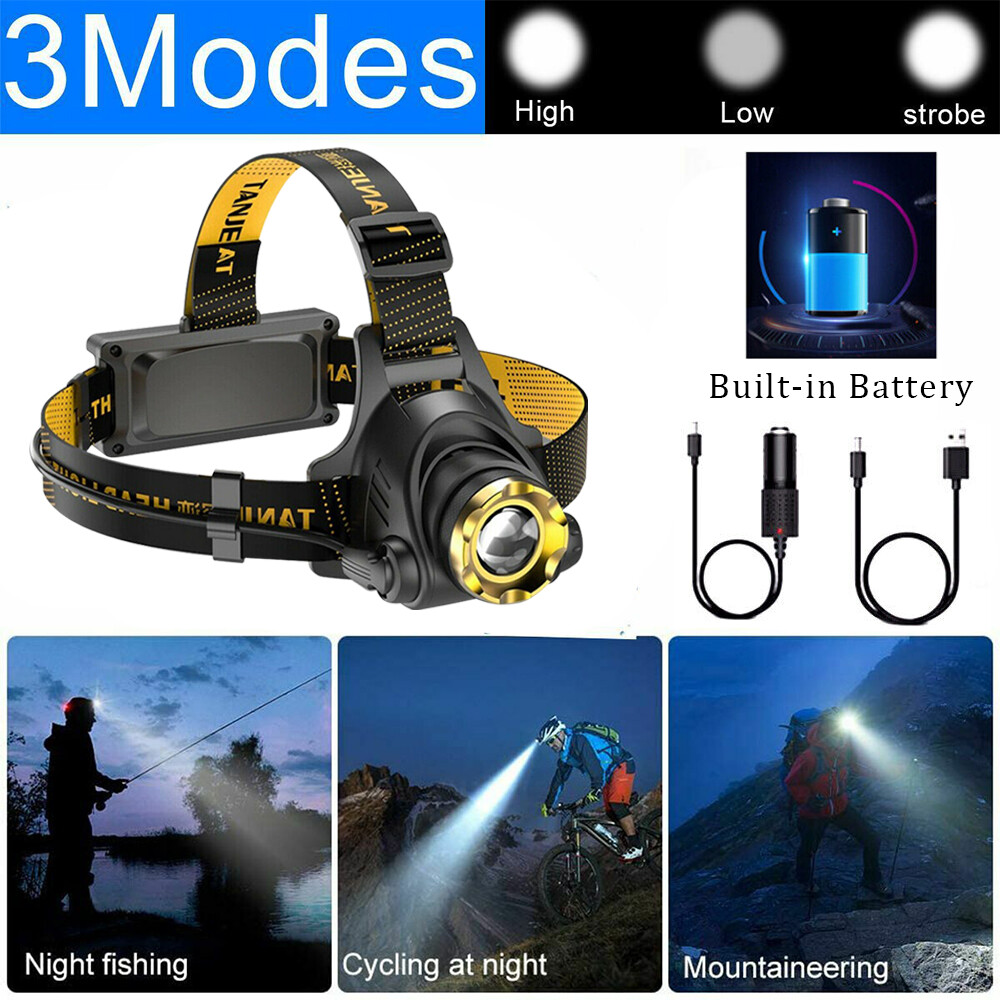 USB Rechargeable LED Headlamp 3-Modes Adjustable Camping Hiking Headlight W/Car Charger+USB Cable$25.99View on Mallflare
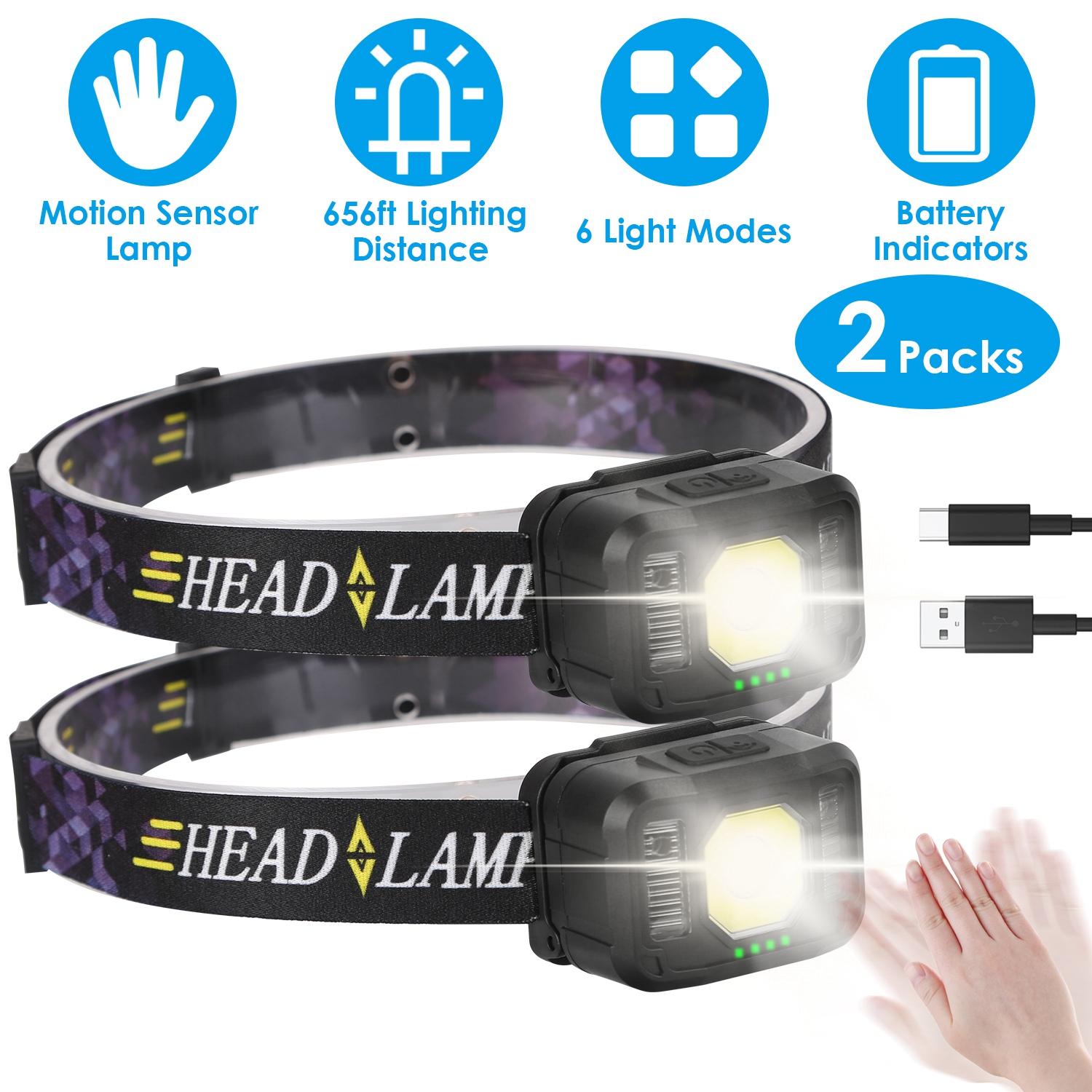 2Packs Rechargeable Motion Sensor Headlamp 6 Light Modes COB XPG Headlight Torch Flashlight For Fishing Running Camping Hiking$42.99View on Mallflare
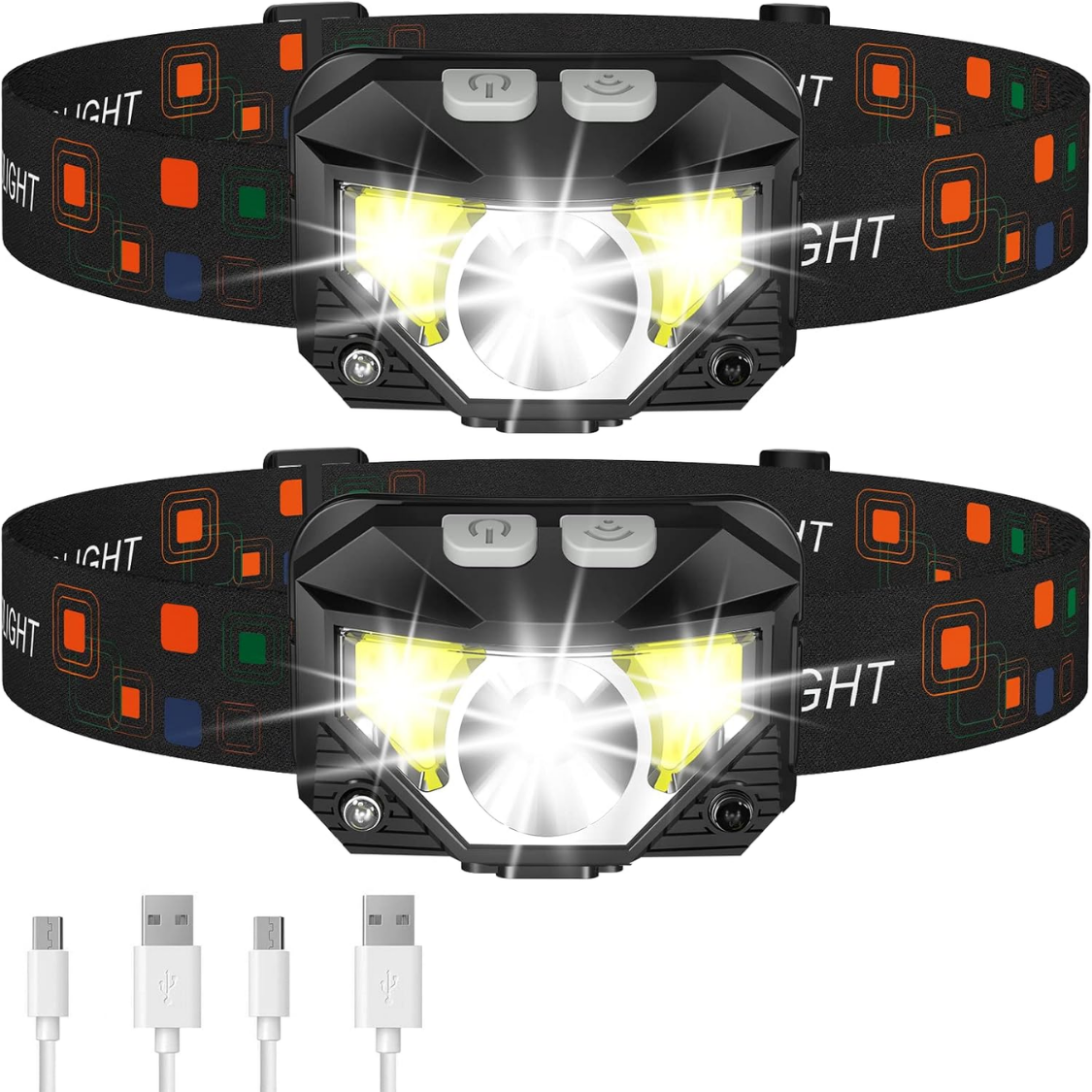 Headlamp Flashlight, Lumen Bright Head Lamps LED Rechargeable Camping Ultra Light, With White Red 2 Pack Waterproof Motion Sensor Headlight$65.99View on Mallflare
Highlights
- Battery architecture: 18650/21700 Li-ion cells deliver 3.6-3.7 V nominal and 2500-3500 mAh capacity; sealed pouch cells in budget lamps lose 20-30% capacity per year and cannot be swapped on trail.
- LED and driver quality: regulated buck/boost drivers hold constant brightness as the cell drains, while direct-drive budget lamps dim progressively; a 500-lumen regulated lamp outperforms a 1200-lumen unregulated claim.
- Water and dust ingress: IPX4 handles rain splash only; IPX6 or IP67 is required for submersion and heavy downpour, and rubber port covers are the most common failure point on USB-C lamps.
- Cell protection and charging: protected 18650 cells with built-in PCB prevent over-discharge; USB-C PD input at 5 V/2 A cuts charge time to 2-3 hours versus 6-8 hours on micro-USB 5 V/1 A.
Best use cases
- Trail running and fast hiking: pick a 200-400 lumen lamp under 100 g with a rear red blinker and IPX6 rating; skip heavy 3-cell 18650 rigs that bounce on the forehead.
- Cave, crag, and night work: choose a 21700 or dual-18650 lamp with 600+ regulated lumens, IP67, and a top strap; skip single-strap budget lamps whose plastic bracket cracks below freezing.
- Camp chores and kids: a 2-pack of 150-300 lumen motion-sensor COB lamps at IPX4 is sufficient and cheaper; skip high-output models where a glued cell will fail before the LEDs do.
Buying tips
- Match lumens to runtime: a 500-lumen lamp on high drains a 3500 mAh 18650 in about 2.5 hours; step to medium (150-200 lm) for 8-10 hour night hikes and carry a spare protected cell.
- Demand a regulated driver and a specified LED bin (Cree XP-G3, Samsung LH351D, Nichia 519A); unregulated lamps lose 40-60% output in the first hour of a charge.
- Confirm the cell is user-replaceable (screw cap or clip door) and takes a protected flat-top or button-top 18650; sealed pouch models are disposable once the cell degrades.
- Choose USB-C input over micro-USB for a 2-3 hour recharge and a rubber-sealed port; micro-USB ports are rated for roughly 1000-1500 insertions before contact wear.
Specs
| Battery Type | 18650 / 21700 Li-ion vs sealed pouch |
|---|---|
| Output Tier | 150-300 lm camp / 400-600 lm trail |
| Waterproof Rating | IPX4 splash / IPX6-IP67 sealed |
| Charging Port | USB-C 5V 2A vs micro-USB 5V 1A |
Related searches
What to check before buying
- Weigh the lamp and battery together: keep total under 100 g for running, under 200 g for hiking, and add a top strap above 250 g to stop forehead slip.
- Verify the headband is replaceable and elastic (not glued); silicone-backed bands grip better under sweat and helmets.
- Match charging to your trip: a 3500 mAh 18650 gives 2-4 nights of mixed use; bring a 10,000 mAh USB-C power bank for multi-day trips without spare cells.
- Check the beam pattern: a floody 120-degree spill suits camp and reading, while a focused 10-15 degree hotspot is needed for trail scanning; dual-emitter lamps cover both.
FAQ
Data sources: eBay / Amazon listings and product attribute feeds Data updated Nov 17, 2026.
Some links on this page are affiliate links. If you buy after clicking one, we may earn a commission at no extra cost to you. This does not change which products appear here or their order. Affiliate disclosure.