Photos from current listings. Actual item, color, and included accessories may vary.
1 Person Tent Buying Guide
A 1-person tent is a solo shelter where packed weight, floor area, and weather protection trade off against each other. The core decision is whether you need a free-standing double-wall tent for three-season camping or a single-wall trekking-pole shelter for ultralight backpacking. Durable options use ripstop nylon or polyester with a 3,000mm+ hydrostatic head and aluminum poles, while compromises rely on fiberglass poles and thin coatings that fail in wind or sustained rain.

At a glance
- Category
- Tents & Shelters
- Data updated
- Nov 17, 2026
Current offers
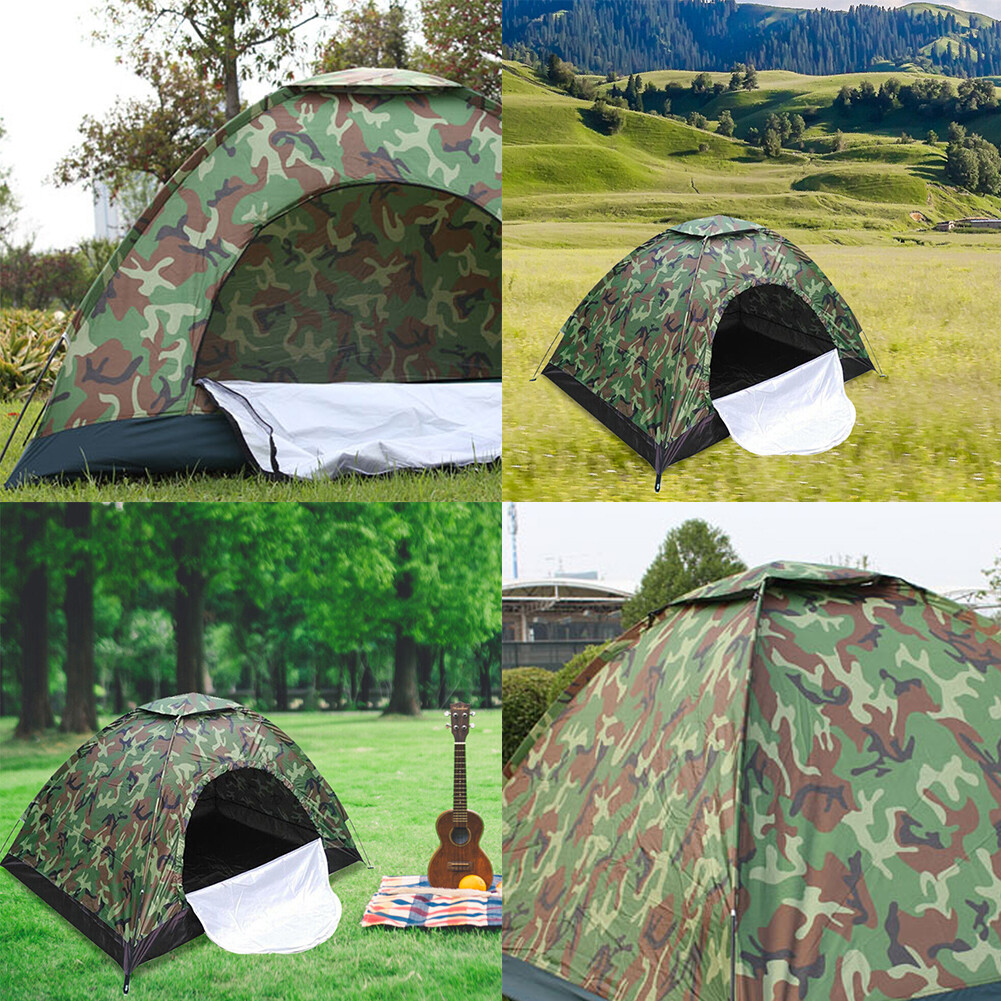 US 1-2 Person Outdoor Camping Tent Waterproof for Family Camouflage Hiking$21.59
 View on eBay
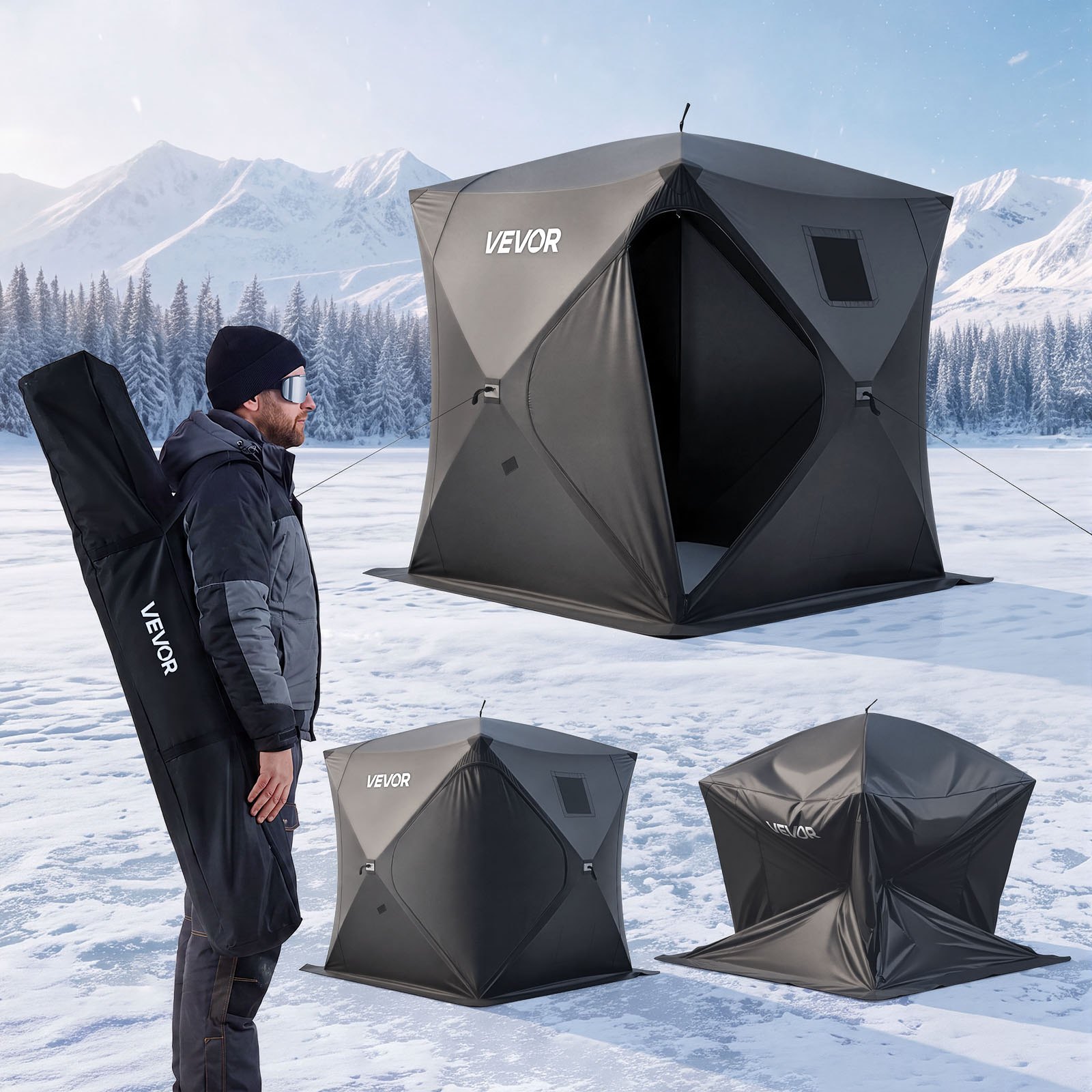 Pop Up Ice Fishing Tent 1-2 Person 59 x 59 x 65 in Portable Shelter, for Winter 24 sq ft Area, 300D Oxford Fabric Hub-Style Shanty, Ice Cube with Anchors, Ropes, Carrying Bag, Black$122.99
 View on Mallflare
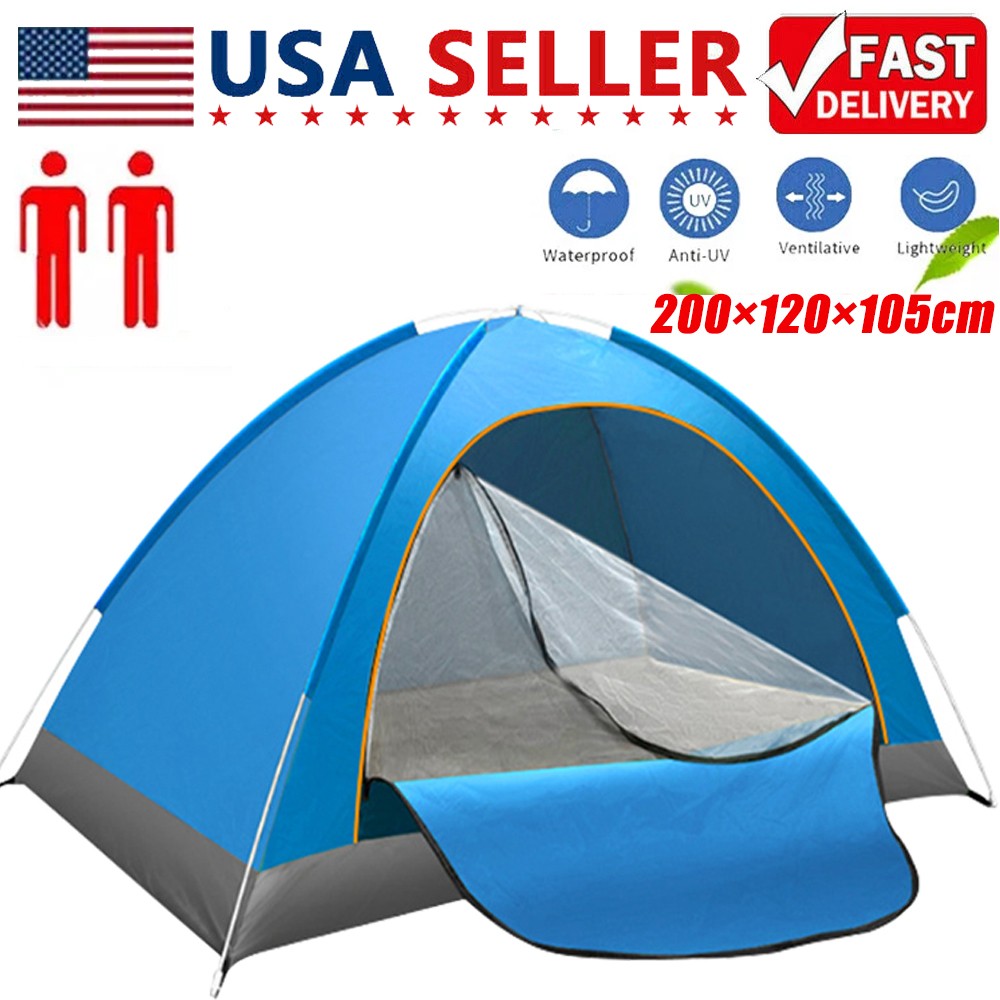 1-2 Person Tents Waterproof Windproof Instant Tent for Camping Hiking US$21.90View on eBay
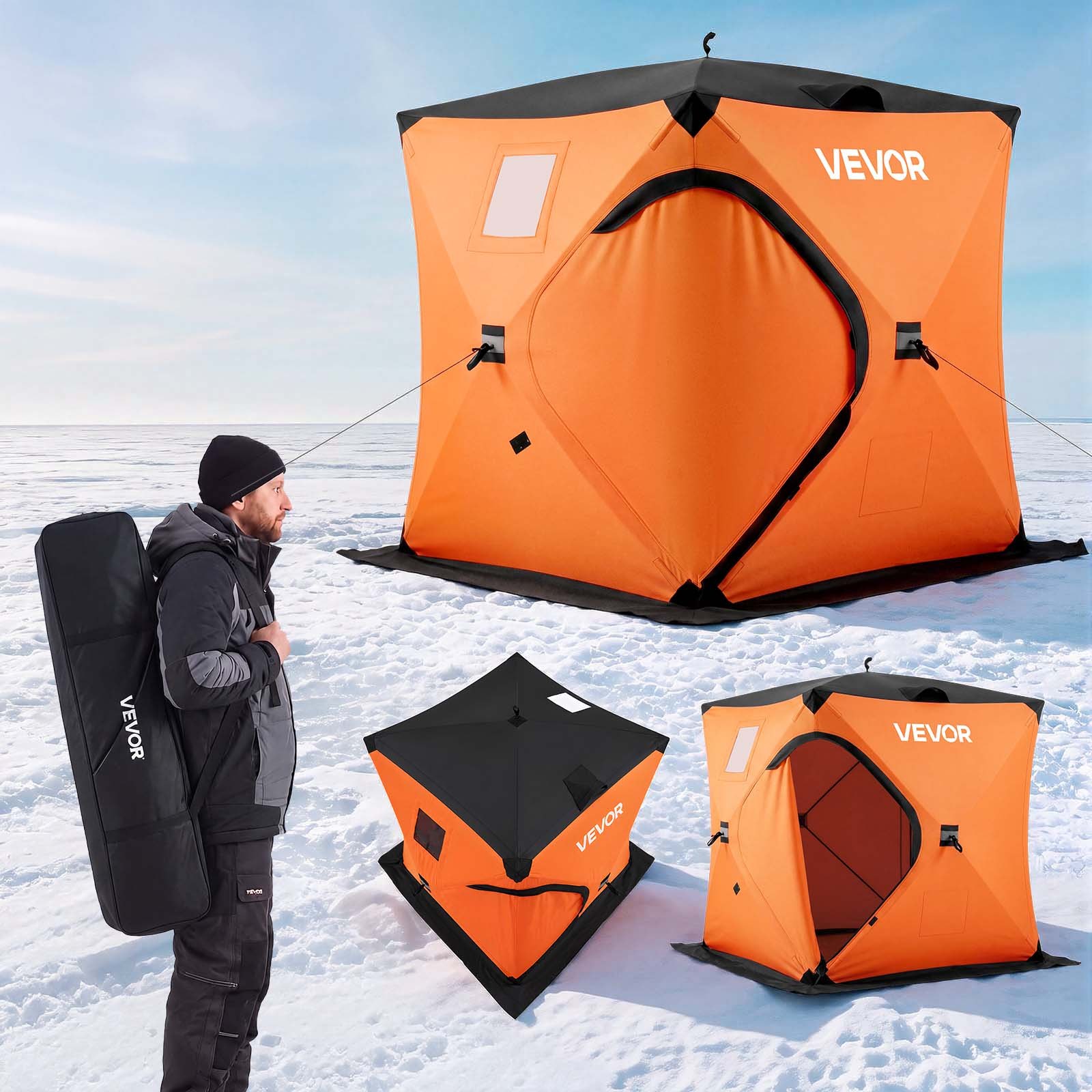 Pop Up Ice Fishing Tent 1-2 Person 60 x 60 x 69 in Insulated Shelter, for Winter 25 sq ft Area, 600D 4-Layer Fabric, Portable Hub-Style Shanty Cube with Anchors, Ropes, Carrying Bag$138.99View on Mallflare
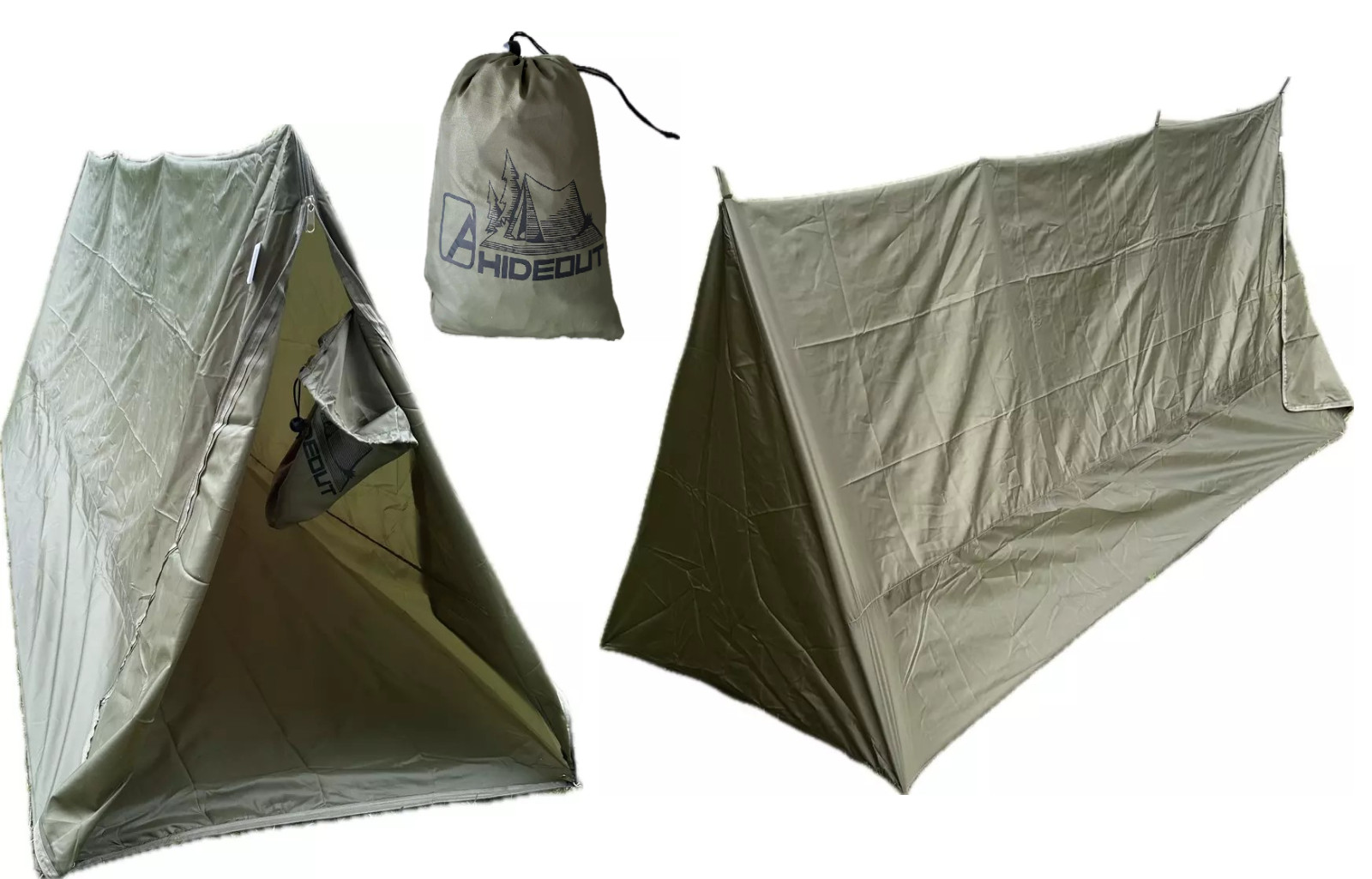 Hideout 1-Man Compact Zipper Tent Floor Camping Hiking Backyard One Person 7'x30$25.00View on eBay
Highlights
- Double-wall designs with a separate rainfly manage condensation far better than single-wall tents, which are lighter but prone to interior wetting in humid or cold conditions.
- Hydrostatic head ratings of 3,000mm and above on both fly and floor are the threshold for reliable three-season rain protection; 1,500–2,000mm coatings are fair-weather only.
- Aluminum alloy poles (7001 or 7075 series) resist bending and can be field-repaired with a splint; fiberglass poles snap under gust loads and add dead weight.
- Hub-style pop-up shelters use pre-bent poles and a single-pull frame for fast setup but pack larger and weigh more than pole-and-sleeve backpacking tents.
Best use cases
- Best fit: three-season backpacking with a double-wall, aluminum-pole tent under 1.5 kg packed weight; skip single-wall designs if you camp below freezing where condensation freezes inside.
- Best fit: fast-and-light solo trips with a trekking-pole single-wall shelter when you already carry poles and prioritize pack volume over interior livability.
- Best fit: car camping or festival use with a pop-up or instant tent for quick setup; skip ultralight tents here since abrasion and repeated setup wear thin fabrics faster.
- Wrong fit: winter ice fishing or snow camping with a three-season mesh tent; choose a hub-style insulated shelter with 300D–600D Oxford fabric and anchor kits instead.
Buying tips
- Match floor dimensions to your sleeping pad: a 20×72 in pad needs at least 30 in of usable width and 84 in of length to keep gear dry against the walls.
- Choose a tent with at least two guy-out points per side and a full-coverage fly; partial flies expose mesh to splashback and wind-driven rain.
- For backpacking, keep total packed weight under 1.5 kg including stakes and footprint; sub-1 kg requires single-wall or trekking-pole architecture.
- Check pole diameter: 8.5–9.5 mm aluminum is the sweet spot for solo tents; thinner 7–8 mm saves weight but flexes more in crosswinds.
Specs
| Wall Architecture | Double-wall vs single-wall |
|---|---|
| Packed Weight | 1.0–2.5 kg (solo backpacking) |
| Waterproof Rating | 3,000mm+ fly and floor |
| Pole Material | Aluminum 7001/7075 vs fiberglass |
Related searches
What to check before buying
- Measure your sleeping pad and pack: confirm the tent floor fits pad plus 6–8 in of gear space on each side.
- Verify the tent pitch footprint fits your campsite; a 7×3 ft tent needs a clear 8×5 ft area with room for stakes and guylines.
- Confirm the hydrostatic head on both fly and floor is 3,000mm or higher for three-season use; lower ratings suit dry climates only.
- Check stake type and count: 8–12 aluminum hook or V-stakes are standard; replace included steel stakes for weight savings.
FAQ
Data sources: eBay / Amazon listings and product attribute feeds Data updated Nov 17, 2026.
Some links on this page are affiliate links. If you buy after clicking one, we may earn a commission at no extra cost to you. This does not change which products appear here or their order. Affiliate disclosure.