Photos from current listings. Actual item, color, and included accessories may vary.
Pop Up Tent Buying Guide
A pop-up tent is a shelter built on a pre-assembled fiberglass or steel pole frame that springs into shape in seconds and folds back via a twist-and-coil motion. The core trade-off is instant setup convenience versus less internal volume, weaker wind stability, and shorter fabric life than a pole-and-sleeve tent. Buy one when setup speed and packability matter more than stormworthiness; skip it if you expect sustained high winds, heavy rain, or multi-season use.

At a glance
- Category
- Tents & Shelters
- Data updated
- Nov 16, 2026
Current offers
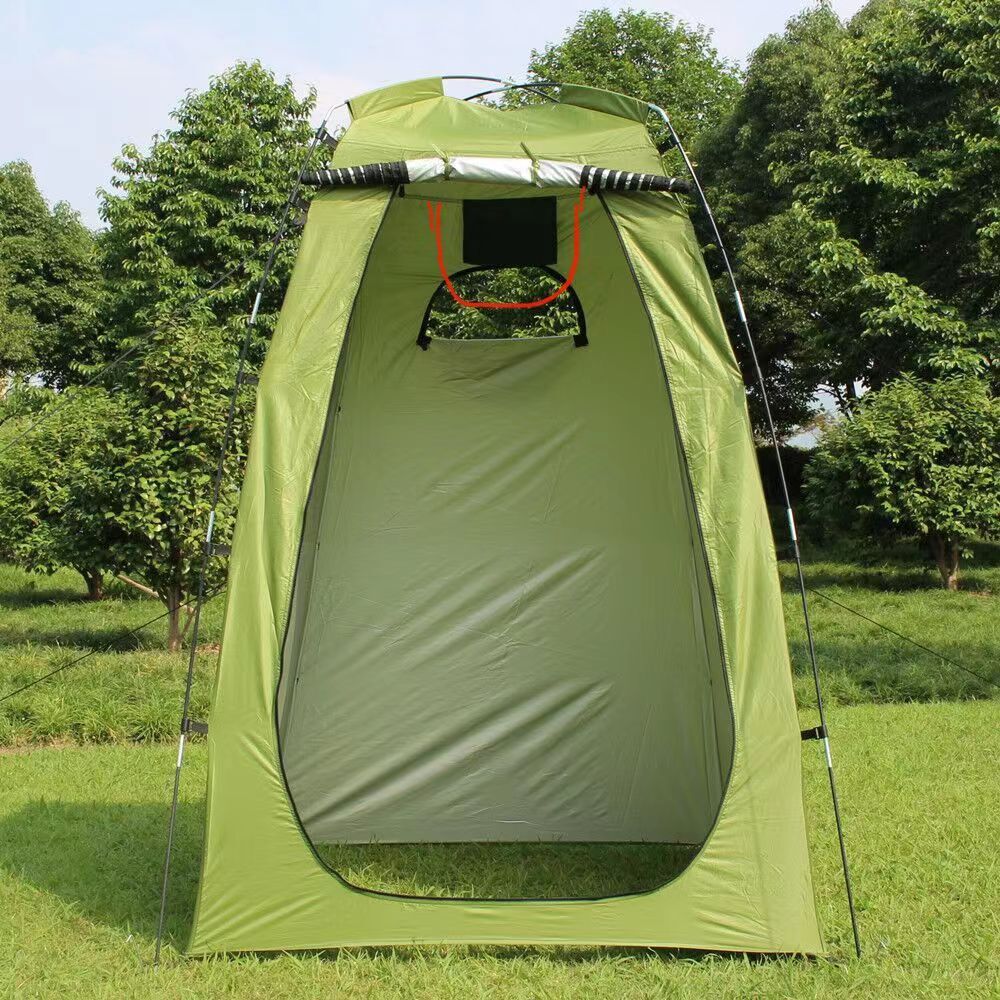 Outdoor Portable Instant Pop Up Tent Privacy Camping Shower Toilet Hiking Green$26.99
 View on eBay
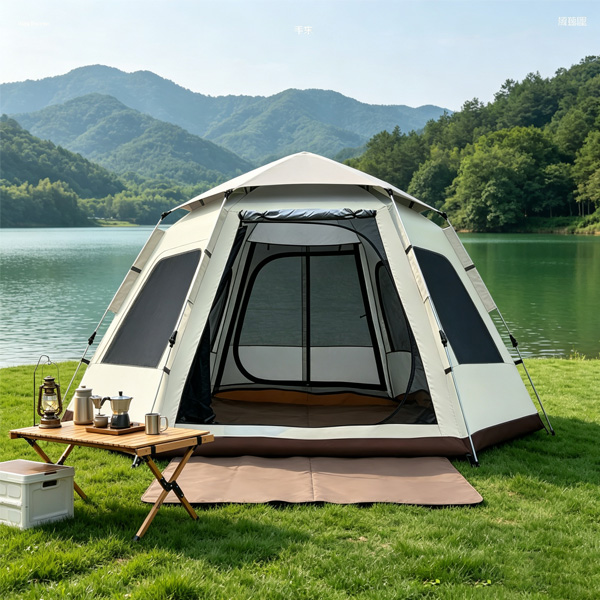 Cream White Instant Pop Up Tent - 3 Second Quick Setup Outdoor Shelter, Windproof Waterproof With Panoramic Mesh Skylight, Extra Spacious Sunshade Canopy For Picnic, Beach, Backyard, Music Festival$54.99
 View on Mallflare
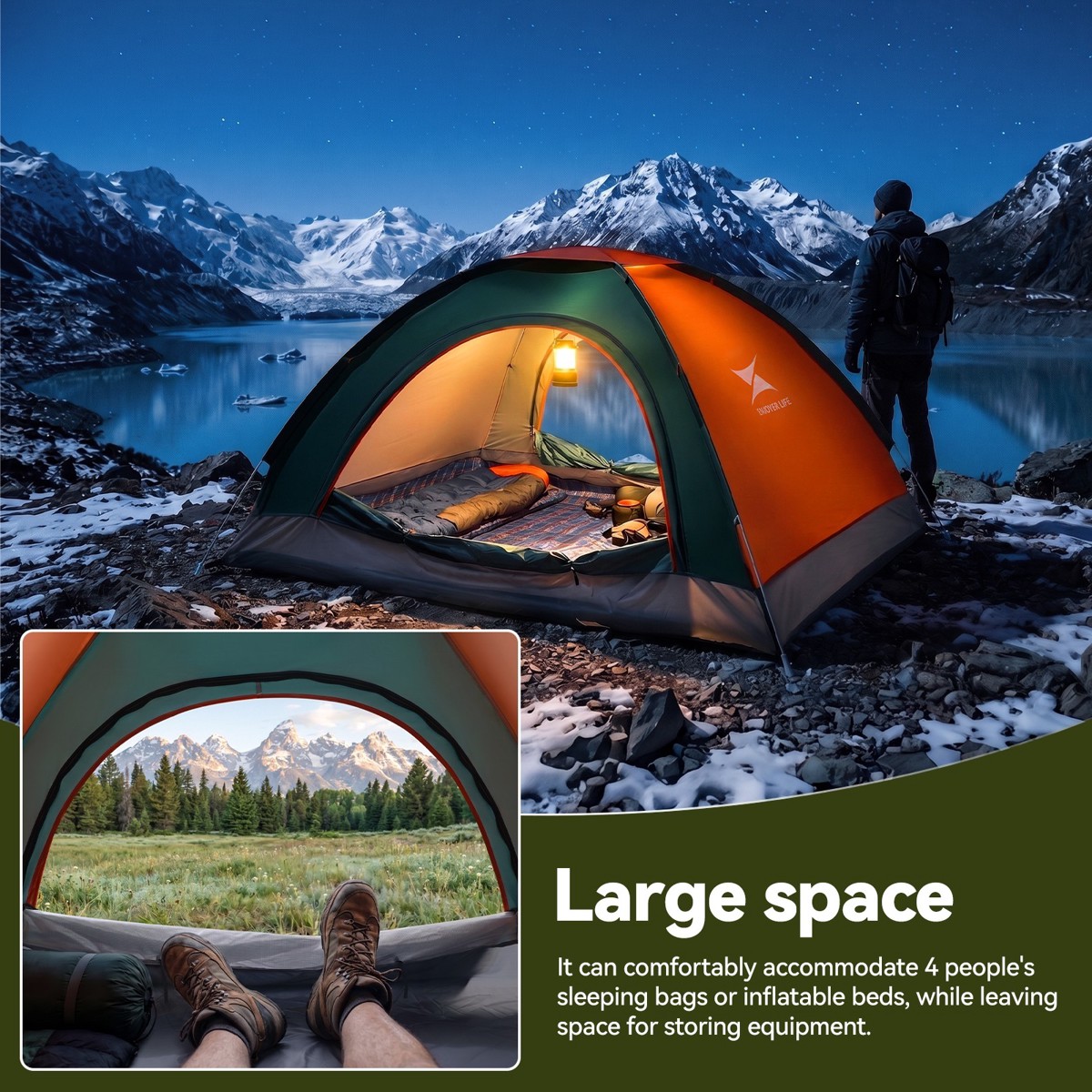 ENJOYER LIFE Pop Up Tents Waterproof Windproof Instant Tent for Camping Hiking$34.89View on eBay
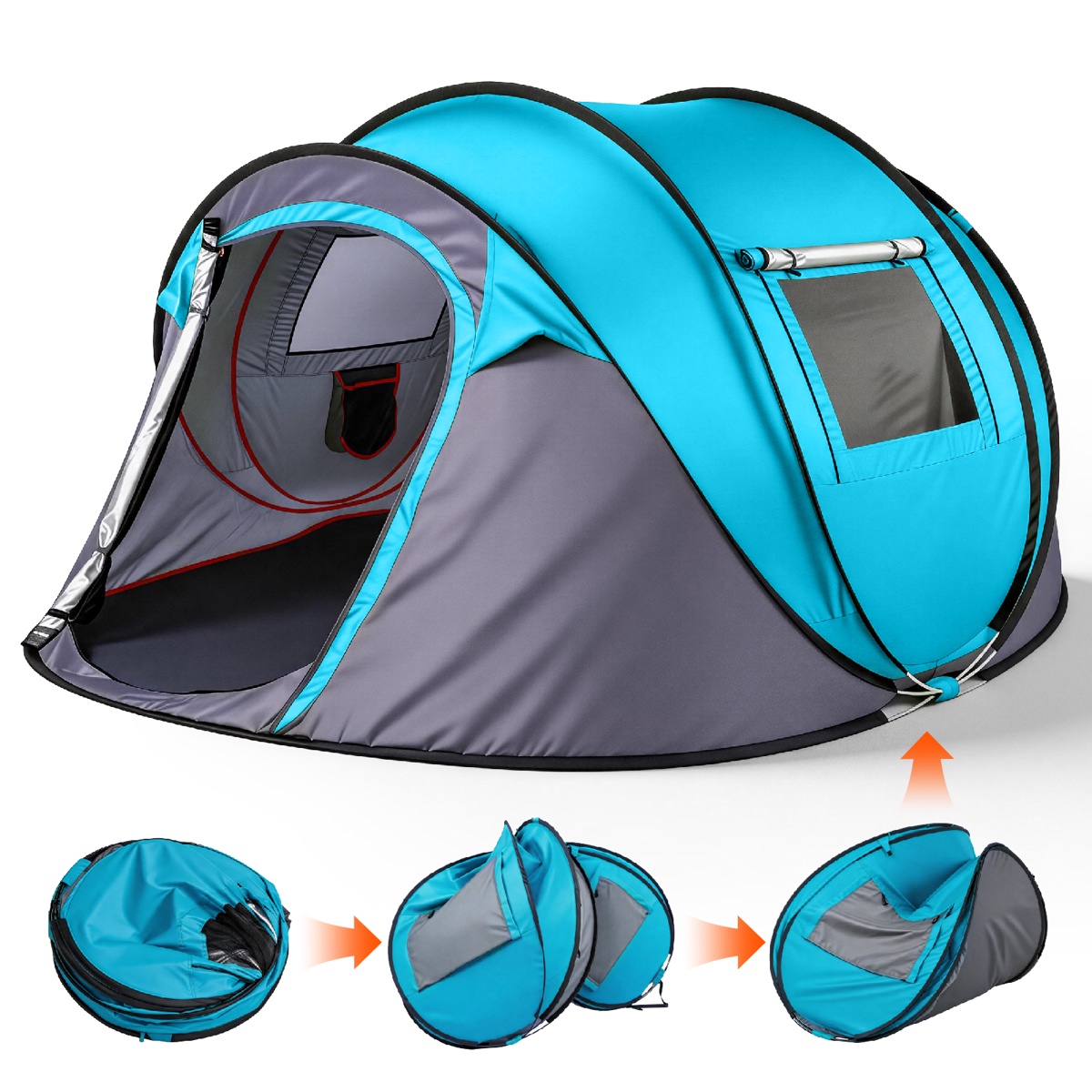 4 Person Pop Up Tent for Camping, Waterproof Instant Family with Front Awning, Automatic Throw Pop Up Flip Pop for Blue$101.99View on Mallflare
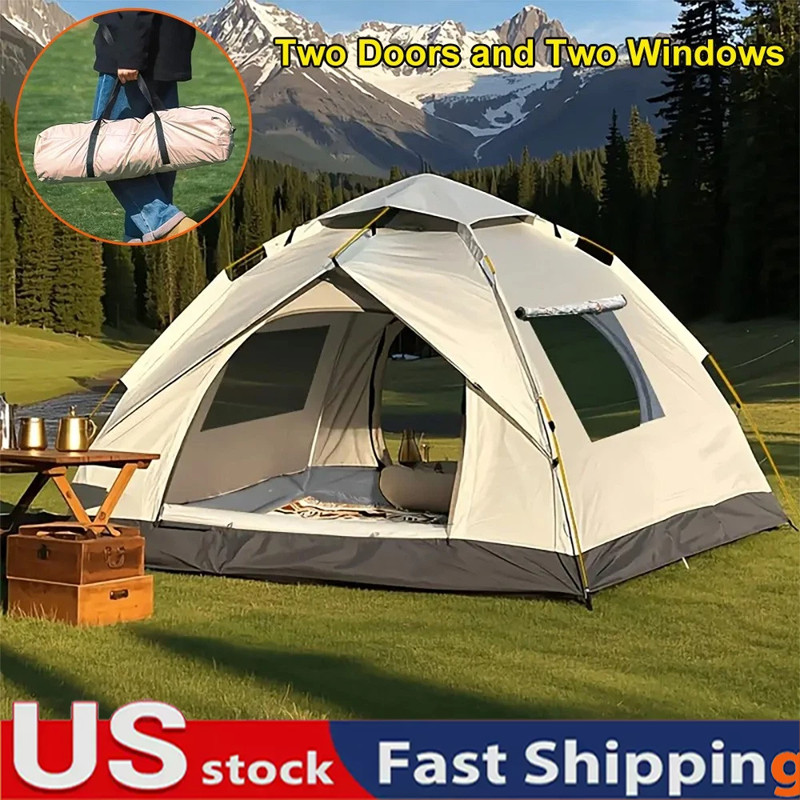 2-3 Person Pop Up Tents Waterproof Windproof Instant Tent for Camping Hiking NEW$35.98View on eBay
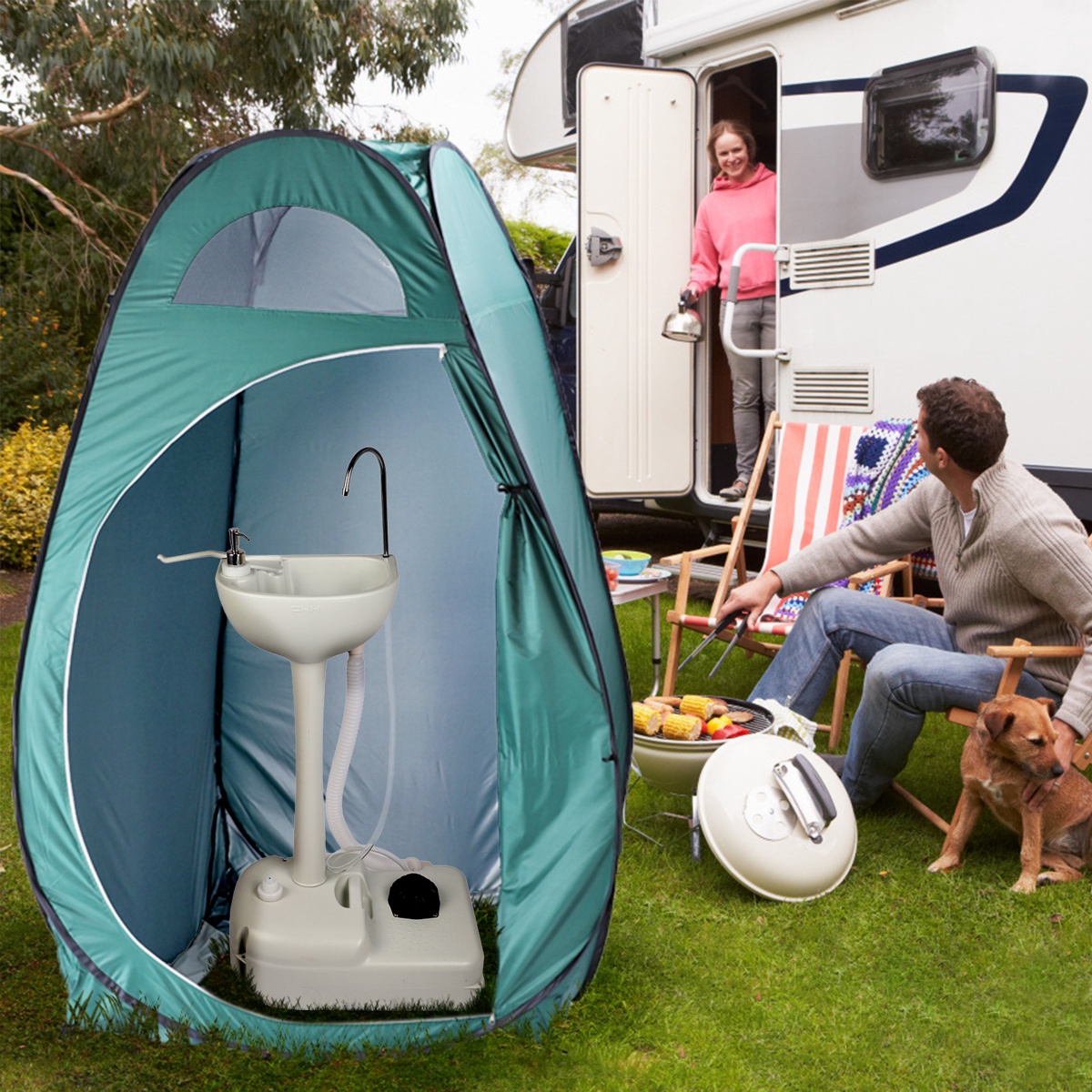 Portable Outdoor Pop-up Toilet Dressing Fitting Room Privacy Shelter Tent Army Green$53.99View on Mallflare
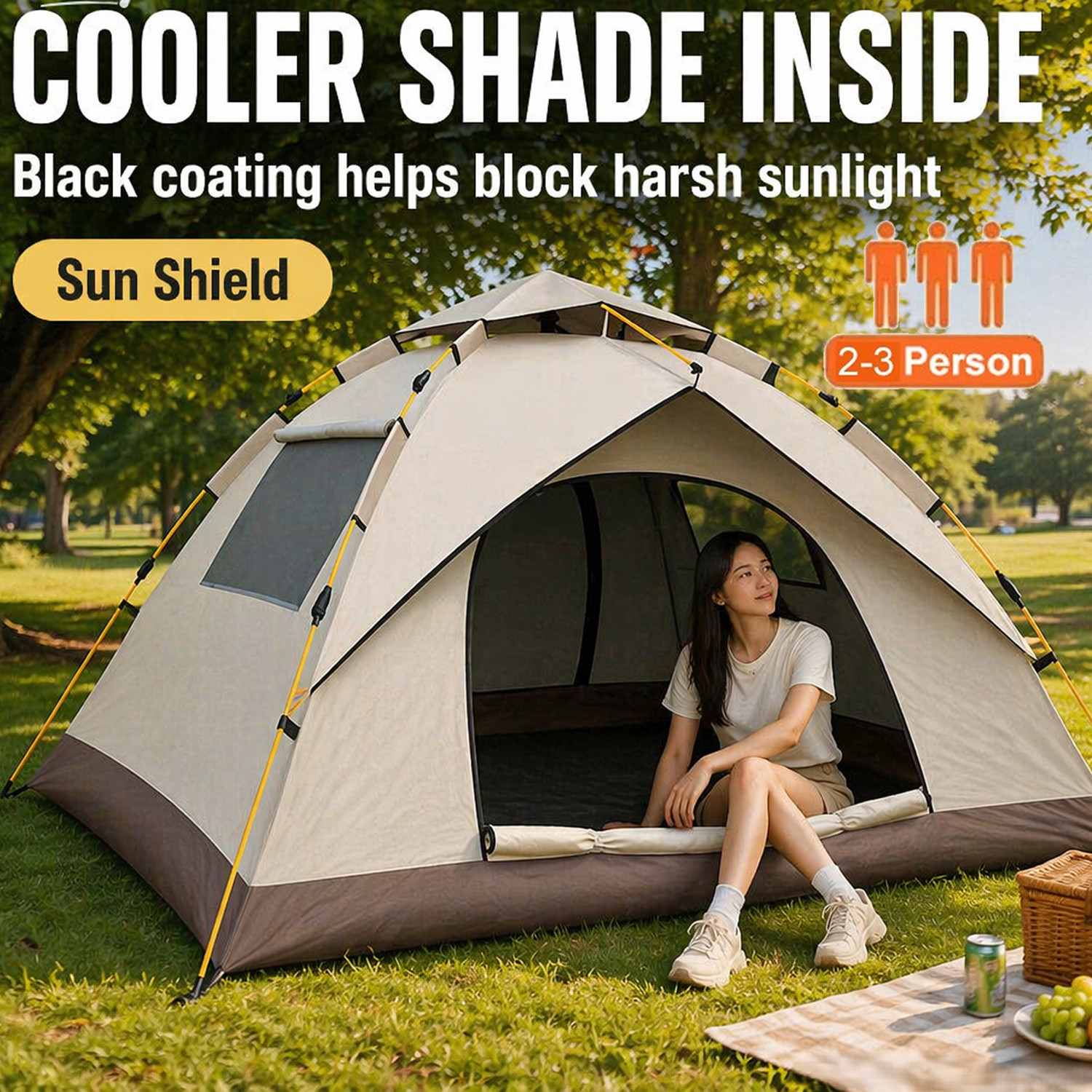 2-3 Person Pop Up Tents Waterproof Windproof Instant Tent for Camping Hiking New$35.99View on eBay
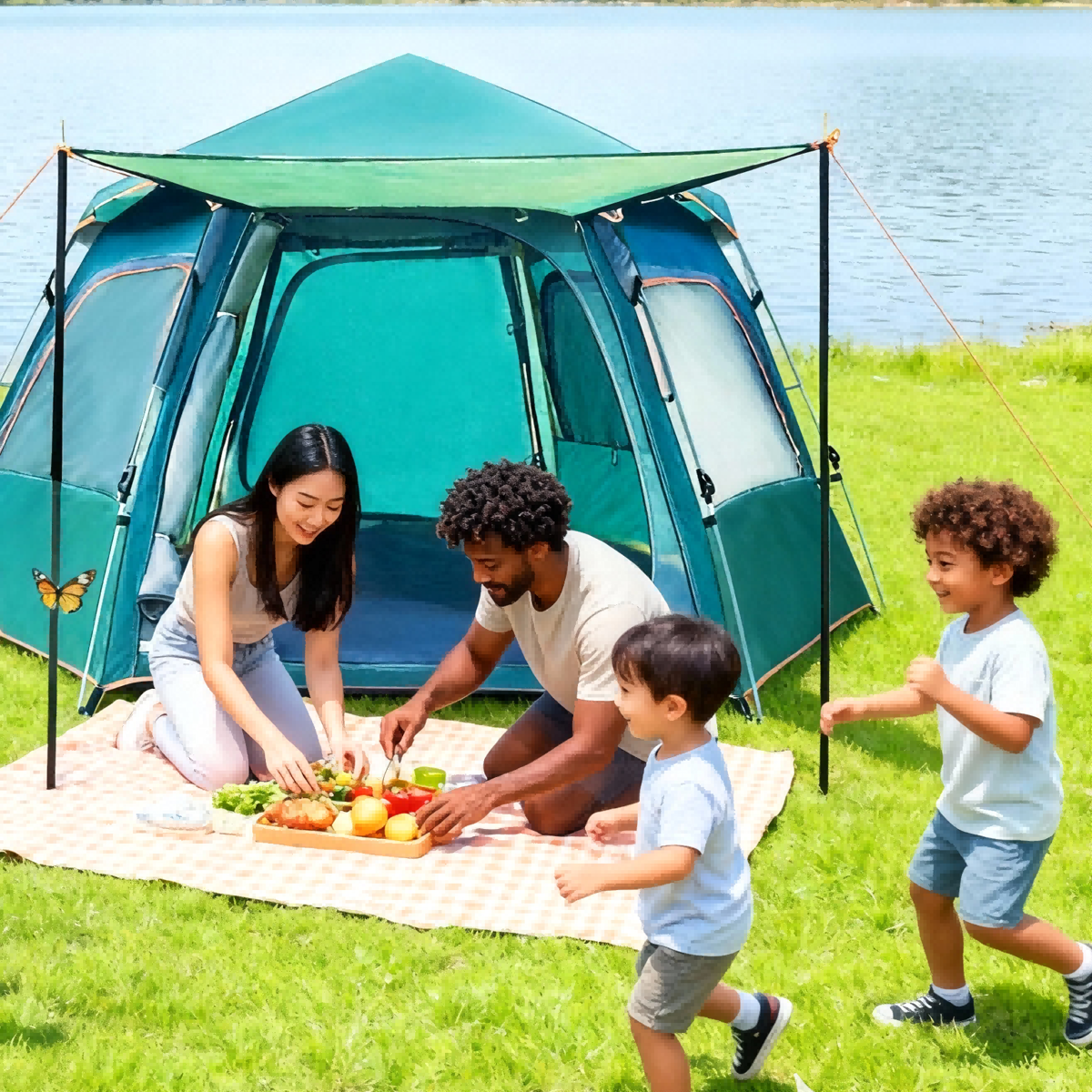 Quick-opening Tent 4-6 Person Medium-sized Outdoor Portable Suitable For Family Camping Activities Pop-up Hiking Beach Party$54.99View on Mallflare
- 3-4 Person Pop Up Tents Waterproof Windproof Instant Tent for Camping Hiking NEW$38.99View on eBay
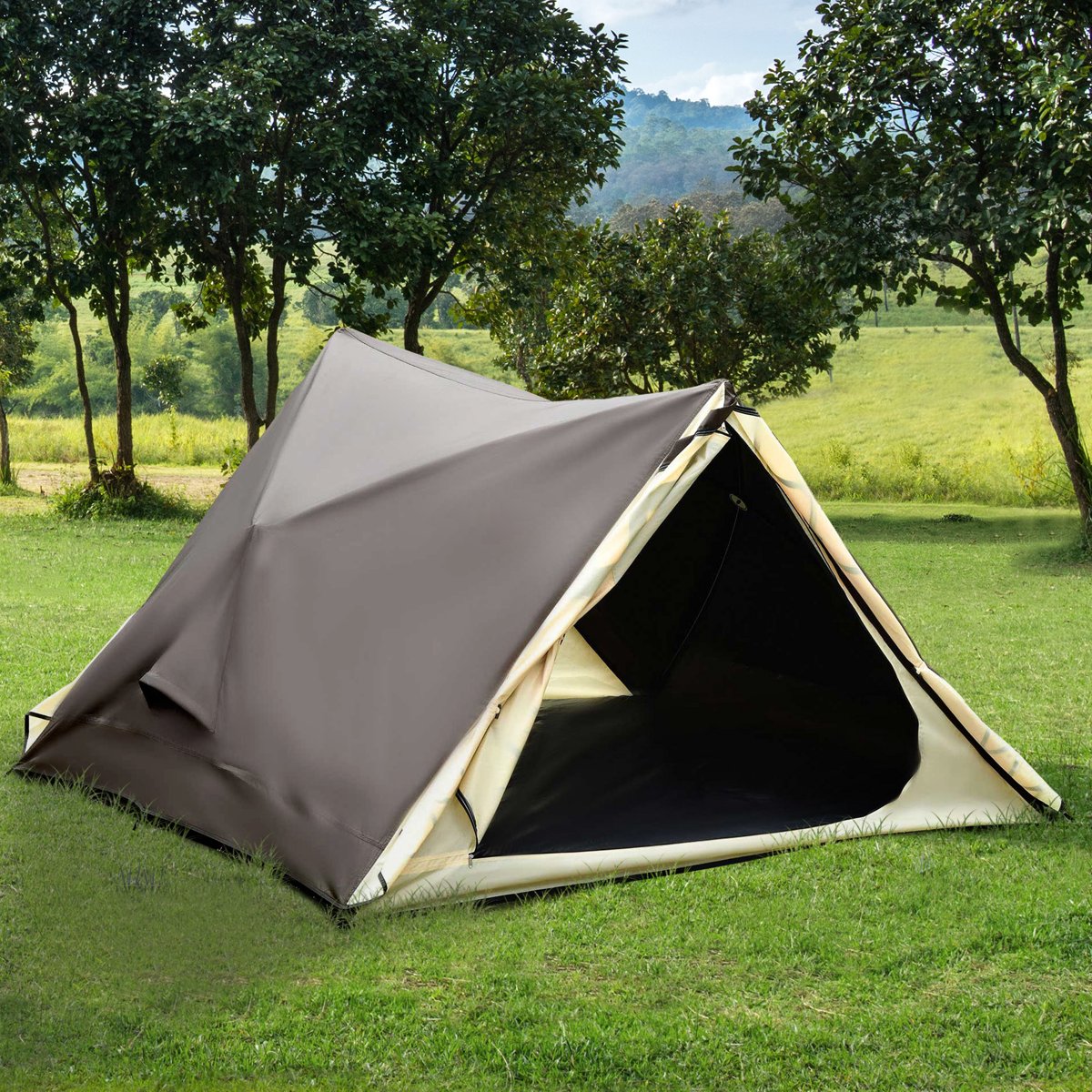 2-3 People Pop Up Camping Tent Waterproof Automatic Instant Portable Cabana Beach with Rainfly, Carry Bag, Windows and Doors, Outdoor Hiking Indoor$94.99View on Mallflare
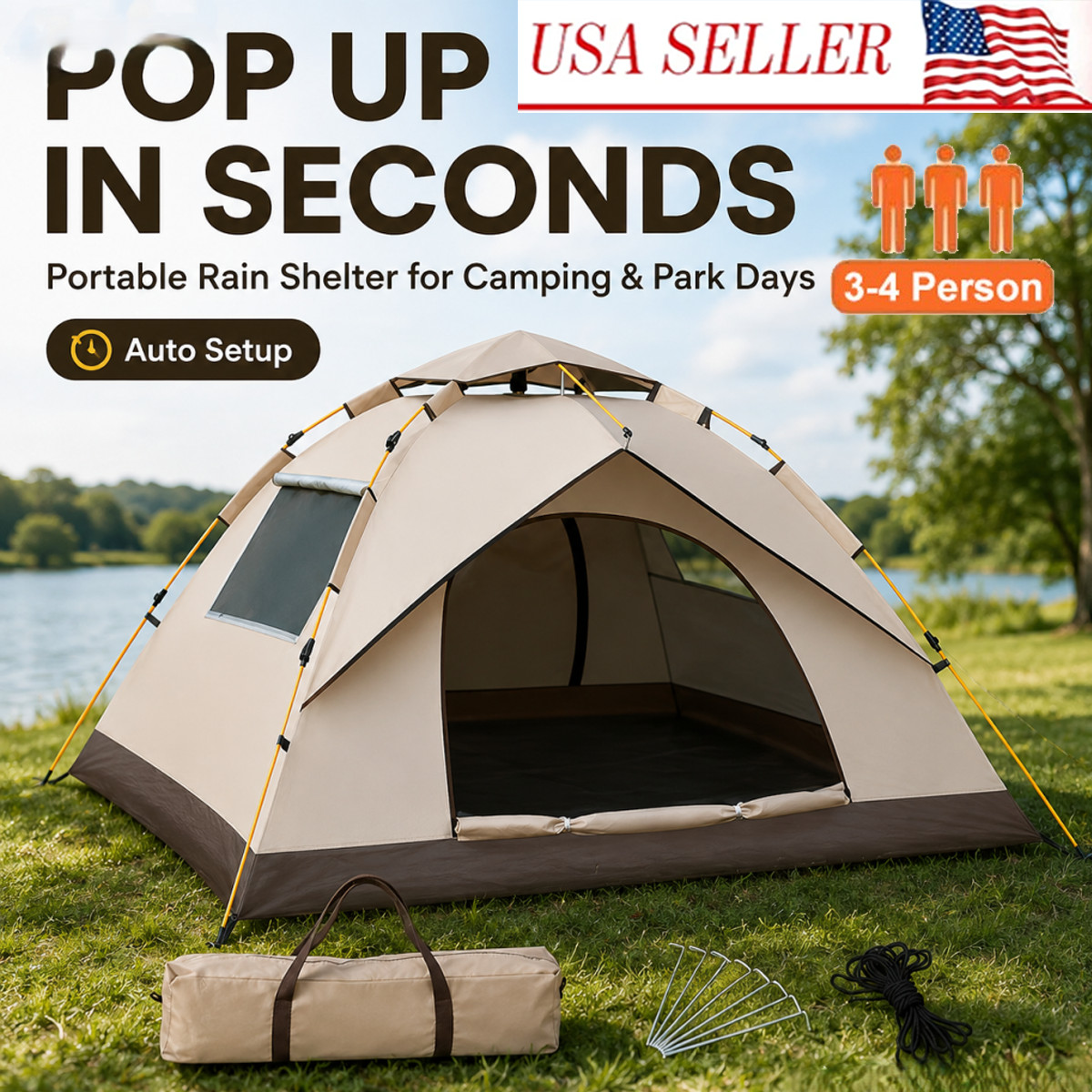 3-4 Person Automatic Quick Pop Up Tents Portable Instant Tent for Camping Hiking$38.99View on eBay
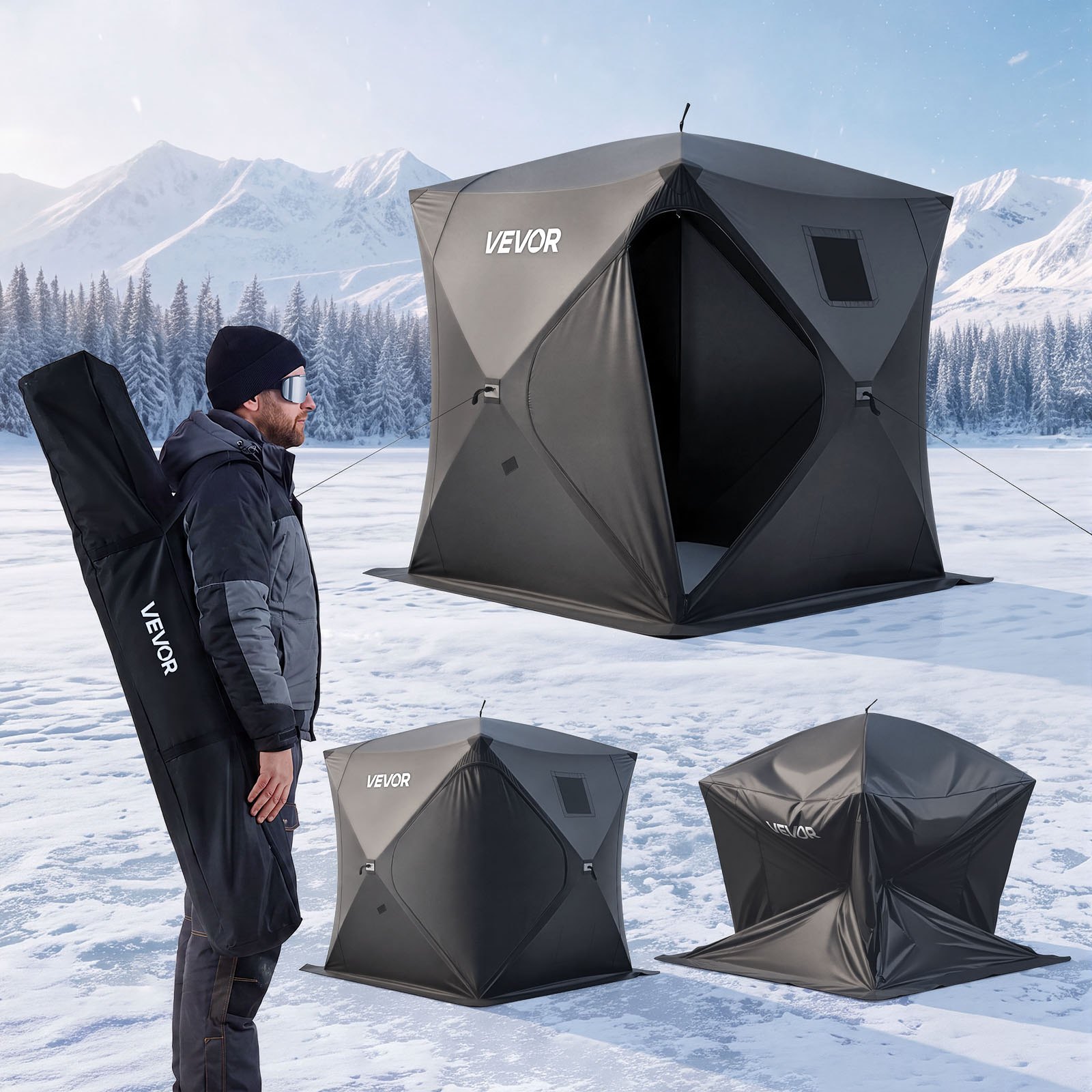 Pop Up Ice Fishing Tent 1-2 Person 59 x 59 x 65 in Portable Shelter, for Winter 24 sq ft Area, 300D Oxford Fabric Hub-Style Shanty, Ice Cube with Anchors, Ropes, Carrying Bag, Black$122.99View on Mallflare
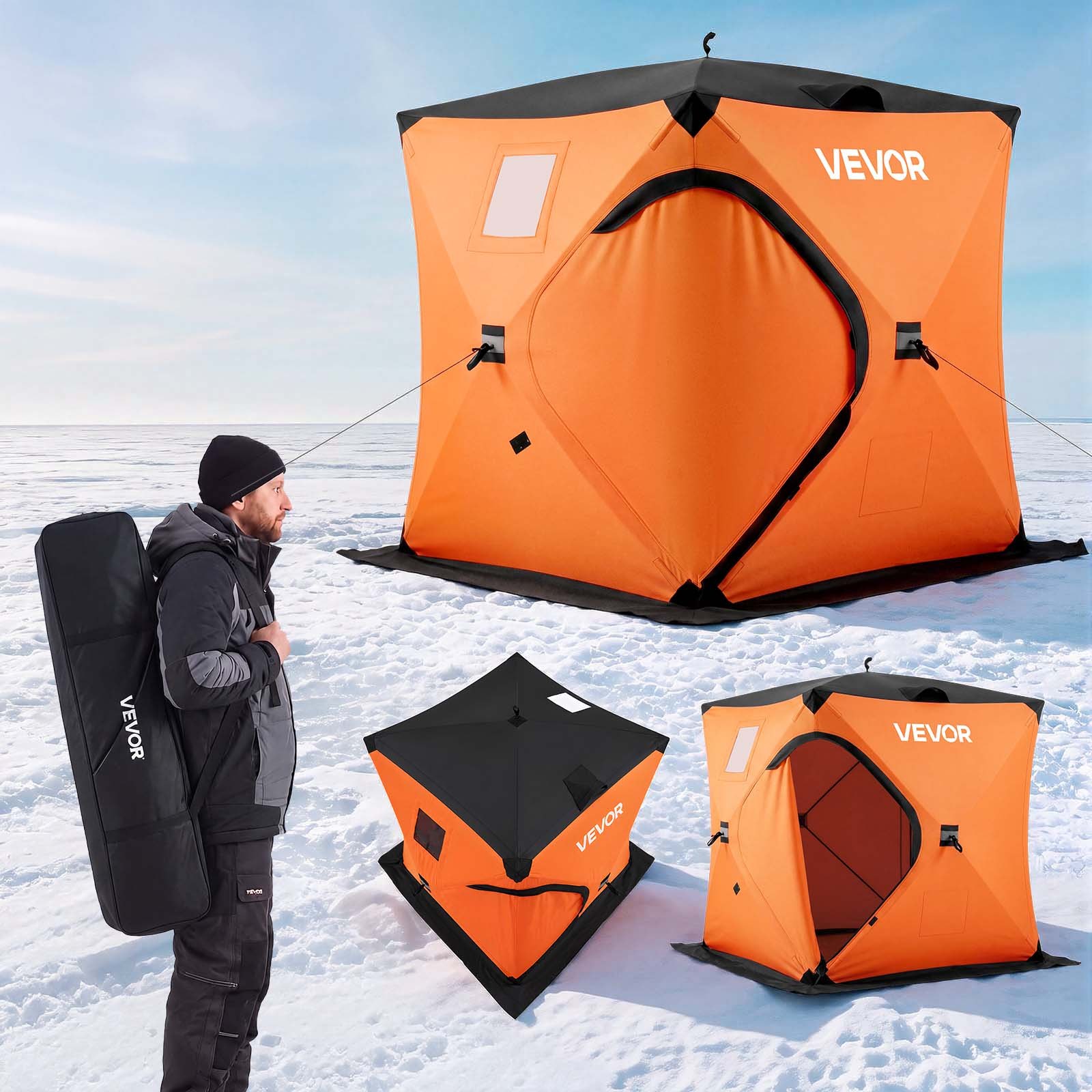 Pop Up Ice Fishing Tent 1-2 Person 60 x 60 x 69 in Insulated Shelter, for Winter 25 sq ft Area, 600D 4-Layer Fabric, Portable Hub-Style Shanty Cube with Anchors, Ropes, Carrying Bag$138.99View on Mallflare
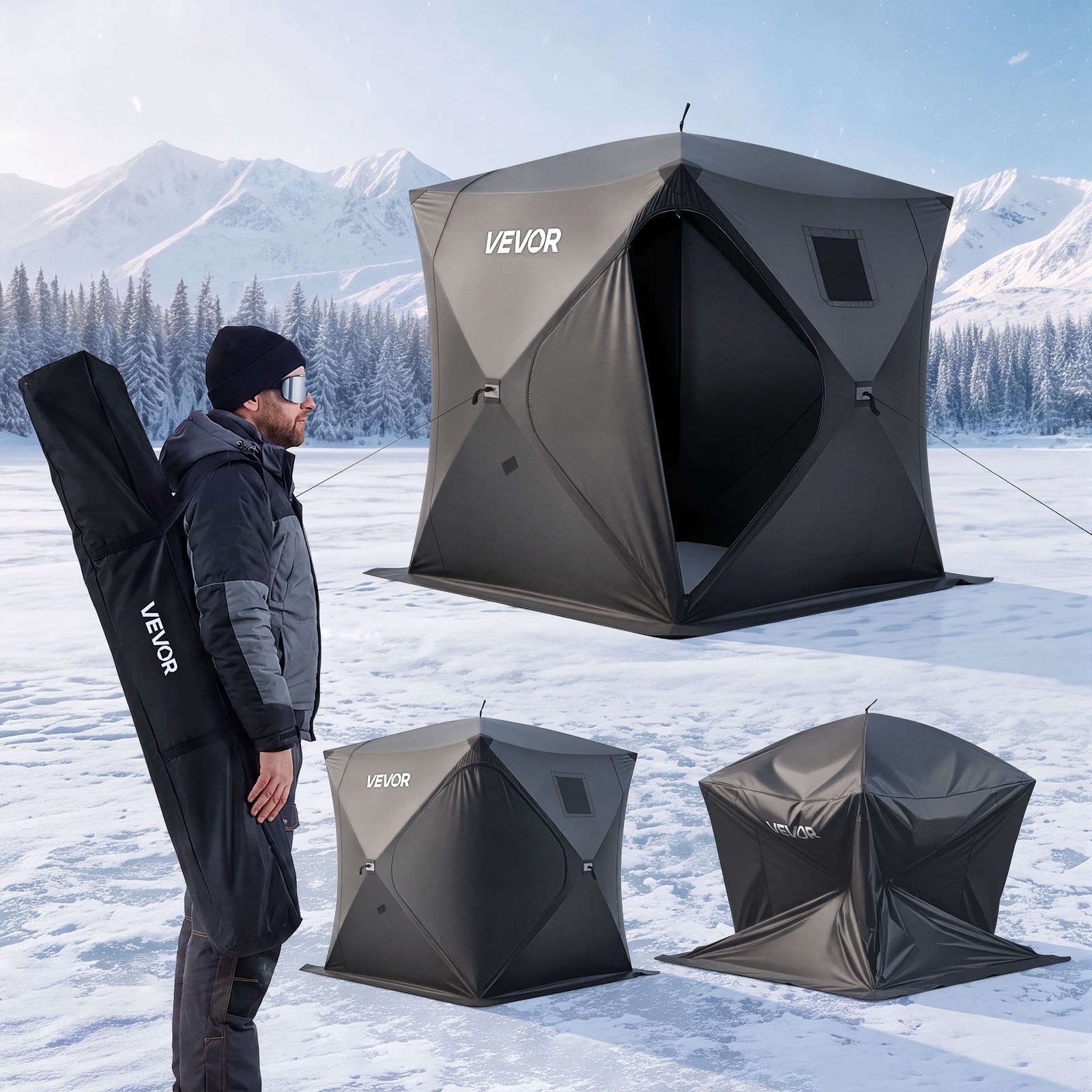 Pop Up Ice Fishing Tent 3-4 Person 71 x 71 x 79 in Portable Shelter, for Winter 34 sq ft Area, 300D Oxford Fabric Hub-Style Shanty, Ice Cube with Anchors, Ropes, Carrying Bag, Black$157.99View on Mallflare
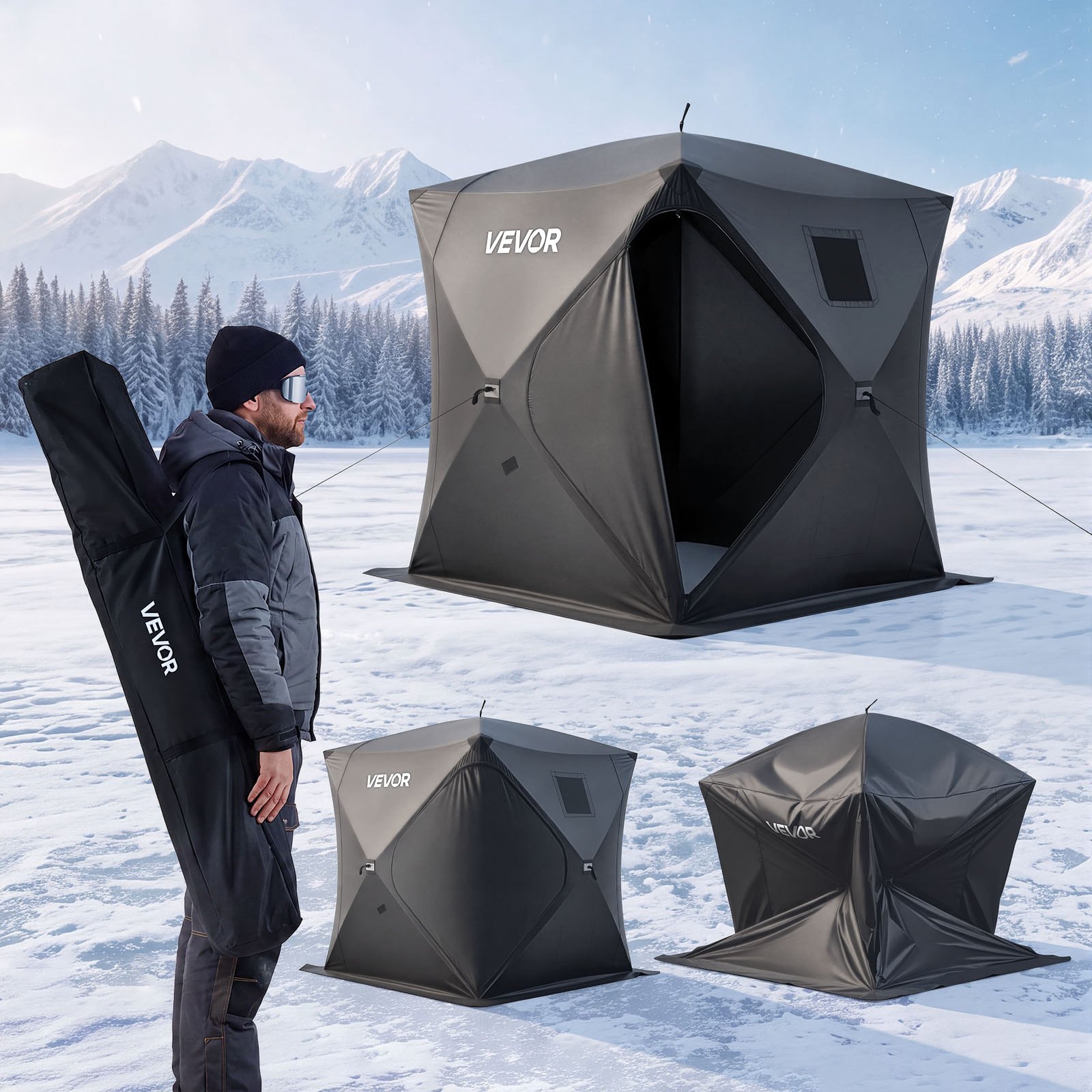 Pop Up Ice Fishing Tent 3-4 Person 90 x 90 x 77 in Portable Shelter, for Winter 58 sq ft Area, 300D Oxford Fabric Hub-Style Shanty, Ice Cube with Anchors, Ropes, Carrying Bag, Black$179.99View on Mallflare
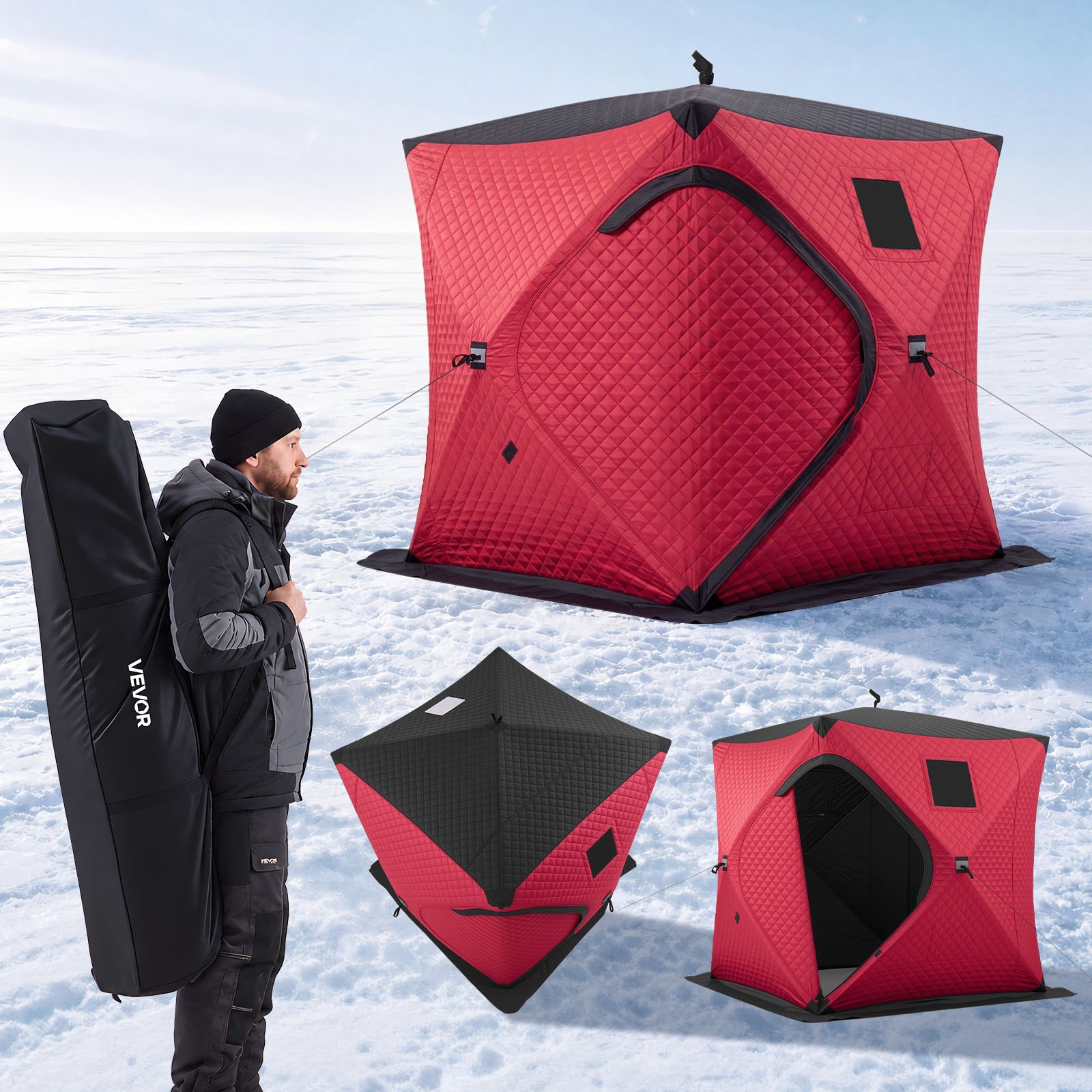 Pop Up Ice Fishing Tent 3-4 Person 71 x 71 x 79 in Insulated Shelter, for Winter 34 sq ft Area, 600D 4-Layer Fabric, Portable Hub-Style Shanty Cube with Anchors, Ropes, Carry Bag, Red$195.99View on Mallflare
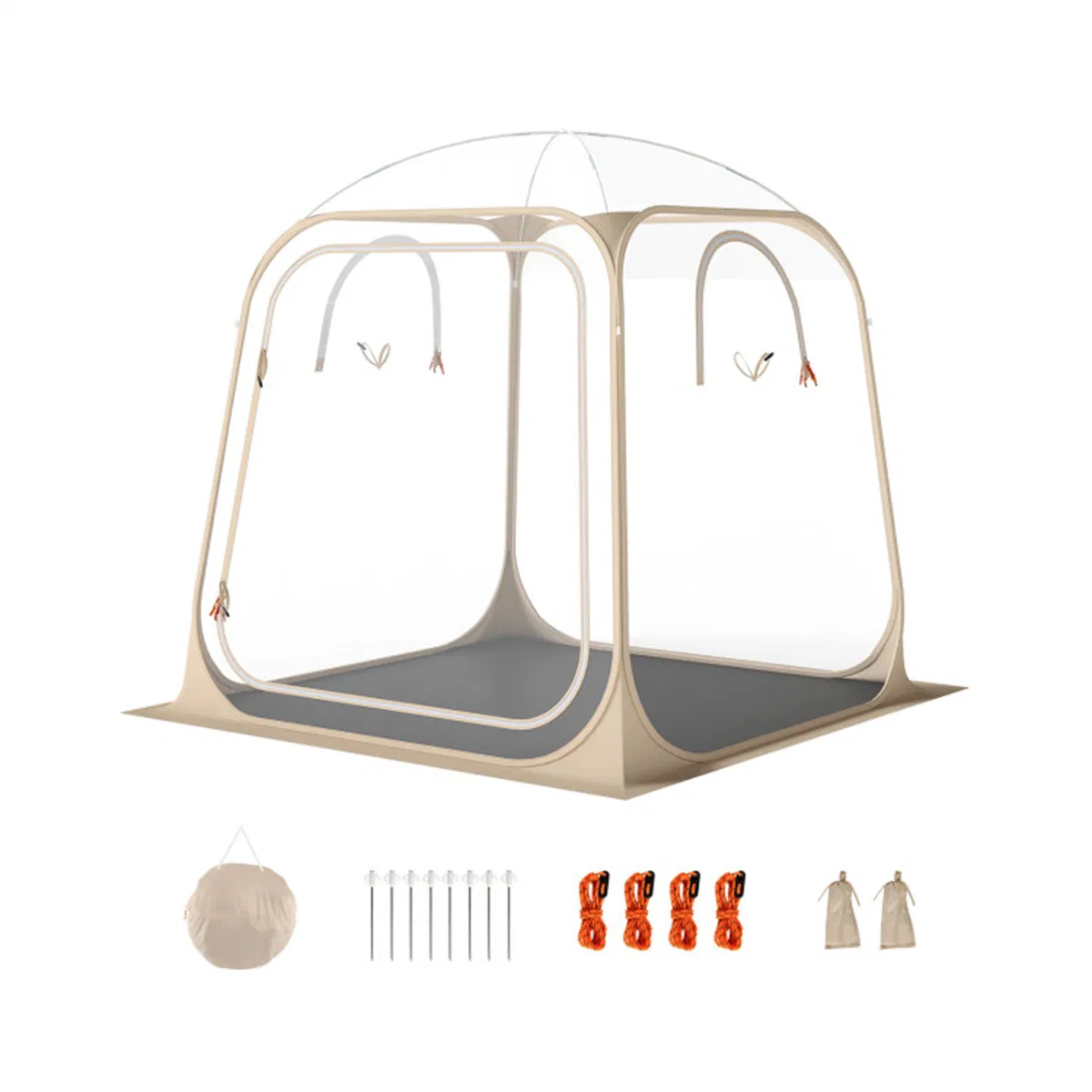 7×7FT Clear Pop Up Sports Tent, Waterproof Windproof PVC for 2-4 People, Transparent Outdoor Pod for Camping$208.99View on Mallflare
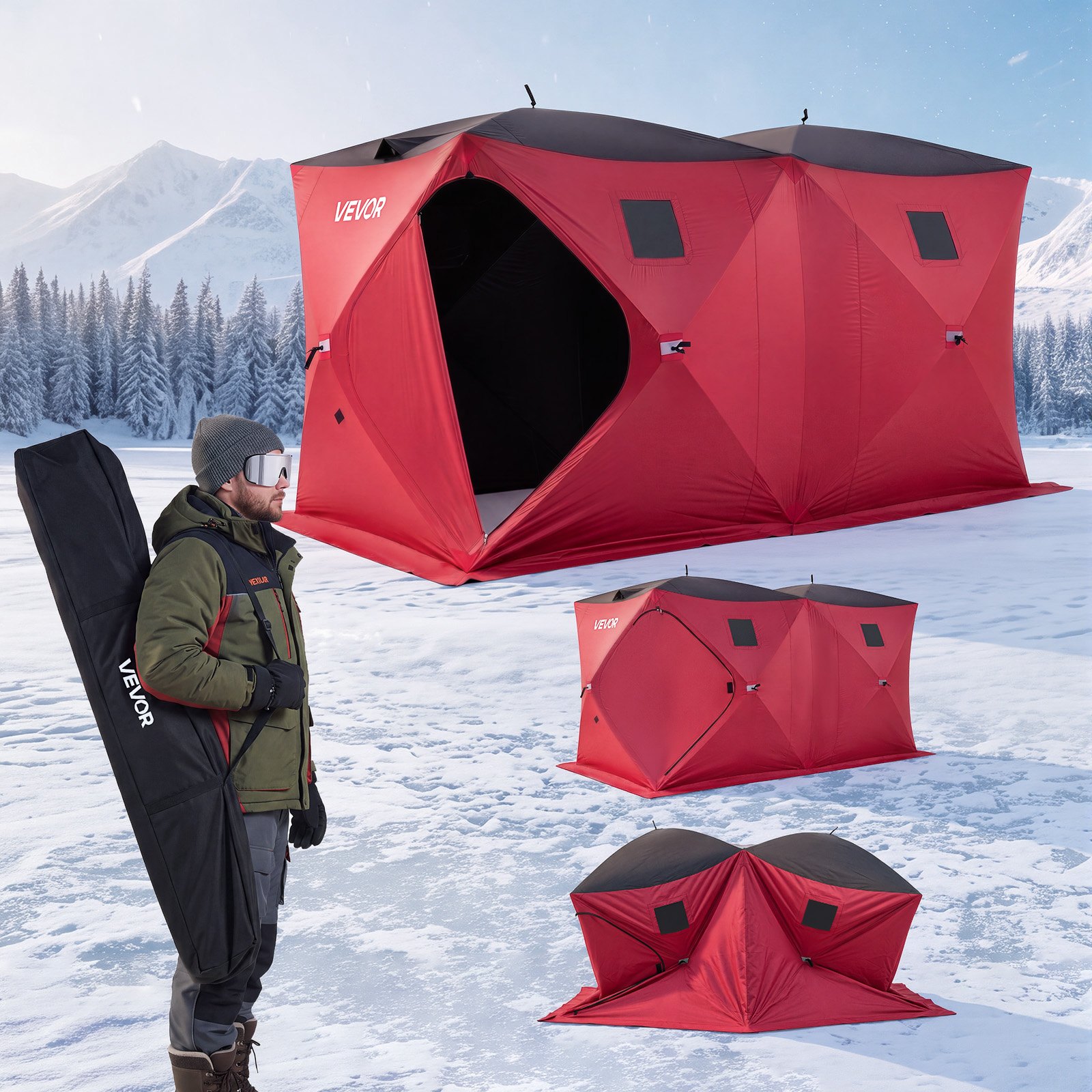 Pop Up Ice Fishing Tent 6-8 Person 142 x 71 x 79 in Portable Shelter, for Winter 67 sq ft Area, 300D Oxford Fabric Hub-Style Shanty, Ice Cube with Anchors, Ropes, Carry Bag, Red/Black$214.99View on Mallflare
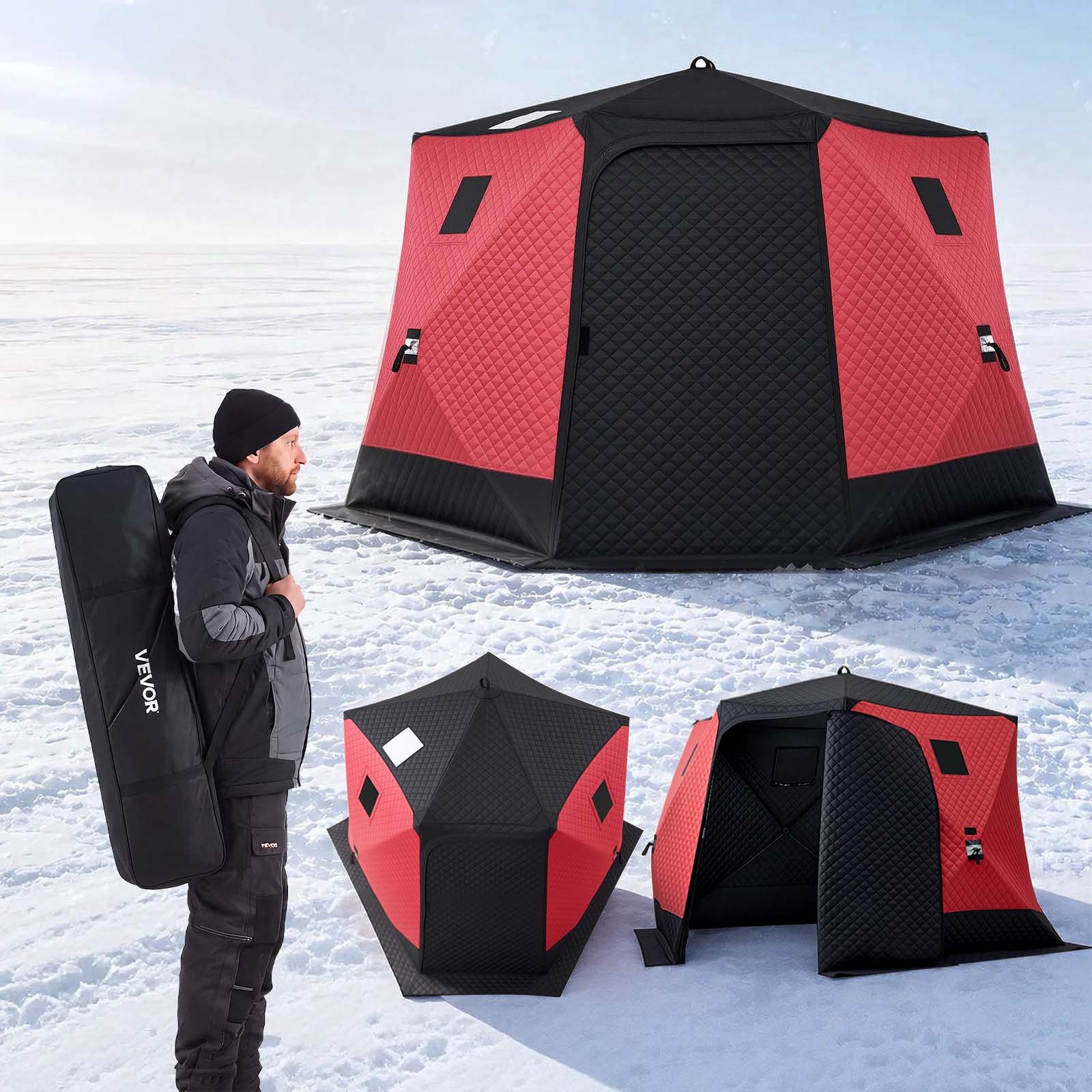 Pop Up Ice Fishing Tent 6-8 Person 130x130x79 in Insulated Shelter, for Winter 73 sq ft Area, 600D 4-Layer Fabric, Portable Hub-Style Shanty Cube with Anchors, Ropes, Carry Bag, Red$255.99View on Mallflare
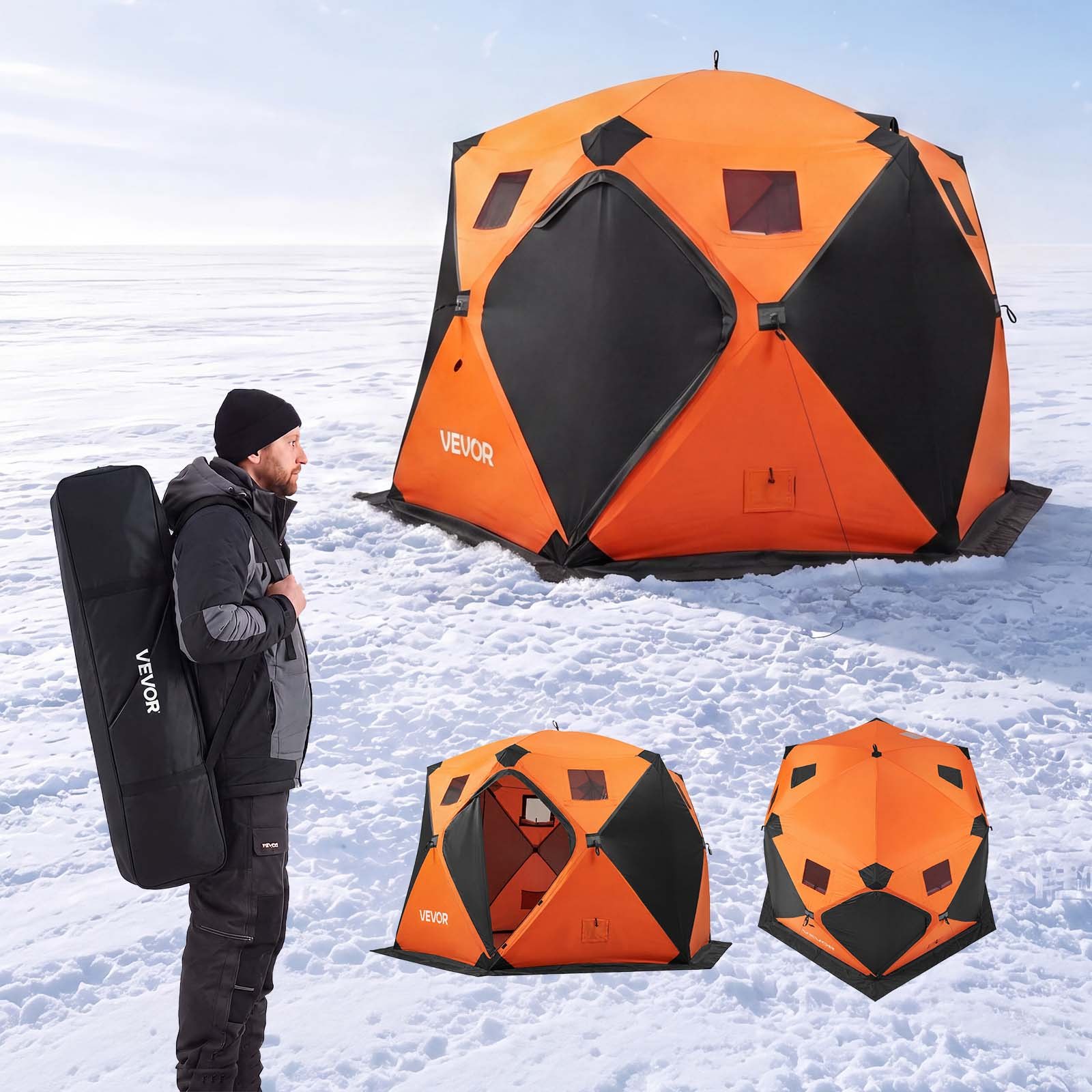 Pop Up Ice Fishing Tent 6-8 Person 137 x 69 x 91 in Insulated Shelter, for Winter 84 sq ft Area, 600D 4-Layer Fabric, Portable Hub-Style Shanty Cube with Anchors, Ropes, Carrying Bag$291.99View on Mallflare
Highlights
- Frame construction: coiled fiberglass rods (affordable, corrodes-resistant, can splinter) vs pre-bent steel wire (heavier, stronger, pricier) — determines wind limit and how many seasons it survives.
- Waterproof rating: hydrostatic head under 1,000 mm sheds light drizzle only; 1,500–3,000 mm handles steady rain; look for taped or sealed seams, because unsealed seams leak regardless of coating.
- Person ratings assume floor space only: a 2-person pop-up fits two 25-inch sleeping pads wall-to-wall; subtract one person for gear, and a 4-person is effectively a comfortable 3-person.
- Privacy and beach variants are single-wall fabric shells (often no floor, no rainfly) — a different product class from camping pop-ups and not rain- or wind-rated for overnight use.
Best use cases
- Car camping and festival weekends: pick a 3–4 person hub-style pop-up with a 1,500 mm+ waterproof fly and taped seams; skip ultralight backpacking models, since a popped tent weighs 6–12 lbs and packs long.
- Beach, picnic, and backyard shade: pick a half-dome sunshade pop-up with mesh panels and sand pockets; skip any model rated for overnight rain, as single-wall beach shells have no floor or sealed seams.
- Privacy shelter for showers, changing, or camp toilets: pick a dedicated tall privacy pop-up with a full floor and zip door, in height 6 ft 3 in or above; do not substitute a camping sleep tent, which lacks headroom and venting.
- Exposed, windy, or rainy multi-day trips: skip pop-ups entirely and use a traditional pole tent rated 3,000 mm+ with a full-coverage fly; instant frames flex, and fiberglass hubs are the first failure point.
Buying tips
- Match floor dimensions in inches to your sleep setup: two 25-inch pads need at least 55 inches of width; three pads need 75 inches, so size up if the spec is border-line.
- Check the fabric spec, not the marketing name: 190T polyester is entry-level, 210D oxford with a polyurethane coating is durable, and ripstop nylon resists tearing at stress points.
- Verify the folded length against your vehicle: most 4-person pop-ups pack to 30–40 inches, which fits a trunk but not a motorcycle or bicycle pannier.
- Confirm one-piece vs separate rainfly: integrated flies are faster but trap condensation; separate flies ventilate better but add setup steps and are often sold as accessories.
Specs
| Frame Type | Pre-bent fiberglass vs steel wire |
|---|---|
| Waterproof Rating | 800–3,000 mm hydrostatic head |
| Sleep Capacity | 2–3 person vs 4–6 person floor size |
| Packed Size | 24–40 in folded length |
Related searches
What to check before buying
- Measure your sleeping area and standing headroom: pop-up peak heights run 40–60 inches for 2–3 person, 60–70 inches for 4–6 person — know your clearance needs before choosing a size class.
- Check the packed length and weight against your transport: 2-person pop-ups pack around 24–30 inches, 4–6 person around 32–40 inches; weigh against trunk or rack capacity.
- Confirm your campsite rules and ground surface: many parks require a footprint or groundsheet under any tent, and pop-ups with sewn-in floors still benefit from one on abrasive or rocky ground.
- For privacy and shower models, verify a water source and drainage plan nearby; these shelters have no floor drain and will pool water unless placed on a slight slope or over a drain grate.
FAQ
Data sources: eBay / Amazon listings and product attribute feeds Data updated Nov 16, 2026.
Some links on this page are affiliate links. If you buy after clicking one, we may earn a commission at no extra cost to you. This does not change which products appear here or their order. Affiliate disclosure.