Photos from current listings. Actual item, color, and included accessories may vary.
6 Person Tent Buying Guide
A 6-person tent is a family or group shelter sized for three to six sleeping adults, where the core trade-off is usable floor area and peak height versus packed weight, setup time, and weather resistance. Durable options use pole-and-sleeve or hub architecture with 150D+ Oxford fabric and a full-coverage rainfly rated PU2000mm or higher, while compromises rely on thin 68D polyester, partial flys, or instant pop-up frames that sacrifice wind stability. The decision rule: match the tent's floor-area-per-person and peak height to your actual sleeping configuration, then pick the weatherproofing tier that matches your climate rather than the largest capacity number.


At a glance
- Category
- Tents & Shelters
- Data updated
- Nov 16, 2026
Current offers
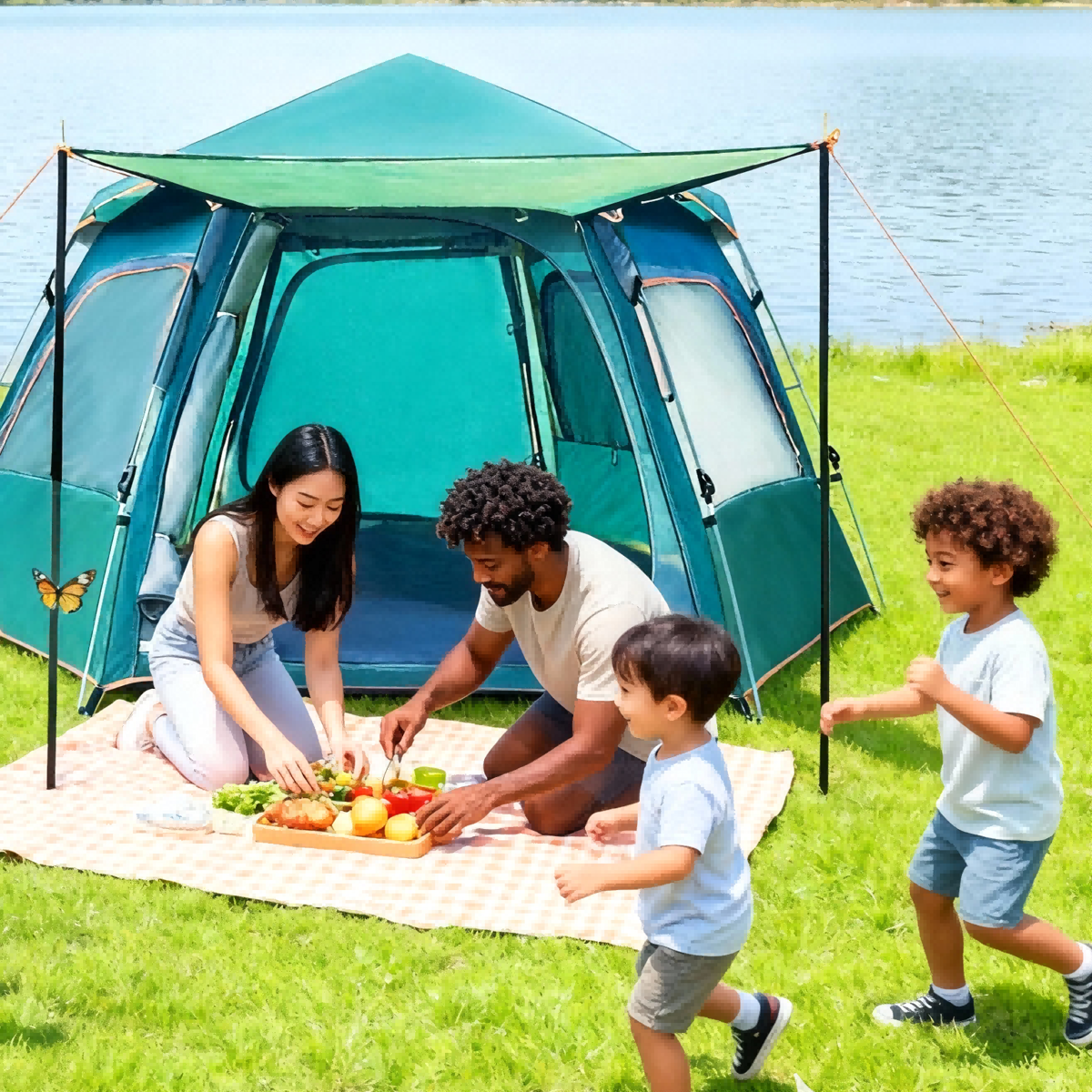 Quick-opening Tent 4-6 Person Medium-sized Outdoor Portable Suitable For Family Camping Activities Pop-up Hiking Beach Party$54.99
 View on Mallflare
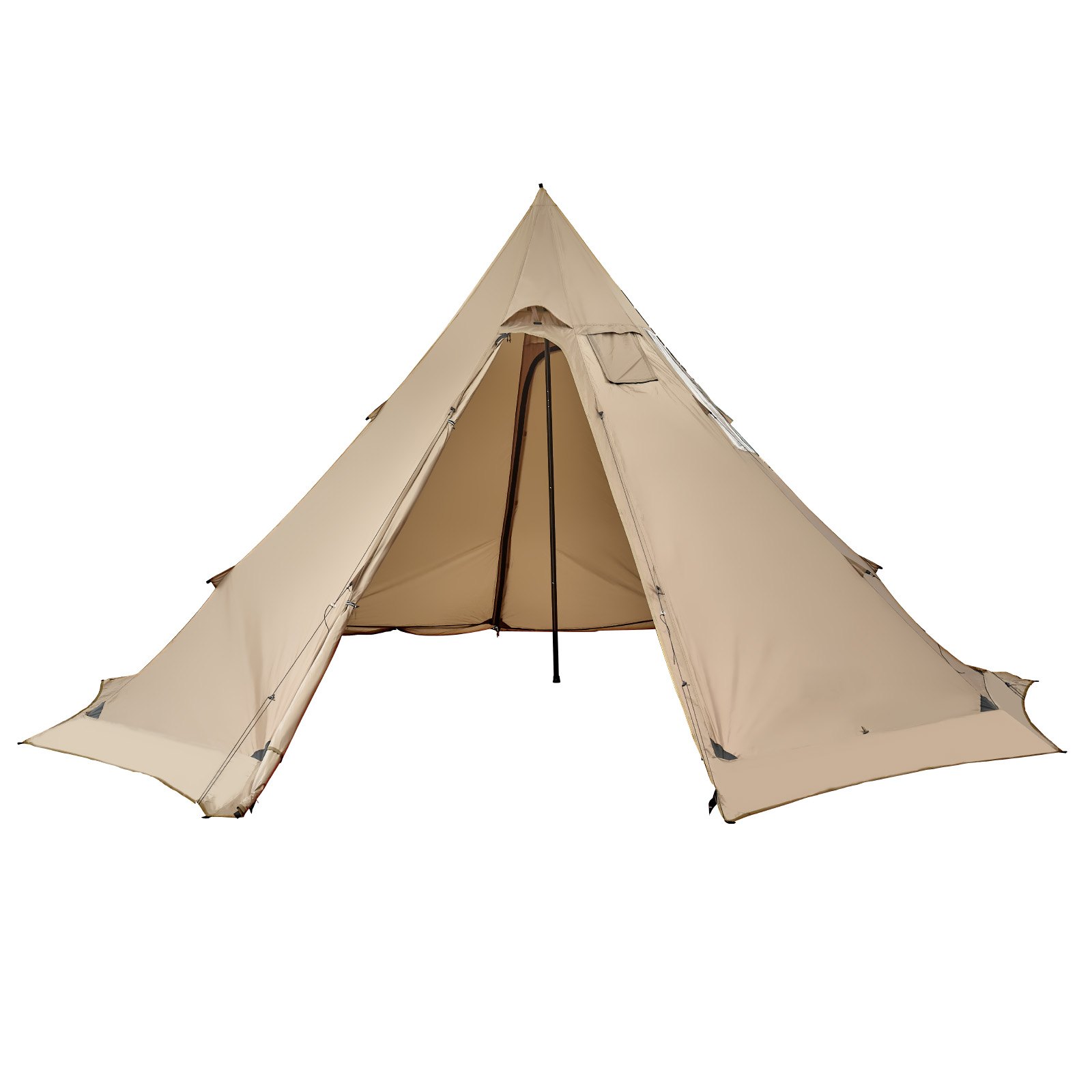 Hot Tent For 4-6 Persons, Portable Winter Tipi With Stove Jack, Waterproof Canvas Camping Tents, Lightweight 4 Season Shelter For Hiking Fishing Backpacking, L Size$79.99View on Mallflare
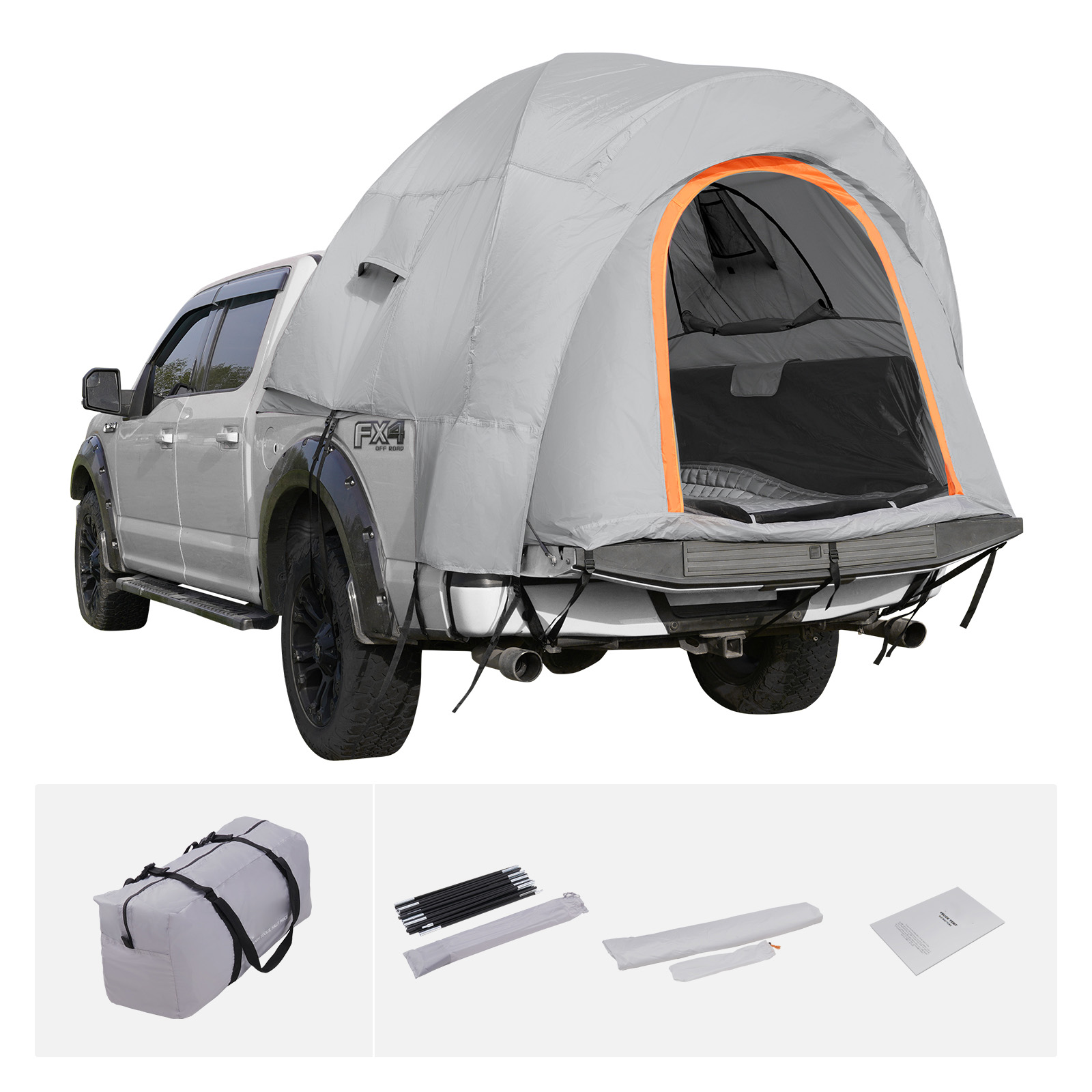
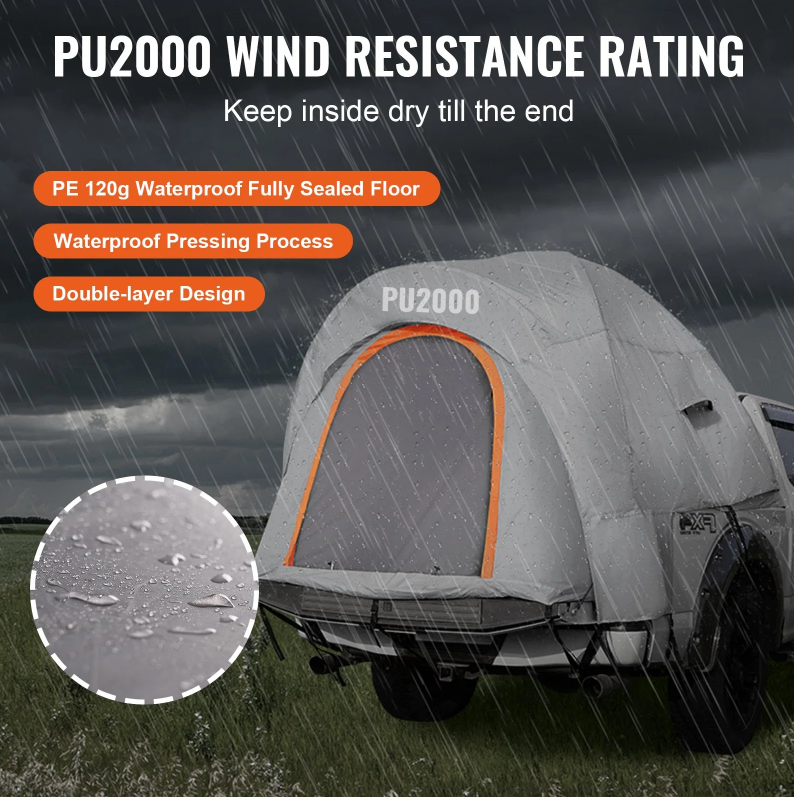 Truck Bed Tent, 5.5'-6' Pickup With Rain Layer And Carry Bag, Waterproof PU2000mm Double For Camping, Accommodate 2-3 Person, For Traveling Outdoor Activities$115.99View on Mallflare
 8'x8' SUV Camping Tent, Double Layer PU2000mm Waterproof Rear Tailgate 6-8 Person Large Capacity Van Hatch With Rain & Carry Bag, Universal Fit For SUV, Minivan, Truck, Jeep Wrangler$180.99View on Mallflare
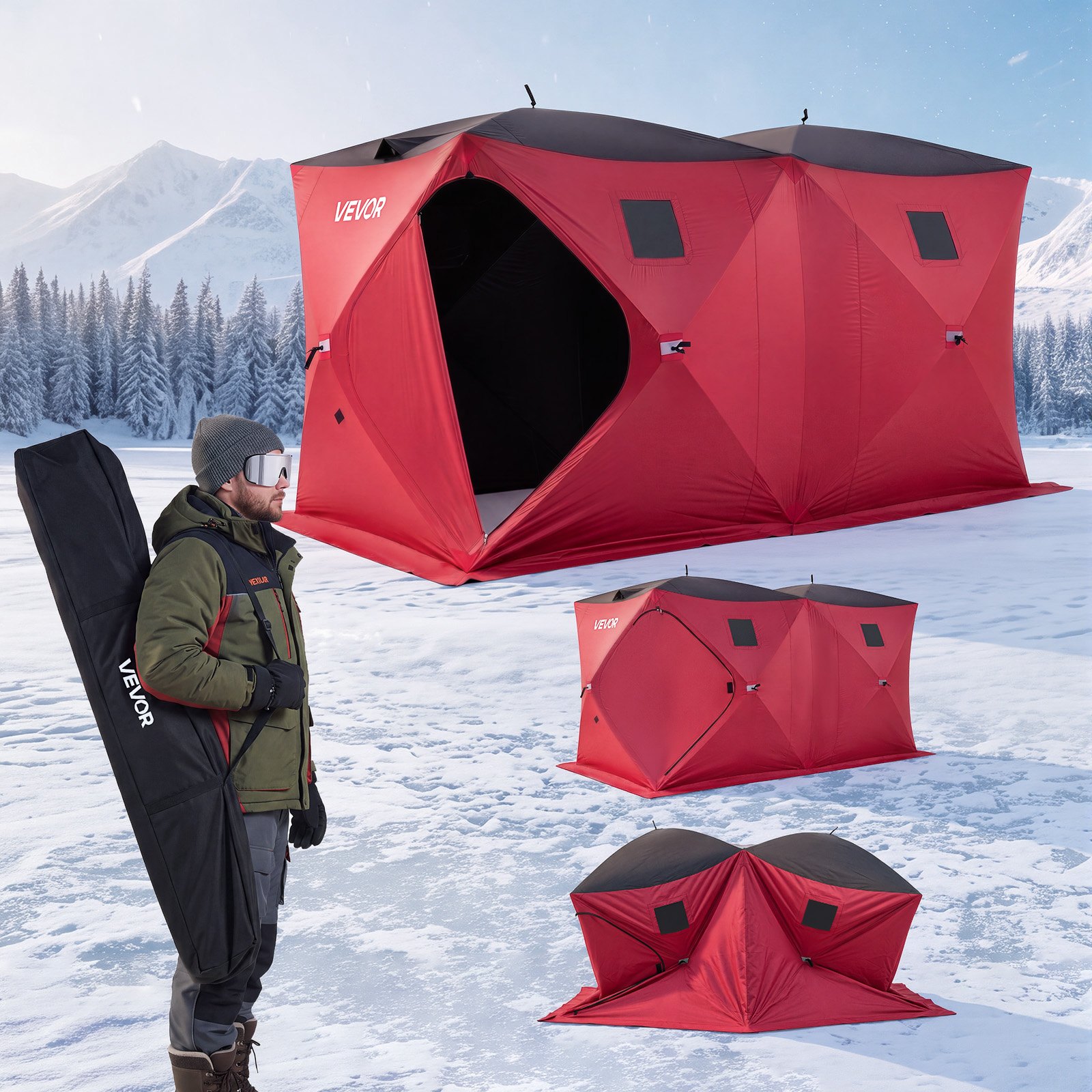 Pop Up Ice Fishing Tent 6-8 Person 142 x 71 x 79 in Portable Shelter, for Winter 67 sq ft Area, 300D Oxford Fabric Hub-Style Shanty, Ice Cube with Anchors, Ropes, Carry Bag, Red/Black$214.99View on Mallflare
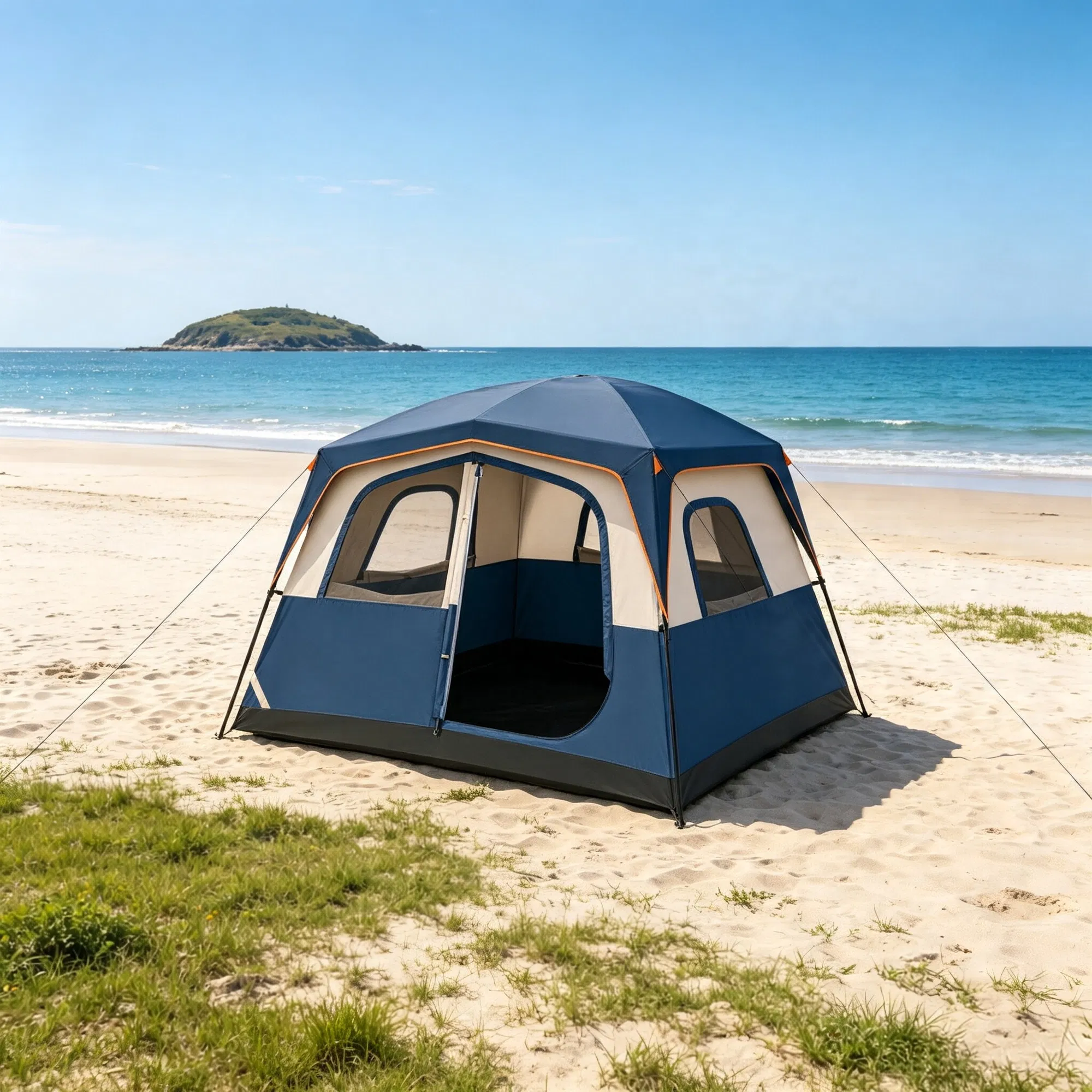 6-Person Family Camping Tent Easy Setup Cabin Style with Top Rainfly And Mesh Windows for Comfortable Outdoor Stay$233.99View on Mallflare
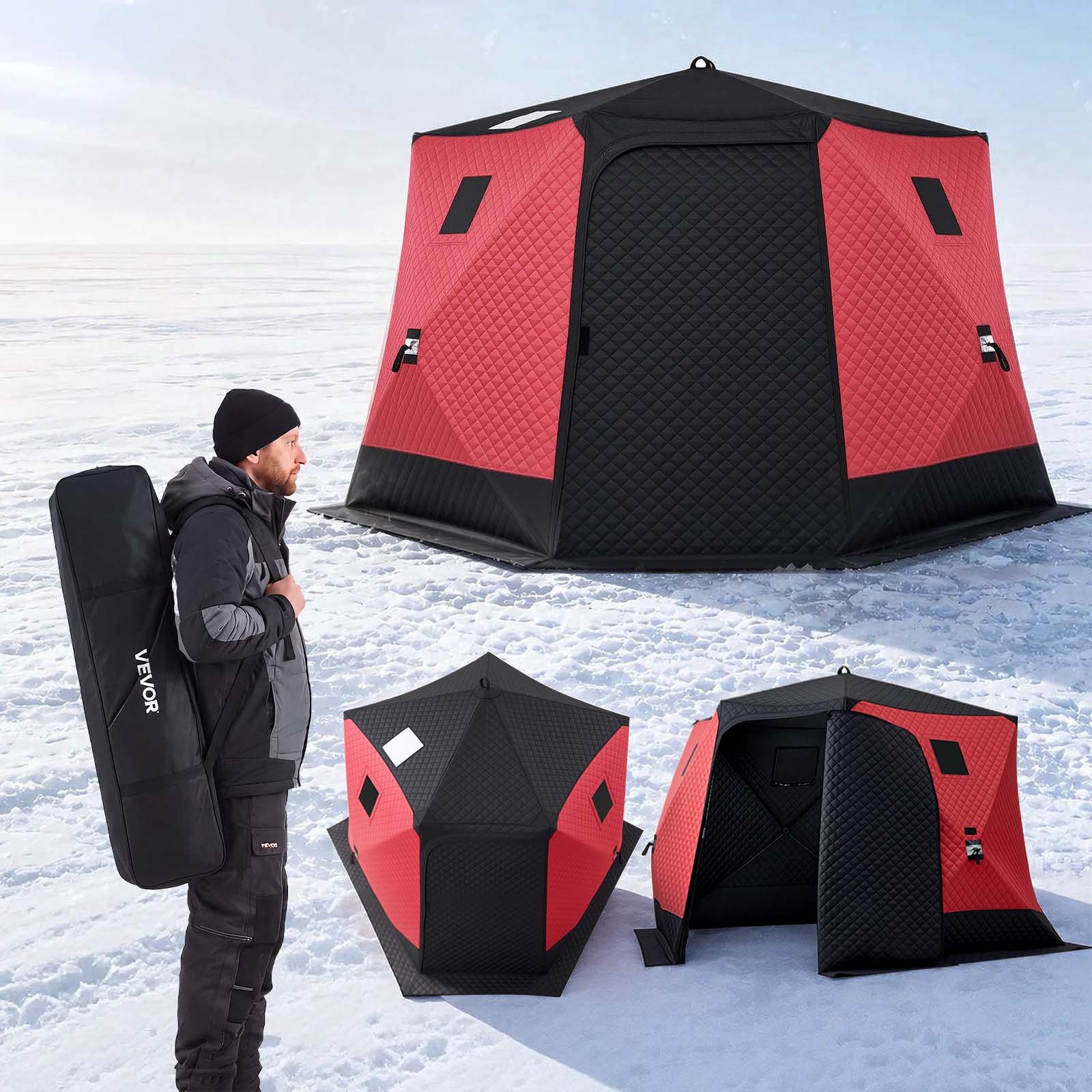 Pop Up Ice Fishing Tent 6-8 Person 130x130x79 in Insulated Shelter, for Winter 73 sq ft Area, 600D 4-Layer Fabric, Portable Hub-Style Shanty Cube with Anchors, Ropes, Carry Bag, Red$255.99View on Mallflare
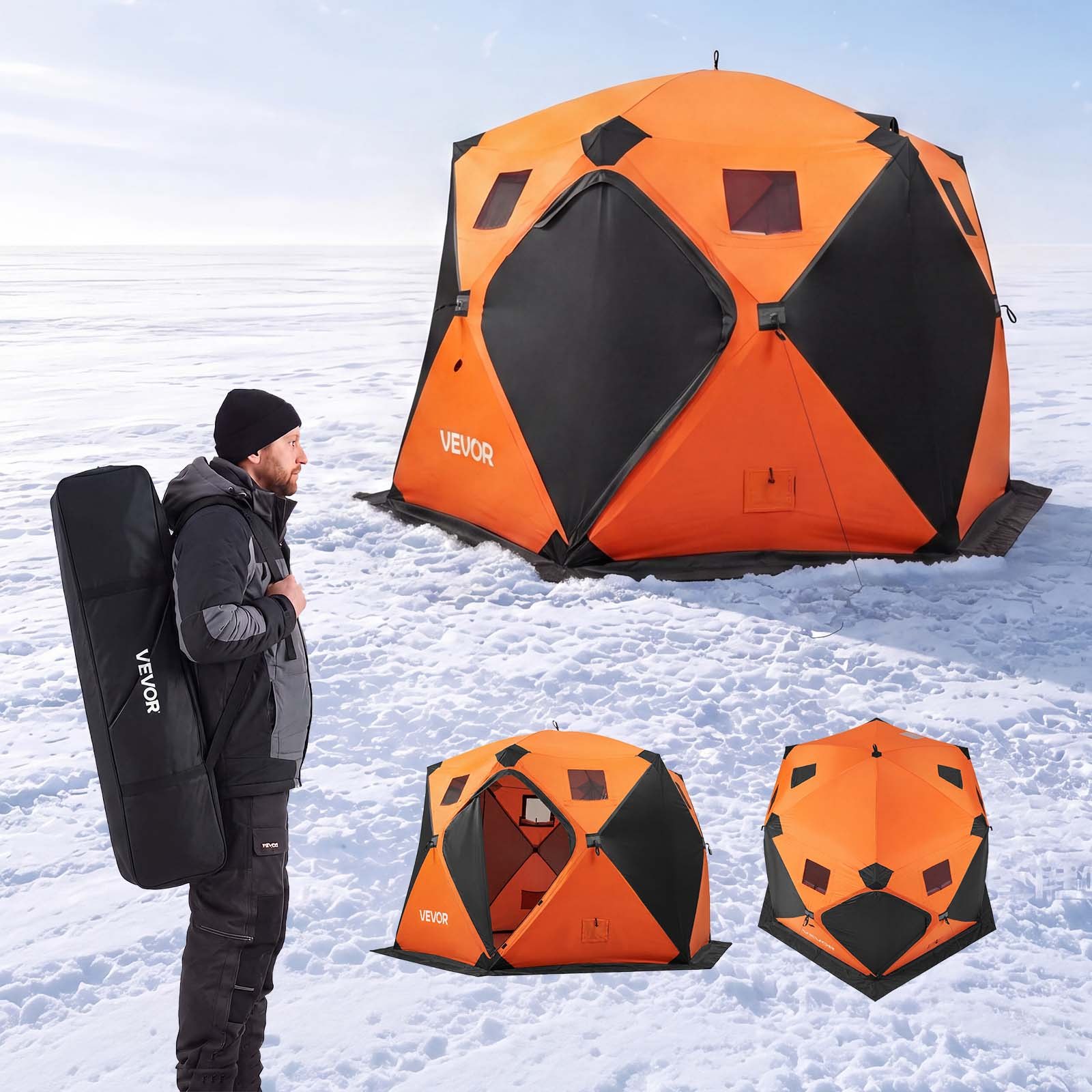 Pop Up Ice Fishing Tent 6-8 Person 137 x 69 x 91 in Insulated Shelter, for Winter 84 sq ft Area, 600D 4-Layer Fabric, Portable Hub-Style Shanty Cube with Anchors, Ropes, Carrying Bag$291.99View on Mallflare
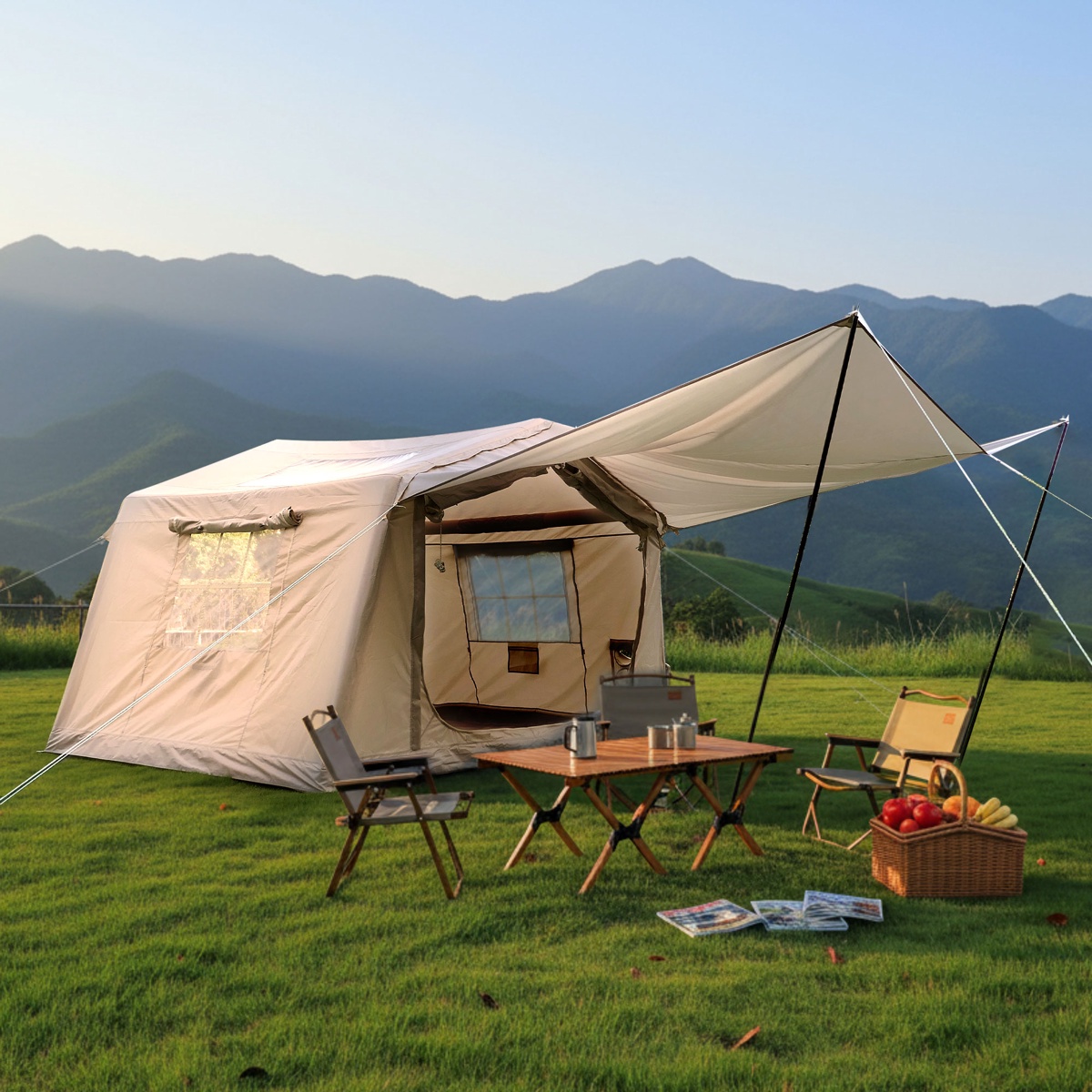 8 m ² Inflatable Tents for Camping with canopy, Blow Up Tent Hand Pump, Easy Setup InflatableTent 4 Season Waterproof Oxford Air Glamping for Adult 4/6/8 Person$371.99View on Mallflare
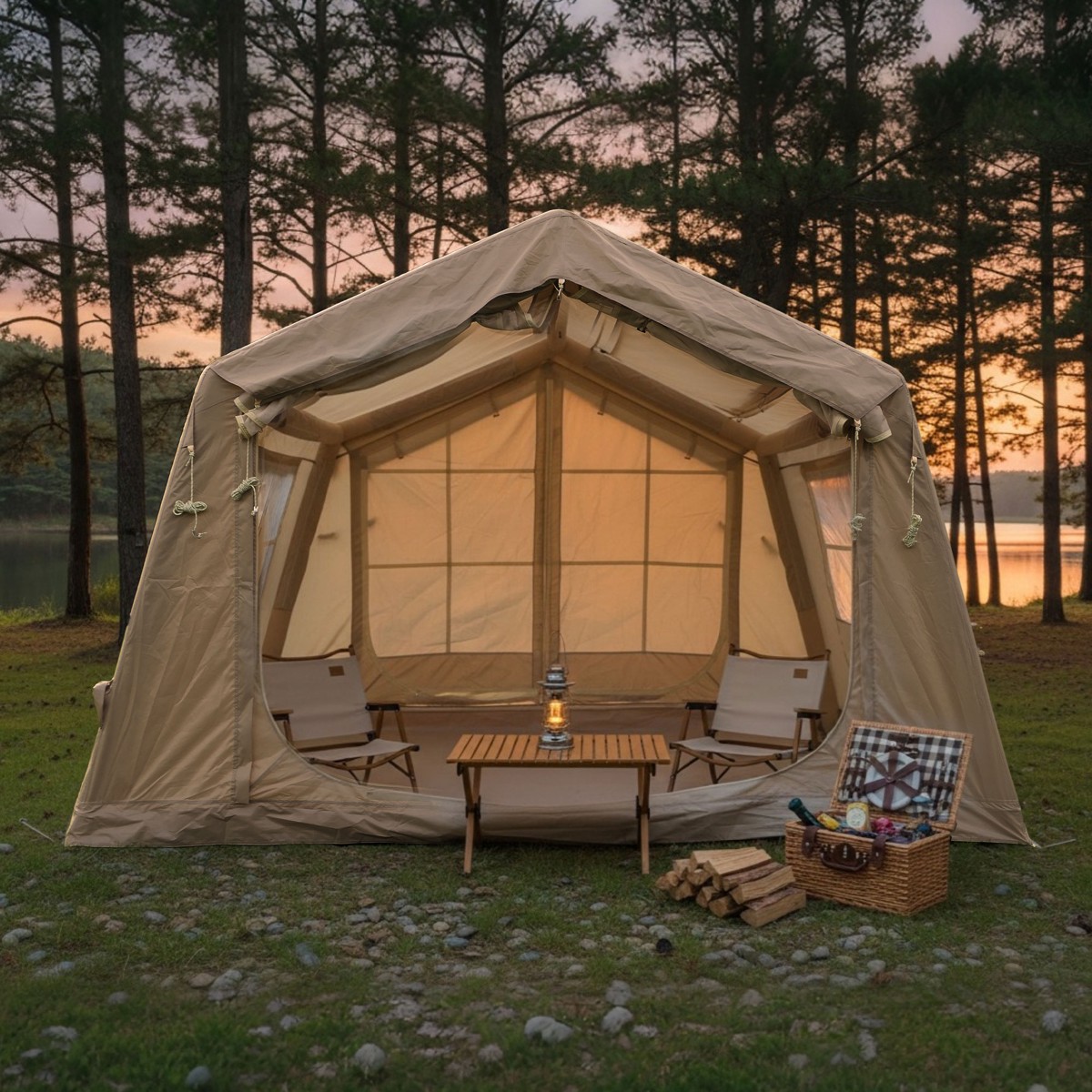 8 m ² Inflatable Tents for Camping, Blow Up Tent with Hand Pump, Easy Setup InflatableTent 4 Season Waterproof Oxford Air Glamping for Adult 4/6/8 Person$377.99View on Mallflare
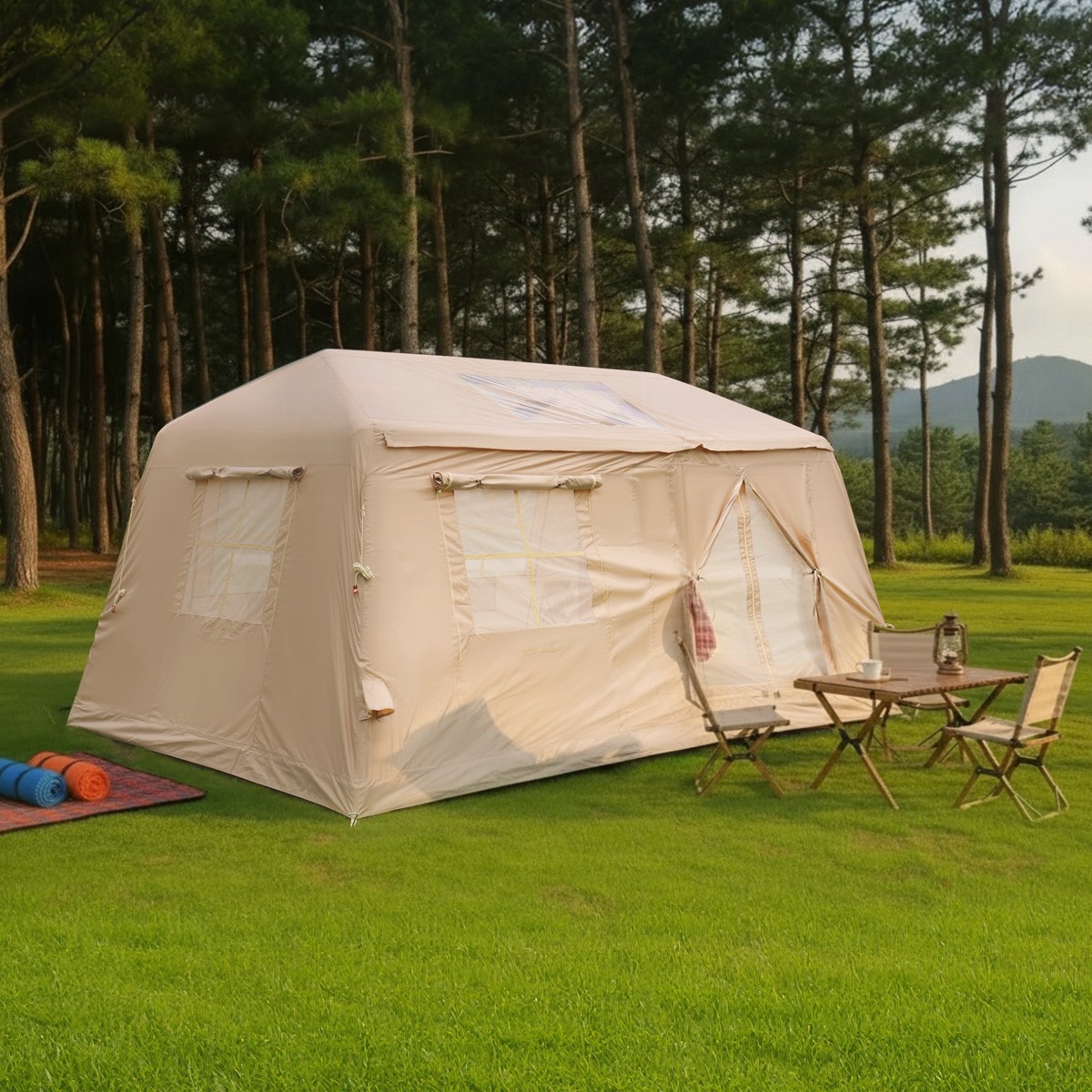 11 m ² Inflatable Tents for Camping, Blow Up Tent with Hand Pump, Easy Setup InflatableTent 4 Season Waterproof Oxford Air Glamping for Adult 4/6/8 Person$483.99View on Mallflare
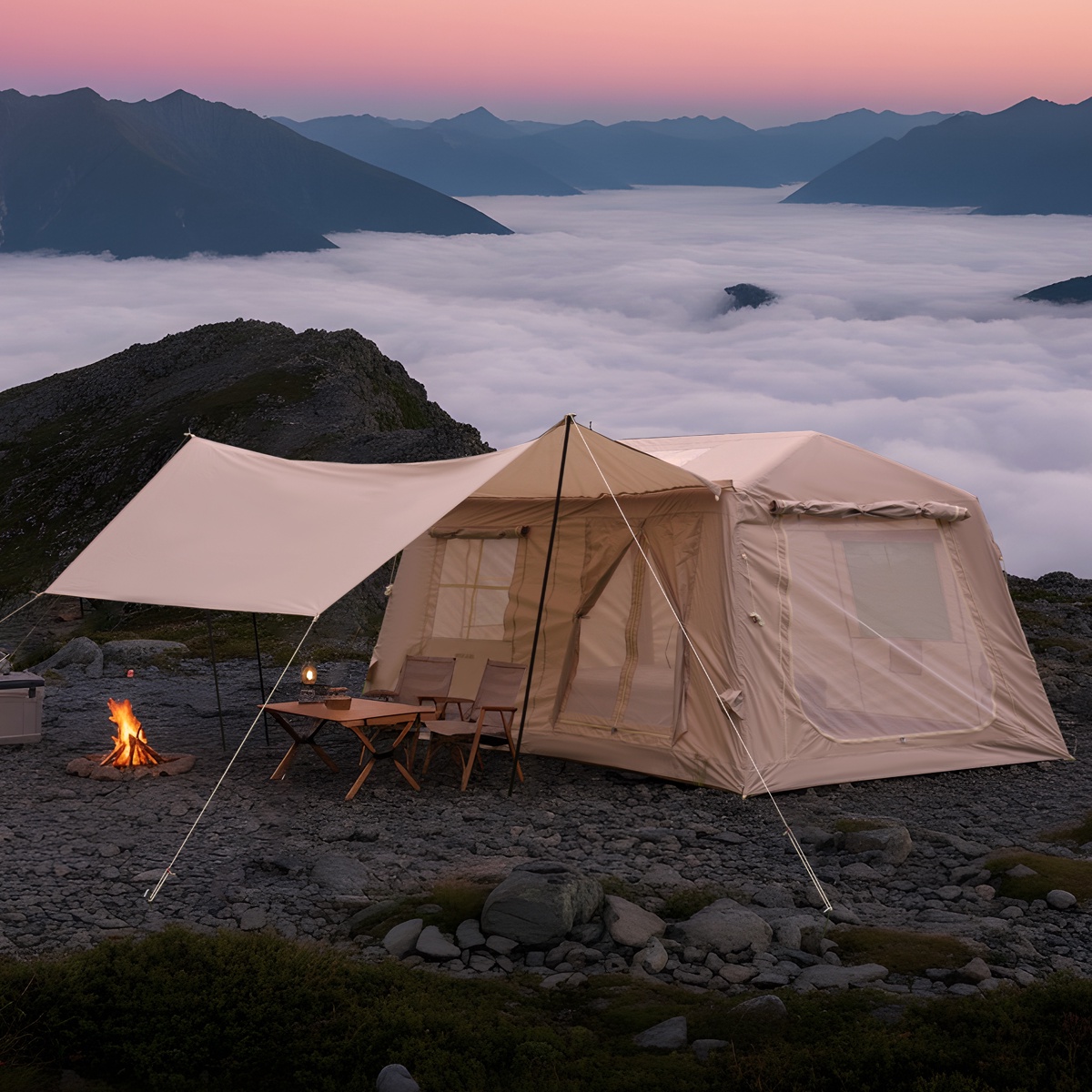 N-11 m ² Inflatable Tents for Camping, Blow Up Tent with Hand Pump, Easy Setup InflatableTent 4 Season Canopy , Waterproof Oxford Air Glamping for Adult 4/6/8 Person$535.99View on Mallflare
Highlights
- Floor area per person is the real capacity metric: 6-person tents range from about 60 sq ft (cramped, 3 real adults) to 100+ sq ft (true 6-person comfort), so divide stated sq ft by 35 for realistic adult capacity.
- Pole architecture separates tiers: aluminum DAC or 7000-series poles with sleeves and a full-coverage fly handle wind and rain, while fiberglass poles and pop-up hub frames suit fair-weather car camping only.
- Waterproofing is rated in hydrostatic head: PU1500mm handles light rain, PU2000-3000mm is the family-camping standard, and 4-season or canvas tipi shelters go higher or rely on breathable cotton-canvas with stove jacks.
- Fabric grade drives durability: 68D-75D polyester is lightweight but prone to UV degradation, 150D-300D Oxford and 600D 4-layer insulated fabrics resist abrasion and are standard in ice-fishing and heavy-use family tents.
Best use cases
- Best fit: car-camping families of 4-6 wanting standing headroom and quick setup should pick a cabin-style or 8-person-rated dome with a full rainfly and aluminum poles, skipping pop-up models.
- Best fit: winter ice fishing or cold-weather basecamp needs a hub-style insulated shanty in 600D 4-layer fabric with anchors and rope tie-downs; skip 3-season mesh tents entirely for this use.
- Best fit: pickup or SUV owners should choose a dedicated truck-bed or tailgate tent sized to their bed length (5.5-6 ft bed for 2-3 people), not a universal 6-person ground tent that won't seal to the vehicle.
- Wrong fit: backpackers and hike-in campers should skip 6-person shelters entirely; a true 6-person tent weighs 15-30+ lb packed and belongs in a vehicle, not on a trail.
Buying tips
- Use the 35 sq ft per adult rule: a 60-70 sq ft tent sleeps 2 adults plus gear, 80-90 sq ft suits 3-4, and only 100+ sq ft delivers genuine 6-person sleeping space.
- Match packed weight to transport: car-camping 6-person tents run roughly 15-30 lb, inflatable air-beam models add a hand pump and 30+ lb, and pop-up hub shelters trade stability for sub-5-minute setup.
- Check pole material and fly coverage together: aluminum poles plus a full-coverage PU2000mm+ fly is the minimum for three-season rain; fiberglass poles with a partial fly are fair-weather-only compromises.
- For cold-weather use, require a stove jack compatible with your stove pipe diameter, sealed seams, and a fabric rated for 4-season snow load rather than a mesh-heavy 3-season body.
Specs
| Sleeping Capacity | 3-6 adults (35 sq ft per person) |
|---|---|
| Floor Area | 60-120 sq ft (divided by persons) |
| Waterproof Rating | PU1500-3000mm hydrostatic head |
| Pole & Frame Type | Aluminum poles vs fiberglass/pop-up hub |
Related searches
What to check before buying
- Measure your sleeping pads and gear footprint before buying: six 25-inch-wide pads need 150 inches of width, which many 6-person tents cannot provide in a single room.
- Confirm your vehicle bed or hatch dimensions and tailgate height if buying a truck-bed or SUV tent; universal-fit models require adjustable straps and a rain layer to seal against the body.
- Check climate and season: summer mesh tents need ventilation and a rainfly, while winter hub shelters need insulated 600D fabric, anchors for ice, and a stove jack if you plan to heat.
- Verify pole count and guy-line points for wind exposure, and confirm the tent includes stakes, ropes, and a carry bag rated for the packed weight you will actually lift.
FAQ
Data sources: eBay / Amazon listings and product attribute feeds Data updated Nov 16, 2026.
Some links on this page are affiliate links. If you buy after clicking one, we may earn a commission at no extra cost to you. This does not change which products appear here or their order. Affiliate disclosure.