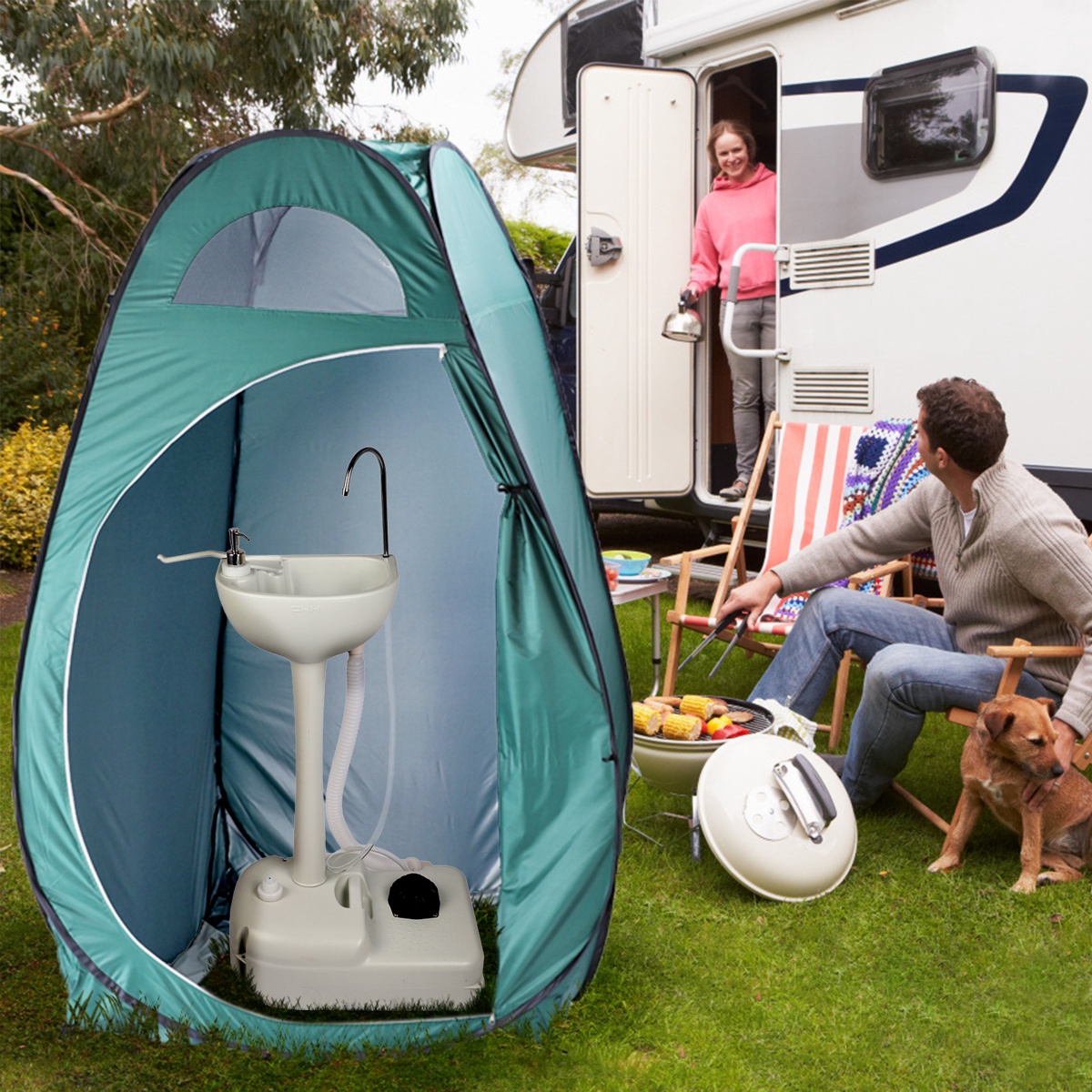

Photos from current listings. Actual item, color, and included accessories may vary.
Army Tent Buying Guide
Army tents are heavy-duty, multi-person canvas or poly-cotton shelters built for sustained field use, group sleeping, or basecamp command posts. The core trade-off is between mil-spec canvas durability and modular pole systems versus lighter synthetic fabrics that sacrifice weather resistance. Choose genuine military-surplus canvas (or equivalent 10-12 oz poly-cotton) for multi-season durability; skip thin polyester pop-ups for anything beyond privacy or fair-weather dressing.


At a glance
- Category
- Tents & Shelters
- Data updated
- Nov 16, 2026
Current offers
Highlights
- Mil-spec canvas: 10-12 oz/yd² cotton duck or poly-cotton blend resists UV, mildew (with treatment), and long-term abrasion far better than 190T/210T polyester.
- Pole architecture: modular steel or aluminum frame poles with swaged joints and guy-line tensioning define structural integrity; fiberglass and wire pop-up frames collapse in sustained wind.
- Weatherproofing: true army tents use reinforced stake loops, storm flaps, and optional fly sheets; pop-up privacy shelters lack full-coverage rainfly and sealed seams.
- Ventilation & condensation: canvas breathes, reducing interior condensation in cold weather; coated synthetics trap moisture unless they have high CFM mesh panels.
Best use cases
- Best-fit: group basecamp or long-term field shelter (4+ people, multi-week) — pick canvas wall tent or modular military frame tent with steel poles and full fly.
- Best-fit: privacy/dressing room at events or campsites — pick pop-up privacy shelter (army green) only as a changing stall, not a sleeping tent.
- Wrong-fit: backpacking or solo overnight — army tents are too heavy (often 20-60+ lb); choose a lightweight 1-2P synthetic tent instead.
- Wrong-fit: high-wind exposed ridgelines — fiberglass pop-ups and thin synthetic army-style tents fail; select canvas with steel frame and full guy-out points.
Buying tips
- Sizing math: allow 15-20 sq ft per sleeper for cots and gear; a 10x10 ft tent fits 2-3 cots, a 16x16 ft fits 6-8.
- Fabric grade: choose 10-12 oz/yd² canvas or poly-cotton; avoid under 8 oz unless only for short fair-weather trips.
- Frame standard: steel or aluminum modular poles with swaged joints and 1-inch diameter minimum; fiberglass poles are for pop-up privacy shelters only.
- Ventilation: ensure at least two mesh windows or roof vents with storm flaps; canvas without vents condenses badly in cold.
Specs
| Fabric Weight | 10-12 oz/yd² canvas / poly-cotton |
|---|---|
| Frame Type | Modular steel vs aluminum vs fiberglass |
| Capacity | 2-12+ person (floor sq ft based) |
| Weather Rating | 4-season canvas vs 3-season synthetic |
Related searches
What to check before buying
- Measure your pitch area: add 2-3 ft on each side for guy lines and stakes; a 10x10 tent needs roughly 16x16 ft clear ground.
- Confirm ground conditions: stake loops require soft soil or sand; rocky/hard ground needs concrete weights or sandbags (check loop count).
- Check climate: canvas is best for cold/dry; humid/wet climates need poly-cotton with mildew treatment and full rainfly.
- Verify companion parts: ensure pole set, stakes, guy lines, and carry bag are included; canvas tents often ship without stakes.
FAQ
Data sources: eBay / Amazon listings and product attribute feeds Data updated Nov 16, 2026.
Some links on this page are affiliate links. If you buy after clicking one, we may earn a commission at no extra cost to you. This does not change which products appear here or their order. Affiliate disclosure.