Photos from current listings. Actual item, color, and included accessories may vary.
Glamping Tent Buying Guide
Glamping tents are spacious, high-ceiling shelters built for comfort—not ultralight backpacking—where the key trade-offs are fabric breathability vs. waterproofing, pole/frame strength vs. packed weight, and stove compatibility vs. condensation control. A durable glamping tent uses breathable cotton canvas or high-denier Oxford with taped seams and a real stove jack; a compromise uses thin polyester with untaped seams and no venting. The clear rule: buy by diameter/footprint for bed count, and insist on a stove jack and ground-level vents if you plan cold-weather use.


At a glance
- Category
- Tents & Shelters
- Data updated
- Nov 16, 2026
Current offers
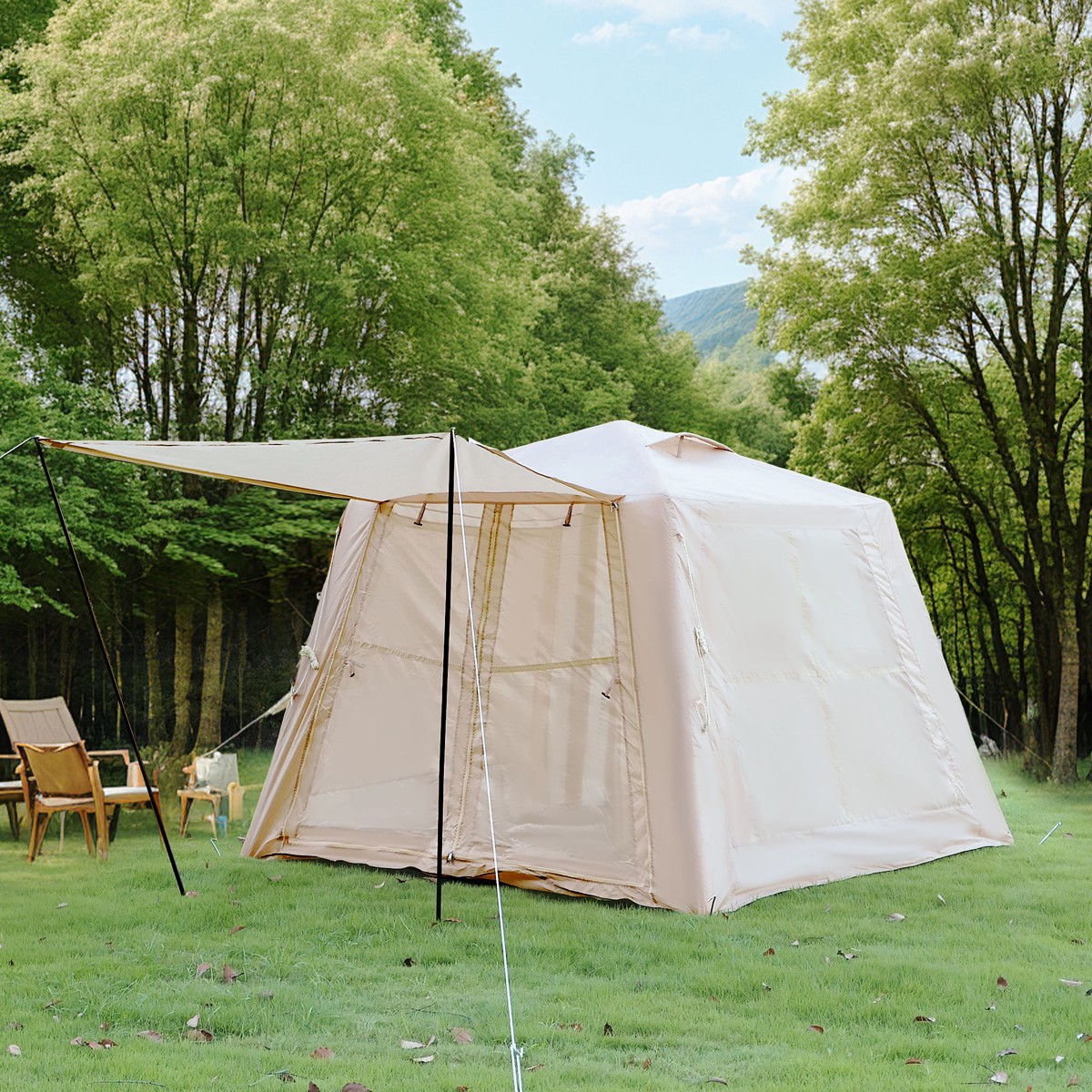 5.76 m ² Inflatable Tents for Camping with canopy, Blow Up Tent Hand Pump, Easy Setup InflatableTent 4 Season Waterproof Oxford Air Glamping for Adult 2-3 Person$180.99
 View on Mallflare
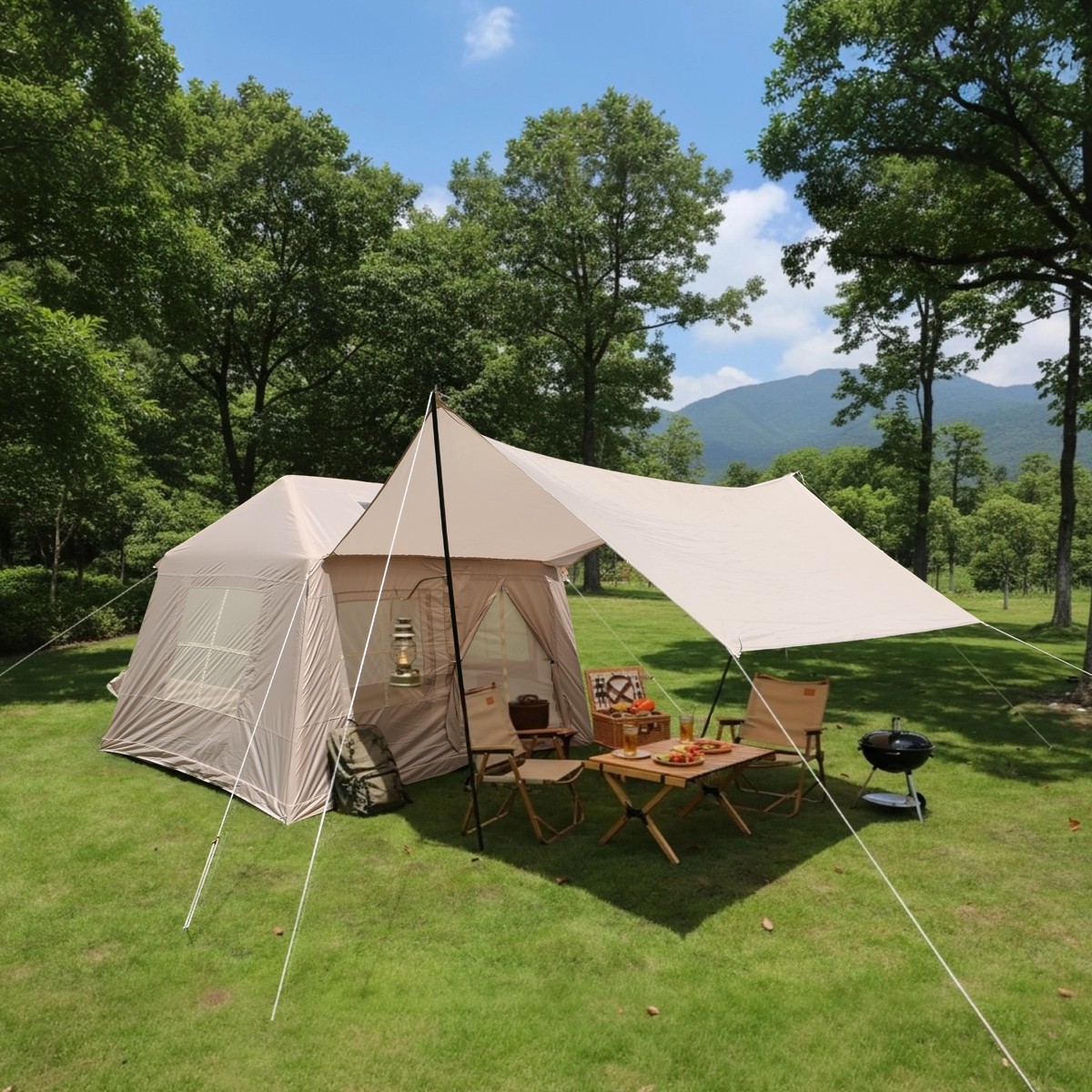 5.72m² Inflatable Camping Tent, Easy Setup 4 Season Windproof Glamping with Mesh Windows & Pump, Outdoor Cotton$187.99View on Mallflare
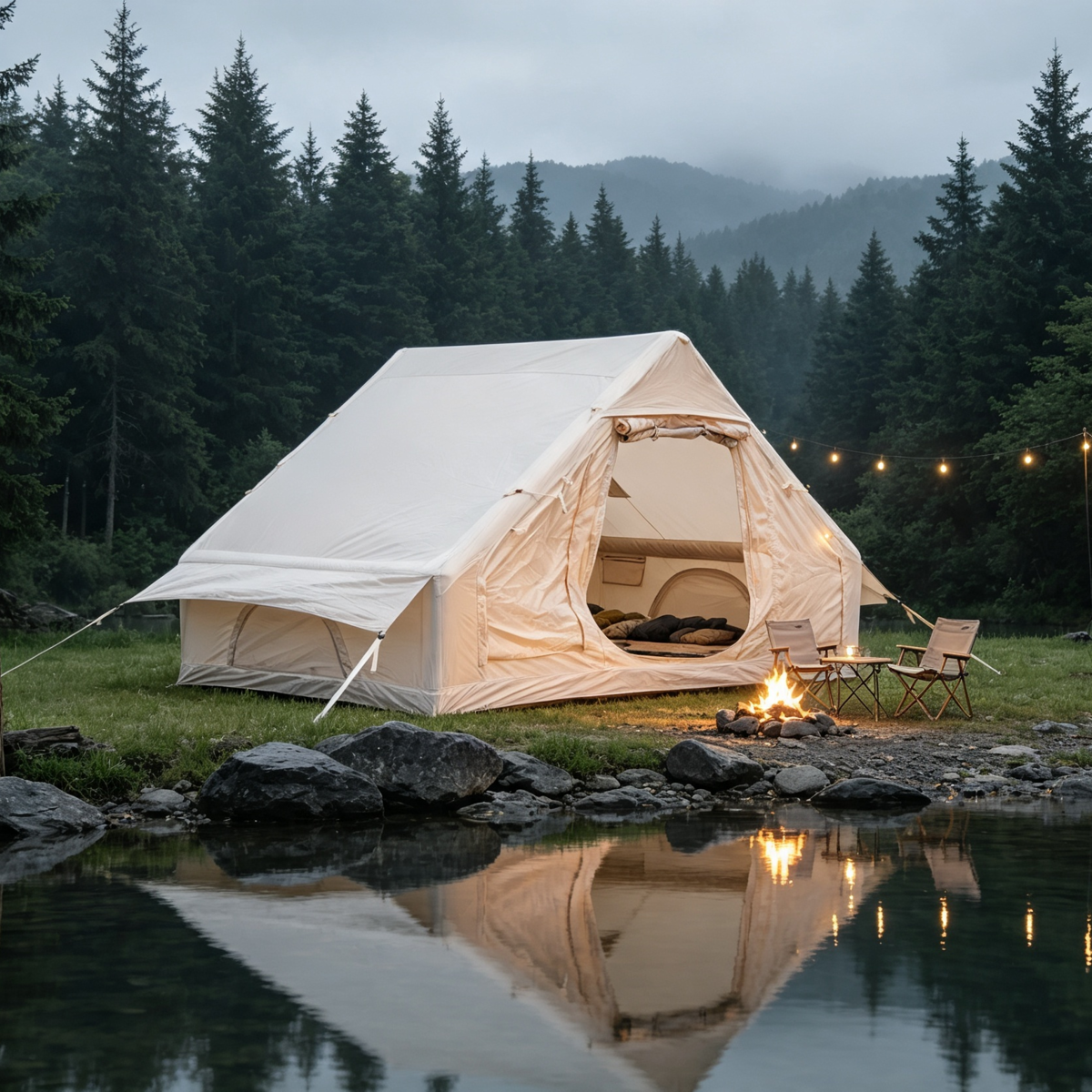 Inflatable Camping Tents with Hand Pump, Air Glamping Easy Setup Waterproof and Windproof Blow up Tent, 4 Seasons Oxford Cabin Mesh & Chimney Window.$256.99View on Mallflare
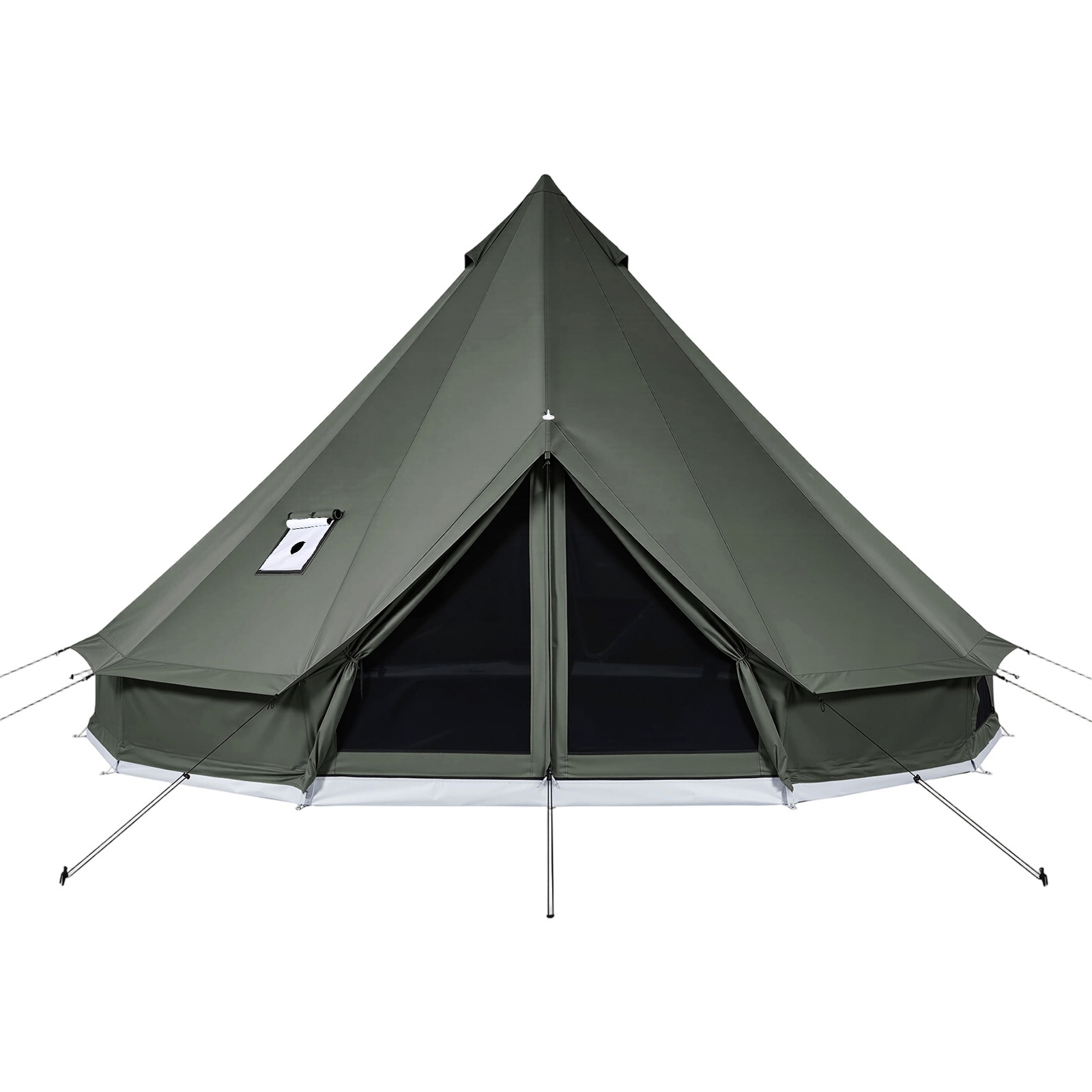 Canvas Bell Tent, 4 Seasons 9.84 Ft Yurt For Camping With Stove Jack, Breathable Holds Up To 3 People Zipped Detachable Floor, For Family Glamping Outdoor Hunting Party$284.99View on Mallflare
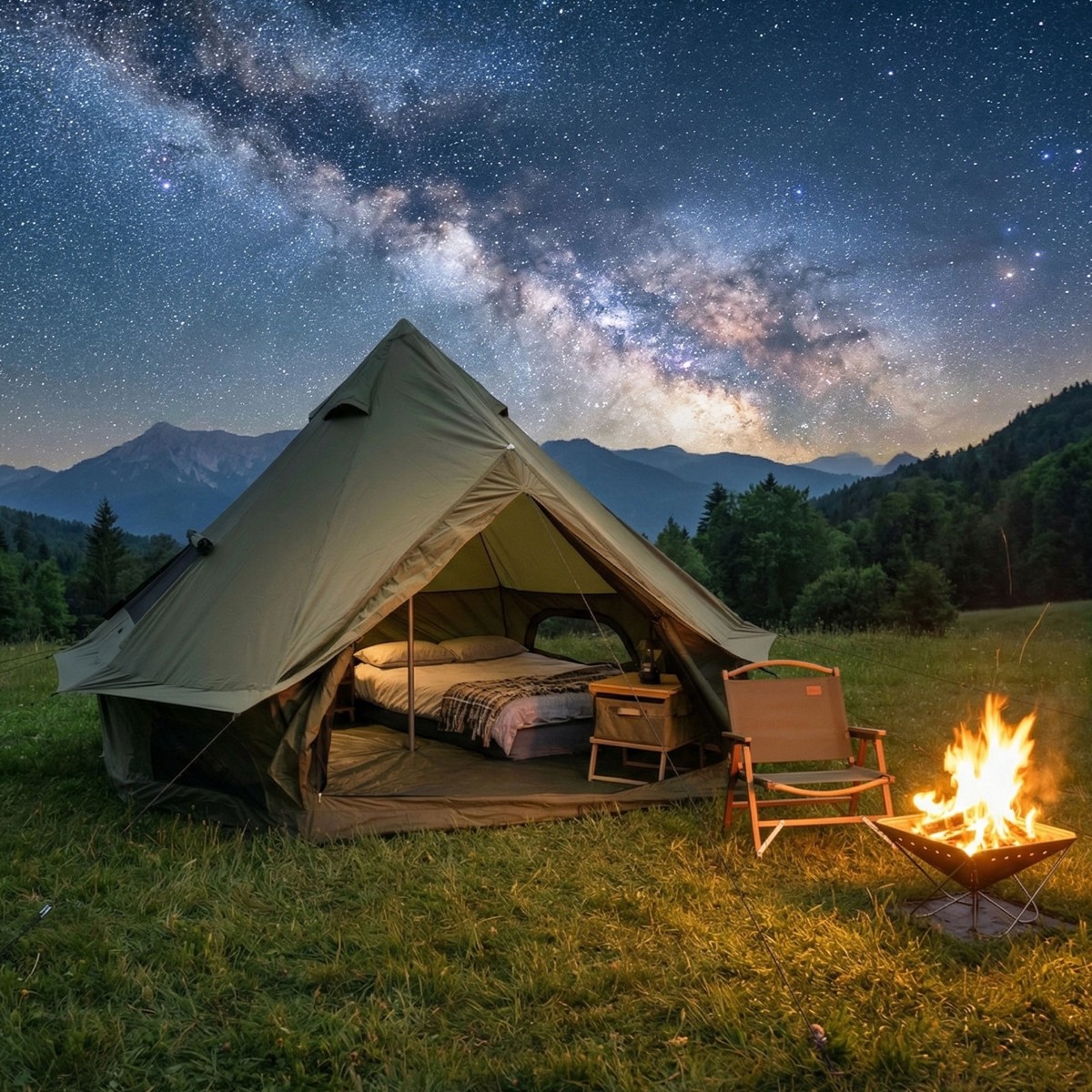 4 Season Bell Tent 13.1FT, Green Waterproof Glamping Yurt with Stove Jack, Fits 8 People Family Camping for Outdoor Parties &$309.99View on Mallflare
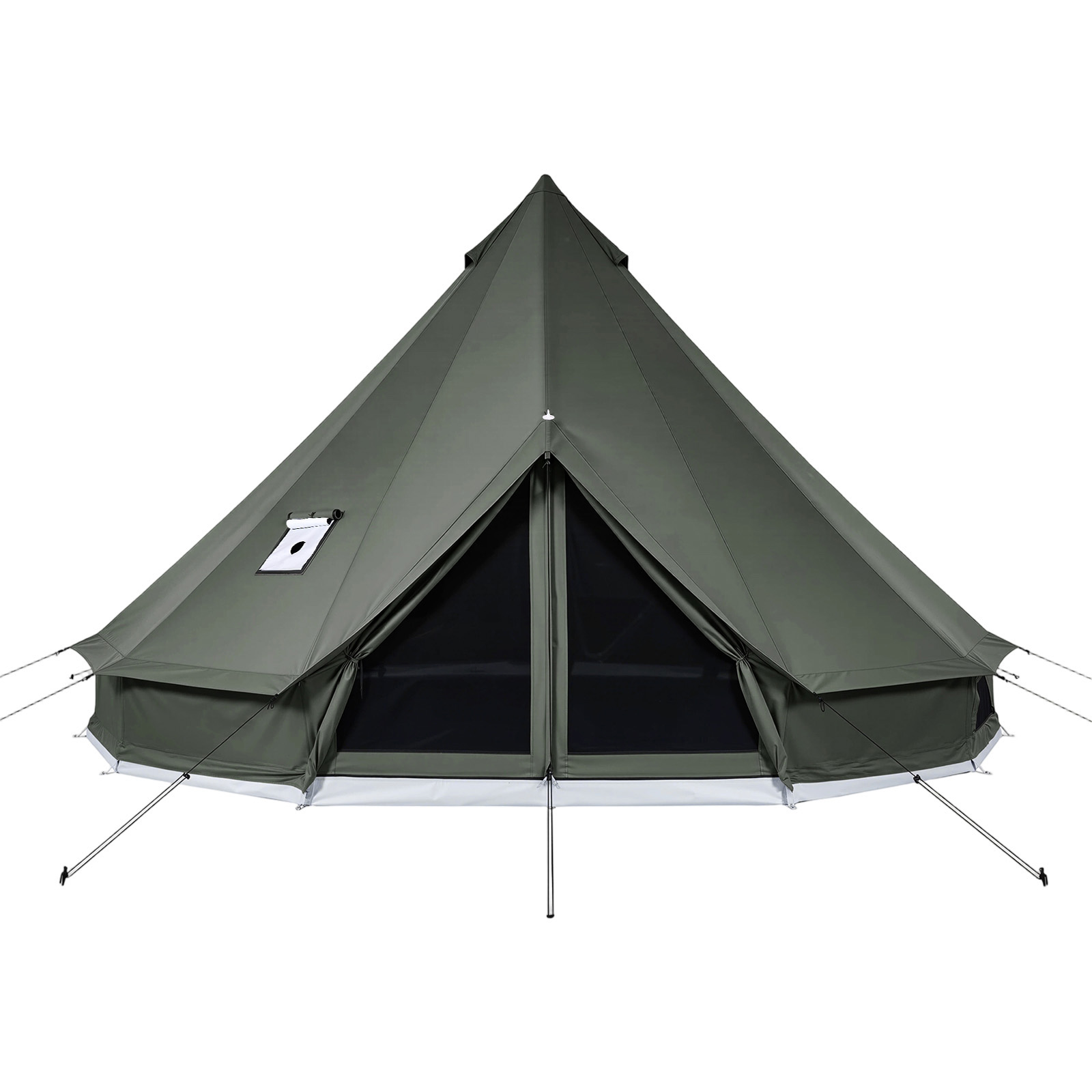 Canvas Bell Tent, 4 Seasons 13.12 Ft Yurt For Camping With Stove Jack, Breathable Holds Up To 4 People Zipped Detachable Floor, For Family Glamping Outdoor Hunting Party$338.99View on Mallflare
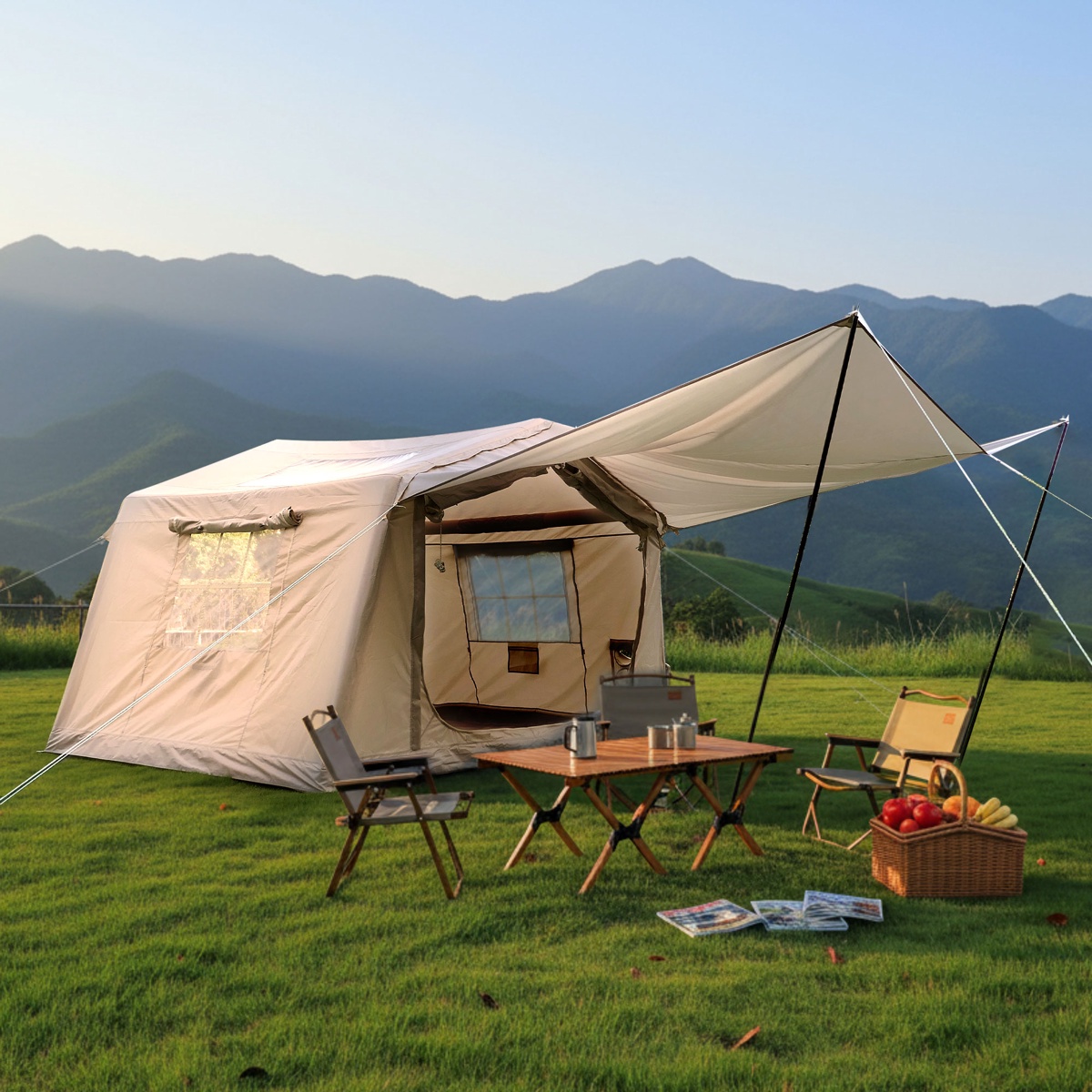 8 m ² Inflatable Tents for Camping with canopy, Blow Up Tent Hand Pump, Easy Setup InflatableTent 4 Season Waterproof Oxford Air Glamping for Adult 4/6/8 Person$371.99View on Mallflare
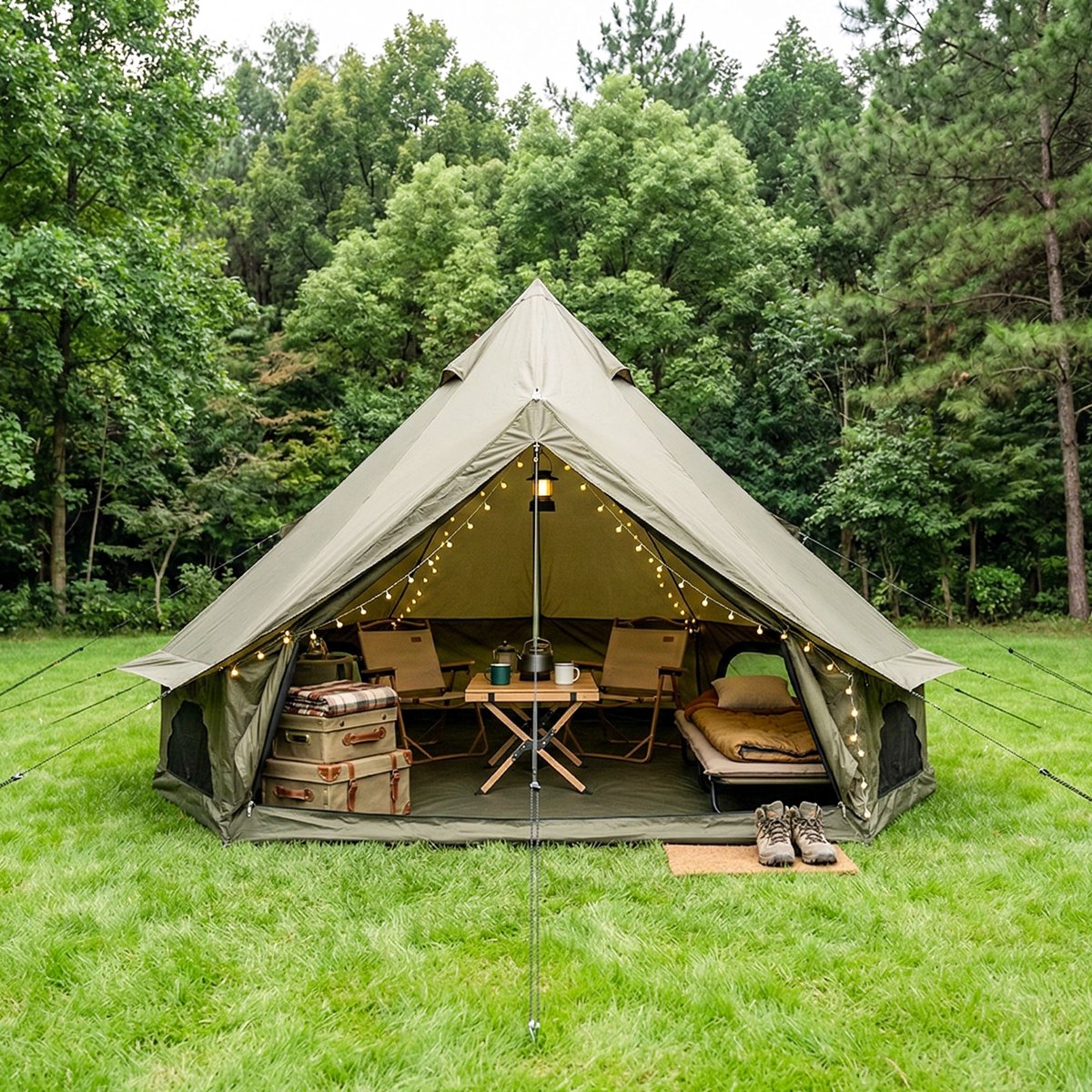 4 Season Bell Tent 16.4FT, Green Waterproof Glamping Yurt with Stove Jack, Fits 10 People Family Camping for Outdoor Parties &$375.99View on Mallflare
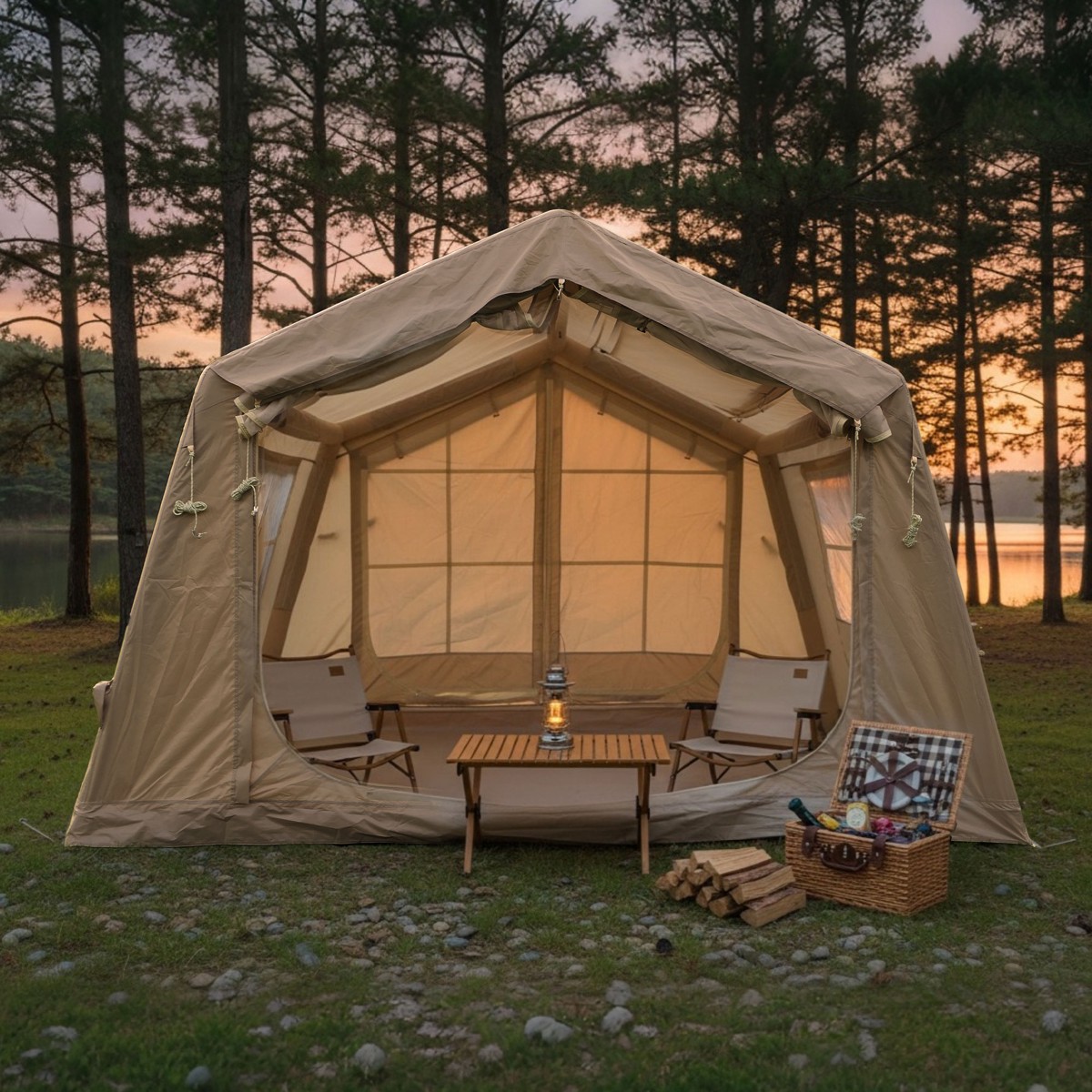 8 m ² Inflatable Tents for Camping, Blow Up Tent with Hand Pump, Easy Setup InflatableTent 4 Season Waterproof Oxford Air Glamping for Adult 4/6/8 Person$377.99View on Mallflare
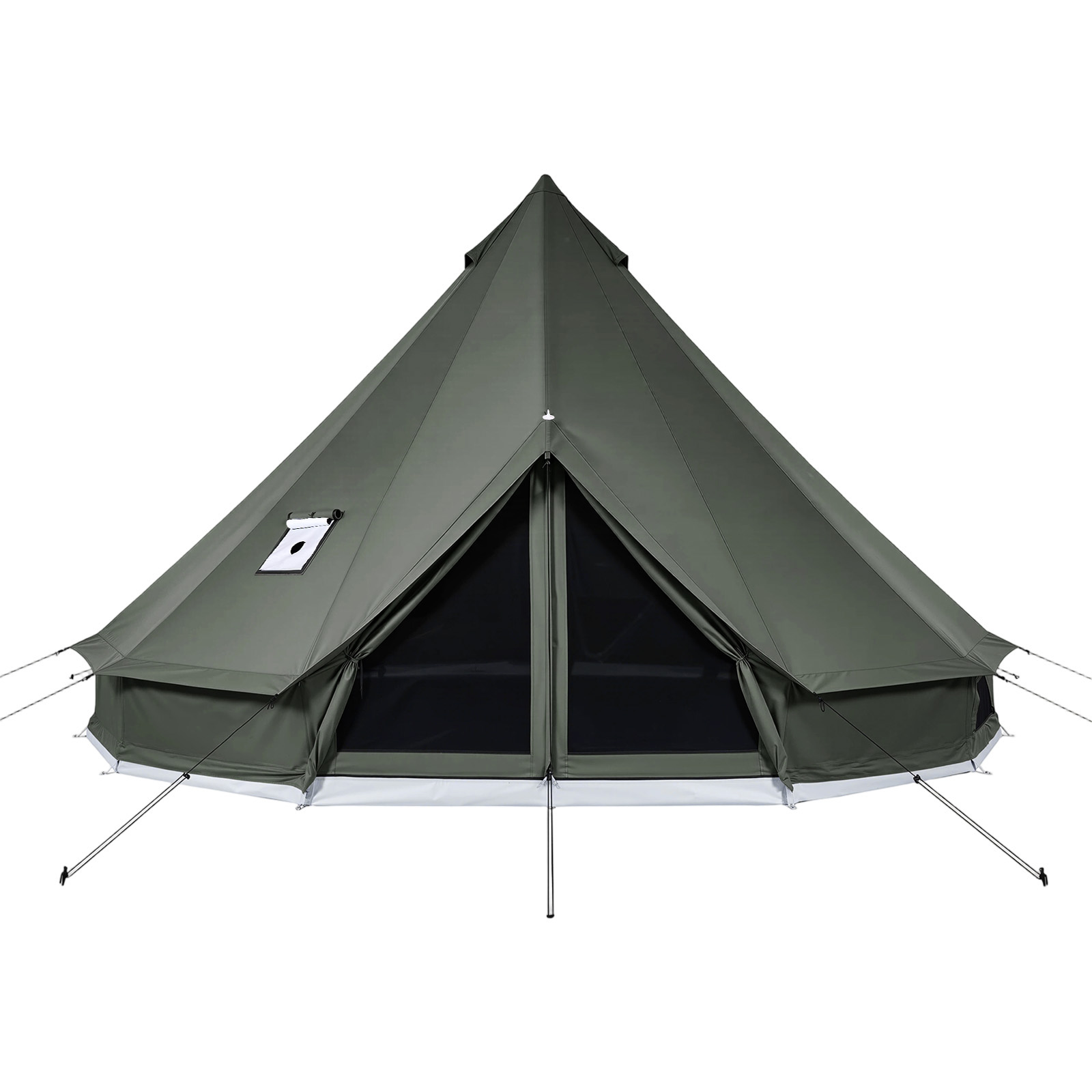 Canvas Bell Tent, 4 Seasons 16.4 Ft Yurt For Camping With Stove Jack, Breathable Holds Up To 7 People Zipped Detachable Floor, For Family Glamping Outdoor Hunting Party$429.99View on Mallflare
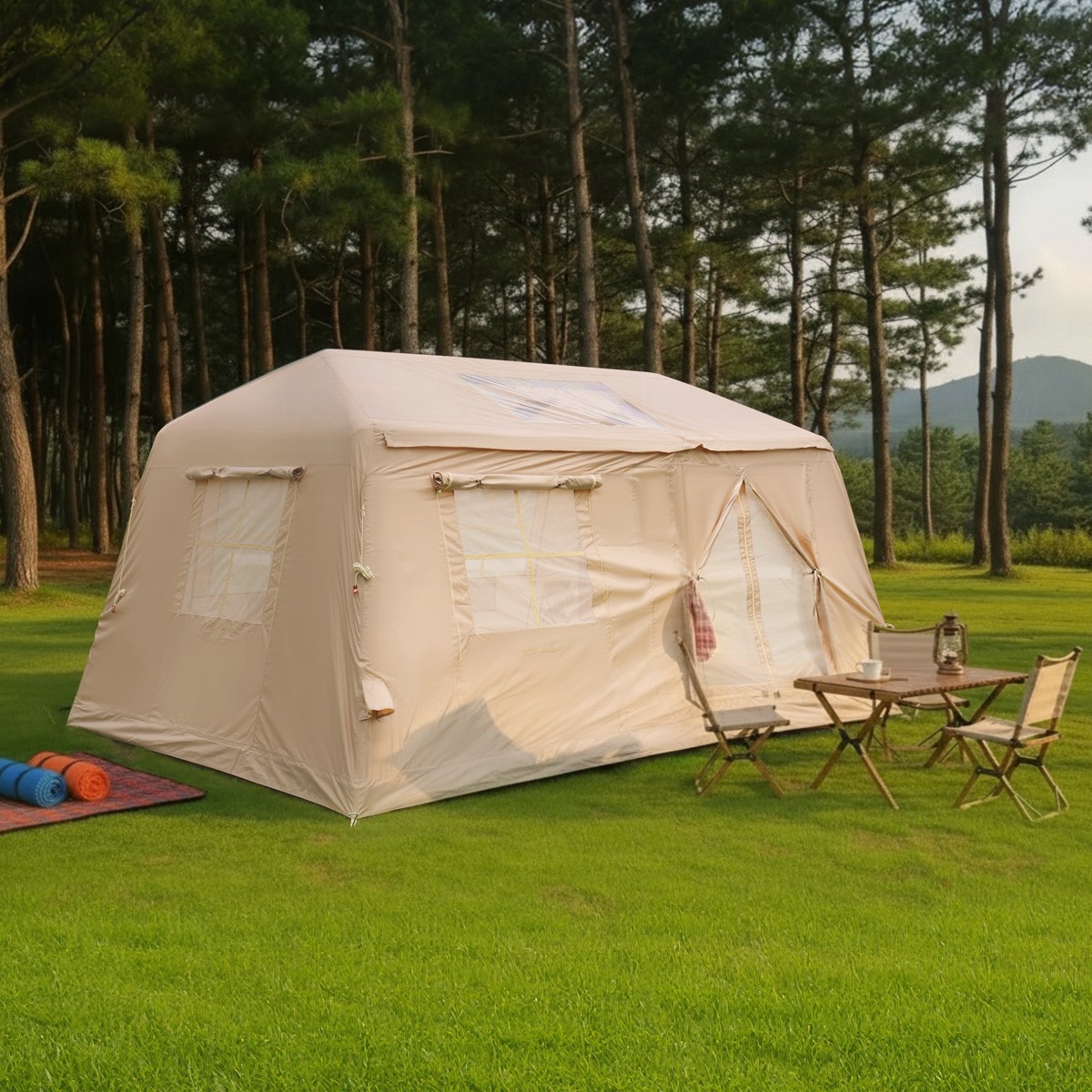 11 m ² Inflatable Tents for Camping, Blow Up Tent with Hand Pump, Easy Setup InflatableTent 4 Season Waterproof Oxford Air Glamping for Adult 4/6/8 Person$483.99View on Mallflare
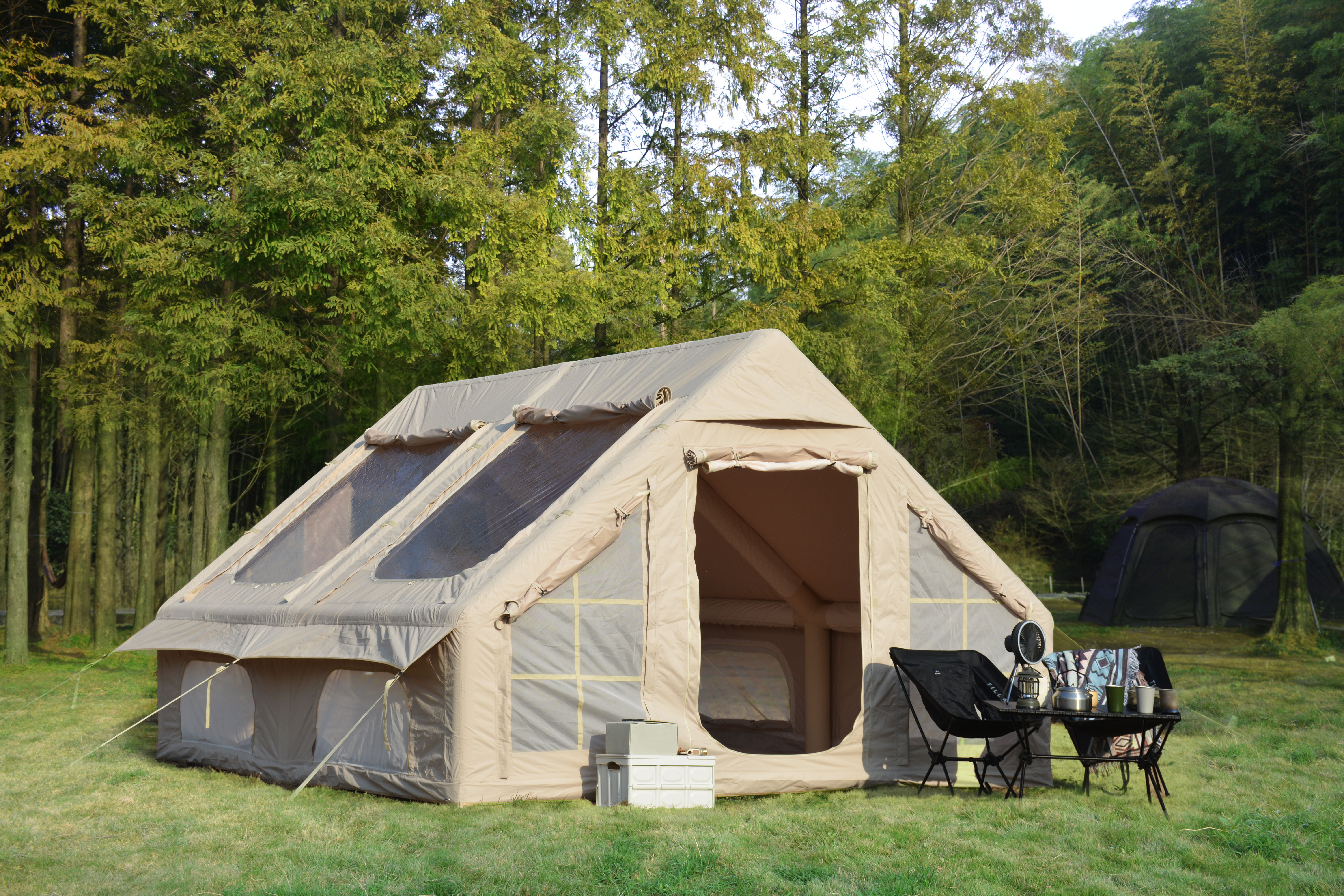 9.8 x13ft Inflatable Camping Tents with Hand Pump, Air Glamping Easy Setup Waterproof and Windproof Blow up Tent, 4 Seasons Oxford Cabin Mesh & Chimney Window. Beige$510.99View on Mallflare
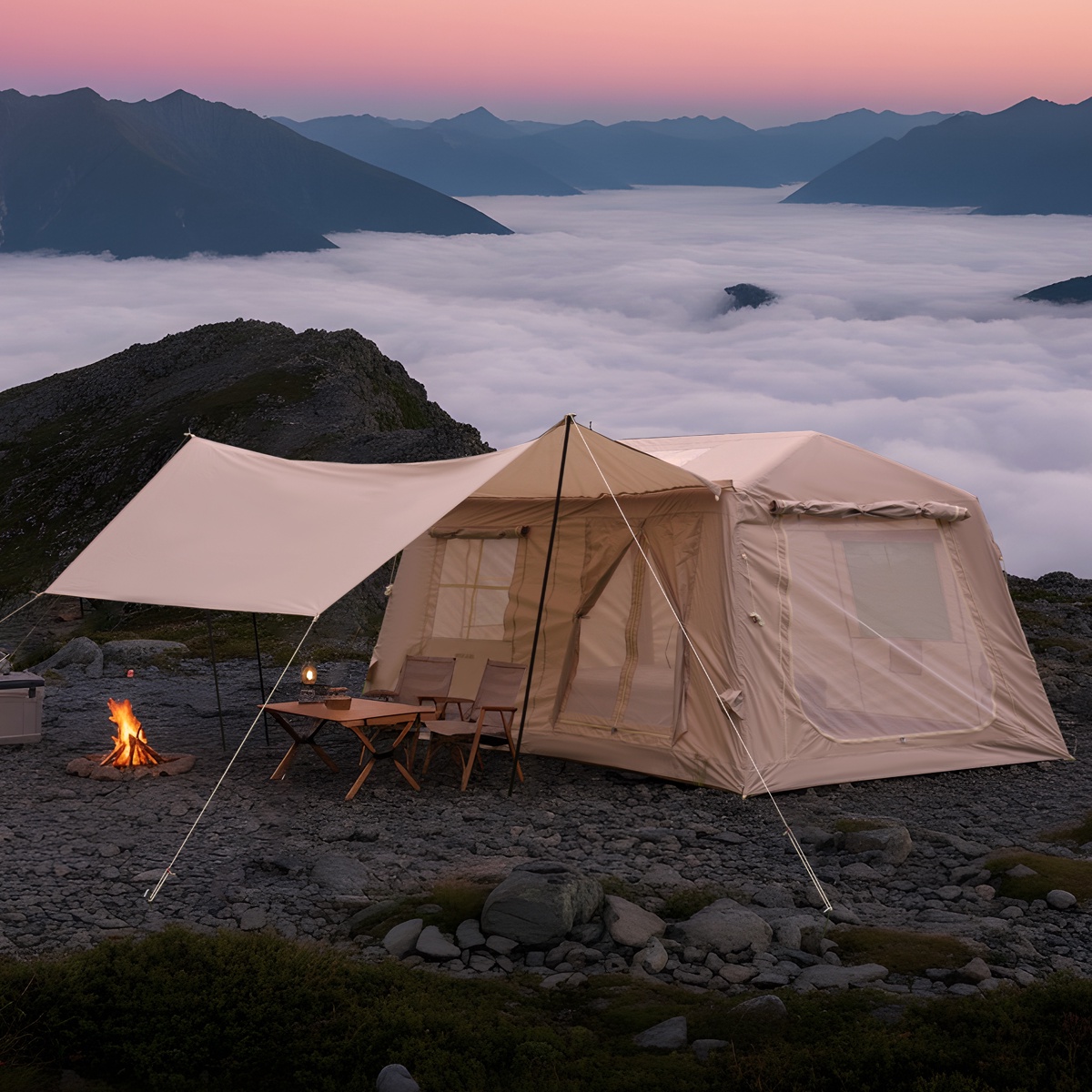 N-11 m ² Inflatable Tents for Camping, Blow Up Tent with Hand Pump, Easy Setup InflatableTent 4 Season Canopy , Waterproof Oxford Air Glamping for Adult 4/6/8 Person$535.99View on Mallflare
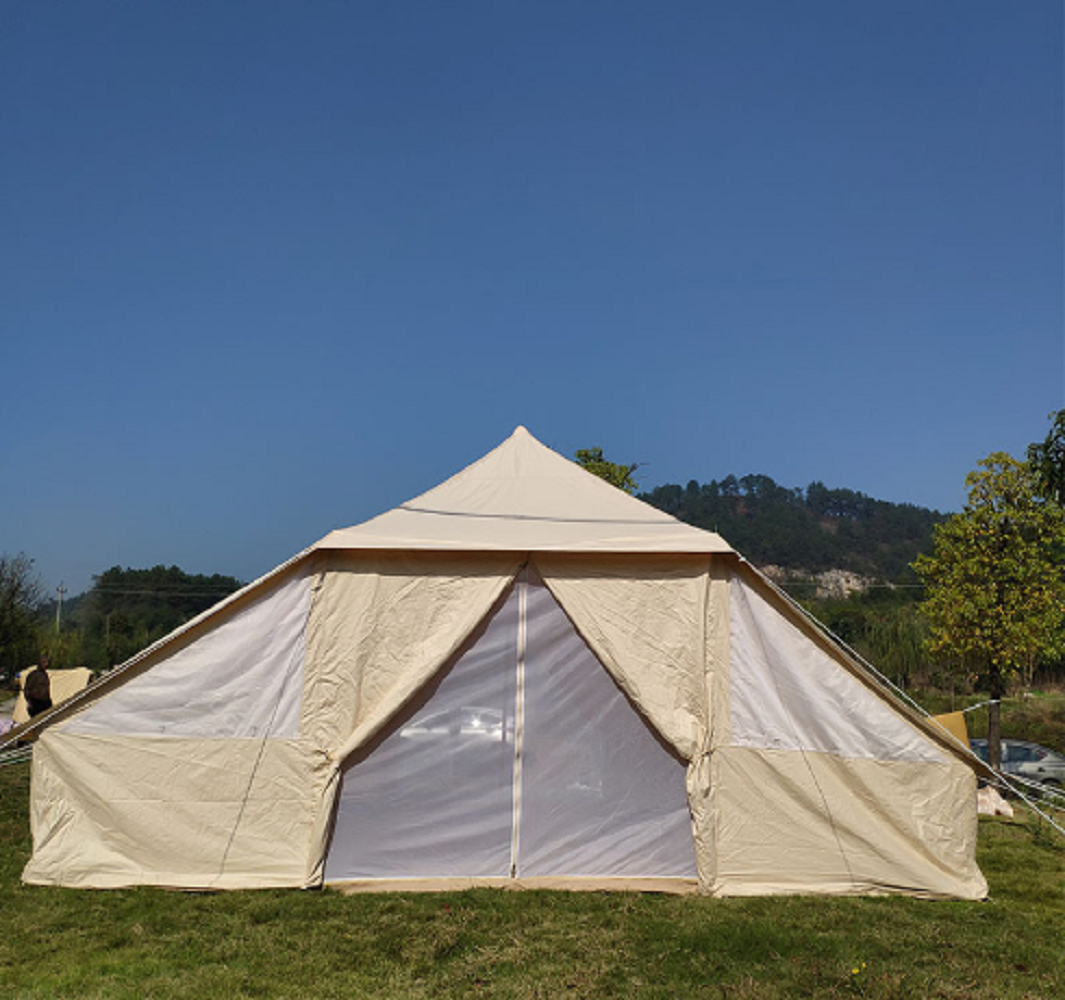 5-8 Person Luxury Bell Cotton Tent, Waterproof Outdoor Glamping for Resort & Campsite$1,103.99View on Mallflare
Highlights
- Canvas bell tents at 9.8–10 ft diameter fit 3–4 adults on pads, while 13 ft fits 4–8 and 16.4 ft fits 8–10 as a group lounge and sleep space.
- Inflatable glamping tents replace steel poles with TPU or PVC air beams inflated by hand pump, cutting setup to minutes but demanding higher packed volume and a 12V/120V pump.
- A stove jack (typically 5–6 in diameter, heat-resistant silicone or fiberglass) is the only safe way to run a wood stove; cutting your own voidoves the warranty and fire rating.
- Oxford polyester is lighter and cheaper but traps condensation; cotton canvas breathes and regulates humidity, trading higher weight and mildew risk if packed wet.
Best use cases
- Best fit: family car camping with a wood stove in shoulder seasons—pick a 13 ft canvas bell tent with stove jack, zipped detachable floor, and ground vents.
- Best fit: quick weekend setup for 2–4 people with no stove—pick a 5.7–8 m² inflatable Oxford tent with hand pump and mesh windows.
- Wrong fit: backpacking or hike-in sites—these tents weigh far too much and pack too large; choose a lightweight backpacking tent instead.
- Wrong fit: exposed coastal or alpine wind—skip single-skin inflatables without guy-line anchors and choose a bell tent with steel pole and storm straps.
Buying tips
- Size by diameter: 10 ft fits 3–4 people on cots, 13 ft fits 4–8, 16.4 ft fits 8–10; add 2 ft per person for gear and a stove clearance zone.
- Demand 300D+ Oxford or 8–10 oz cotton canvas with taped or welded seams; 210D or untaped seams will wick water in sustained rain.
- Check the stove jack rating: silicone or fiberglass jack rated to 500°F+ with a 5–6 in opening; never run a stove through a plastic window.
- Confirm pole or air-beam material: steel poles for permanent seasonal sites, aluminum for portability, TPU air beams for quick inflatable setups.
Specs
| Fabric Type | Cotton canvas vs Oxford polyester |
|---|---|
| Waterproof Rating | 1500–3000 mm hydrostatic head |
| Stove Jack | 5–6 in silicone/fiberglass, 500°F+ |
| Sleep Capacity | 3–4 (10 ft) / 4–8 (13 ft) / 8–10 (16 ft) |
Related searches
What to check before buying
- Measure your pitch: a 13 ft bell tent needs a 14 ft circle plus guy-line clearance of 2–3 ft on all sides.
- Verify ground conditions: stake points need soil or sand; on decking or rock, use weighted anchor points and a free-standing frame.
- Match stove to jack: stove pipe diameter must equal jack opening (5–6 in typical) and chimney height must clear the roofline.
- Confirm power for inflatables: hand pump included, but a 12V electric pump needs a vehicle outlet or portable power station.
FAQ
Data sources: eBay / Amazon listings and product attribute feeds Data updated Nov 16, 2026.
Some links on this page are affiliate links. If you buy after clicking one, we may earn a commission at no extra cost to you. This does not change which products appear here or their order. Affiliate disclosure.