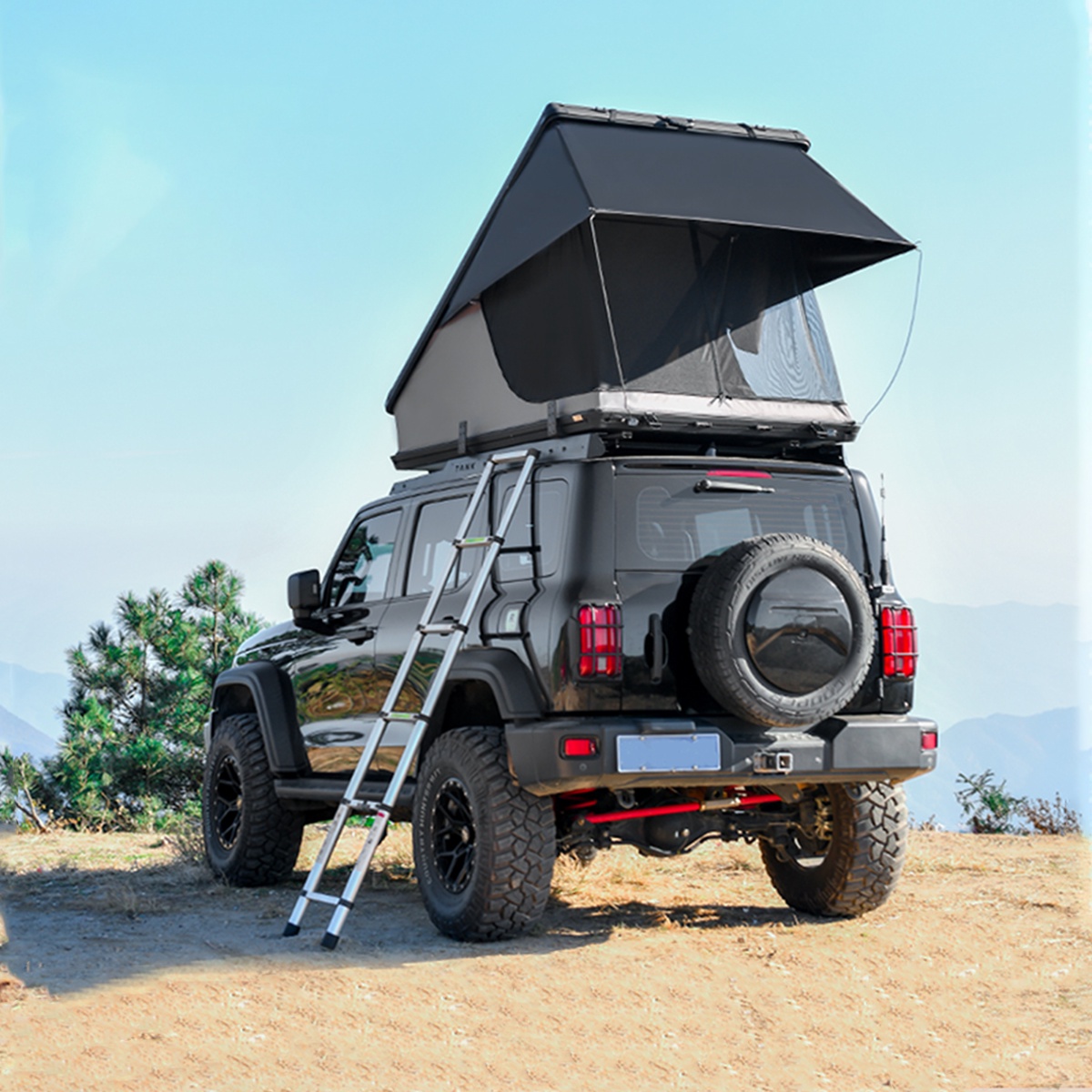

Photos from current listings. Actual item, color, and included accessories may vary.
Hard Shell Roof Tent Buying Guide
Hard shell roof tents are vehicle-mounted sleeping pods with a rigid plastic or aluminum clamshell that pops open in seconds. The core trade-off is shell material: ABS plastic is lighter and cheaper but can flex and fade, while aluminum is stiffer and more weatherproof at a weight and cost penalty. Buy aluminum if you camp in high wind or snow, ABS if you prioritize payload and occasional weekend use.


At a glance
- Category
- Tents & Shelters
- Data updated
- Nov 16, 2026
Current offers
Highlights
- Shell material dictates durability: ABS plastic resists impact but expands in heat and can crack at -20°C; aluminum alloy is dimensionally stable and hail-resistant.
- Gas-strut assisted opening is standard on hard shells, but strut force must match shell weight — 600N struts for ABS, 900N+ for aluminum, or the shell will not stay open.
- Fabric grade separates tiers: 280g poly-cotton canvas with 3000mm hydrostatic head resists rain; 600D ripstop polyester with PU coating is lighter but less breathable.
- Mounting rails and crossbars must match your roof load rating — most hard shells weigh 55-75 kg and need a dynamic roof load of at least 75 kg.
Best use cases
- Best fit: overlanding couples on a 4x4 or van with factory roof rails — pick a 2-person aluminum shell with 900N struts and a 3000mm canvas for storm protection.
- Best fit: weekend car campers in a sedan or crossover — choose a 2-3 person ABS shell under 60 kg to stay within a 75 kg dynamic roof limit.
- Wrong fit: families needing standing headroom or a separate annex — a hard shell is a sleeping pod only; choose a soft-shell fold-out or ground tent instead.
- Skip: mounting on a panoramic sunroof or glass roof without a dedicated roof rack — hard shells concentrate load on four corner brackets and will crack the glass.
Buying tips
- Measure your roof's dynamic load rating (not static) — hard shell weight plus occupants must stay under it; typical sedan rails cap at 75 kg, truck beds at 150 kg.
- Match shell length to your vehicle: a 2.1 m shell overhangs a 4.4 m SUV rear axle; choose 1.8-2.0 m for compact SUVs and 2.2-2.4 m for full-size trucks.
- Check the ladder's hook design: flat-hook ladders fit tube rails, J-hook ladders fit slotted rails — a mismatched ladder wobbles and damages the shell edge.
- Prefer shells with a built-in anti-condensation mat and a zippered canvas vent; without them, moisture accumulates under the mattress and molds within a season.
Specs
| Shell Material | ABS plastic / Aluminum alloy |
|---|---|
| Shell Weight | 55-75 kg (2-person) |
| Dynamic Roof Load | 75 kg min (150 kg truck bed) |
| Canvas Hydrostatic Head | 3000 mm poly-cotton / 2000 mm poly |
Related searches
What to check before buying
- Roof rails and crossbars rated for at least 75 kg dynamic load, spaced to match the shell's mounting track width (typically 80-100 cm).
- Vehicle height clearance: shell adds 30-35 cm when closed; garage or carport entry must exceed total vehicle height plus shell.
- Climate check: below -10°C, ABS shells become brittle — choose aluminum; above 35°C, dark ABS shells can soften and warp unless white or silver.
- Companion parts: torque wrench for M8 bolts (15-20 Nm), anti-seize for stainless hardware, and a cover for storage to prevent UV degradation.
FAQ
Data sources: eBay / Amazon listings and product attribute feeds Data updated Nov 16, 2026.
Some links on this page are affiliate links. If you buy after clicking one, we may earn a commission at no extra cost to you. This does not change which products appear here or their order. Affiliate disclosure.