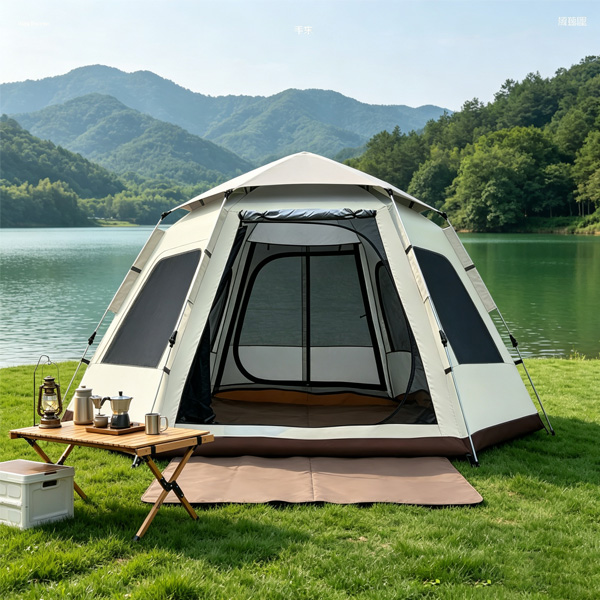

Photos from current listings. Actual item, color, and included accessories may vary.
Pop Up Canopy With Netting Buying Guide
A pop-up canopy with netting combines a spring-loaded instant frame with a full-perimeter mesh enclosure, so you get shade and insect protection in one deploy. The core trade-off is frame alloy and hub design versus canopy fabric grade: thin steel and 150D polyester fail in wind and UV within a season, while aluminum frames with 300D+ ripstop and taped seams survive recurring setup. Buy aluminum or reinforced steel frames with at least 210D PU-coated fabric and bug mesh rated for no-see-ums; skip budget steel hubs with 150D single-layer tops.


At a glance
- Category
- Tents & Shelters
- Data updated
- Nov 16, 2026
Current offers
Highlights
- Frame tiers: powder-coated steel is budget-strong but rusts at hub joints; aluminum alloy (typically 6061) cuts weight 30-40% and resists corrosion for frequent setup.
- Canopy fabric: 150D polyester is entry-level and UV-degrades fast; 210D-300D ripstop with PU coating and taped seams delivers real waterproofing and multi-season UV resistance.
- Netting grade: standard mesh blocks mosquitoes but passes no-see-ums; fine 200+ holes-per-inch mesh or dual-door zippered panels seal the enclosure fully.
- Instant frame mechanics: spring-loaded hubs deploy in seconds but molded plastic joints are the failure point; metal-reinforced hubs and push-pin leg height locks last far longer.
Best use cases
- Best fit: backyard patios and car camping where shade plus bug protection matter — pick a 10x10 ft aluminum frame with 210D+ fabric and full zippered mesh walls.
- Best fit: beach and festival day trips — choose a lightweight pop-up with sandbags or stakes and UPF 50+ coating, prioritizing portability over all-weather rating.
- Wrong fit: exposed windy sites or permanent seasonal shade — skip pop-up canopy netting entirely and use a rigid gazebo or anchored carport shelter.
- Wrong fit: family basecamp needing full weather walls — a mesh-only canopy won't block rain sideways; step up to a canopy with solid interchangeable side panels.
Buying tips
- Match footprint to your intended use: 10x10 ft covers a picnic table for 4-6 people; 12x12 ft fits larger groups but needs a second person to raise safely.
- Check center and leg height before buying: look for 6.5-7 ft leg clearance and 8-9 ft center peak so adults stand without stooping under the frame.
- Choose canopy fabric by UPF and coating: UPF 50+ with PU or silver coating blocks UV and rain; uncoated 150D polyester fades and leaks within one season.
- Match frame to wind exposure: aluminum for portability and corrosion resistance, heavier steel for backyard semi-permanent use, and always stake or sandbag all four legs.
Specs
| Frame Material | Aluminum alloy vs powder-coated steel |
|---|---|
| Canopy Fabric | 150D vs 210D-300D PU ripstop |
| Mesh Grade | Standard vs fine no-see-um mesh |
| Footprint Size | 10x10 ft vs 12x12 ft (leg span) |
Related searches
What to check before buying
- Measure your patio, campsite, or beach footprint and confirm the canopy's full leg-span dimensions, not just the advertised top size.
- Confirm the packed bag length and weight against your vehicle trunk and whether one person can carry and raise it alone.
- Check ground conditions: sand requires sandbags, grass requires stakes, and hard surfaces require weighted plates for all four legs.
- Verify mesh wall configuration: full zippered enclosure for sleeping or dining, or open-sided netting for shade-only seating.
FAQ
Data sources: eBay / Amazon listings and product attribute feeds Data updated Nov 16, 2026.
Some links on this page are affiliate links. If you buy after clicking one, we may earn a commission at no extra cost to you. This does not change which products appear here or their order. Affiliate disclosure.