Photos from current listings. Actual item, color, and included accessories may vary.
Winter Tent With Stove Buying Guide
A winter tent with stove is a four-season shelter engineered to accept a wood-burning or propane tent stove while managing condensation, snow load, and sub-freezing temperatures. The core trade-off is fabric and frame engineering: hot-tent canvas or oxford shells with a reinforced stove jack and high-temp chimney port cost more and weigh more, while uninsulated pop-up hub shanties are cheaper but rely on the stove as the sole heat source. Buy a shelter with a factory-sewn, heat-rated stove jack and a full-coverage rain fly for cold-weather camping; skip unjacked summer tents and thin single-wall shells that condense and sag under snow.


At a glance
- Category
- Tents & Shelters
- Data updated
- Nov 16, 2026
Current offers
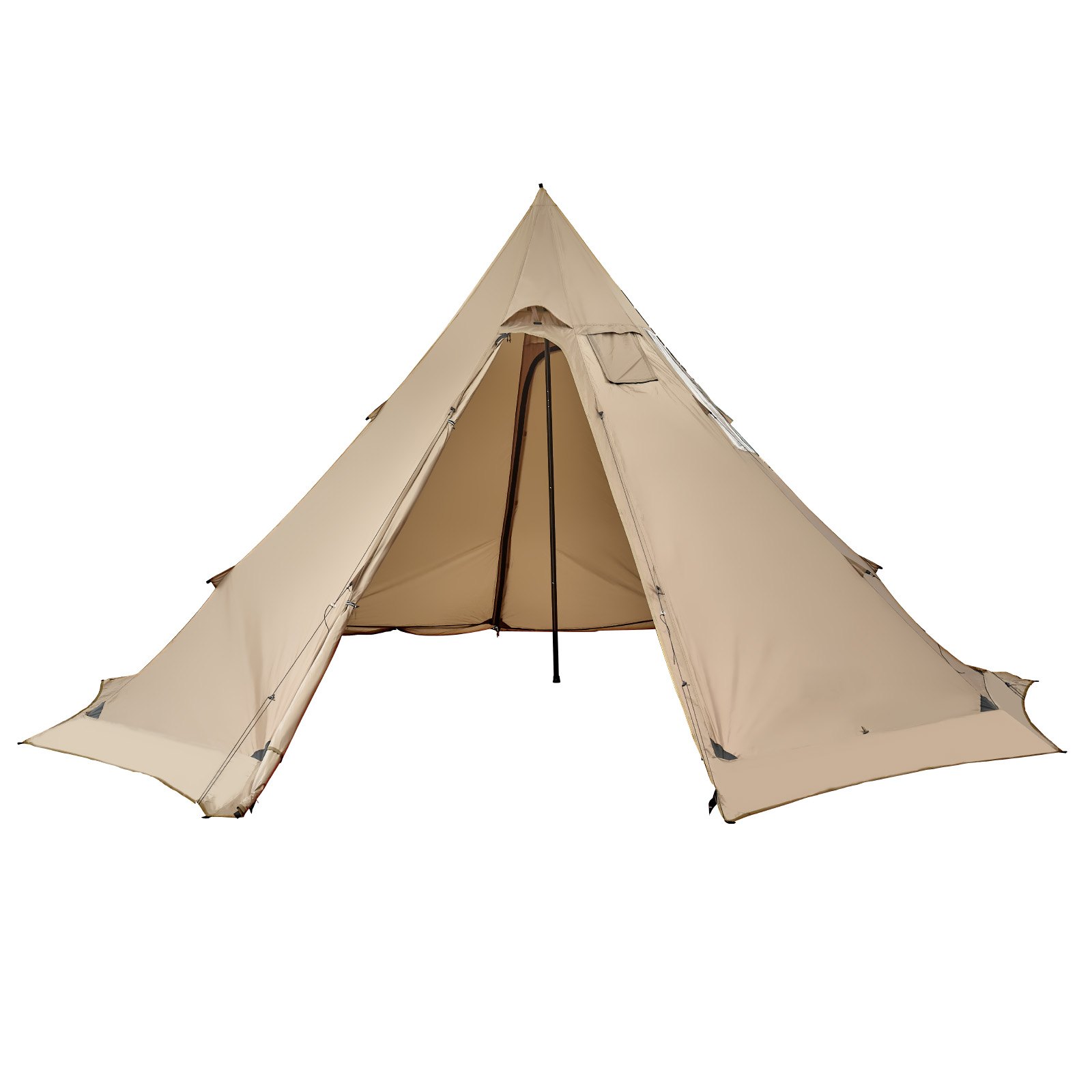 Hot Tent For 4-6 Persons, Portable Winter Tipi With Stove Jack, Waterproof Canvas Camping Tents, Lightweight 4 Season Shelter For Hiking Fishing Backpacking, L Size$79.99
 View on Mallflare
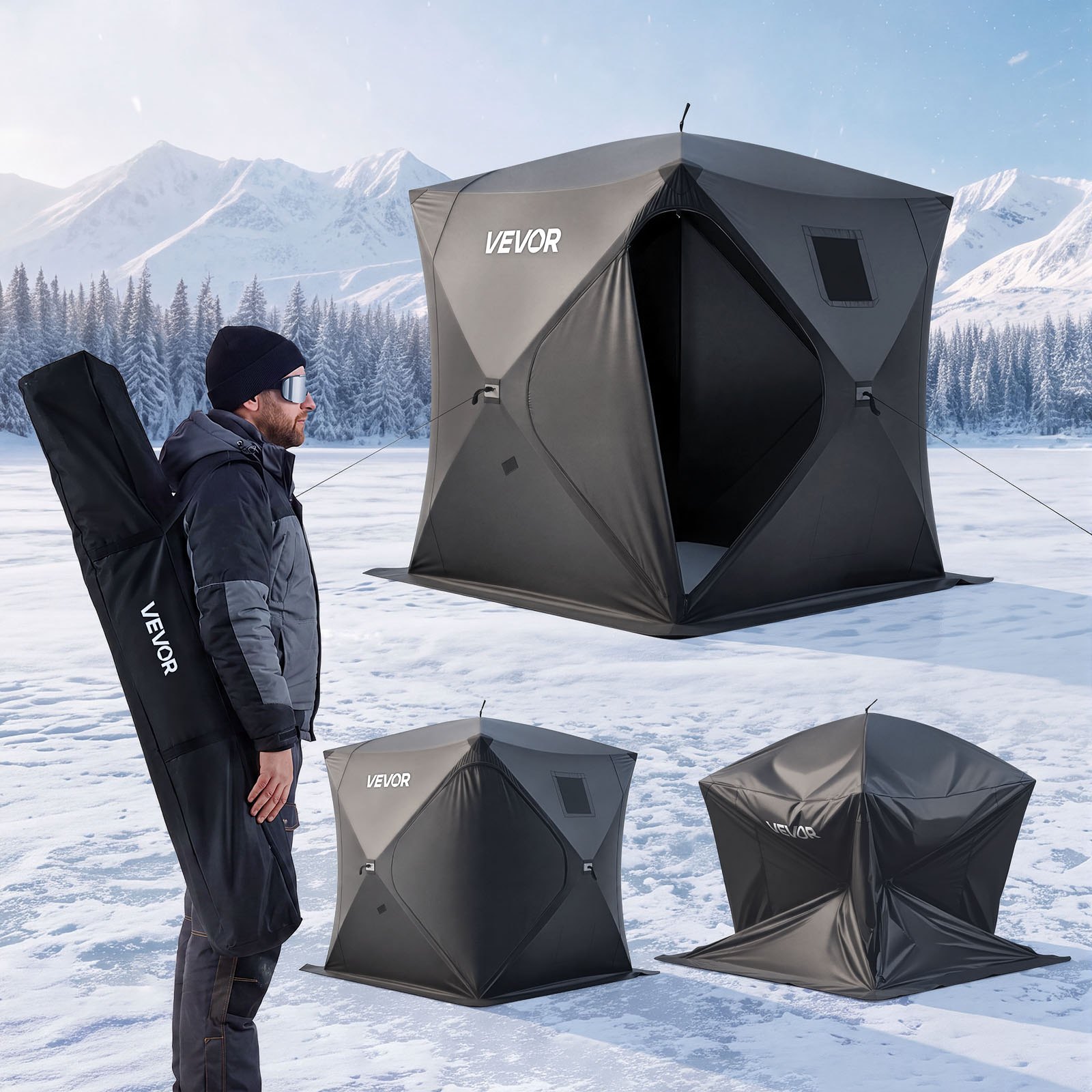 Pop Up Ice Fishing Tent 1-2 Person 59 x 59 x 65 in Portable Shelter, for Winter 24 sq ft Area, 300D Oxford Fabric Hub-Style Shanty, Ice Cube with Anchors, Ropes, Carrying Bag, Black$122.99View on Mallflare
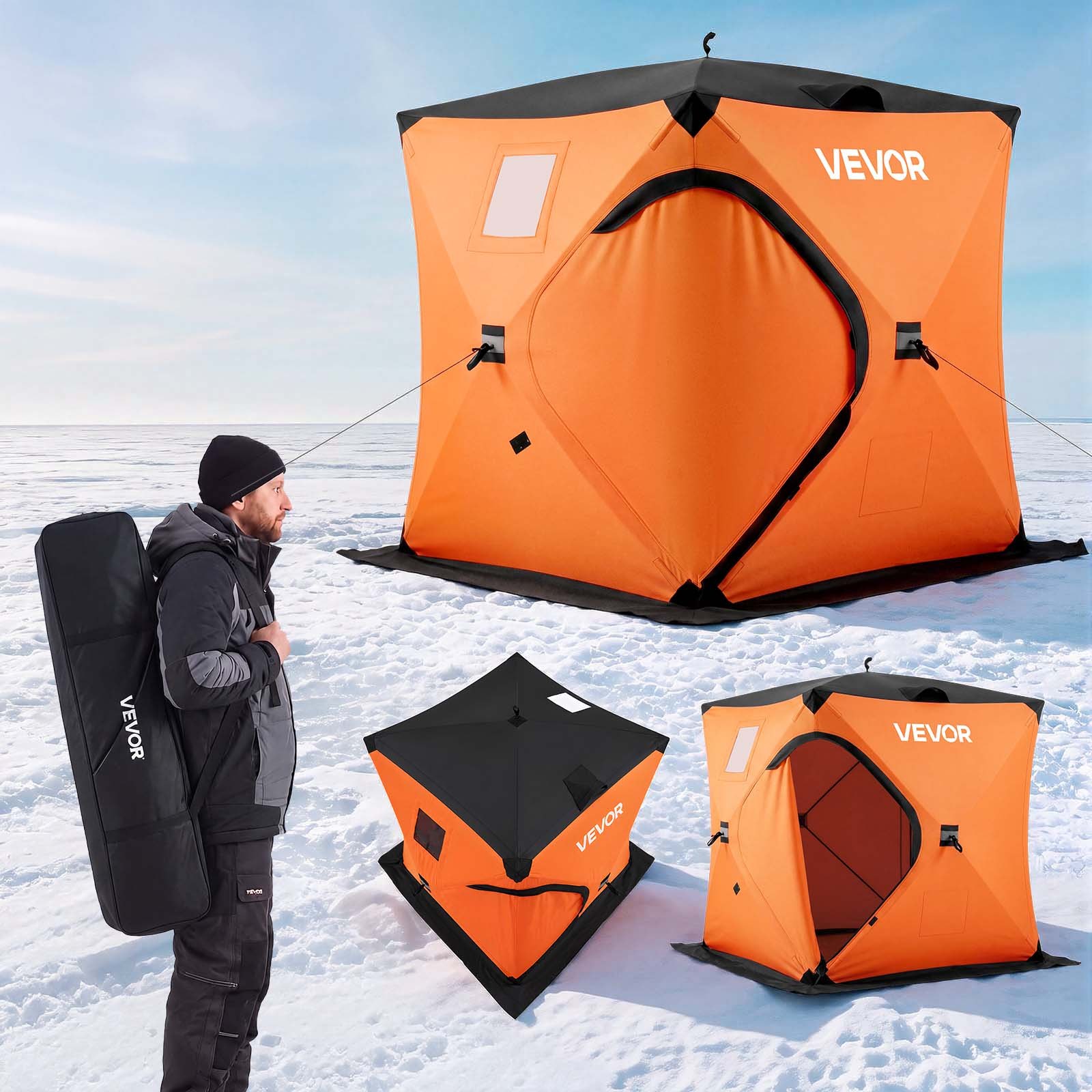 Pop Up Ice Fishing Tent 1-2 Person 60 x 60 x 69 in Insulated Shelter, for Winter 25 sq ft Area, 600D 4-Layer Fabric, Portable Hub-Style Shanty Cube with Anchors, Ropes, Carrying Bag$138.99View on Mallflare
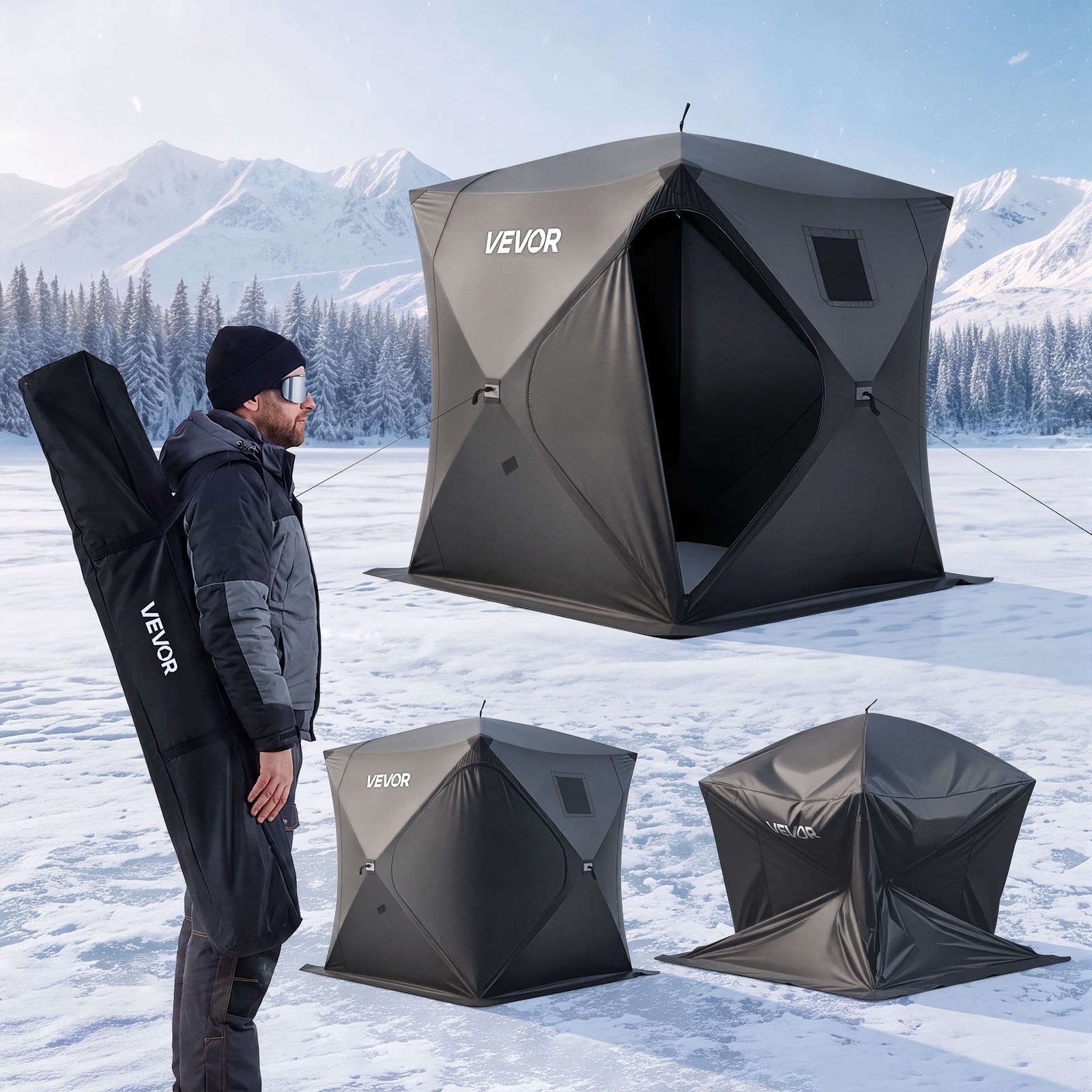 Pop Up Ice Fishing Tent 3-4 Person 71 x 71 x 79 in Portable Shelter, for Winter 34 sq ft Area, 300D Oxford Fabric Hub-Style Shanty, Ice Cube with Anchors, Ropes, Carrying Bag, Black$157.99View on Mallflare
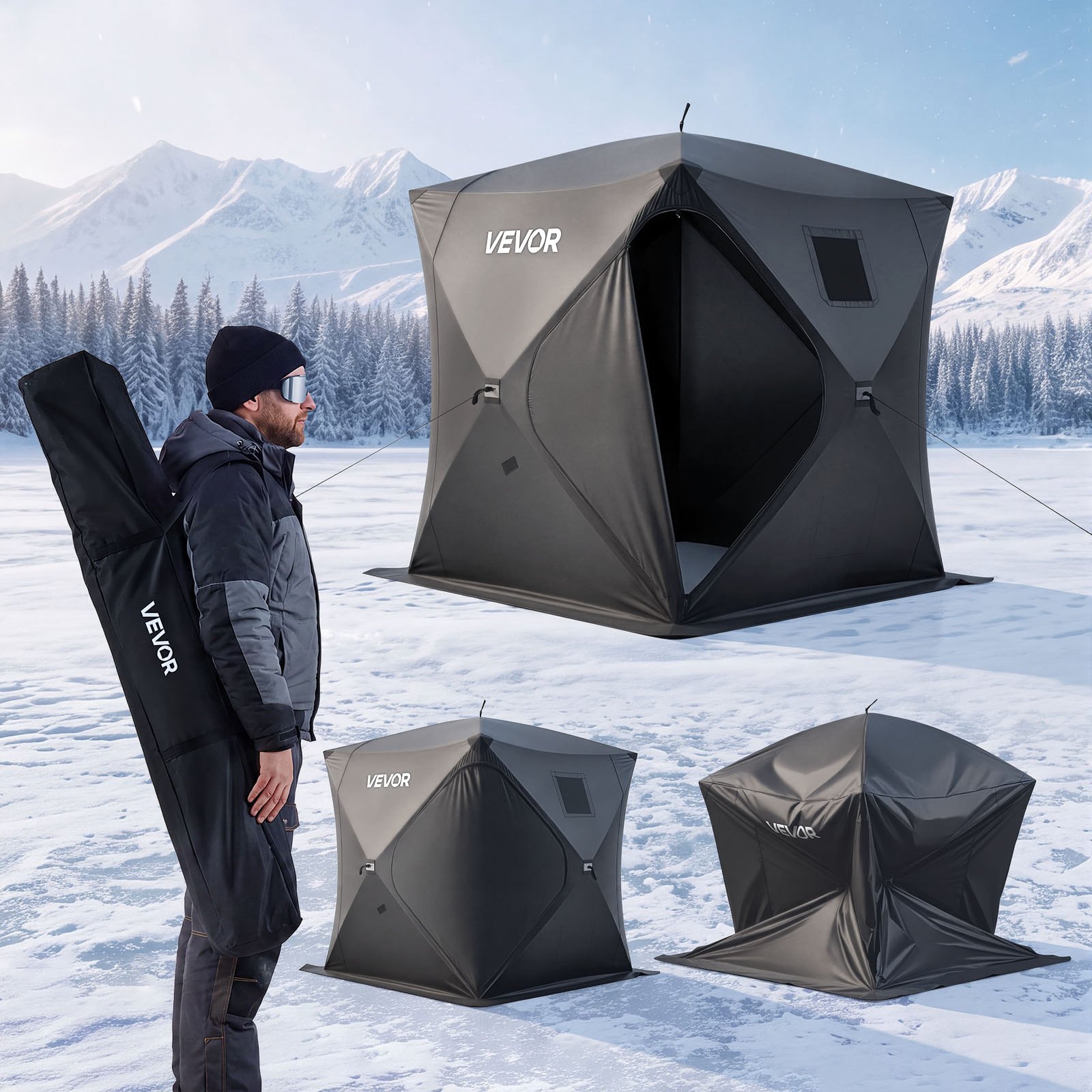 Pop Up Ice Fishing Tent 3-4 Person 90 x 90 x 77 in Portable Shelter, for Winter 58 sq ft Area, 300D Oxford Fabric Hub-Style Shanty, Ice Cube with Anchors, Ropes, Carrying Bag, Black$179.99View on Mallflare
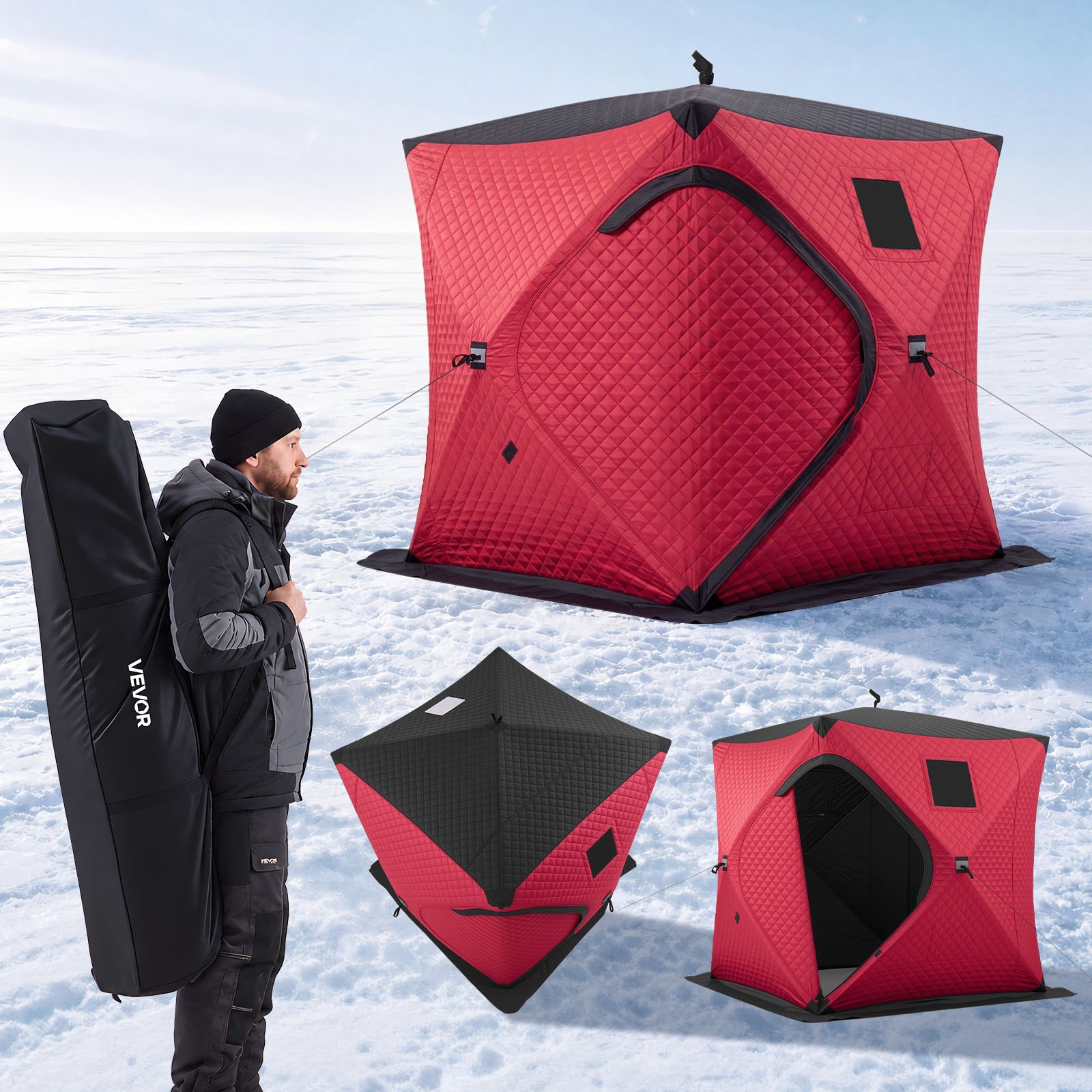 Pop Up Ice Fishing Tent 3-4 Person 71 x 71 x 79 in Insulated Shelter, for Winter 34 sq ft Area, 600D 4-Layer Fabric, Portable Hub-Style Shanty Cube with Anchors, Ropes, Carry Bag, Red$195.99View on Mallflare
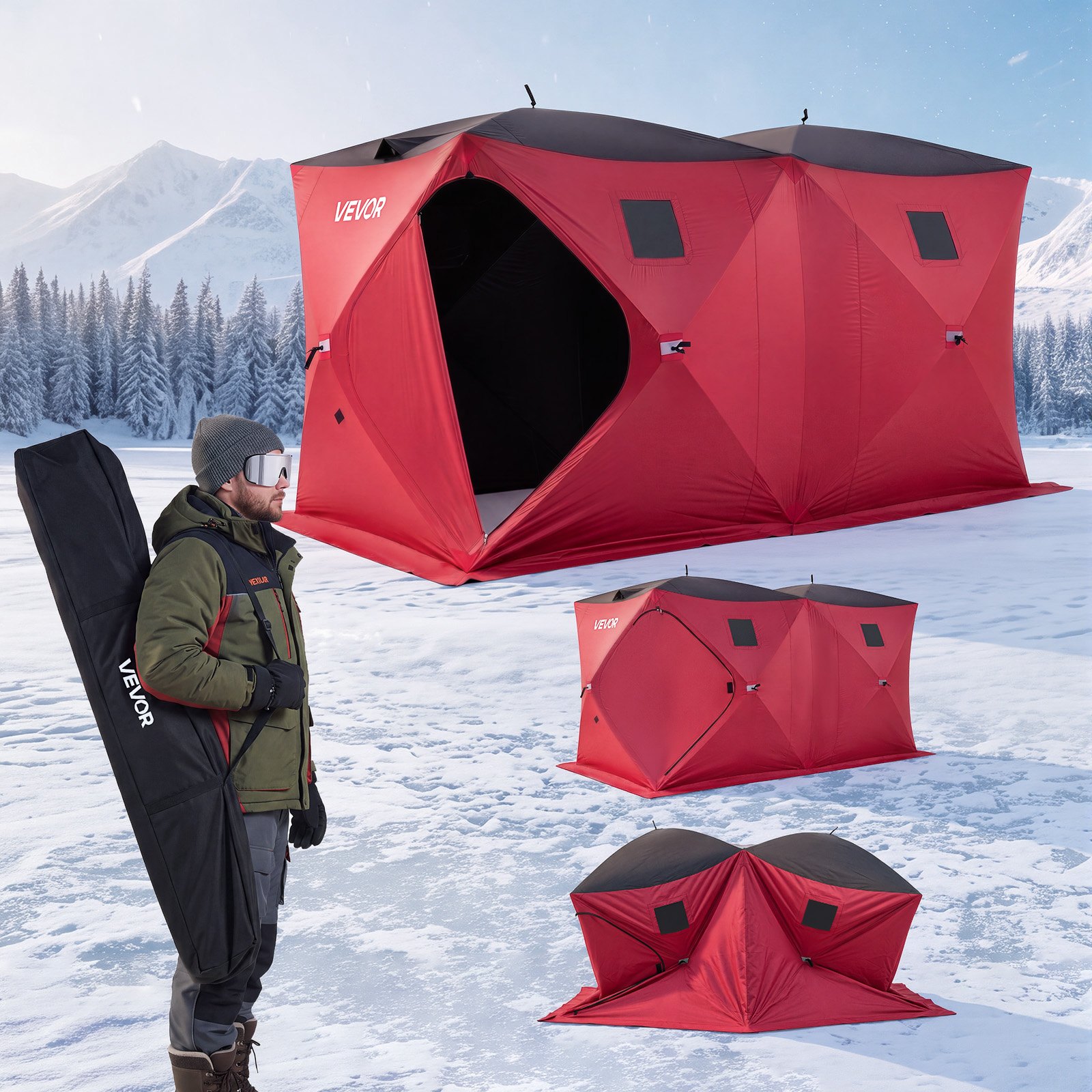 Pop Up Ice Fishing Tent 6-8 Person 142 x 71 x 79 in Portable Shelter, for Winter 67 sq ft Area, 300D Oxford Fabric Hub-Style Shanty, Ice Cube with Anchors, Ropes, Carry Bag, Red/Black$214.99View on Mallflare
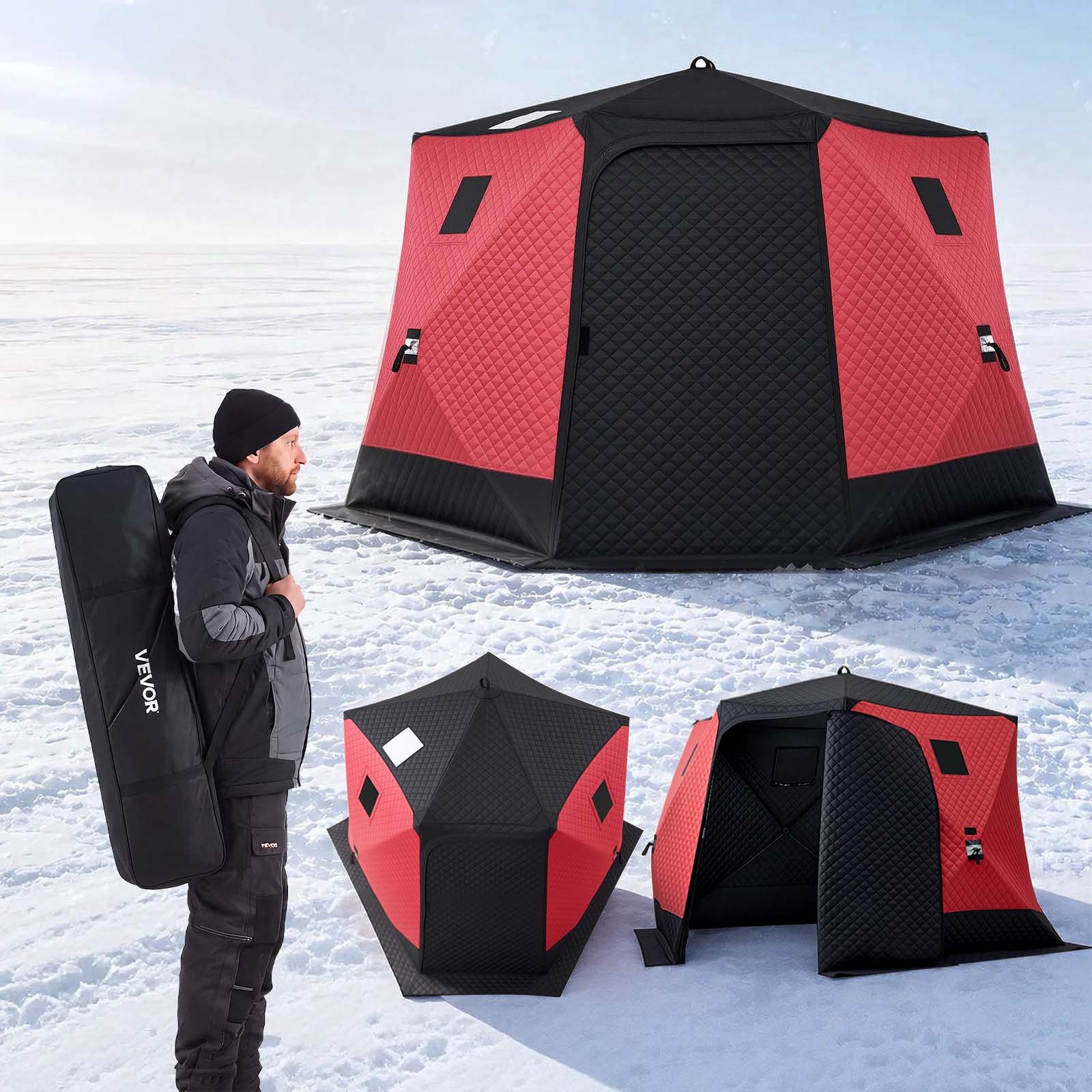 Pop Up Ice Fishing Tent 6-8 Person 130x130x79 in Insulated Shelter, for Winter 73 sq ft Area, 600D 4-Layer Fabric, Portable Hub-Style Shanty Cube with Anchors, Ropes, Carry Bag, Red$255.99View on Mallflare
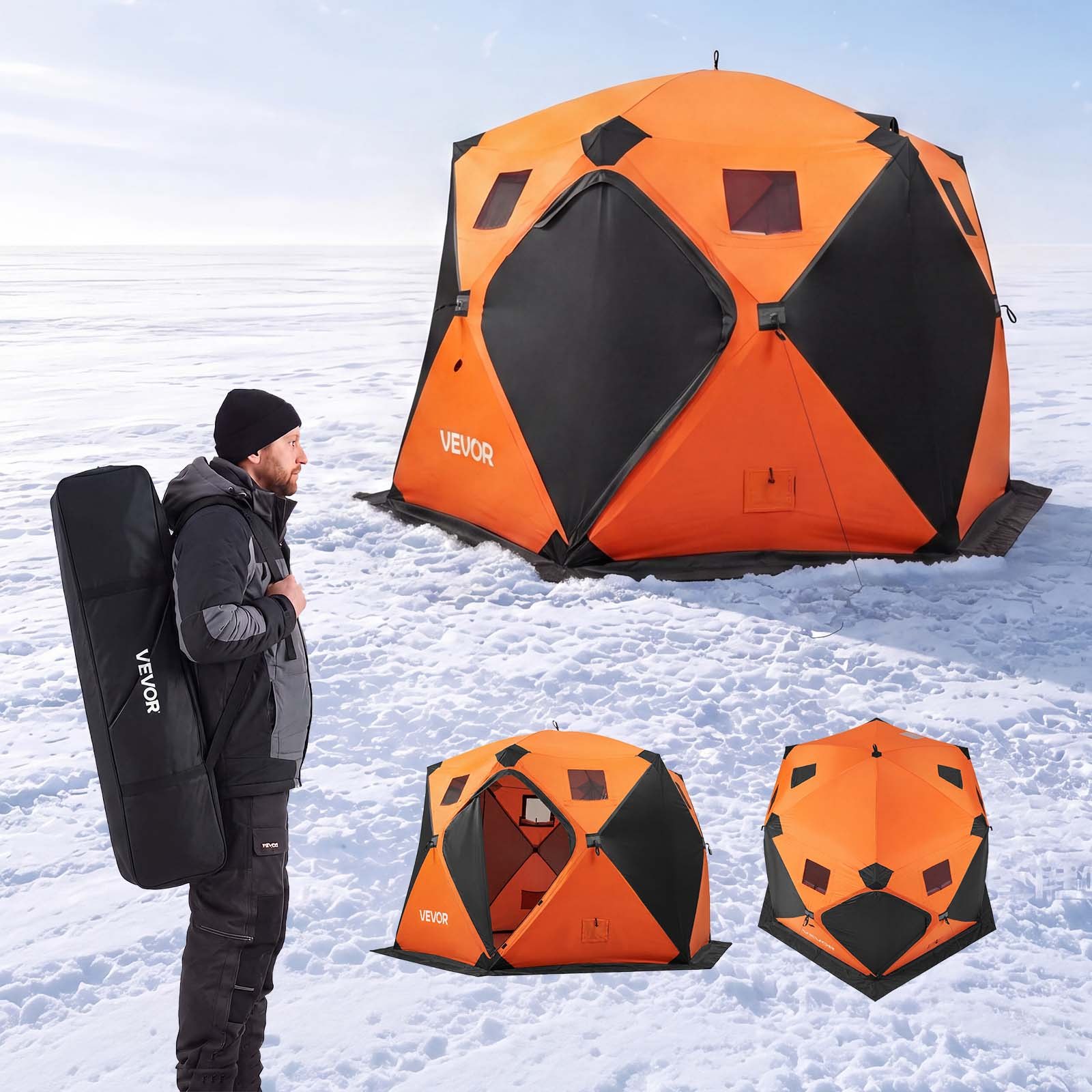 Pop Up Ice Fishing Tent 6-8 Person 137 x 69 x 91 in Insulated Shelter, for Winter 84 sq ft Area, 600D 4-Layer Fabric, Portable Hub-Style Shanty Cube with Anchors, Ropes, Carrying Bag$291.99View on Mallflare
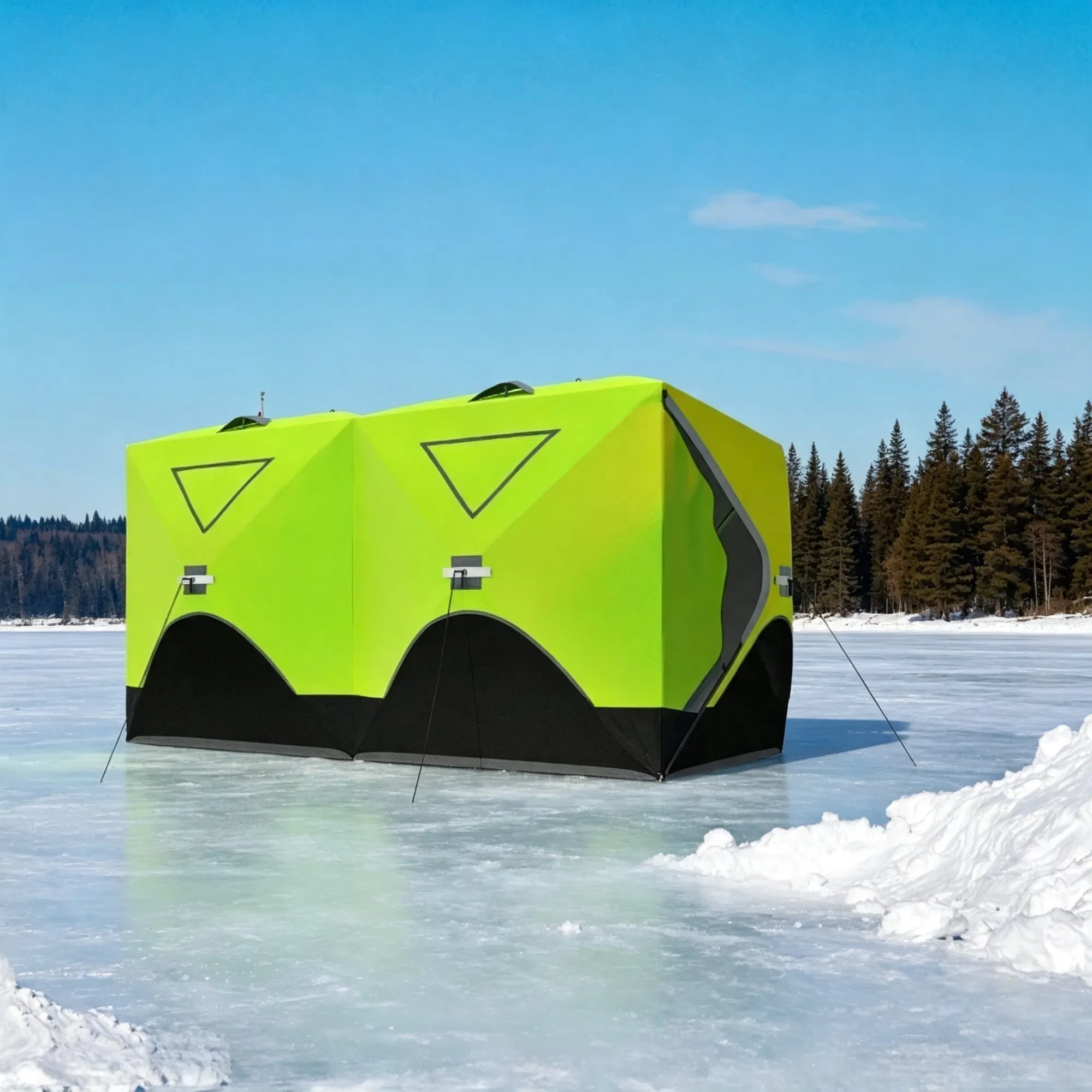 8 Person Ice Fishing Shelter Insulated Portable Pop-Up Ice Shanty Tent with 2 Doors And Carrying Bag for Winter Sports$308.99View on Mallflare
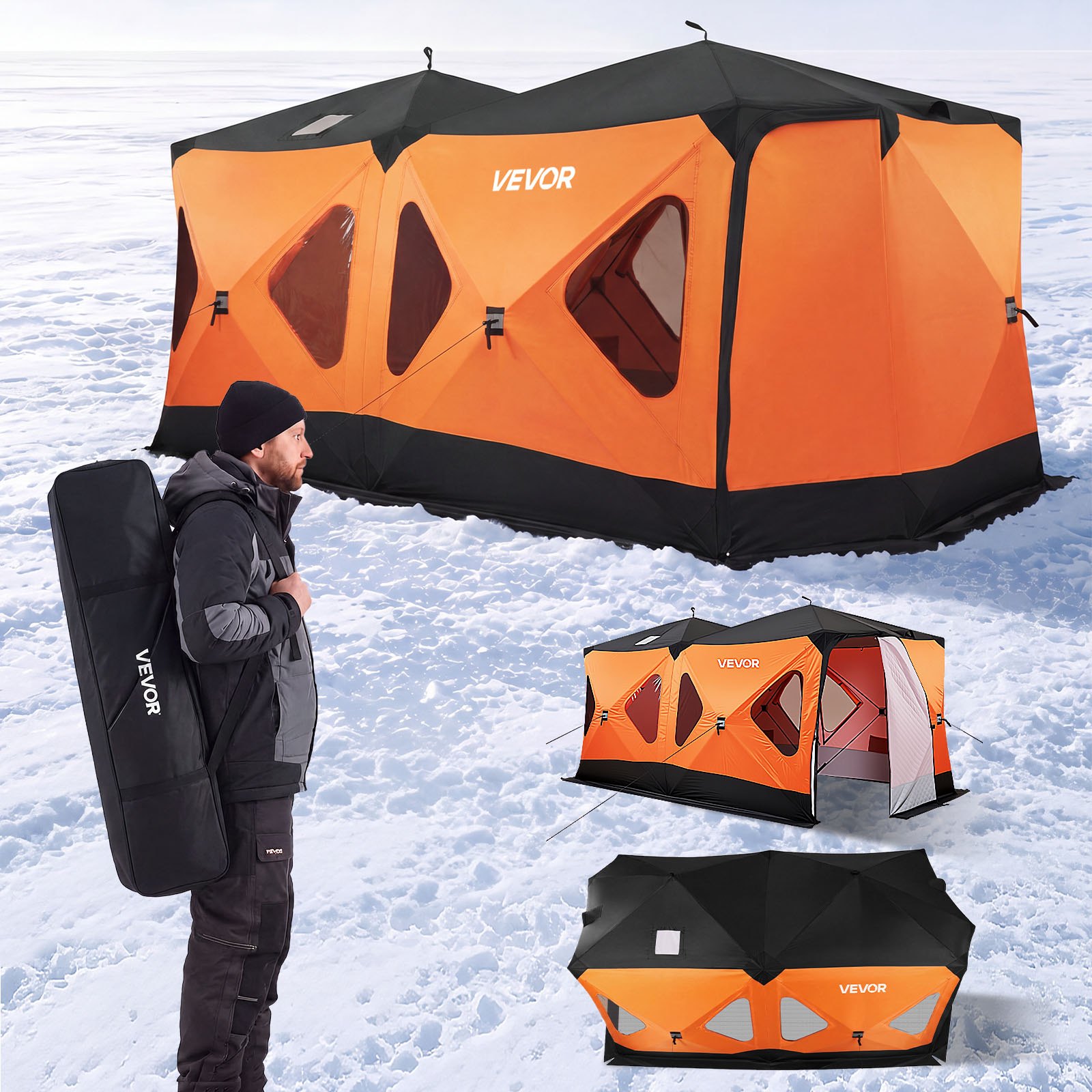 Pop Up Ice Fishing Tent 8-10 Person 162x91x91 in Insulated Shelter, for Winter 115 sq ft Area, 600D 4-Layer Fabric, Portable Hub-Style Shanty Cube with Anchors, Ropes, Carrying Bag$368.99View on Mallflare
Highlights
- Stove jack construction is the deciding feature: a heat-resistant silicone or fiberglass-reinforced port with a metal ring and adjustable chimney collar, not a cut hole sealed with tape.
- Insulated hub shanties use 600D 4-layer quilted fabric for ice fishing, while hot tents use 300D oxford or 8-10 oz canvas; thicker shells resist condensation and hold heat longer.
- Tipi and cabin hot tents rely on a center pole and guy-line footprint, while pop-up hub shanties use pre-bent fiberglass or steel hubs that set up in under two minutes.
- Floor area math separates models: a 1-2 person shanty runs roughly 24-25 sq ft, 3-4 person models 34-58 sq ft, and 6-8 person shelters 67-84 sq ft, with stove clearance reducing usable sleeping space.
Best use cases
- Best fit: winter basecamp for 2-4 people with a wood stove — choose a canvas or oxford tipi/cabin hot tent with a factory stove jack and a footprint of at least 50 sq ft; skip uninsulated pop-up cubes for multi-night trips.
- Best fit: ice fishing day trips — a hub-style insulated shanty in 600D 4-layer fabric with anchors and ropes sets up fast and traps heat; skip heavy canvas hot tents that take longer to pitch in wind.
- Best fit: solo or duo backpacking in cold — a lightweight 300D oxford tipi with a stove jack and carbon or aluminum center pole keeps pack weight down; skip 6-8 person shelters that need a vehicle or sled.
- Wrong fit: summer family camping — a hot tent with a stove jack is overbuilt and heavy; a standard three-season tent vents better and costs less.
Buying tips
- Match stove jack diameter to your stove pipe: common ports fit 3-inch or 4-inch chimney sections, and a high-temp silicone boot with a metal ring is the durable standard over taped fabric holes.
- Size the shelter by floor area plus stove clearance: add at least 10-15 sq ft of buffer beyond sleeping pads, and keep cots and gear at least 18 inches from the stove body.
- Choose insulation for overnight condensation control: 600D 4-layer quilted fabric slows interior frost, while single-wall 300D oxford needs a stove running continuously and good roof venting.
- Prioritize frame and anchoring hardware for wind: look for fiberglass or steel hubs with reflective guy lines and at least four ice anchors, plus a reinforced pole sleeve or center pole that accepts a stove-pipe brace.
Specs
| Shelter Type | Tipi / cabin / pop-up hub shanty |
|---|---|
| Fabric & Insulation | 300D oxford vs 600D 4-layer quilted |
| Stove Jack | 3-4 in heat-rated silicone port |
| Floor Area by Size | 24-25 sq ft (1-2P) to 84 sq ft (6-8P) |
Related searches
What to check before buying
- Measure your sleeping setup: confirm the floor dimensions fit your pads or cots plus a stove, leaving 18 inches of clearance around the stove body and pipe.
- Check stove compatibility: verify the jack port diameter matches your chimney pipe and that the tent includes a heat-resistant boot and spark arrestor clearance.
- Assess ground and weather: ice fishing needs ice anchors and a wind-stable hub design, while snow camping needs a full-coverage fly and guy-out points for snow stakes.
- Confirm ventilation: a hot tent must have roof vents and a chimney port that seals, plus a CO alarm for any fuel-burning stove.
FAQ
Data sources: eBay / Amazon listings and product attribute feeds Data updated Nov 16, 2026.
Some links on this page are affiliate links. If you buy after clicking one, we may earn a commission at no extra cost to you. This does not change which products appear here or their order. Affiliate disclosure.