Photos from current listings. Actual item, color, and included accessories may vary.
Bike Trainer Buying Guide
A bike trainer turns your existing bicycle into an indoor cardio machine, and the core trade-off is resistance architecture: fluid and magnetic units deliver smooth, controllable load for structured training, while fan and mini-pedal units trade precision for portability and low cost. Buy a wheel-on or direct-drive trainer with a progressive resistance curve and a stable steel frame if you train seriously; skip unanchored mini-pedal units for anything beyond light circulation.


At a glance
- Category
- Cardio Machines
- Data updated
- Nov 16, 2026
Current offers
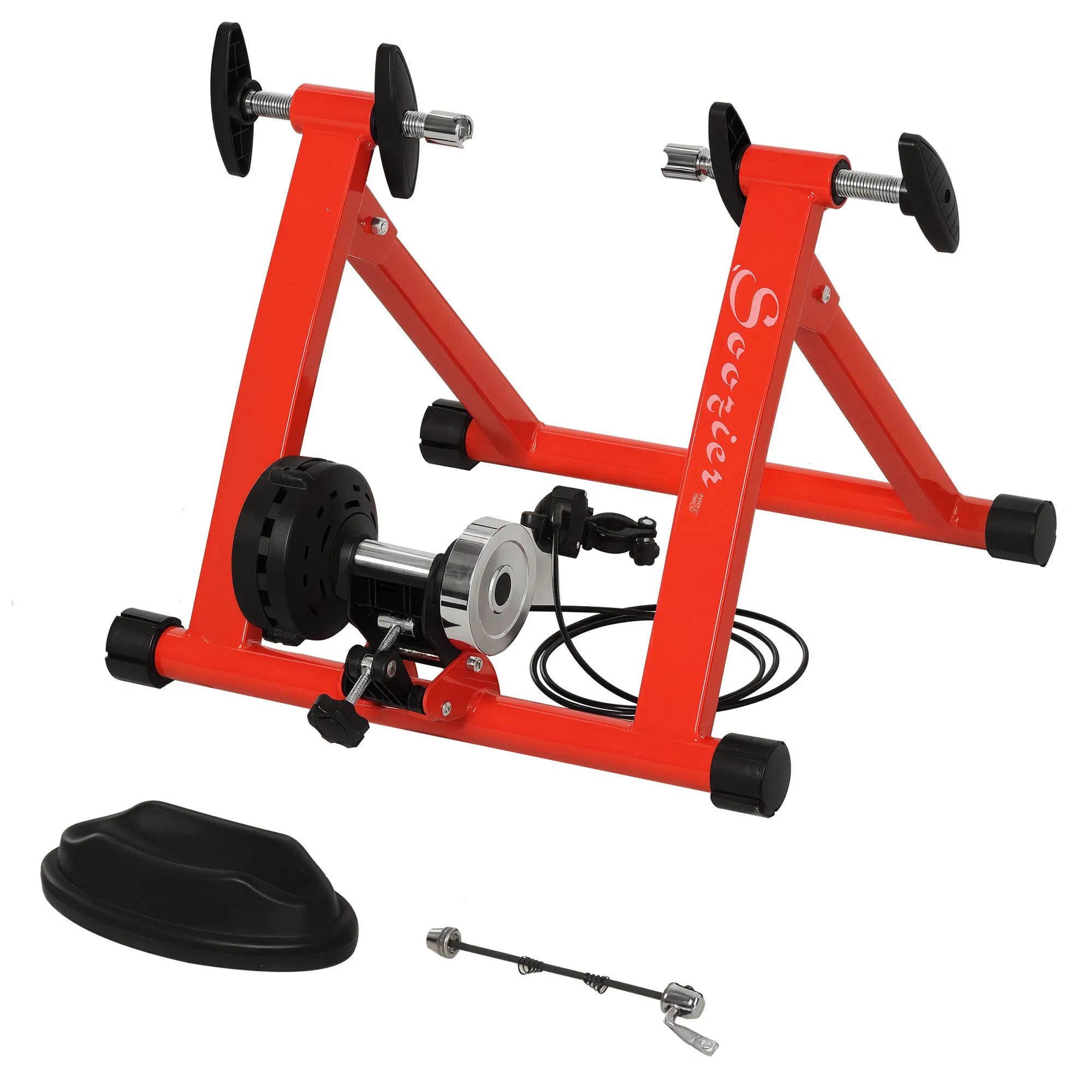 Bike Trainer Magnetic Bicycle Stand Indoor Exerciser w/ Quick Release Skewer, 5 Levels Resistance, Red$125.99
 View on Mallflare
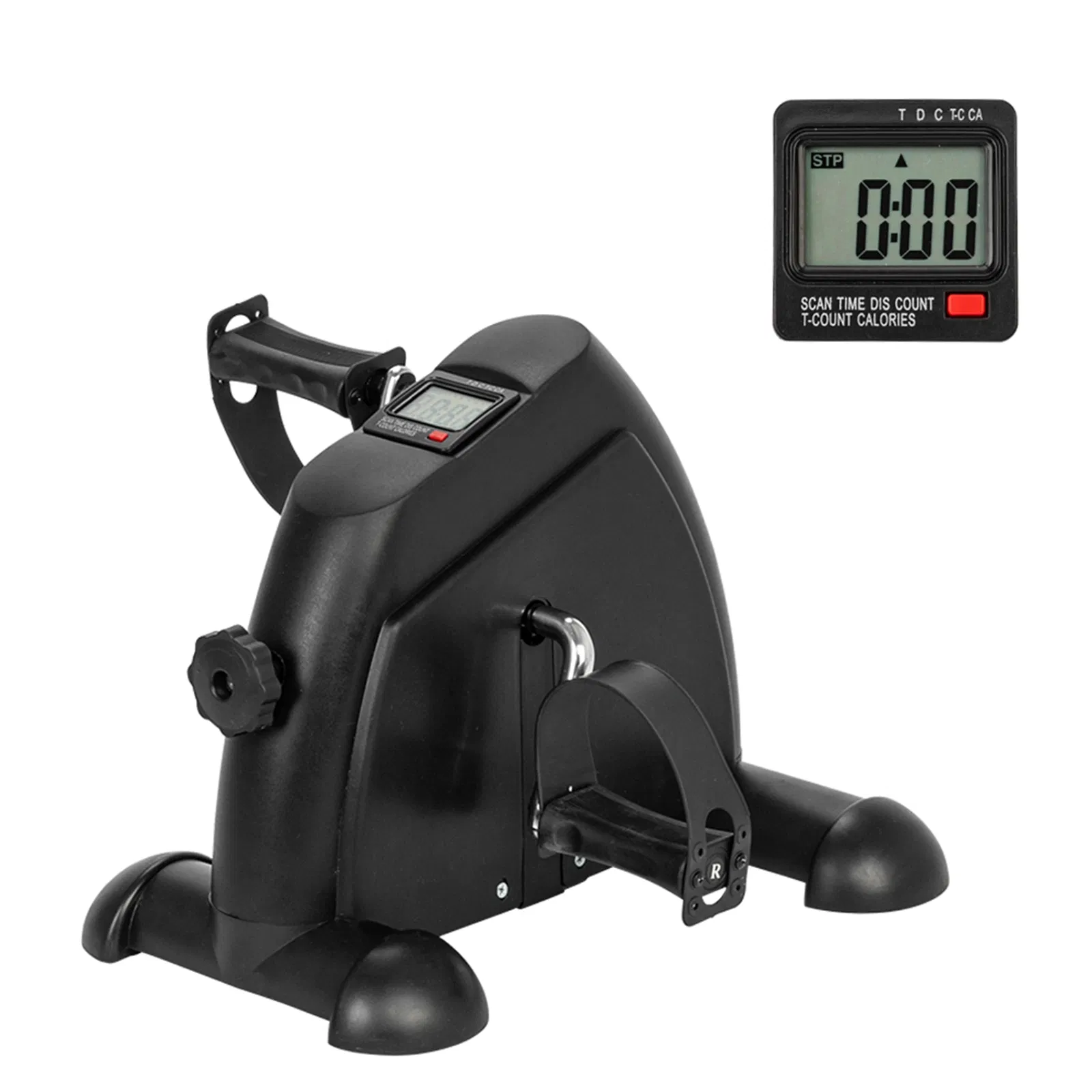 Home Use Hands and Feet Trainer Mini Exercise Bike XH$53.99View on Mallflare
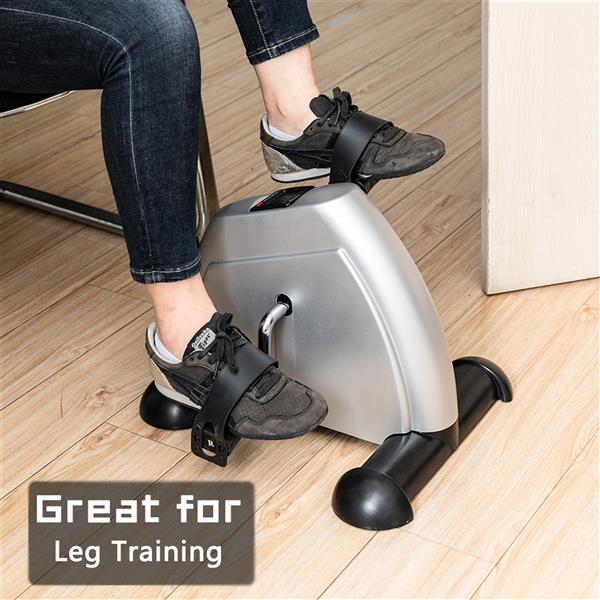 Home Mini Fitness Bike Hand And Foot Trainer$61.99View on Mallflare
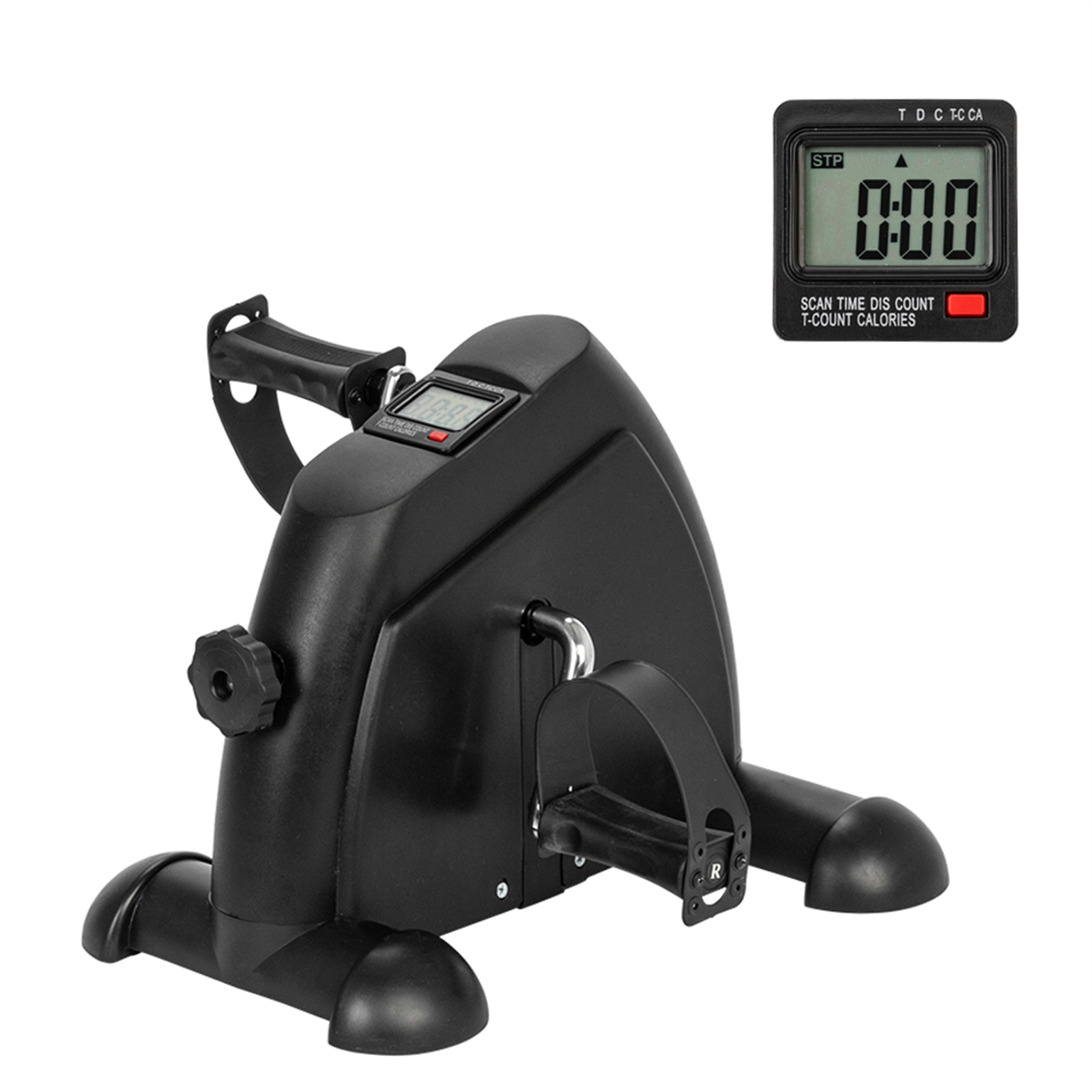 W002K Home Use Hands and Feet Trainer Mini Exercise Bike Black$61.99View on Mallflare
Highlights
- Direct-drive trainers remove the rear wheel and couple the drivetrain to a flywheel for the most accurate power and least tire wear; wheel-on units clamp the rear axle and press a roller to the tire.
- Magnetic resistance uses moving magnets over a metal flywheel for stepped or electronically controlled load; fluid units spin an impeller in oil for a progressive, self-adjusting curve that gets harder as speed rises.
- Frame material and clamp design decide stability: steel frames with wide, rubber-capped legs and a locking axle clamp resist lateral sway under sprinting, while plastic-bodied mini trainers flex and creep across the floor.
- Quick-release skewer compatibility and axle standards matter: most wheel-on and direct-drive trainers ship with a steel skewer for 130/135 mm quick-release frames, while thru-axle bikes need a model-specific adapter.
Best use cases
- Structured indoor training with app-controlled workouts: pick a direct-drive smart trainer or a wheel-on smart trainer with electronic resistance and FTMS/ANT+ FE-C support; skip dumb fluid units if you need ERG mode.
- Steady aerobic base miles on a budget: choose a fluid wheel-on trainer with a progressive curve and a steel frame; skip electronic smart units that add cost without changing the ride feel.
- Small-space light movement or desk-side circulation: a compact magnetic mini exercise bike for hands and feet fits, but skip it for any workout that needs real wattage, sprint stability, or bike-fit geometry.
- Sprinting and high-torque intervals: use a direct-drive trainer bolted to a stiff steel frame with a wide footprint; skip lightweight wheel-on units that rely on tire contact and can slip under load.
Buying tips
- Match the trainer to your rear axle: quick-release 130/135 mm frames work with the included steel skewer on most wheel-on and direct-drive units, while 142/148 mm thru-axle bikes require the correct adapter before purchase.
- Choose resistance by training goal: magnetic units give stepped or app-controlled load for intervals, fluid units give a smooth progressive curve for steady efforts, and fan units rise sharply with speed for short bursts.
- For wheel-on trainers, budget for a dedicated trainer tire or a smooth slick; knobby or worn tires slip on the roller and shed rubber, while direct-drive units eliminate tire wear entirely.
- Check flywheel mass and footprint: heavier flywheels (typically 4-6 kg and up on serious units) smooth the pedal stroke, and wider steel legs with rubber feet prevent walking during out-of-saddle efforts.
Specs
| Resistance Type | Magnetic / Fluid / Direct-drive |
|---|---|
| Drive System | Wheel-on roller / Direct-drive |
| Smart Protocol | ANT+ FE-C / Bluetooth FTMS |
| Axle Compatibility | QR 130/135 mm; TA 142/148 mm |
Related searches
What to check before buying
- Measure your rear axle type and width (quick-release vs thru-axle, 130/135/142/148 mm) and confirm the trainer includes the matching skewer or adapter.
- Confirm floor space and ceiling height: a trainer adds roughly 30-50 cm behind the bike, and out-of-saddle riding needs clearance above and to the sides.
- Check drivetrain compatibility for direct-drive units: cassette speed (8/9/10/11/12-speed) and freehub body (Shimano HG, SRAM XD, Campagnolo) must match your bike.
- Verify power and connectivity: a smart trainer needs a nearby mains outlet, and app control requires ANT+ FE-C or Bluetooth FTMS on your phone, tablet, or head unit.
FAQ
Data sources: eBay / Amazon listings and product attribute feeds Data updated Nov 16, 2026.
Some links on this page are affiliate links. If you buy after clicking one, we may earn a commission at no extra cost to you. This does not change which products appear here or their order. Affiliate disclosure.