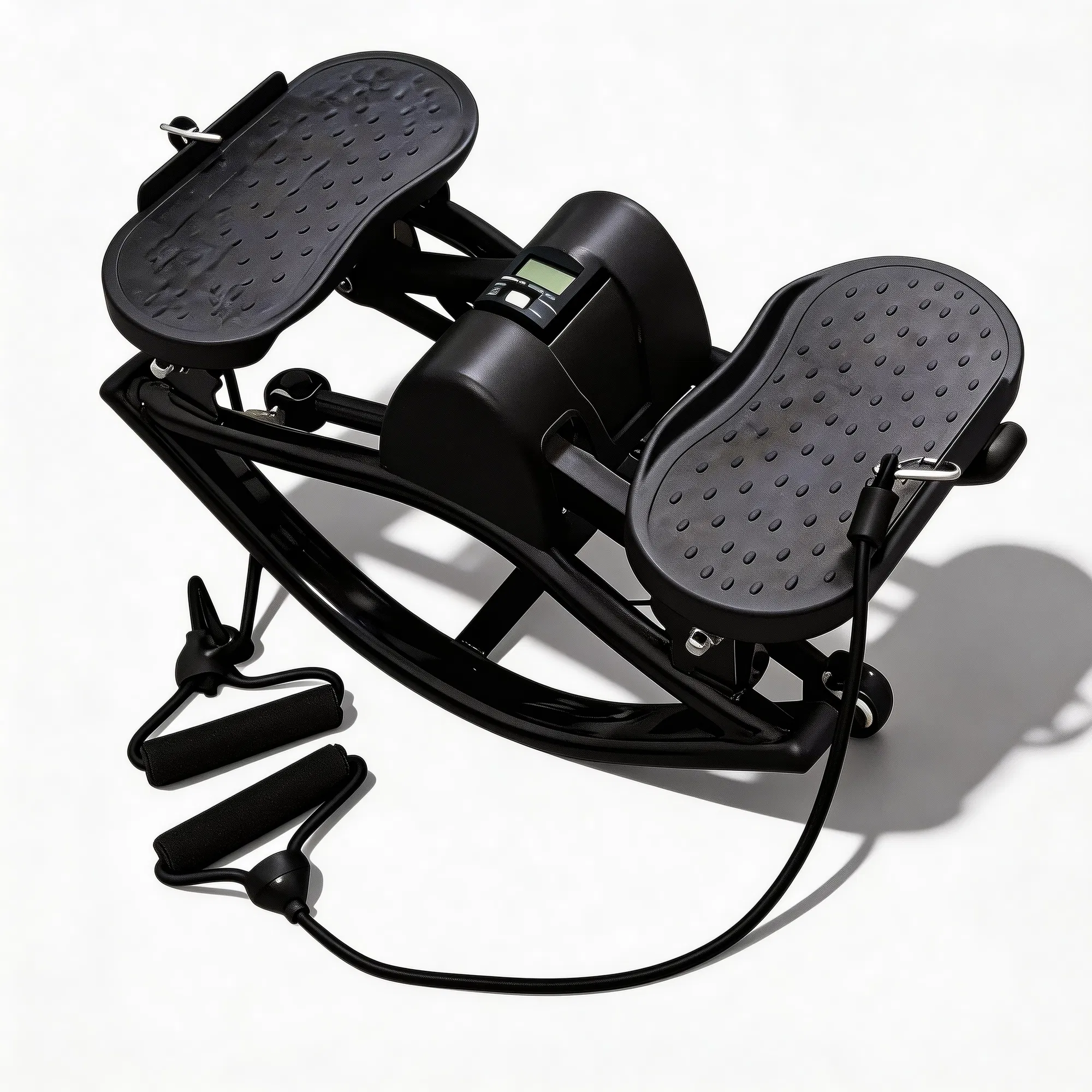

Photos from current listings. Actual item, color, and included accessories may vary.
Elliptical With Incline Buying Guide
An elliptical with incline adds adjustable ramp angles to a standard low-impact stride, shifting muscle emphasis and increasing intensity without joint stress. The core trade-off is between a heavy, stable flywheel-driven machine with motorized incline and a lightweight compact unit with fixed or manual ramps. Choose a durable option only if the frame supports your user weight and the incline mechanism is rated for repeated adjustments; otherwise, a compact fixed-ramp model is the honest compromise for light use in tight spaces.


At a glance
- Category
- Cardio Machines
- Data updated
- Nov 16, 2026
Current offers
Highlights
- Motorized incline ramps typically adjust from 0 to 20+ degrees via console controls, engaging glutes and calves more than a flat fixed stride.
- Rear-drive flywheels (18–30 lb) create a smoother, more stable feel than front-drive or lightweight compact units with minimal flywheel mass.
- Frame steel gauge and user-weight ratings separate durable machines (300+ lb capacity) from compact steppers often capped near 220–250 lb.
- Stride length determines fit: 18–20 inches suits users under 5'8", while 20–22 inches is needed for taller users to avoid choppy motion.
Best use cases
- Best fit: a motorized-incline elliptical with a 20+ lb flywheel and 300 lb capacity for daily training and multiple users; skip compact hydraulic steppers for this.
- Best fit: a compact fixed-ramp or manual-incline elliptical for apartment dwellers with limited floor space and one light user; skip heavy rear-drive models that need dedicated clearance.
- Best fit: a physical-therapy or low-impact rehab user needing smooth, short stride and handrails; skip high-incline units that force an aggressive posture without support.
- Wrong fit: high-incline training for tall users on a unit with under 20-inch stride; the ramp angle compounds hip flexion and causes discomfort.
Buying tips
- Match stride length to height: 18 inches for under 5'6", 20 inches for 5'6"–5'10", and 20–22 inches for taller users.
- Check user-weight rating against the heaviest household user plus 20% margin; compact units rated 220–250 lb flex and wear faster.
- Prefer motorized incline with at least 10 resistance levels; manual pin-adjust ramps are durable but inconvenient for interval training.
- Measure flywheel weight: 18–30 lb rear-drive flywheels deliver smoother motion than 6–12 lb compact units; heavier is more durable but harder to move.
Specs
| Incline Type | Motorized 0-20° vs Manual/Fixed |
|---|---|
| Drive & Flywheel | Rear-drive 18-30 lb vs Compact light |
| Stride Length | 18-22 in adjustable / fixed |
| Weight Capacity | 300+ lb full-size vs 220-250 lb compact |
Related searches
What to check before buying
- Floor space: confirm footprint plus 2 feet of clearance behind and on each side for stride and incline movement.
- Ceiling height: add 12–14 inches above your standing height for incline posture and safe headroom.
- Power and plug: motorized incline units require a grounded outlet within cord reach; compact manual units need no power.
- Companion parts: check included heart-rate chest strap compatibility, tablet holder, and whether assembly tools are supplied.
FAQ
Data sources: eBay / Amazon listings and product attribute feeds Data updated Nov 16, 2026.
Some links on this page are affiliate links. If you buy after clicking one, we may earn a commission at no extra cost to you. This does not change which products appear here or their order. Affiliate disclosure.