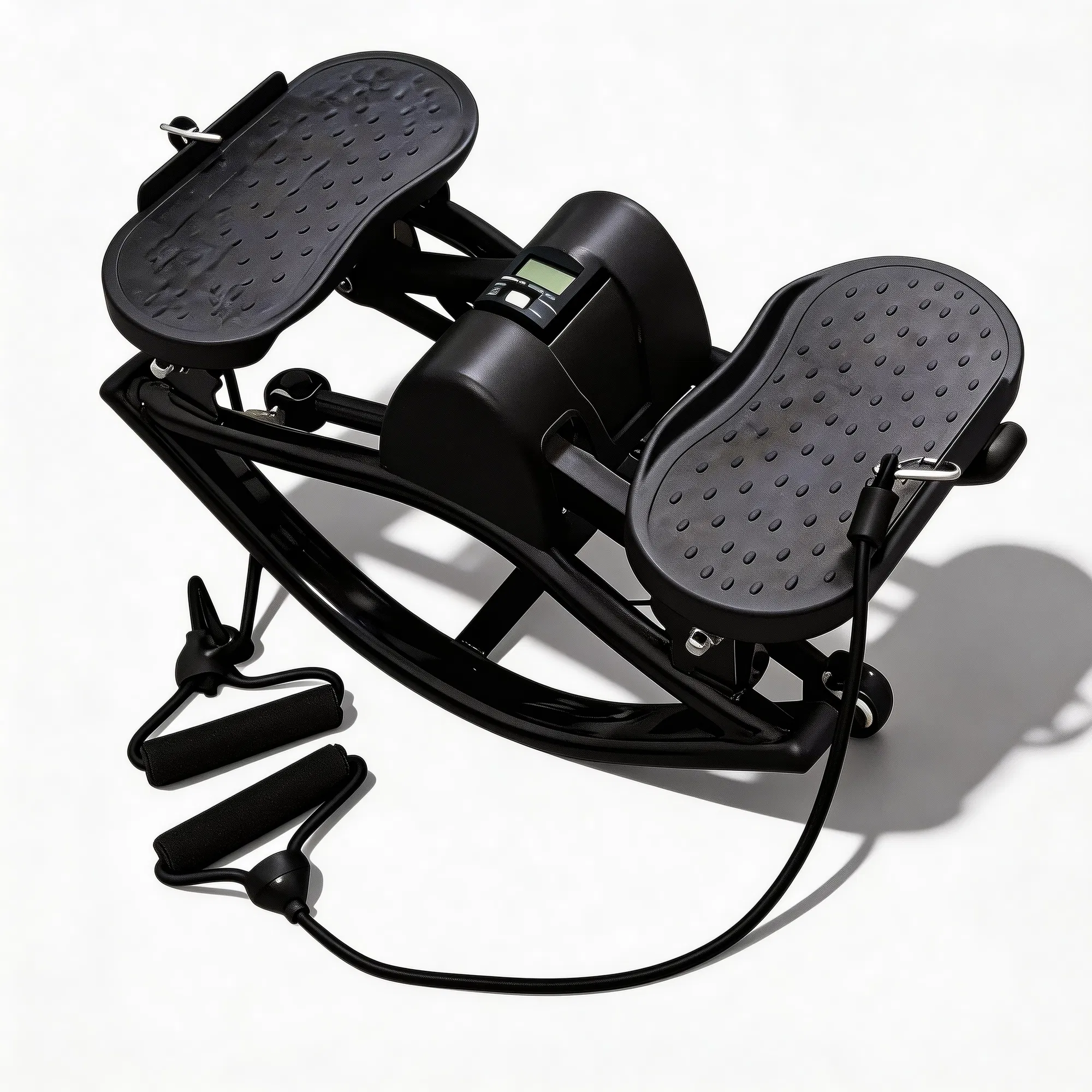

Photos from current listings. Actual item, color, and included accessories may vary.
Mini Stair Stepper Buying Guide
Mini stair steppers are compact, low-impact cardio machines that use a hydraulic or pneumatic resistance piston to drive two independent pedals in an alternating up-and-down motion. The decisive trade-off is hydraulic cylinder quality versus frame and pedal construction: cheap sealed cylinders leak or fade within months, while serviceable cylinders and a wider, thicker steel frame hold resistance and stability. Buy a stepper with a stated load rating, replaceable or rebuildable hydraulic cylinders, and a non-slip pedal deck wide enough for your shoe; skip ultra-narrow, non-serviceable units sold without load ratings.


At a glance
- Category
- Cardio Machines
- Data updated
- Nov 16, 2026
Current offers
Highlights
- Hydraulic piston resistance is the wear part: sealed non-serviceable cylinders lose resistance and leak; units with replaceable cylinders or oil-fill ports last far longer.
- Load capacity is the frame spec that matters: 220–250 lb ratings suit casual home use, while 300–330 lb ratings indicate thicker steel and a wider base for heavier users.
- Pedal travel height and deck width define the stride: taller pedal rise increases intensity but demands more knee clearance, and decks under about 4 inches wide feel unstable.
- Resistance bands add upper-body pulling but are a bonus: the stepper's cardio load comes from cylinder resistance and step cadence, not from band tension.
Best use cases
- Best fit: apartment or small-room cardio — pick a quiet hydraulic stepper with non-slip pedals and a compact footprint under roughly 20 x 16 inches; skip loud mechanical-spring steppers.
- Best fit: low-impact knee-friendly movement — choose a unit with short pedal travel and adjustable hydraulic tension; skip deep-step climbers if you have limited knee flexion.
- Best fit: heavier users up to about 330 lb — select a stepper explicitly rated 300 lb or higher with a wide base; skip budget units listing no load rating.
- Wrong fit: users wanting running-grade cardio or long continuous strides — a mini stepper caps cadence and range; choose a full-size stepper or treadmill instead.
Buying tips
- Match load rating to user weight with margin: choose at least 20–30 lb above body weight, so a 200 lb user wants a 250 lb+ rating and a 280 lb user wants 330 lb.
- Prefer serviceable hydraulic cylinders with visible oil ports or replacement cylinder availability; sealed press-fit cylinders are disposable once resistance fades.
- Measure pedal deck width and length against your shoe: decks at least 4 inches wide and 10 inches long keep the full foot supported during fast stepping.
- Check base footprint and floor protection: a base around 16–20 inches wide with rubber pads grips hard floors and protects carpet; narrower bases rock at speed.
Specs
| Resistance Type | Hydraulic piston vs spring-loaded |
|---|---|
| Load Capacity | 220–330 lb rated steel frame |
| Footprint | Approx. 16–20 in wide, 12–18 in deep |
| Pedal Deck | Non-slip, 4+ in wide per pedal |
Related searches
What to check before buying
- Confirm user weight stays below the stated load capacity with a 20–30 lb margin before choosing a tier.
- Measure available floor space against the stepper's footprint plus arm swing and band reach, typically 2–3 feet of clearance.
- Check ceiling and knee clearance for the pedal's top travel; tall pedal rise needs more room above the knees.
- Verify the unit includes non-slip pedal surfaces, rubber floor pads, and a battery-powered LCD monitor so no outlet is needed.
FAQ
Data sources: eBay / Amazon listings and product attribute feeds Data updated Nov 16, 2026.
Some links on this page are affiliate links. If you buy after clicking one, we may earn a commission at no extra cost to you. This does not change which products appear here or their order. Affiliate disclosure.