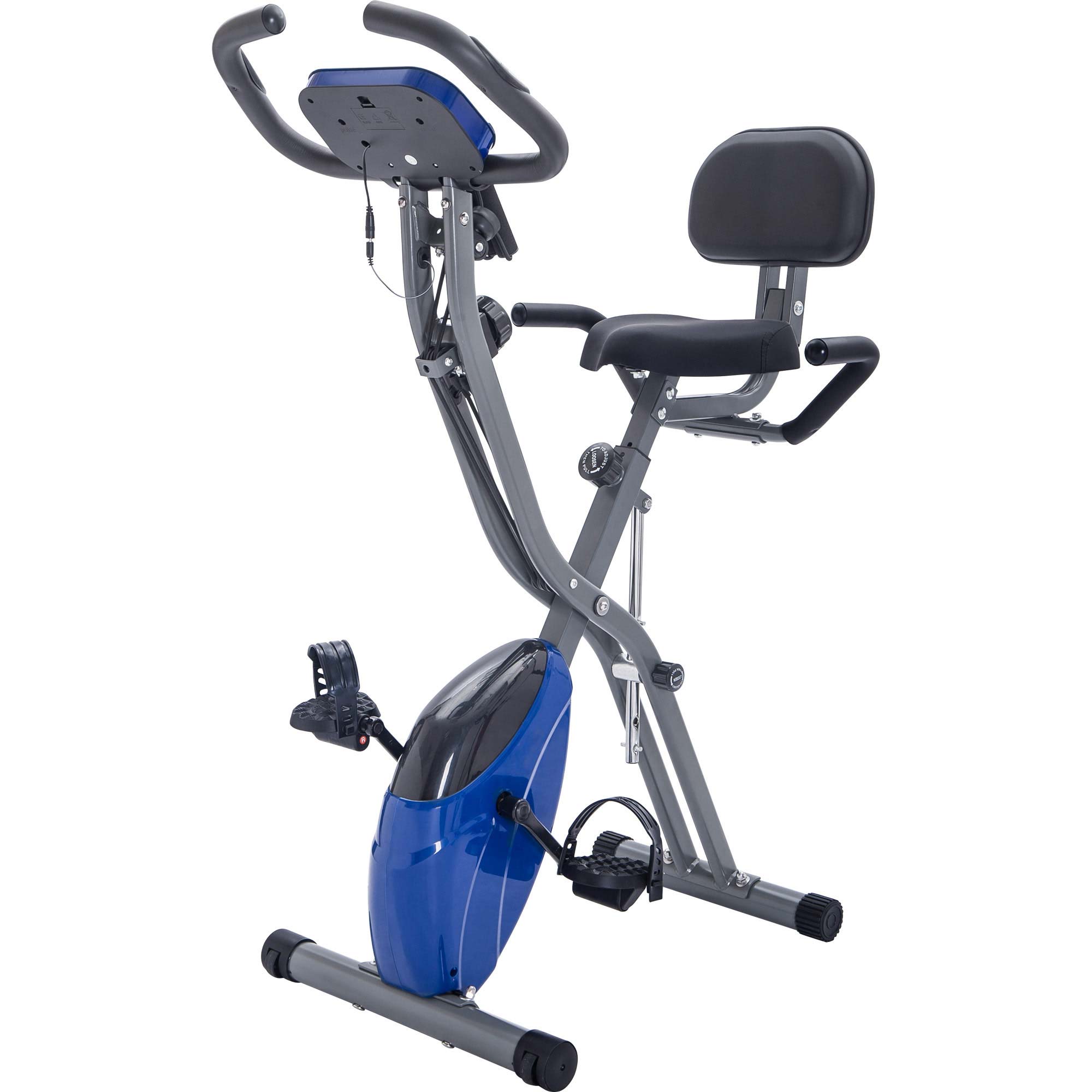

Photos from current listings. Actual item, color, and included accessories may vary.
Recumbent Bike Buying Guide
A recumbent bike is a seated cardio machine with a wide bucket seat and a forward-pedal position that reduces joint stress, making it the default choice for seniors and rehab riders. The core trade-off is frame stability and seat adjustability versus folding convenience and low-resistance magnetic systems. Buy a rigid, step-through frame with a high-back seat if durability matters; skip folding X-bikes unless portability is the absolute priority.


At a glance
- Category
- Cardio Machines
- Data updated
- Nov 16, 2026
Current offers
Highlights
- Frame architecture splits into rigid step-through steel frames (150-300 lb capacity) and folding X-frame hybrids (250 lb typical, hinge flex under load)
- Magnetic resistance is standard; manual tension straps are found only on the cheapest folders and wear out quickly
- Seat adjustability works two ways: rail-slide fore/aft (infinite, better fit) versus pin-lock recline angles (fewer positions, easier entry)
- High-back seats with lumbar support and side bolsters define senior-friendly models; low-back bike-style saddles suit taller riders and longer inseams
Best use cases
- Best fit: seniors and rehab riders needing low step-over height and back support — pick a step-through frame with a high-back seat and infinite rail slide.
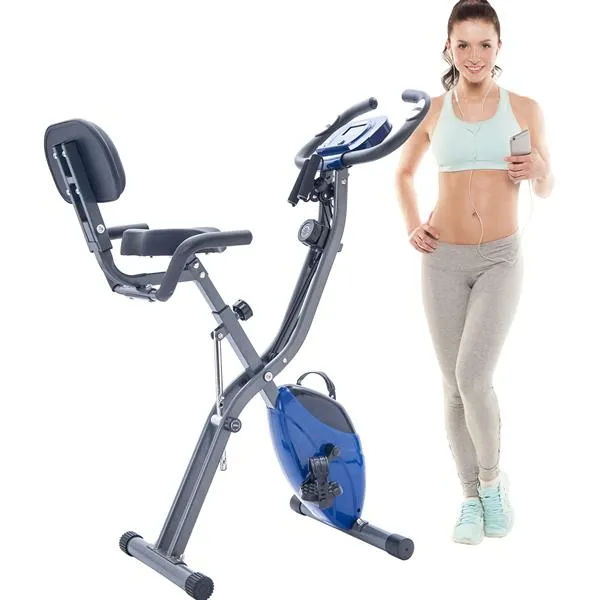
- Best fit: small apartments or shared spaces — a folding X-bike with 10-level magnetic resistance stores upright and covers both upright and recumbent positions.
- Wrong fit: tall riders over 6'2" — most folding frames max out at ~6'0" leg extension; choose a rigid rail-slide model with a 40-inch-plus inseam range.
- Skip if: you want sprint intervals or standing climbs — a recumbent's open hip angle caps output; get an upright or indoor cycle instead.
Buying tips
- Match inseam, not height: seat-to-pedal distance should equal your inseam plus 0-1 inch at near-full leg extension; rail-slide seats cover this, pin-lock recline often does not.
- Check user weight rating against frame type: rigid steel step-through frames carry 300 lb; folding hinges typically rate 250 lb and should not be overloaded.
- Demand magnetic resistance with 8+ levels: it runs quiet and holds calibration; friction-strap tensioners on budget folders fade and squeal.
- Verify seat geometry: a high-back seat with lumbar curve and side bolsters is the senior-friendly spec; a flat padded saddle causes tailbone pressure on long rides.
Specs
| Frame Type | Rigid step-through vs folding X-frame |
|---|---|
| Resistance | Magnetic 8+ levels vs friction strap |
| Seat Adjust | Rail slide vs pin-lock recline |
| Weight Capacity | 250 lb folding / 300 lb rigid |
Related searches
What to check before buying
- Measure floor space: a rigid recumbent needs roughly 4.5-5 ft length and 2 ft width; a folded X-bike needs about 2 ft by 2 ft upright.
- Check ceiling and doorway clearance for folding storage and confirm the folded footprint fits your closet or corner.
- Confirm your inseam fits the listed seat-to-pedal range before buying; folding models often cap at 6'0" rider height.
- Plan for a floor mat and level surface: recumbents rock on carpet edges, and hinge frames amplify wobble on uneven floors.
FAQ
Data sources: eBay / Amazon listings and product attribute feeds Data updated Nov 16, 2026.
Some links on this page are affiliate links. If you buy after clicking one, we may earn a commission at no extra cost to you. This does not change which products appear here or their order. Affiliate disclosure.