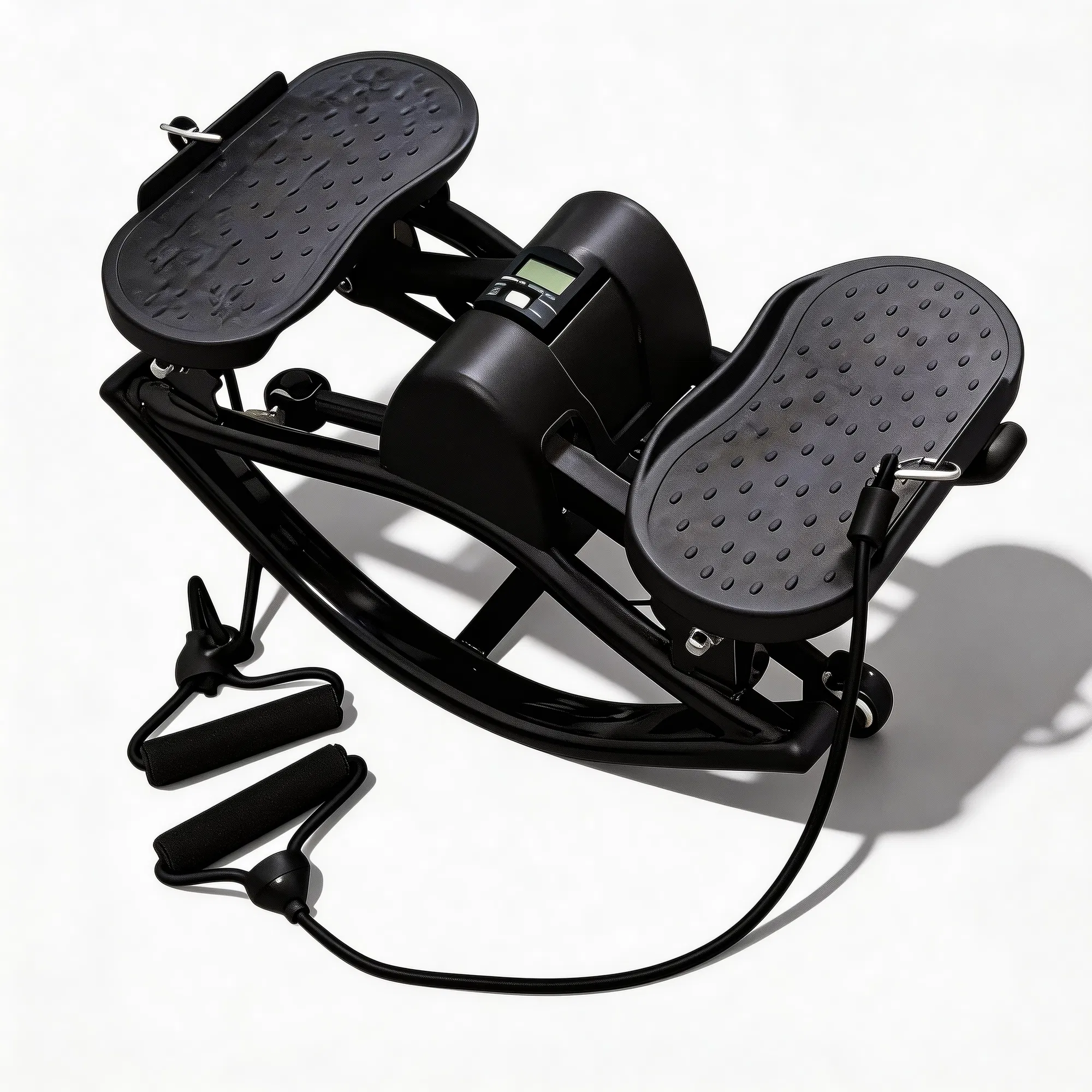

Photos from current listings. Actual item, color, and included accessories may vary.
Step Machine Buying Guide
A step machine (mini stepper or full stair climber) delivers low-impact, joint-friendly cardio by driving pedals through a vertical or elliptical path against hydraulic or magnetic resistance. The core trade-off is hydraulic cylinder durability and seal quality versus magnetic/eddy-current resistance that never wears out but costs more and needs power. Buy a magnetic or sealed hydraulic unit rated for continuous use if you want years of service; treat open-cylinder, plastic-housing mini steppers as light-duty tools with a realistic sub-year lifespan.


At a glance
- Category
- Cardio Machines
- Data updated
- Nov 16, 2026
Current offers
Highlights
- Resistance type decides lifespan: hydraulic cylinders lose damping as seals wear (typically a few hundred hours), while magnetic/eddy-current brakes hold resistance indefinitely and are the only tier worth daily use.
- Pedal stroke geometry separates machines: mini steppers use short 4-6 in vertical travel for light cardio, while full stair climbers use 10-14 in step height and rotating stairs to replicate real stair climbing.
- Build rating tracks user weight and housing: steel frames rated 250-300 lb with sealed cylinders or magnetic flywheels outlast plastic-bodied units rated 220 lb or less.
- Drive and feedback tiers differ: budget units use twin hydraulic cylinders and a basic LCD counter, mid units add magnetic resistance and app/Bluetooth, premium stair climbers add motorized belts and program modes.
Best use cases
- Best fit: small apartments or under-desk cardio on a budget — pick a compact hydraulic mini stepper with non-slip pedals and a 220-250 lb rating; skip it for daily hour-long sessions.
- Best fit: daily home cardio at 30-60 min — choose a magnetic-resistance stepper or compact stair climber with steel frame and 250 lb+ rating; skip twin open-cylinder hydraulics.
- Best fit: rehab, seniors, or low-impact knee-friendly movement — select a unit with long 10-14 in stride and handrails; skip short-stroke mini steppers that load the calves and ankles.
- Wrong fit: high-intensity interval training or heavy users over 250 lb — skip all mini steppers and move to a full stair climber or elliptical with a 300 lb rating.
Buying tips
- Match resistance type to session length: magnetic/eddy-current for 30+ min daily use, sealed hydraulic for 15-20 min light sessions; open-cylinder hydraulics are consumables.
- Check the weight rating against your body weight plus 20% margin — a 200 lb user needs a 250 lb rated frame; plastic pedal arms crack before steel ones bend.
- Measure pedal travel: 4-6 in mini steppers suit seated/desk use; 10-14 in stair-climber steps are required for genuine stair-climbing cardio and caloric burn.
- Confirm household voltage and plug type (120V US vs 230V EU) for motorized stair climbers and magnetic units with powered consoles; manual hydraulic steppers need no power.
Specs
| Resistance Type | Hydraulic vs Magnetic/Eddy |
|---|---|
| Step Height | 4-6 in mini / 10-14 in climber |
| Weight Rating | 220-300 lb by frame |
| Power Source | Manual / battery LCD / AC adapter |
Related searches
What to check before buying
- Floor space: mini steppers need about 2 ft x 1.5 ft; full stair climbers need 3 ft x 4 ft plus 2 ft clearance above for headroom.
- Ceiling height: stair climbers add 10-14 in of step rise, so verify at least 12 in of clearance above your standing head height.
- Floor protection: hydraulic and magnetic units vibrate — use a 6-8 mm rubber mat on hardwood or tile; carpet is fine but check for stable leveling.
- Companion parts: confirm included tools, AA batteries for LCD consoles, and whether a wall adapter is required for magnetic/Bluetooth models.
FAQ
Data sources: eBay / Amazon listings and product attribute feeds Data updated Nov 16, 2026.
Some links on this page are affiliate links. If you buy after clicking one, we may earn a commission at no extra cost to you. This does not change which products appear here or their order. Affiliate disclosure.