Photos from current listings. Actual item, color, and included accessories may vary.
Workout Machine Buying Guide
Workout machines for home cardio span a wide range from compact steppers to full upright climbers, all sharing the same core trade-off: hydraulic resistance is quiet and cheap but limited in stroke and durability, while mechanical friction or magnetic systems cost more and last longer. The decision rule is simple: if you need low-impact, space-saving cardio under 250 lb user weight, a hydraulic stepper works; if you need joint-friendly full-body motion or heavier user support, step up to a magnetic or friction-braked climber/stepper with a steel frame.


At a glance
- Category
- Cardio Machines
- Data updated
- Nov 16, 2026
Current offers
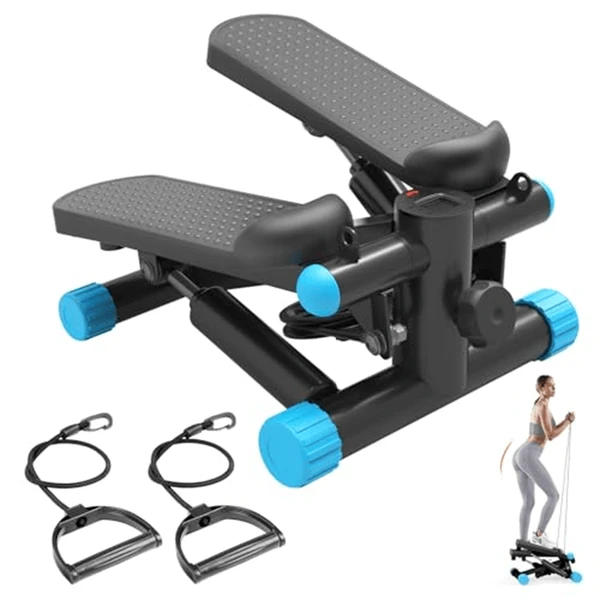 Mini Stepper With Resistance Bands, Portable Full Body Workout Machine Adjustable Foot For Fitness$60.99
 View on Mallflare
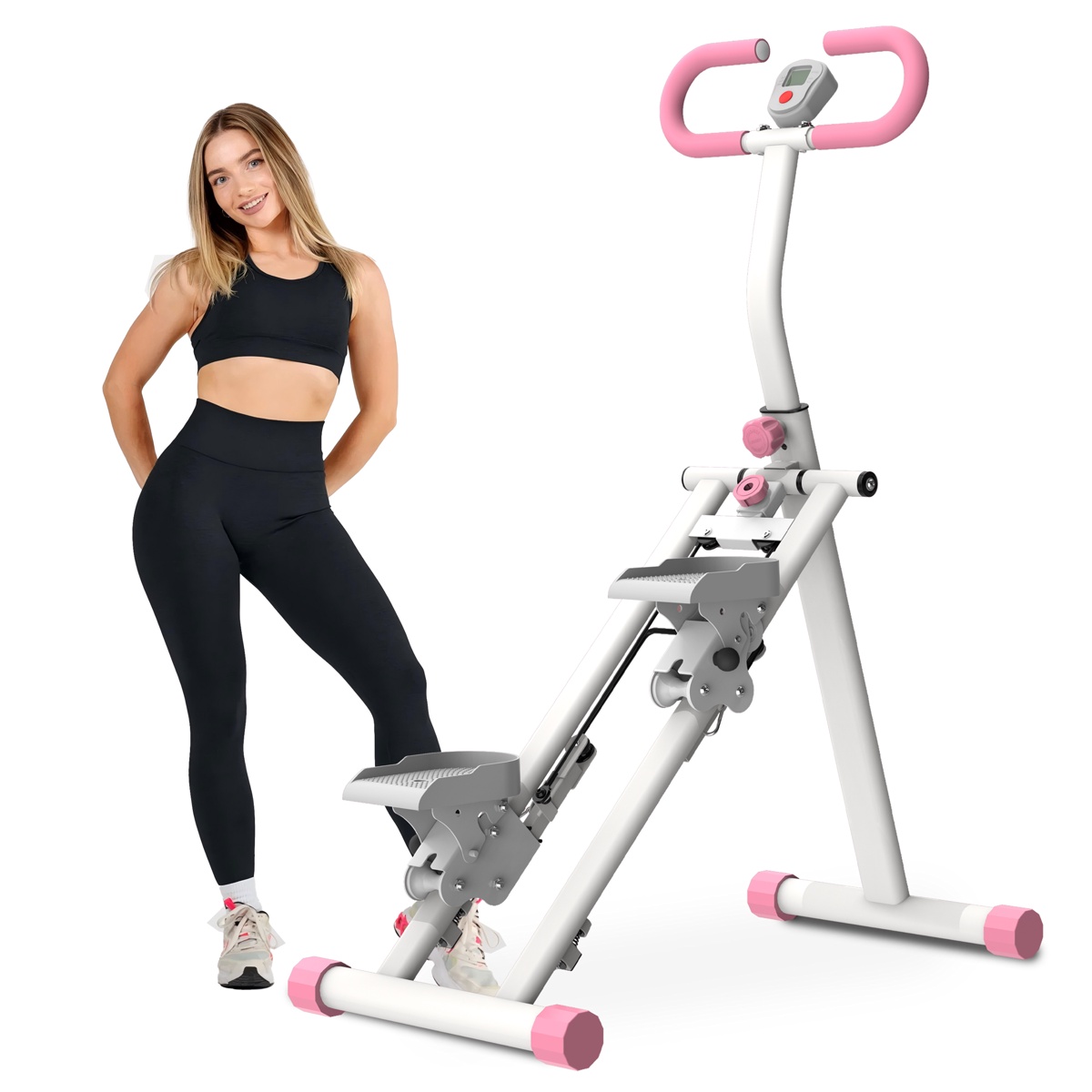 Stair Stepper For Home-Upgrade Vertical Climber Workout Machine For Full-Body Exercise Fitness Equipment With Stable Frame Adjustable Handlebar-Pink$103.99View on Mallflare
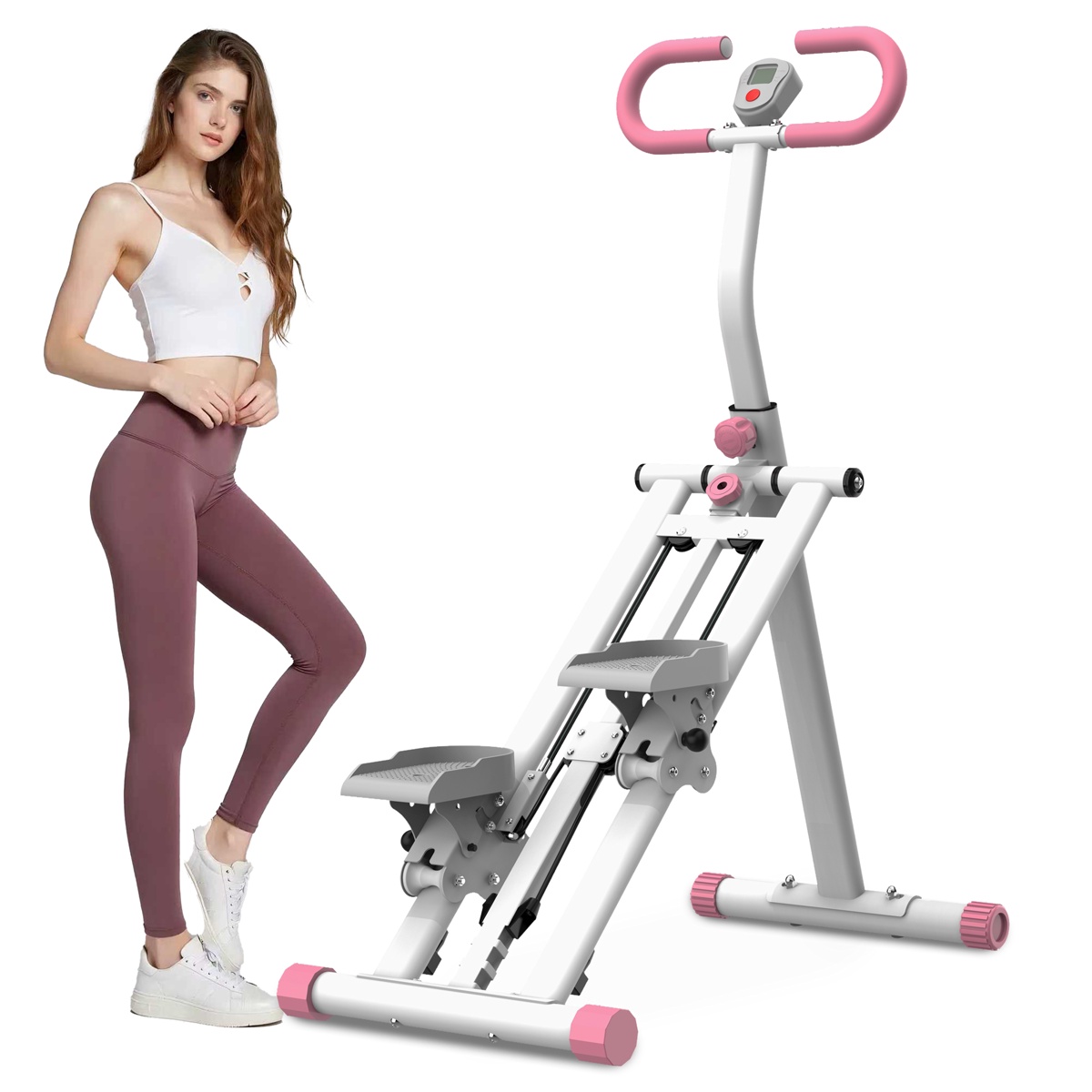 Stair Stepper With Resistance Home-Upgrade Vertical Climber Workout Machine For Full-Body Exercise Fitness Equipment Stable Frame Adjustable Handlebar-Pink$108.99View on Mallflare
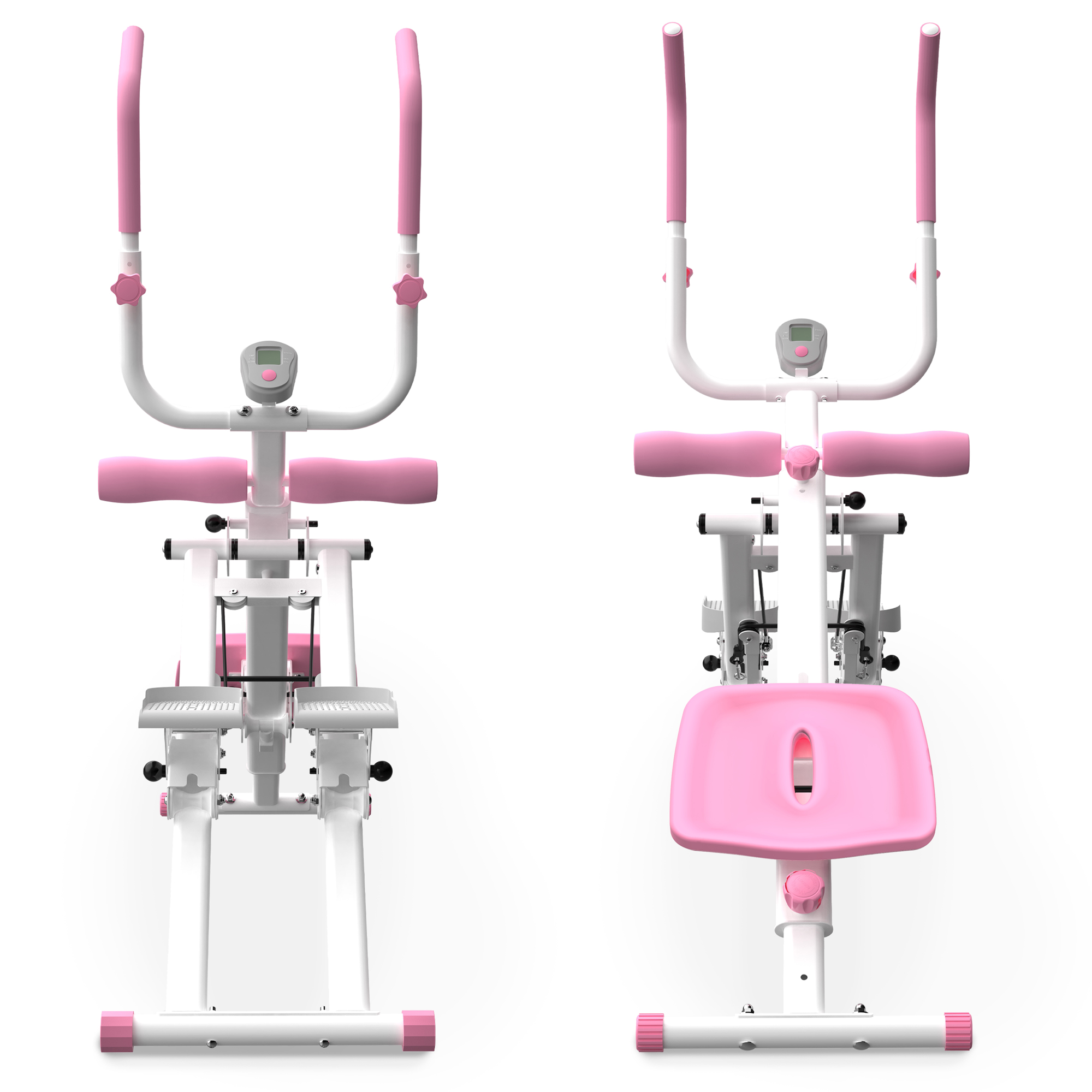 Multifunctional 2-In-1 Stair Stepper And Ab Workout Machine Pink$152.99View on Mallflare
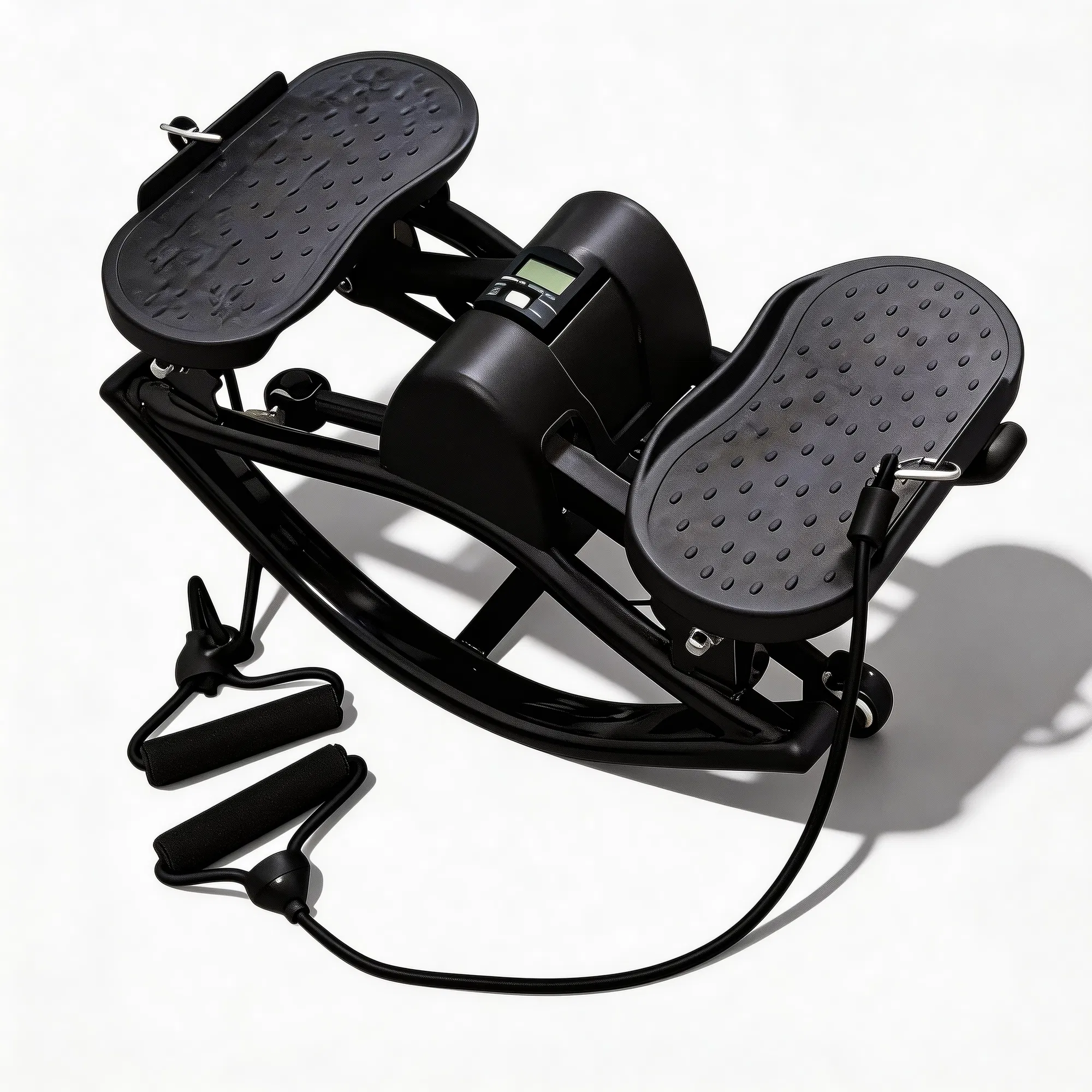 Portable Mini Stair Stepper for Home Workout, Low-Impact Elliptical Step Machine with Quiet Hydraulic System, Non-Slip Pedals, Digital Monitor & Compact Design for Full Body Exercise, Ideal for Small$88.99View on Mallflare
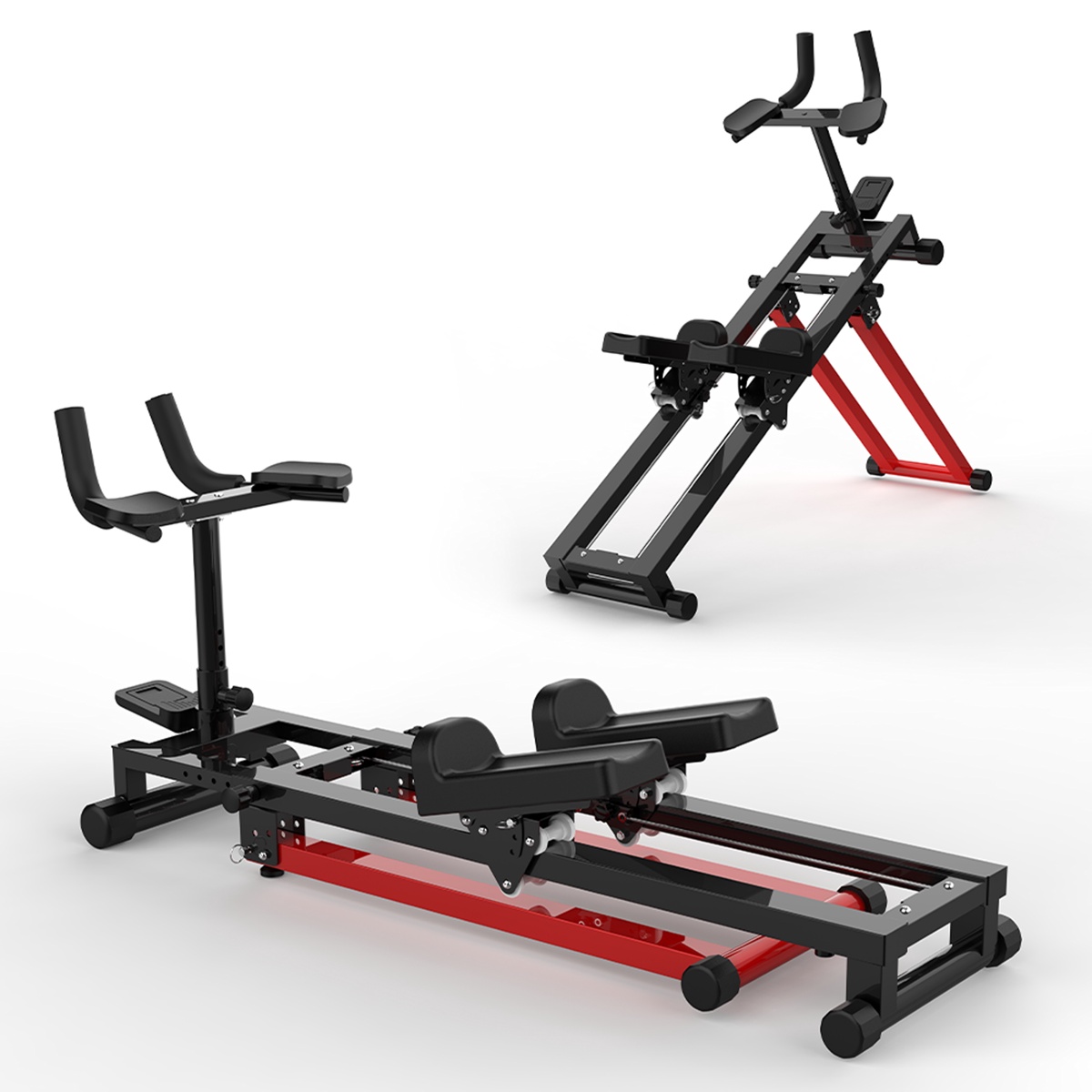 3-in-1 Spine Twist Stretcher & Stair Stepper & Waist Trainer, Adjustable Back Machine For Lower Exercise, Core Activation & Full-Body Workout$141.99View on Mallflare
Highlights
- Hydraulic steppers use twin oil cylinders for resistance; they are near-silent but lose resistance force as oil heats and typically cap user weight at 220–250 lb.
- Vertical climbers use either friction-belt or magnetic resistance with a steel frame; friction systems need periodic belt tensioning, magnetic systems are maintenance-free but cost more.
- Mini steppers with resistance bands add upper-body rows but bands are light-duty (typically 10–30 lb tension) and anchor to plastic D-rings that wear over time.
- Lateral rocking steppers engage hip abductors and balance but have a narrower stable base; they are best for users under 200 lb and 5'10" to avoid tipping.
Best use cases
- Best for small apartments or under-desk cardio: a portable mini stepper with hydraulic cylinders and non-slip pedals — skip full climbers if ceiling height is under 7 ft or floor space is under 3 sq ft.
- Best for low-impact full-body workouts with joint issues: a vertical climber with adjustable handlebars and friction or magnetic resistance — skip hydraulic steppers if you need resistance above 30 lb per leg.
- Best for core and hip activation: a lateral rocking stepper with resistance bands and anti-slip mat — skip this if you weigh over 200 lb or have balance issues, as the narrow base is less stable.
- Wrong fit: a 2-in-1 ab/stepper combo for serious cardio — the ab attachment limits step height and resistance ceiling; choose a dedicated stepper or climber instead.
Buying tips
- Check user weight rating: hydraulic mini steppers typically cap at 220–250 lb; steel-frame vertical climbers support 250–300 lb. Buy at least 20 lb above your body weight for durability.
- Measure ceiling height: vertical climbers need 7–8 ft clearance for full stroke; mini steppers need only 3–4 ft. If your ceiling is under 7 ft, choose a mini or lateral stepper.
- Resistance type matters: hydraulic is quiet but fades with heat; friction belt is adjustable but needs tensioning; magnetic is smoothest and maintenance-free but costs more. Pick magnetic for daily use.
- Footprint math: mini steppers take about 1.5–2 sq ft; vertical climbers need 3–4 sq ft plus 2 ft clearance front and back. Confirm your floor space before buying a climber.
Specs
| Resistance Type | Hydraulic vs Friction vs Magnetic |
|---|---|
| User Weight Capacity | 220–300 lb (by frame type) |
| Footprint | 1.5–4 sq ft (stepper vs climber) |
| Ceiling Clearance | 3–4 ft mini / 7–8 ft climber |
Related searches
What to check before buying
- Floor space: measure a 2 ft × 3 ft area for mini steppers or 3 ft × 4 ft for climbers, plus 2 ft front clearance for arm swing.
- Ceiling height: stand and raise your knee to hip height; add 6 inches — that is your minimum ceiling clearance for a vertical climber.
- Floor type: use a anti-slip mat on hardwood or tile to protect floors and prevent sliding; carpet is fine but check for stability.
- User weight: confirm the machine's weight rating is at least 20 lb above your body weight; hydraulic cylinders wear faster near max load.
FAQ
Data sources: eBay / Amazon listings and product attribute feeds Data updated Nov 16, 2026.
Some links on this page are affiliate links. If you buy after clicking one, we may earn a commission at no extra cost to you. This does not change which products appear here or their order. Affiliate disclosure.