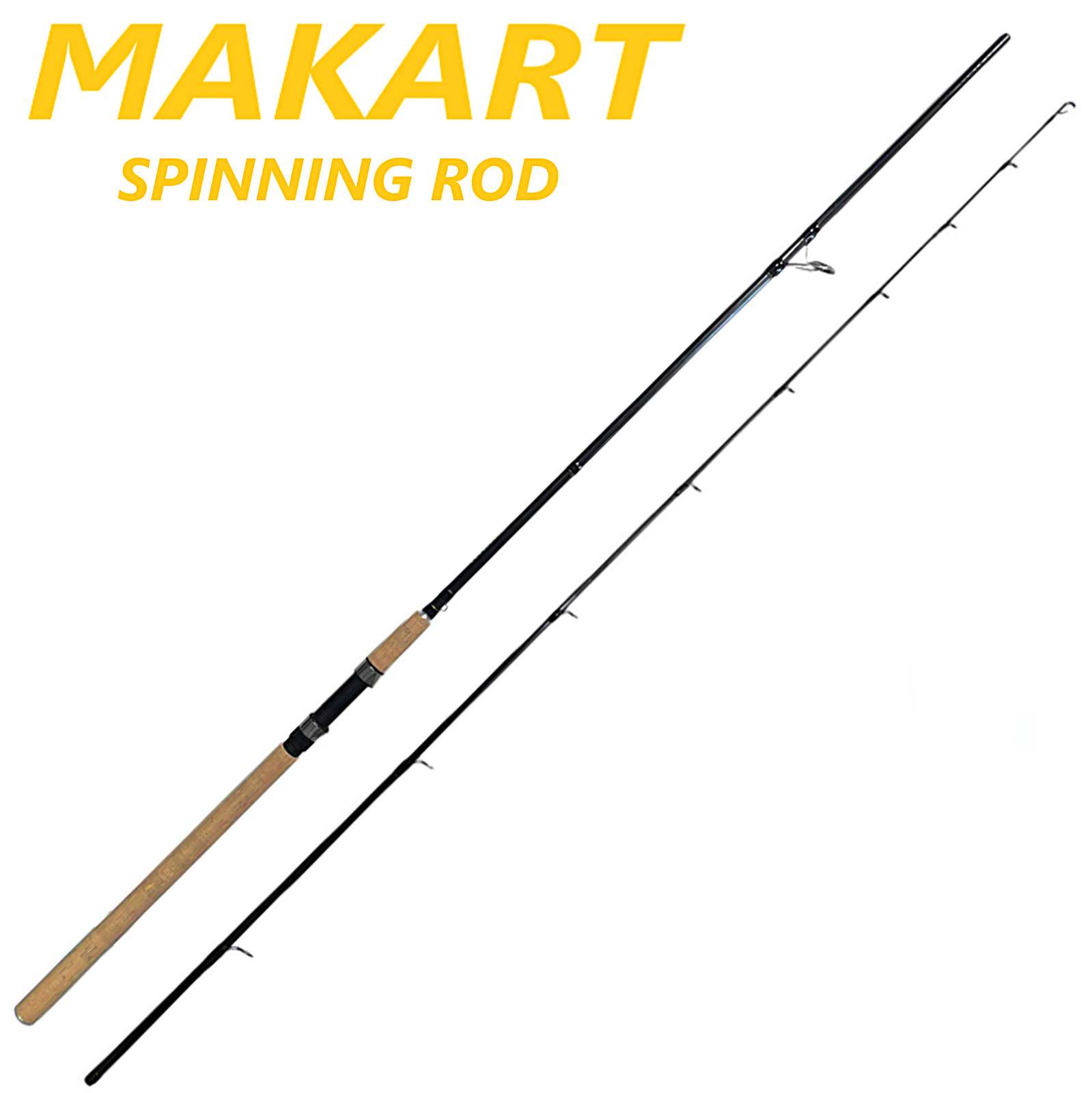

Photos from current listings. Actual item, color, and included accessories may vary.
Spinning Rod And Reel Buying Guide
A spinning rod and reel combo pairs an open-face reel with a rod built for cast-and-retrieve fishing, where the critical trade-off is rod blank material and guide quality against reel drag smoothness and gear durability. Durable combos use carbon-fiber or graphite blanks with stainless or ceramic guides and sealed drag washers, while compromises use fiberglass blanks, plastic reel bodies, and unsealed drags that corrode and bind. Choose a graphite combo with a machined-aluminum spool and at least three stainless guides for salt or frequent use; choose fiberglass only for infrequent freshwater trips on a tight budget.


At a glance
- Category
- Fishing Rods
- Data updated
- Nov 16, 2026
Current offers
Highlights
- Carbon-fiber/graphite blanks are lighter and more sensitive than fiberglass, transmitting lure vibration and setting hooks faster, while fiberglass flexes more for crankbaits and beginner forgiveness.
- Two-section rods break down to roughly half length for transport; telescopic rods collapse further but add ferrules that reduce sensitivity and can loosen over time.
- Reel drag stack material — oiled felt or carbon fiber washers — determines smoothness and heat resistance; unsealed felt drags bind and corrode in saltwater.
- Guide rings in stainless steel with ceramic inserts (aluminum oxide or SiC) resist line wear and braid grooving; plain chrome or plastic rings groove quickly and fray line.
Best use cases
- Freshwater bass, panfish, and trout: pick a 6.5–7 ft medium-power graphite rod with a 2500-size reel spooled with 8–10 lb mono or 15 lb braid; skip heavy-power 9 ft rods.
- Surf and pier saltwater: choose a 9–10 ft medium-heavy or heavy graphite rod with a 4000–5000 reel, sealed drag, and stainless guides rated for 20–30 lb braid; skip lightweight 1000–2000 reels.
- Travel and backpacking: select a 4-piece or telescopic graphite rod with a 2000–3000 reel and a hard tube case; skip 2-piece rods over 7 ft that won't fit luggage.
- Kids and loaner setups: use a 5.5–6 ft fiberglass or composite rod with a simple rear-drag 2000 reel; skip high-modulus graphite and baitcasting-style braking systems.
Buying tips
- Match reel size to rod power: 1000–2500 for ultralight/medium light, 3000–4000 for medium/medium heavy, 5000+ for heavy surf; oversized reels unbalance light rods.
- Rod length and power rule: 6.5–7 ft medium covers most freshwater; 7–8 ft medium heavy for inshore; 9–10 ft heavy for surf and distance casting.
- Budget at least 30% of combo cost toward the reel: a smooth 3-bearing or 4-bearing reel with a sealed drag outperforms a rod upgrade for landing fish.
- Check line rating and lure weight printed on the blank: stay within the stated range; exceeding lure weight snaps tips, and underloading prevents proper casting load.
Specs
| Blank Material | Carbon fiber / graphite vs fiberglass |
|---|---|
| Rod Length & Power | 6.5–10 ft; UL to Heavy |
| Reel Size | 1000–5000 spinning |
| Rod Sections | 1 / 2-piece / telescopic |
Related searches
What to check before buying
- Measure transport length: 2-piece rods need roughly half their length plus 6 inches; confirm it fits your vehicle trunk or luggage diagonal.
- Confirm reel seat style and rod butt length fit your hand and intended grip; trigger-style seats suit palming, and long butts suit surf casting.
- Match line and drag to target species: saltwater needs sealed drag and corrosion-resistant guides; freshwater can use standard felt drag and aluminum oxide guides.
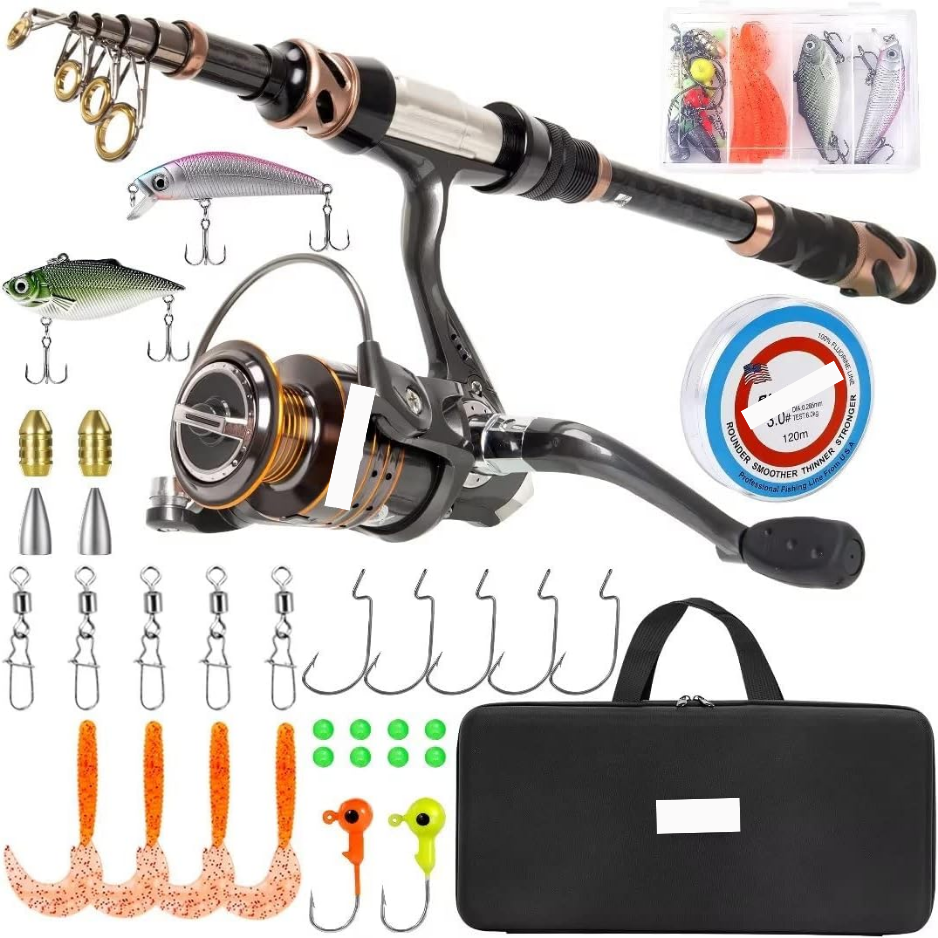
- Verify the combo includes the reel, line, and case; many combos ship rod and reel only, requiring separate line purchase and spooling.
FAQ
Data sources: eBay / Amazon listings and product attribute feeds Data updated Nov 16, 2026.
Some links on this page are affiliate links. If you buy after clicking one, we may earn a commission at no extra cost to you. This does not change which products appear here or their order. Affiliate disclosure.