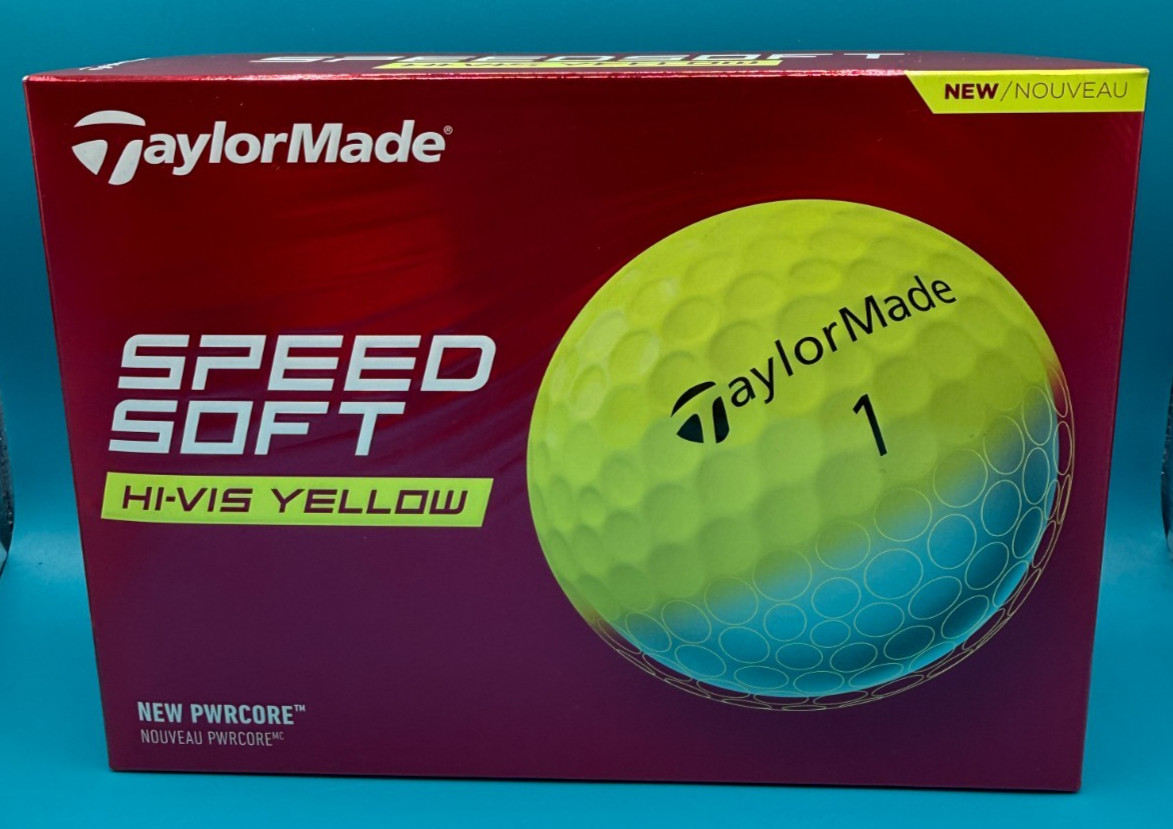

Photos from current listings. Actual item, color, and included accessories may vary.
Low Compression Golf Ball Buying Guide
Low-compression golf balls use a softer core (typically under 70 compression) to help slower swing speeds compress the ball at impact, promoting straighter flight and softer feel. The core trade-off is distance and greenside spin versus forgiveness and feel: softer cores launch higher and spin less off the driver but can feel mushy and check poorly on firm greens. The decision rule: match compression to your driver swing speed (under 85 mph = sub-60, 85-95 mph = 60-70), and choose urethane covers only if you need short-game spin.


At a glance
- Category
- Golf Balls
- Data updated
- Nov 16, 2026
Current offers
Highlights
- Compression rating: sub-60 for swing speeds under 85 mph; 60-70 for 85-95 mph; above 70 for 95+ mph.
- Core construction: single-piece soft cores maximize forgiveness; dual-core designs add ball speed without raising overall compression.
- Cover material: ionomer covers are durable and low-spin; urethane covers add greenside spin but scuff faster at low compression.
- Visibility options: matte yellow and high-visibility finishes improve tracking for slower swing speeds with higher launch.
Best use cases
- Best fit: beginners and seniors with driver swing speeds under 85 mph — pick a sub-60 compression ball in yellow for visibility and straighter flight.
- Best fit: mid-handicappers with 85-95 mph swing speed — choose a 60-70 compression dual-core ball with an ionomer cover for balanced distance and feel.
- Wrong fit: low-handicappers seeking maximum greenside spin — skip low-compression ionomer balls; use a urethane tour ball at 90+ compression.
- Wrong fit: high swing speeds (100+ mph) — low-compression cores over-compress and balloon; choose a mid-to-high compression ball instead.
Buying tips
- Measure driver swing speed first: under 85 mph buy sub-60 compression; 85-95 mph buy 60-70; above 95 mph avoid low-compression balls entirely.
- Prefer 3-piece construction over 2-piece if you want any greenside check; 2-piece low-compression balls roll out more and feel firmer on putts.
- Choose ionomer covers for durability and distance; pick urethane only if short-game spin matters and you accept faster wear.
- Buy in dozen packs for consistent balls; bulk packs mix models and compression ratings, which breaks feel and distance consistency.
Specs
| Compression | Sub-60 / 60-70 / 70+ |
|---|---|
| Construction | 2-piece vs 3-piece |
| Cover Material | Ionomer vs urethane |
| Swing Speed Fit | <85 / 85-95 / 95+ mph |
Related searches
What to check before buying
- Know your driver swing speed from a launch monitor or range session before selecting compression tier (sub-60 vs 60-70).
- Check ball construction: 2-piece for maximum forgiveness and distance, 3-piece for added short-game control.
- Confirm cover material: ionomer for durability and lower spin, urethane for greenside spin at the cost of scuffing.
- Verify color and visibility preference — matte yellow or high-visibility finishes aid tracking for slower swing speeds.
FAQ
Data sources: eBay / Amazon listings and product attribute feeds Data updated Nov 16, 2026.
Some links on this page are affiliate links. If you buy after clicking one, we may earn a commission at no extra cost to you. This does not change which products appear here or their order. Affiliate disclosure.