Photos from current listings. Actual item, color, and included accessories may vary.
Soft Golf Ball Buying Guide
Soft golf balls are low-compression designs (typically 30–70 compression) built to deform at impact for slower swing speeds, reducing spin and vibration while maximizing carry distance. The core trade-off is greenside spin and durability versus feel and forgiveness: softer covers and cores help slower swings but can scuff faster and check less on firm greens. The decision rule is simple: match ball compression to your driver swing speed and prioritise a urethane cover only if you need short-game spin; otherwise a soft ionomer two-piece is the durable, consistent choice.


At a glance
- Category
- Golf Balls
- Data updated
- Nov 16, 2026
Current offers
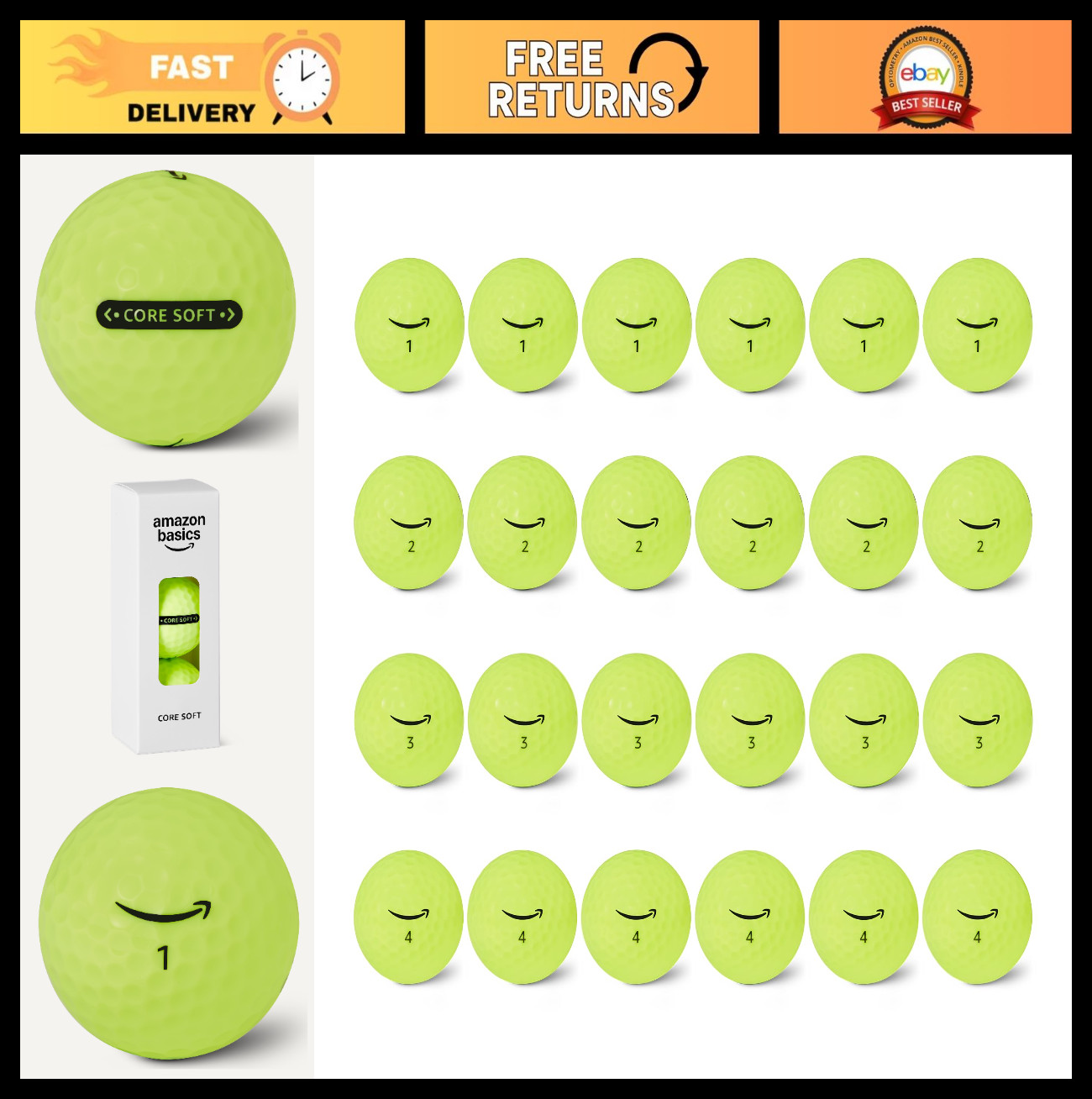 Soft Golf Balls for Beginners | High Performance, Durable, 12-Pack$41.64
 View on eBay
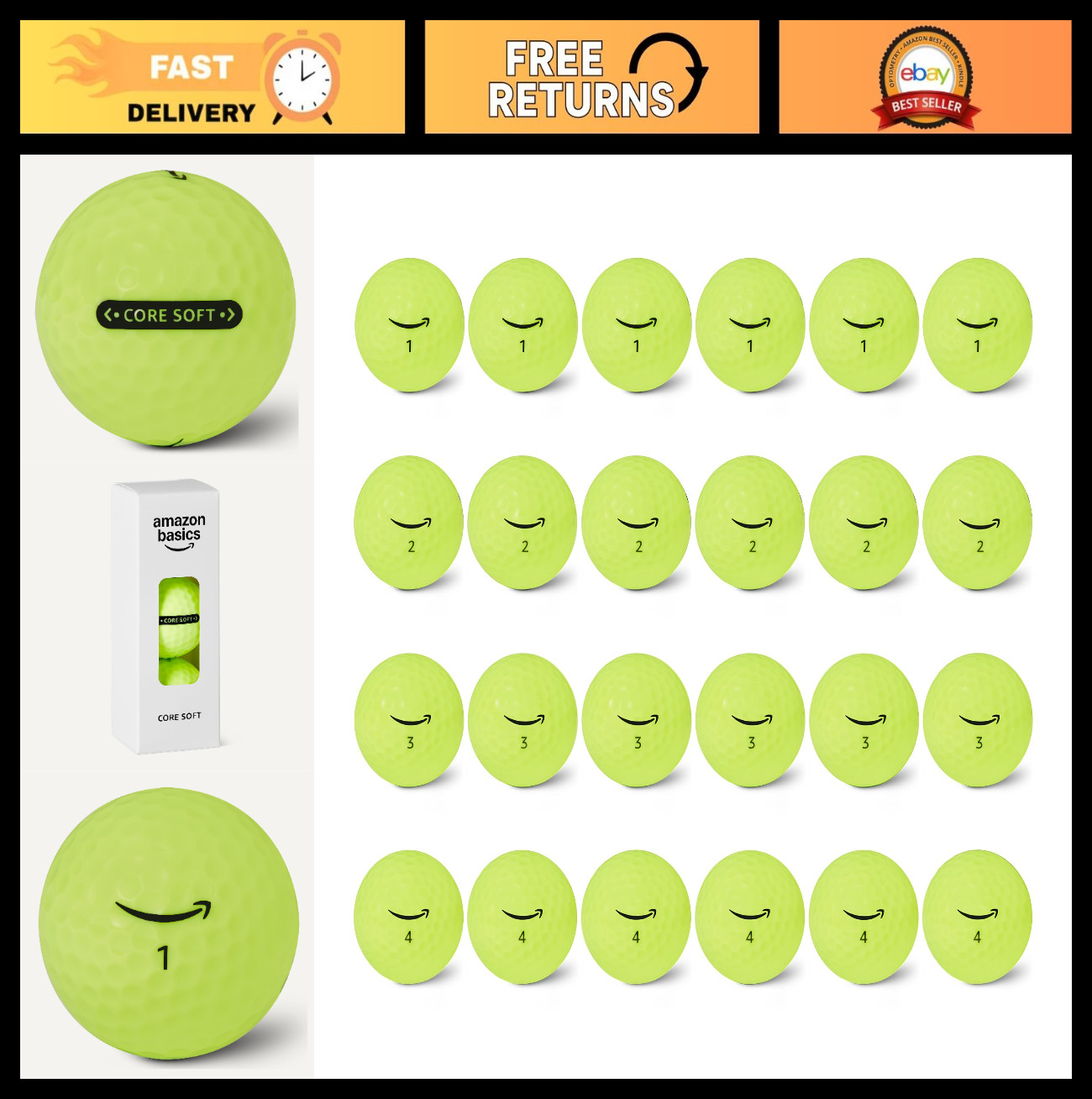 Soft Golf Balls for Beginners & Pros | Durable, High-Performance, 12-Pack$44.99View on eBay
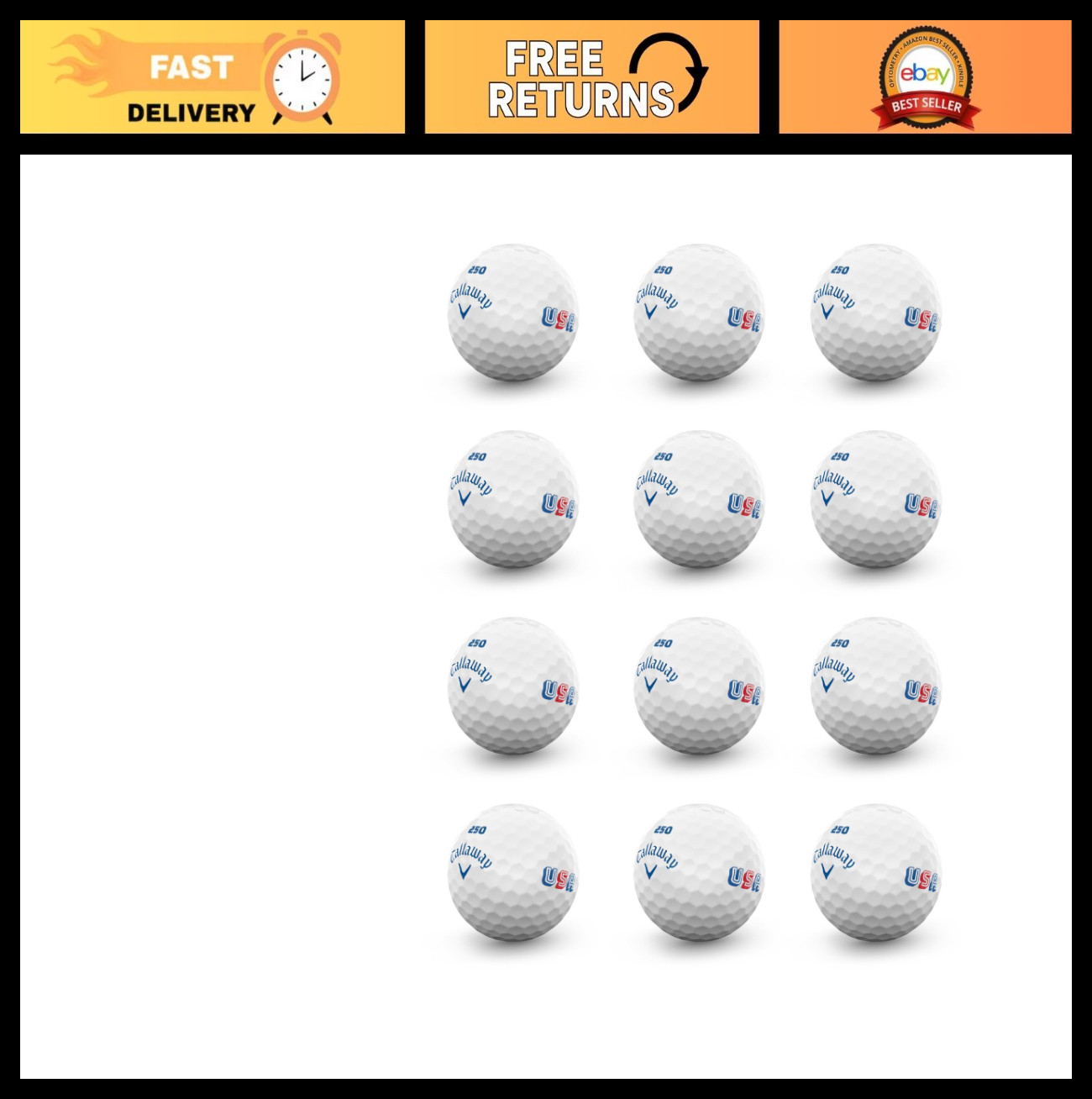 Soft Golf Balls - 250 Pack, Low Compression, Long Distance, Ideal for Beginners$55.99View on eBay
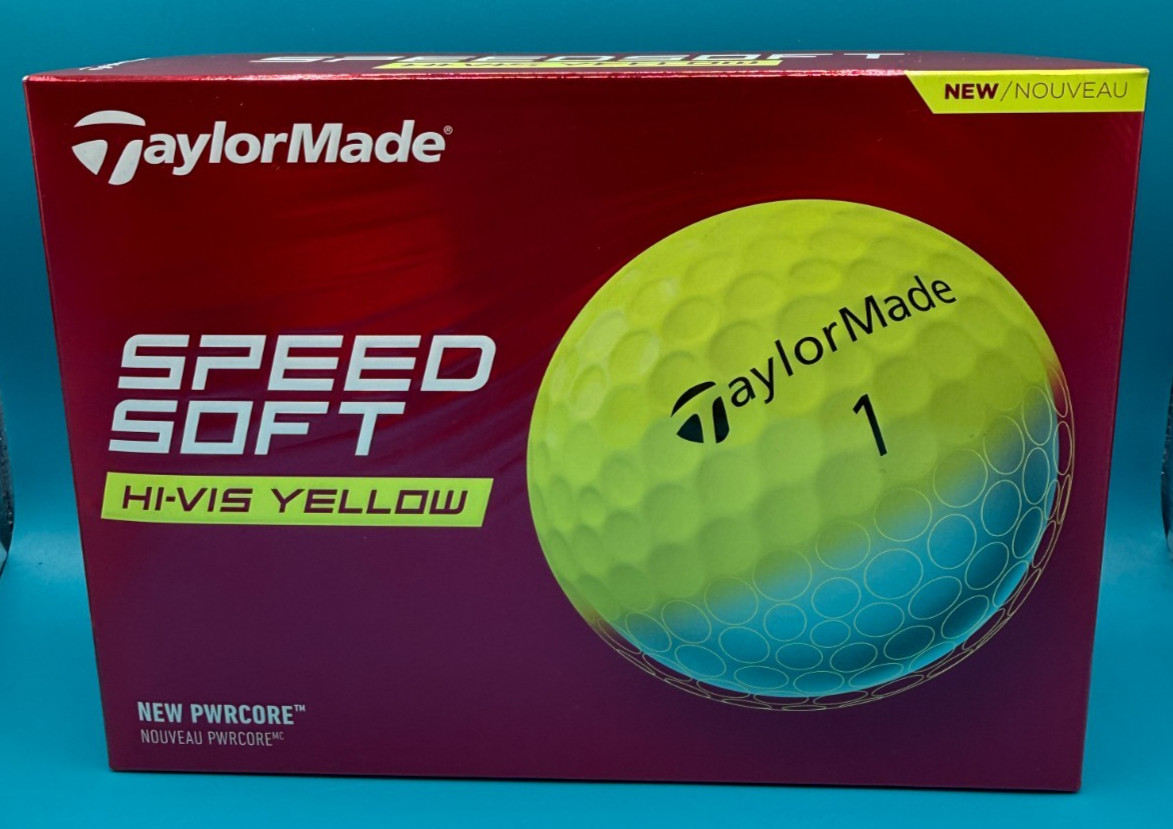 1 Dozen Yellow Low Compression Golf Balls Soft Feel High Visibility PWRCORE$22.95View on eBay
Highlights
- Compression rating is the primary performance lever: sub-40 balls suit swing speeds under 85 mph, 40–60 suits 85–100 mph, and 60+ soft models are for 100+ mph players wanting a softer feel.
- Cover material dictates spin and wear: cast or injection-moulded urethane gives maximum greenside check but scuffs on cart paths; ionomer/Surlyn covers are more durable and lower-spin.
- Construction tiers separate tiers cleanly: two-piece (solid core + ionomer) maximises distance and durability; three-piece (core + mantle + urethane) adds iron spin and short-game control.
- Low-compression balls launch higher and spin less off the driver, which counteracts the low launch of slower swings; high-compression soft balls need enough speed to compress the core or distance is lost.
Best use cases
- Pick a sub-40 compression two-piece ionomer ball if your driver swing speed is under 85 mph — it maximizes carry and feels soft without ballooning; skip urethane three-piece models that waste spin you cannot generate.
- Pick a 50–60 compression urethane three-piece if you swing 90–105 mph and want greenside check on firm, fast greens — accept faster cover wear and a higher cost per ball.
- Pick a 12-pack yellow low-compression ball for winter or early-season play in cold conditions, where low compression preserves feel and distance — skip high-compression tour balls that feel like rocks below 50°F.
- Pick bulk low-compression packs for practice, range-simulator work, or beginners losing balls — skip premium urethane models where scuffing and water hazards erode value.
Buying tips
- Match compression to swing speed: under 85 mph use 30–40, 85–100 mph use 40–60, and 100+ mph can use 60–70 soft models; mismatched compression loses distance and feel.
- For greenside control choose a urethane cover (cast or injection-moulded); for maximum durability and lowest spin choose ionomer — you cannot get both in one ball.
- Yellow and high-visibility matte finishes aid tracking in low light and rough; gloss white remains easiest to spot on fairways in full sun.
- Two-piece construction gives the most consistent distance and least sidespin; three-piece adds iron stopping power but amplifies hook/slice spin on off-centre hits.
Specs
| Compression | 30–70 (low/mid/high tiers) |
|---|---|
| Cover Material | Urethane vs Ionomer/Surlyn |
| Construction | 2-piece vs 3-piece |
| Pack Size | 12-pack / bulk practice packs |
Related searches
What to check before buying
- Know your driver swing speed (launch-monitor or app estimate) before choosing compression — this single number determines which tier fits.
- Check the ball's construction and cover material on the box: two-piece ionomer vs three-piece urethane changes spin, feel, and durability.
- Confirm the pack count matches your usage: 12-packs suit regular play, while bulk low-compression packs suit practice and beginners.
- Match ball colour and finish to course conditions and season — yellow/matte for low light and rough, white gloss for open fairways.
FAQ
Data sources: eBay / Amazon listings and product attribute feeds Data updated Nov 16, 2026.
Some links on this page are affiliate links. If you buy after clicking one, we may earn a commission at no extra cost to you. This does not change which products appear here or their order. Affiliate disclosure.