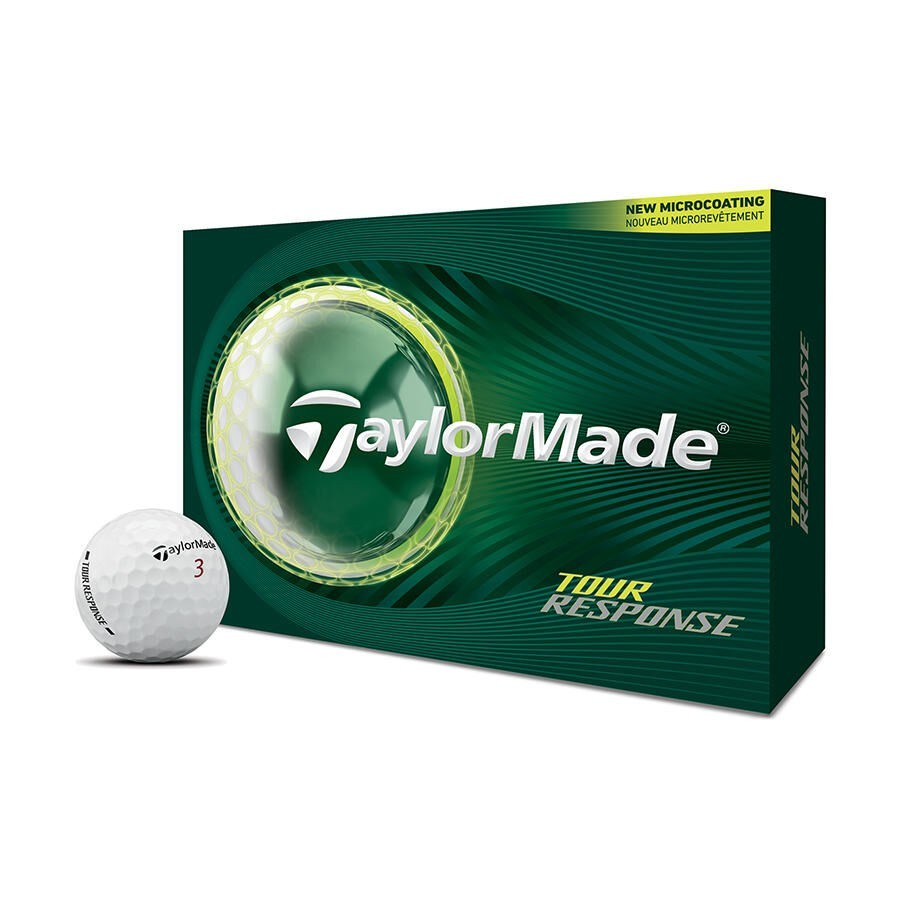

Photos from current listings. Actual item, color, and included accessories may vary.
Urethane Golf Ball Buying Guide
Urethane golf balls are premium multilayer balls with a cast or TPU urethane cover, delivering higher greenside spin and softer feel than ionomer-covered balls. The core trade-off is spin control and durability versus price: urethane covers scuff faster and cost more, but only urethane models give tour-level short-game check. Choose urethane if you consistently strike the ball and value wedge spin; stay with ionomer if you lose balls or play firm, low-spin courses.


At a glance
- Category
- Golf Balls
- Data updated
- Nov 16, 2026
Current offers
Highlights
- Cover material: cast urethane (softest, highest spin) vs TPU/thermoplastic urethane (more durable, slightly firmer) vs ionomer (no urethane, lower spin)
- Construction tiers: 3-piece (core + mantle + urethane cover) for balanced performance; 4- and 5-piece for higher-launch, lower-long-game-spin tour profiles
- Compression ranges: low 60s-70s for slow swings, 80s-90s for mid, 100+ for high swing speeds; urethane balls typically span 70-100 compression
- Cover durability: urethane scuffs and shears faster than ionomer, especially on cart paths and grooved wedges; cast urethane is softer but more prone to cutting than TPU
Best use cases
- Best fit: mid-to-low handicappers with consistent contact who want wedge spin and putting feel; pick a 3-piece urethane in the 80-90 compression range for balanced distance and control.
- Best fit: high-swing-speed players (driver 105+ mph) needing lower long-game spin; choose a 4- or 5-piece urethane tour ball with a firm core and soft cover.
- Wrong fit: beginners, high handicappers, or anyone losing more than a few balls per round; ionomer 2-piece balls cost less and fly straighter with less spin.
- Wrong fit: players on firm, dry, low-spin courses or in cold weather; urethane covers scuff faster and feel overly firm below 50°F, so a durable ionomer or soft TPU blend is more practical.
Buying tips
- Match compression to swing speed: under 85 mph choose 60-75 compression urethane; 85-100 mph choose 80-90; over 100 mph choose 90-100+ for optimal energy transfer.
- Prefer cast urethane for maximum greenside spin and soft feel; choose TPU urethane if you prioritize cover durability and play on abrasive sand-based fairways.
- Pick 3-piece urethane for the best balance of distance, spin, and cost; move to 4-5 pieces only if you need lower driver spin or a higher launch window.
- Check cover hardness and mantle design: a firm mantle under a soft urethane cover increases iron spin; a soft mantle reduces spin for straighter long irons.
Specs
| Cover Material | Cast urethane / TPU urethane / ionomer |
|---|---|
| Construction | 2-piece to 5-piece multilayer |
| Compression Range | 60-100+ (swing-speed matched) |
| Spin Profile | High greenside / low driver spin |
Related searches
What to check before buying
- Know your driver swing speed (launch monitor or range session) before choosing compression; wrong compression costs distance and feel.
- Measure typical wedge spin needs: if you play firm greens and need the ball to stop, urethane is essential; if greens are soft, ionomer may suffice.
- Confirm your home course turf and sand: abrasive conditions accelerate urethane cover wear, so budget for more frequent replacement.
- Verify ball construction matches your launch conditions: high launch/low spin balls suit steep attack angles; low launch/high spin suit shallow sweepers.
FAQ
Data sources: eBay / Amazon listings and product attribute feeds Data updated Nov 16, 2026.
Some links on this page are affiliate links. If you buy after clicking one, we may earn a commission at no extra cost to you. This does not change which products appear here or their order. Affiliate disclosure.