Photos from current listings. Actual item, color, and included accessories may vary.
Gym Mat Buying Guide
Gym mats protect floors and joints while anchoring equipment, and the core trade-off is thickness/density versus stability under heavy loads. EVA foam puzzle tiles at 1/2 inch or 0.56 inch are the standard for bodyweight and light-dumbbell work, while dense rubber at 0.75-0.79 inch is required under racks and dropped weights. Buy foam for comfort and coverage, rubber for load-bearing and abrasion resistance, and never mix the two tiers if barbell work is planned.


At a glance
- Category
- Gym Flooring & Storage
- Data updated
- Nov 16, 2026
Current offers
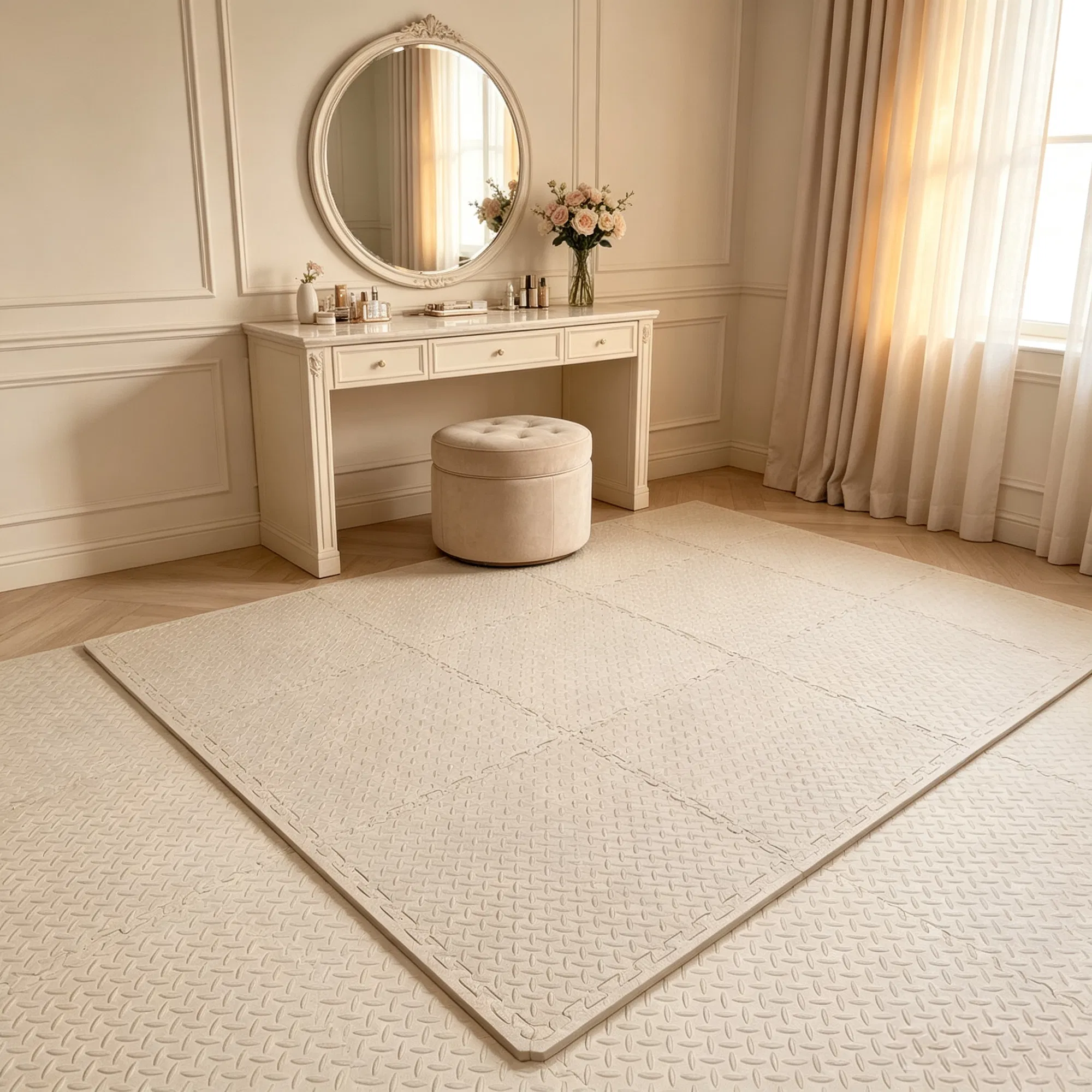 24Tiles 1/2" Puzzle Exercise Floor Mats Interlocking Home Gym Mat Fitness Equipment for Gym$142.99
 View on Mallflare
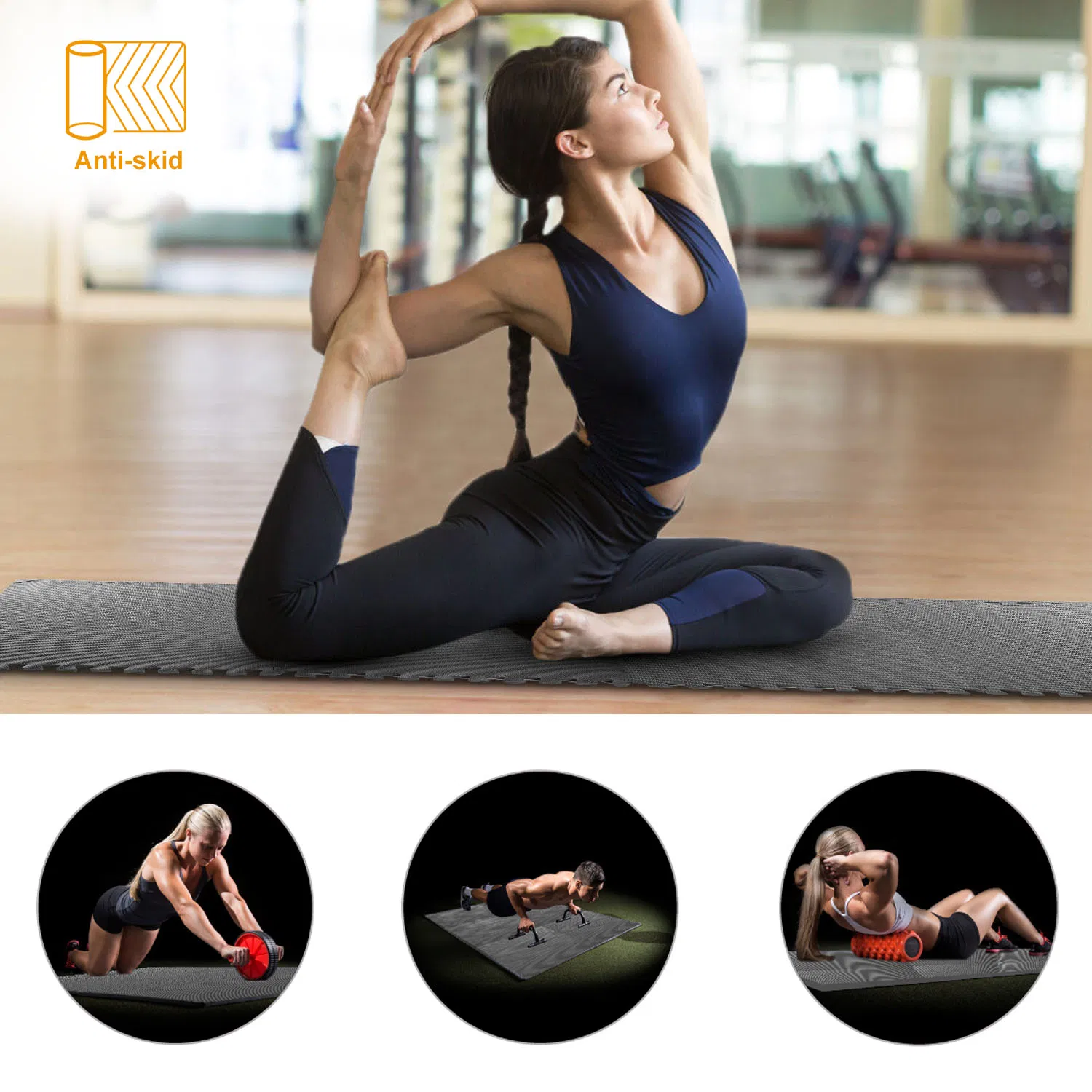 Puzzle Exercise Mat Foam Gym EVA Mat Interlocking Tiles Protective Flooring for Gym Equipment and Cushion for Workouts$52.99View on Mallflare
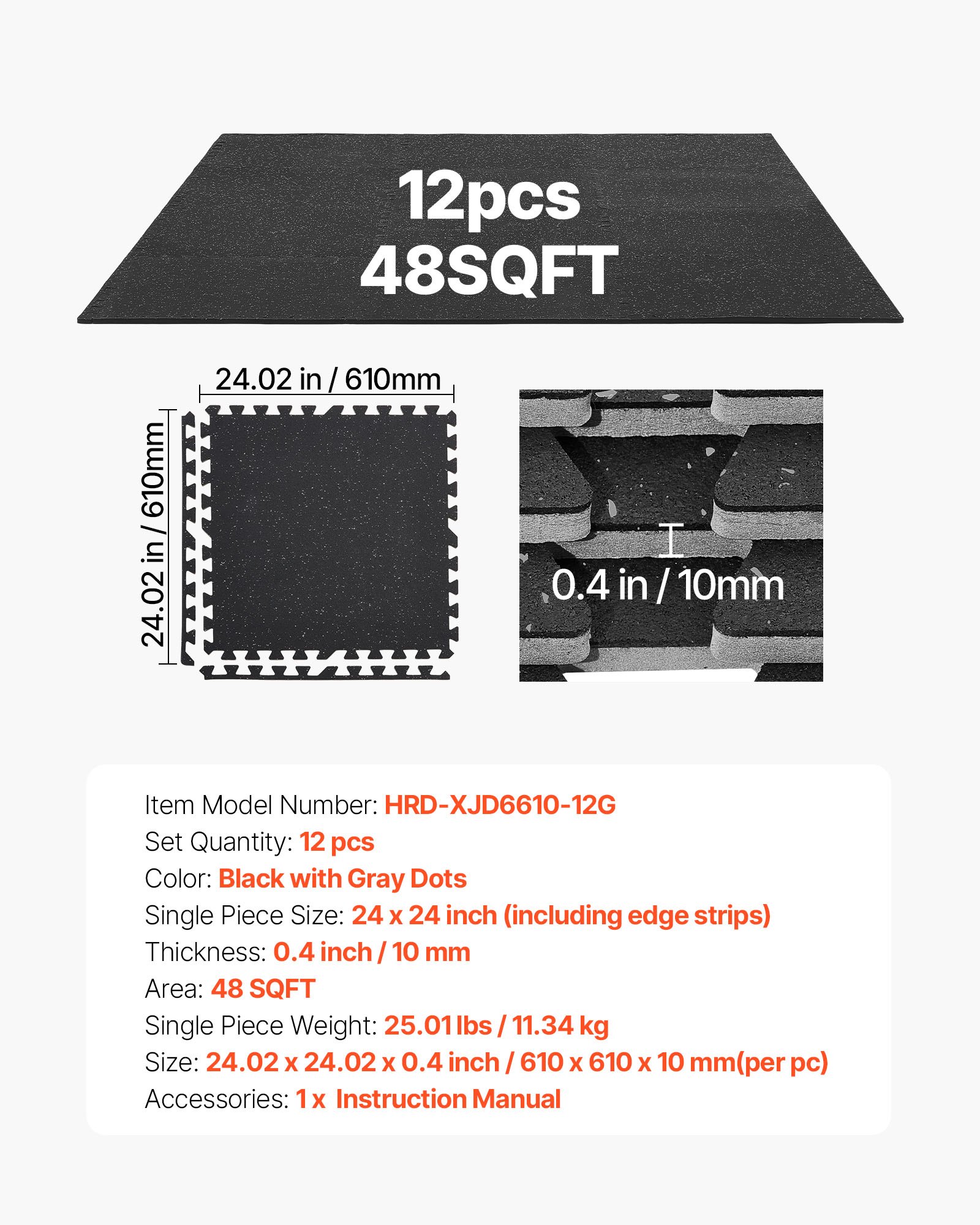 Puzzle Exercise Mat, 12 PCS Fitness Equipment Mats, 24 X 24 X 0.4 In, High-Density EVA Foam Set, Interlocking Rubber Soft Tiles, Protective Floor Padding With Gray Dots For Home Gym Office$89.99View on Mallflare
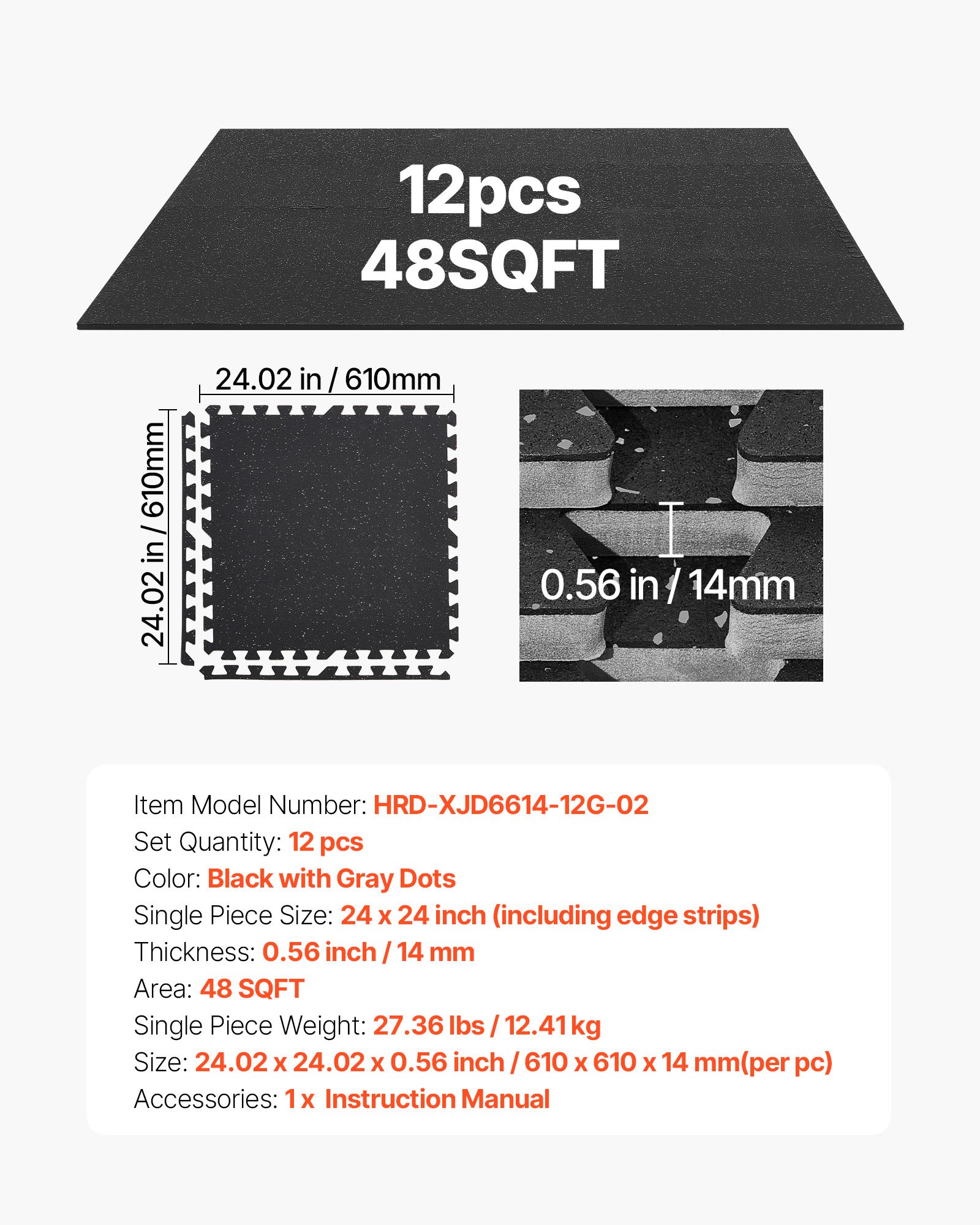 Puzzle Exercise Mat, 12 PCS Fitness Equipment Mats, 24 X 24 X 0.56 In, High-Density EVA Foam Set, Interlocking Rubber Soft Tiles, Protective Floor Padding With Gray Dots For Home Gym Office$97.99View on Mallflare
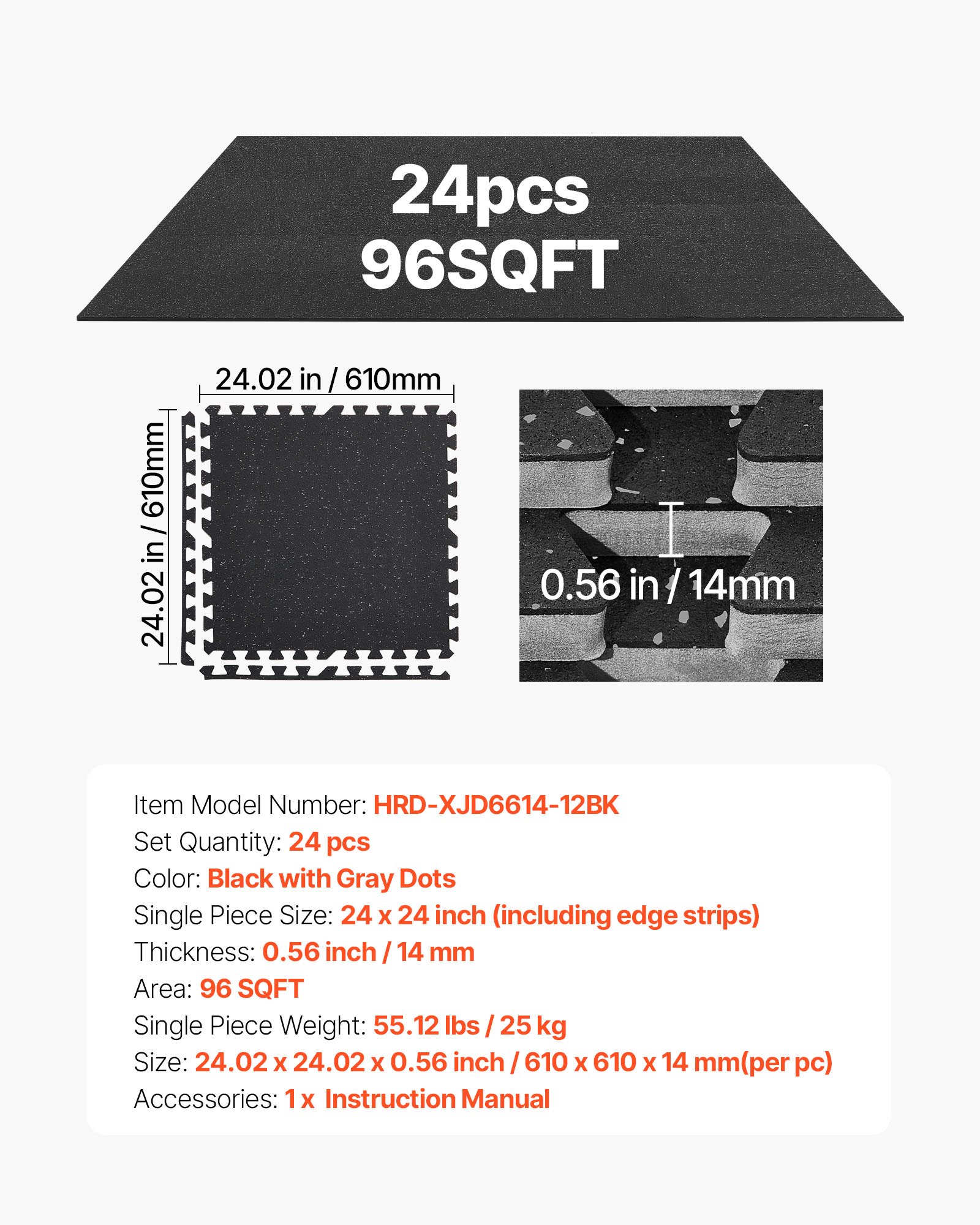 Puzzle Exercise Mat, 24 PCS Fitness Equipment Mats, 24 X 24 X 0.56 In, High-Density EVA Foam Set, Interlocking Rubber Soft Tiles, Protective Floor Padding With Gray Dots For Home Gym Office$178.99View on Mallflare
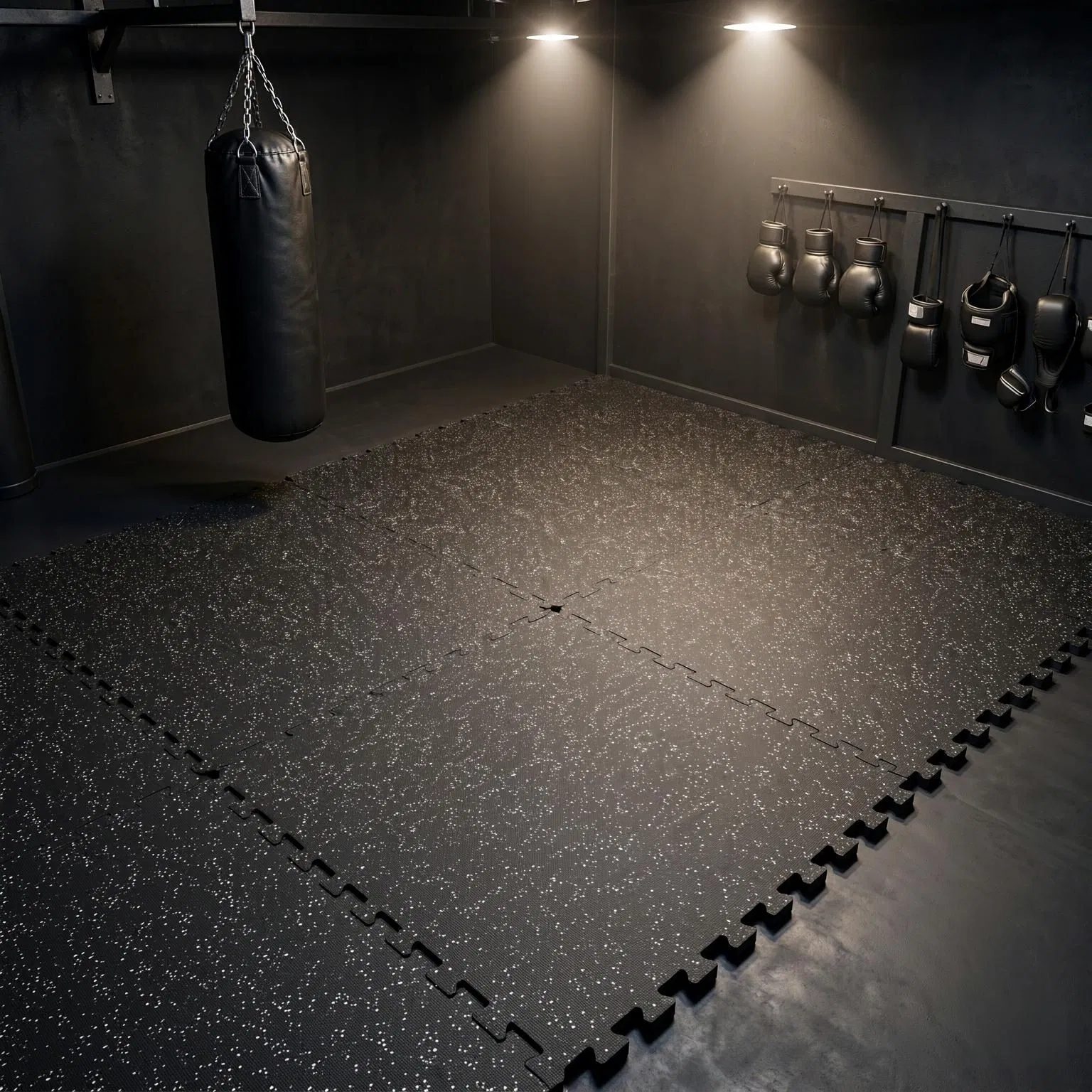 Set of 2 Thick Rubber Exercise Mats 0.79 Inch Each 48 Square Foot Total with Boarders for Home Gym Fitness$299.99View on Mallflare
Highlights
- EVA foam puzzle tiles are rated 0.4-0.56 inch thick; below 0.5 inch compresses permanently under dumbbells over 40 lb.
- Rubber gym mats at 0.75-0.79 inch and 48 sq ft per pair absorb dropped-weight impact; foam tiles tear at seams under the same load.
- Interlocking 24x24 inch tiles cover 4 sq ft each; 12 tiles equal 48 sq ft, 24 tiles equal 96 sq ft of coverage.
- High-density EVA (typically 100-120 kg/m³) resists compression; low-density tiles bottom out and leave dents under equipment feet.
Best use cases
- Bodyweight, yoga, stretching, and light dumbbells under 30 lb: choose 0.5-0.56 inch EVA interlocking tiles for cushioned coverage and easy layout.
- Power racks, barbell lifts, and dropped weights: choose 0.75-0.79 inch dense rubber mats; foam will crush and fail at tile seams.
- Cardio machines and benches in a garage or basement: use rubber mats over concrete for vibration damping and floor protection, not foam tiles.
- Skip foam tiles entirely for Olympic lifting or heavy deadlifts; the 0.4 inch options are strictly for floor protection under light equipment.
Buying tips
- Calculate coverage first: multiply room length by width in feet, then divide by 4 to get the tile count at 24x24 inch sizing.
- For loads above 40 lb per equipment foot, specify 0.75 inch or thicker rubber; 0.5 inch EVA is only for bodyweight and light accessory work.
- Choose tiles with edge borders included so the perimeter finishes flush; borderless sets leave exposed interlocking tabs that lift and trip.
- For a rack footprint, size rubber mats to extend at least 12 inches beyond the rack base on all sides to catch dropped bars.
Specs
| Material Grade | High-density EVA foam vs dense rubber |
|---|---|
| Thickness Tier | 0.4-0.56 in foam / 0.75-0.79 in rubber |
| Tile Coverage | 24x24 in = 4 sq ft per tile |
| Edge Finish | Interlocking tabs plus border strips |
Related searches
What to check before buying
- Measure the exact floor area in square feet and confirm tile count: 12 tiles cover 48 sq ft, 24 tiles cover 96 sq ft.
- Check floor type and subfloor: rubber mats are required over concrete; foam tiles can be used on carpet but will shift without a solid base.
- Confirm ceiling height clears your rack plus mat thickness; 0.79 inch rubber plus a 90 inch rack needs over 91 inches of clearance.
- Verify the mat edge height against door swing and any existing flooring transition; 0.56 inch foam creates a visible lip at thresholds.
FAQ
Data sources: eBay / Amazon listings and product attribute feeds Data updated Nov 16, 2026.
Some links on this page are affiliate links. If you buy after clicking one, we may earn a commission at no extra cost to you. This does not change which products appear here or their order. Affiliate disclosure.