Photos from current listings. Actual item, color, and included accessories may vary.
Equestrian Helmet Buying Guide
An equestrian helmet is protective headgear certified to ASTM/SEI F1163 or VG1 standards, and the core trade-off is between certified rotational-impact protection (MIPS or similar) and traditional fixed-shell construction. Buyers should prioritize safety certification and correct fit over brand prestige; any helmet lacking a current ASTM/SEI or VG1 label is a compromise not worth considering.


At a glance
- Category
- Riding Helmets, Boots & Apparel
- Data updated
- Nov 18, 2026
Current offers
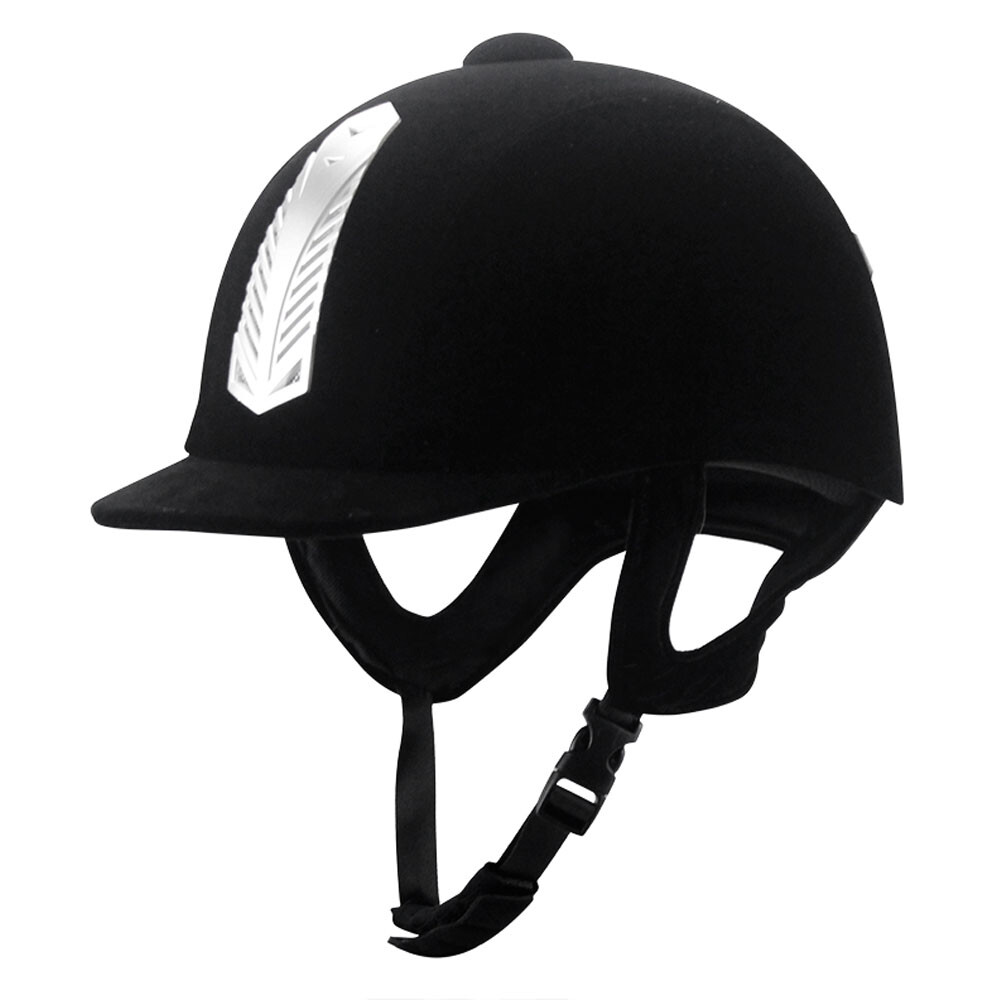 Equestrian Helmet Velvet Horse Riding Hat Sport Helmets for Men Women Children$32.80
 View on eBay
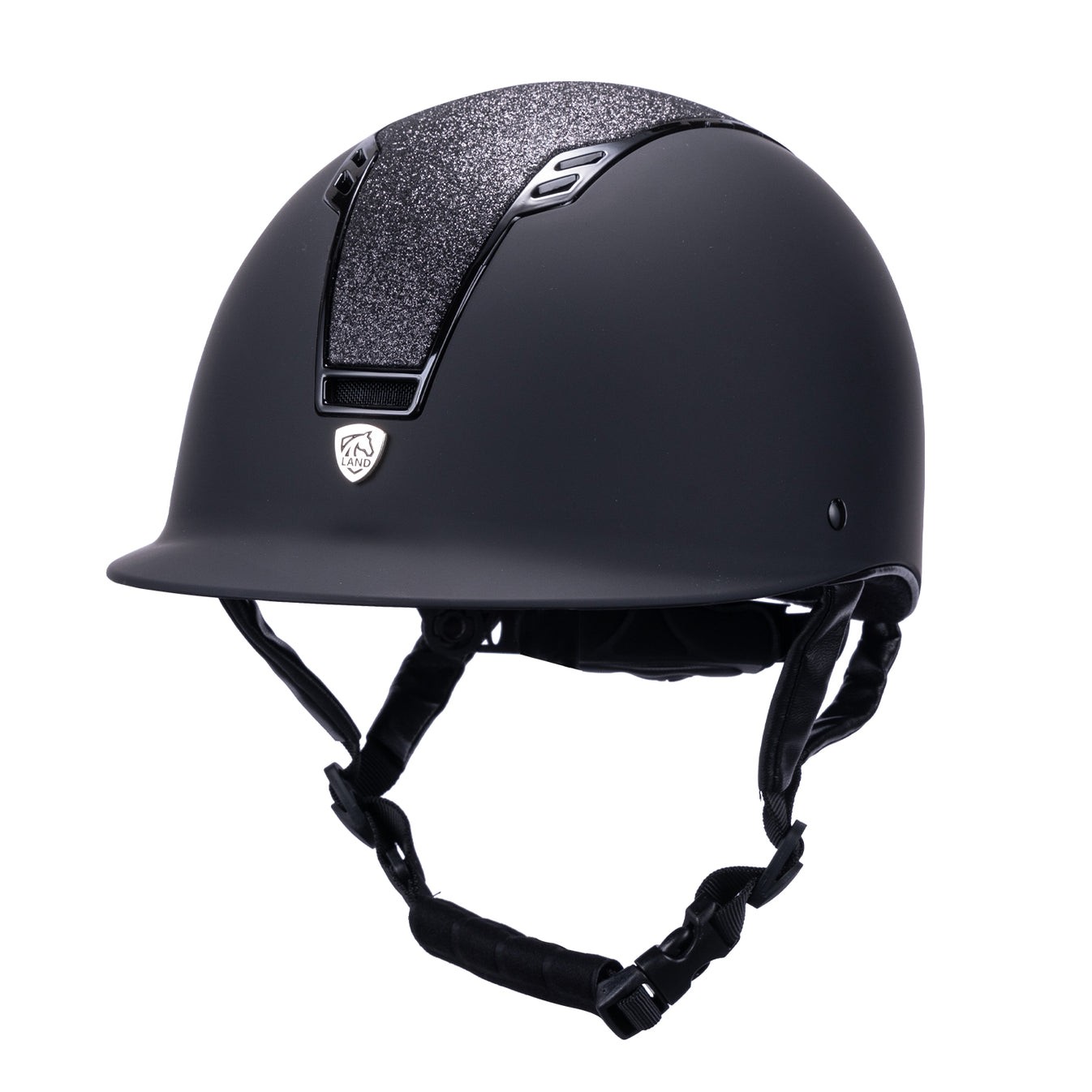 Land Helmets Stella Equestrian Helmet - ASTM/SEI F1163-23 - Horse Riding Helmet$129.99View on eBay
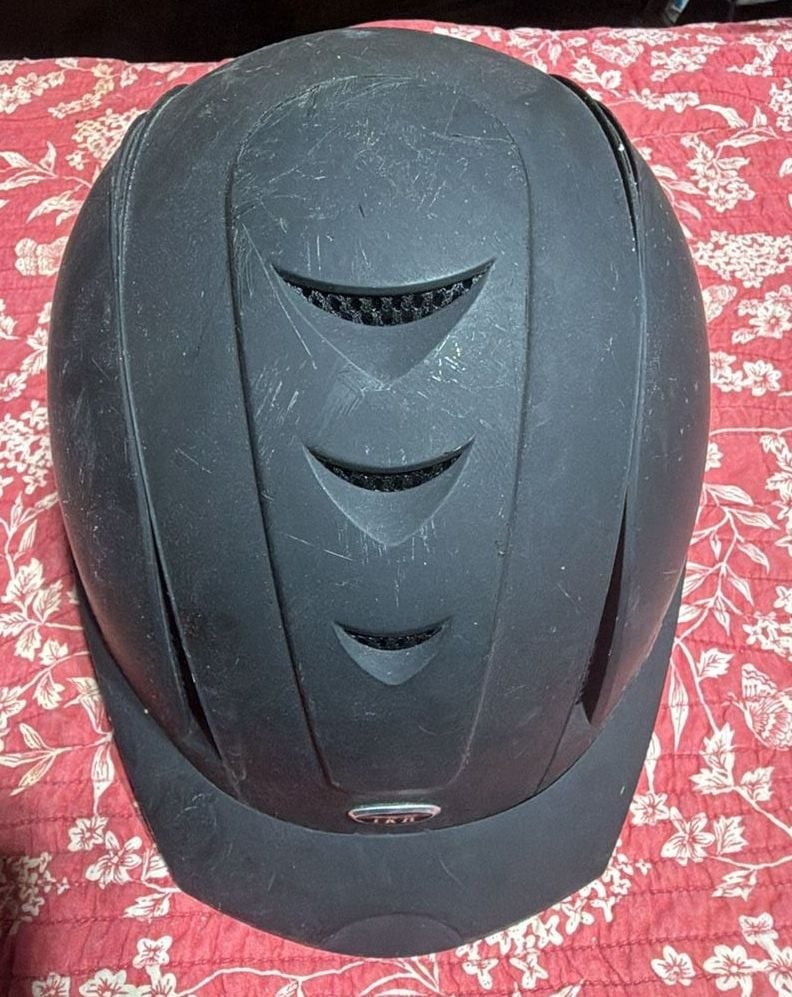 IRH Equi-Pro Matte Black Equestrian Riding Helmet (Small/Medium)$20.00View on eBay
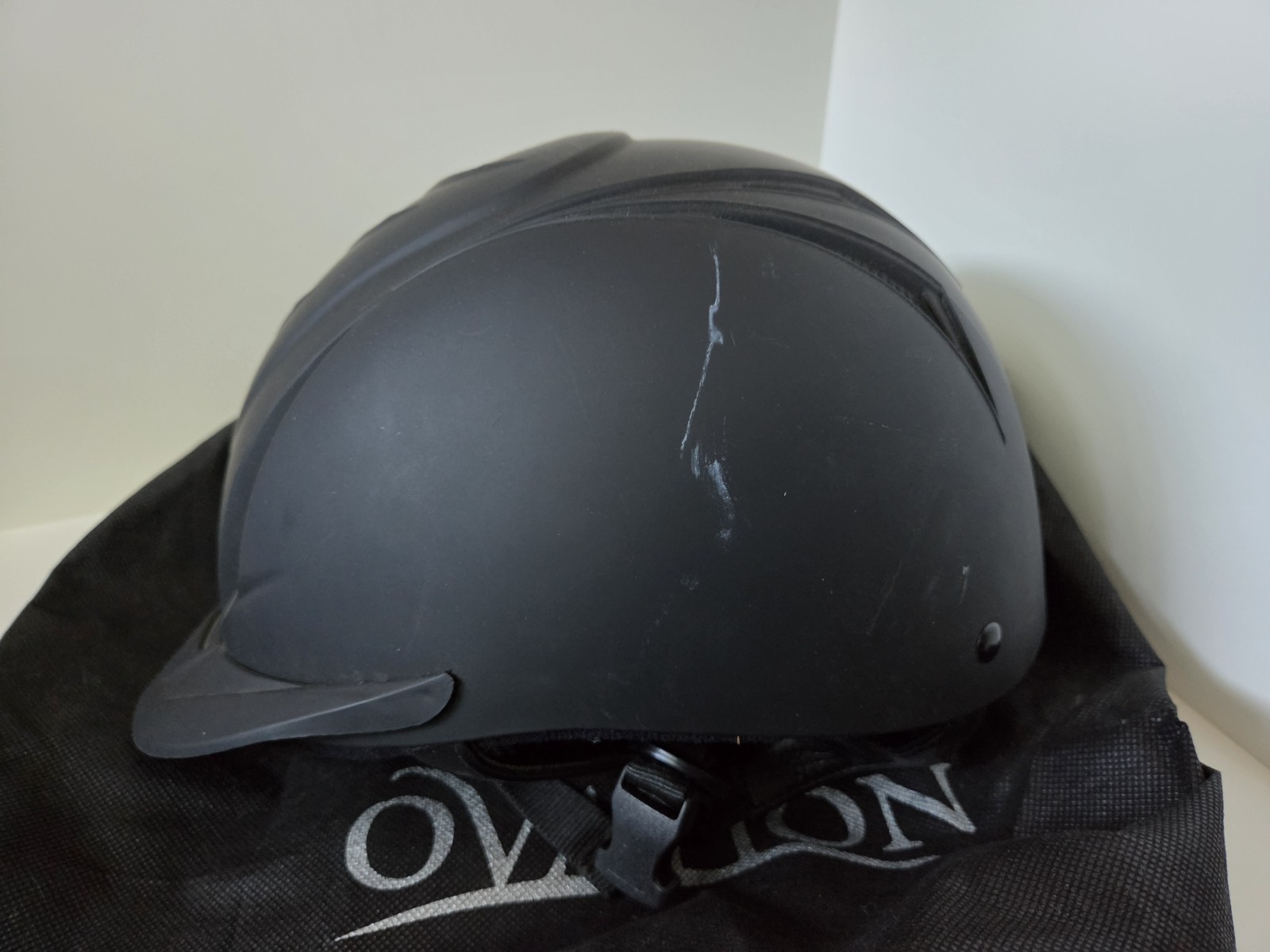 Ovation OV Deluxe Schooler Riding Helmet Equestrian Black S/M 52-56$20.99View on eBay
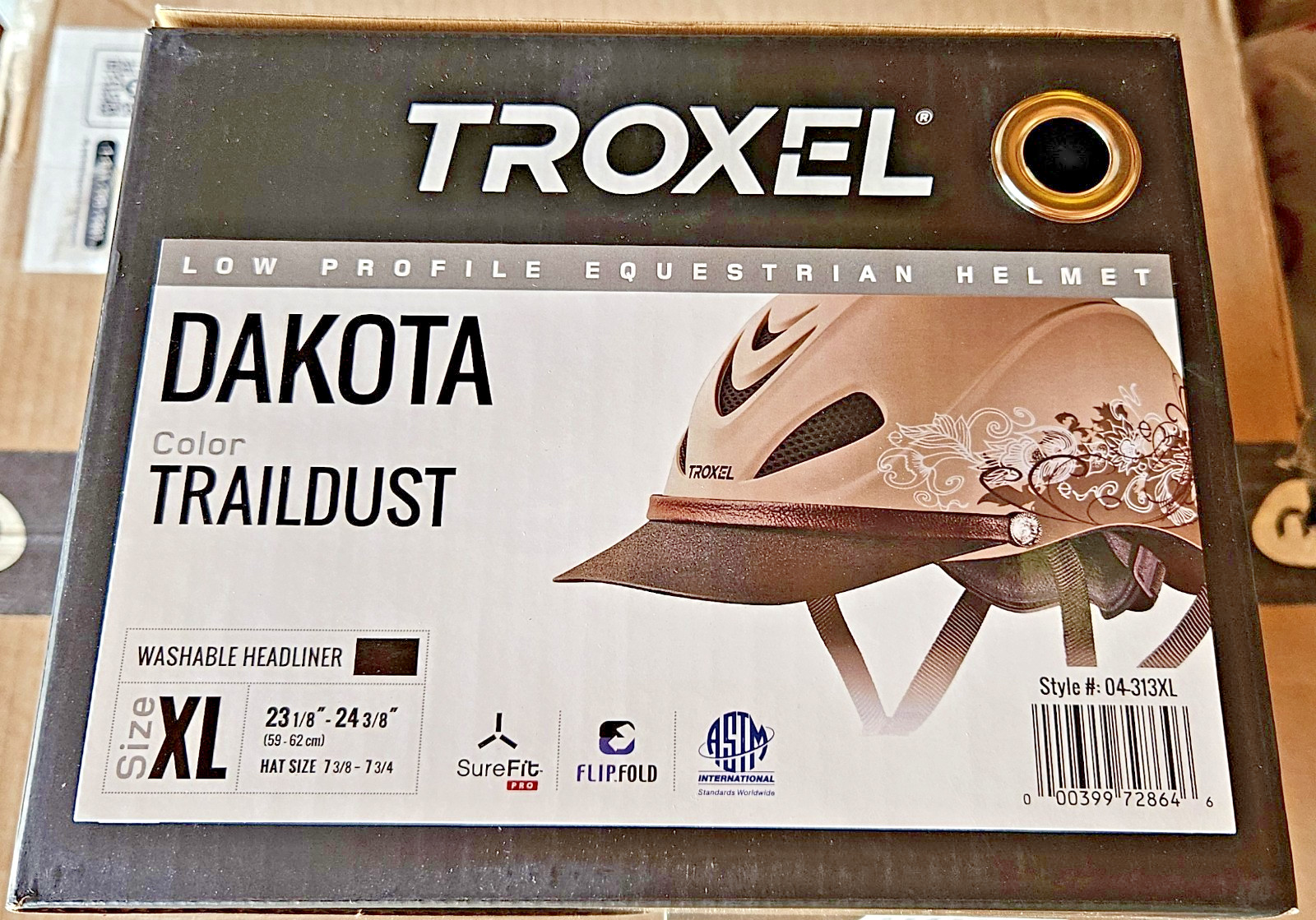 Troxel Dakota Traildust Low-Profile Equestrian Riding Helmet XL NIB w/ Tags!$65.00View on eBay
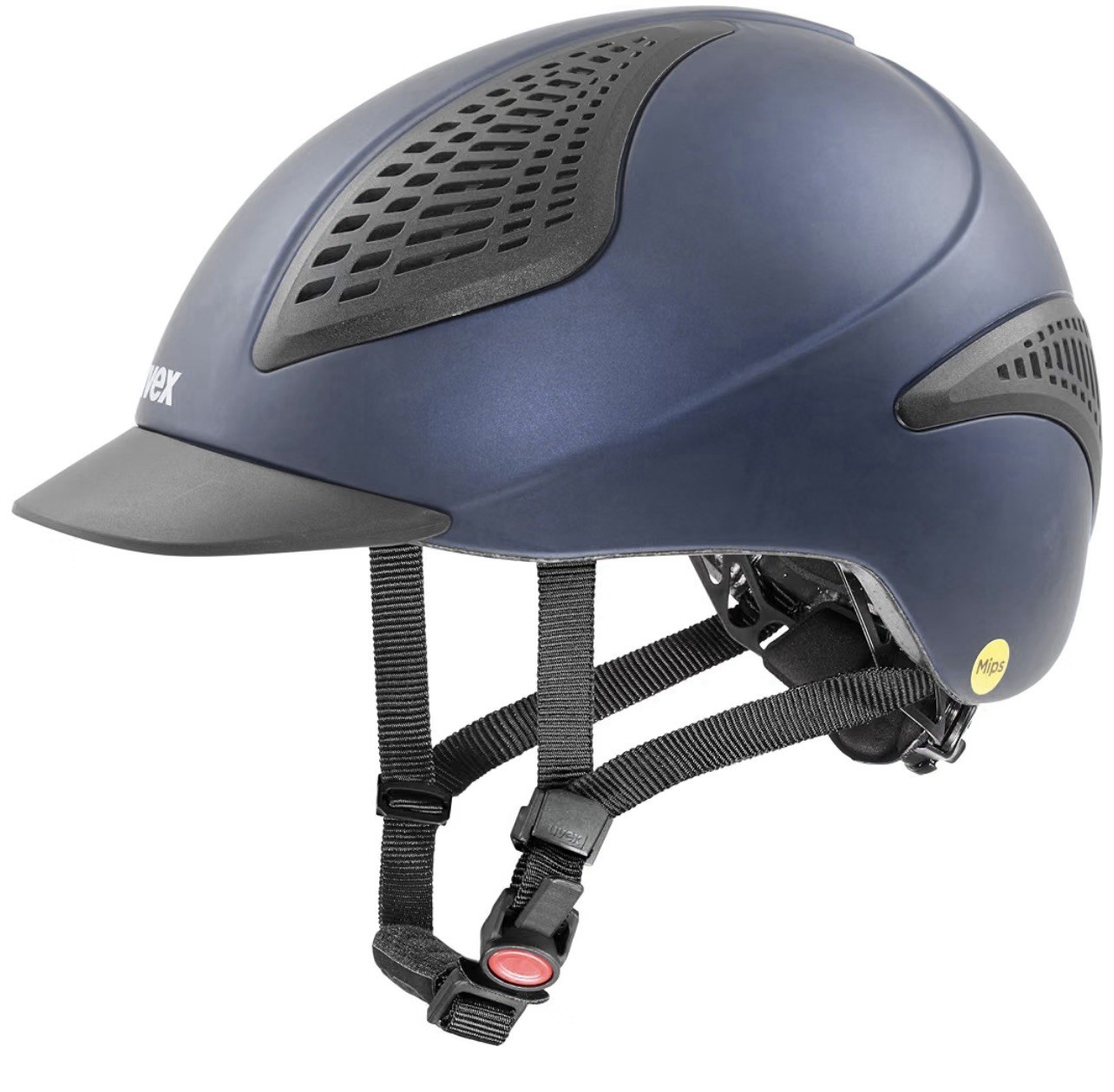 Exxential II MIPS Horse Riding Helmet for Women & Men L-XL -Equestrian$89.99View on eBay
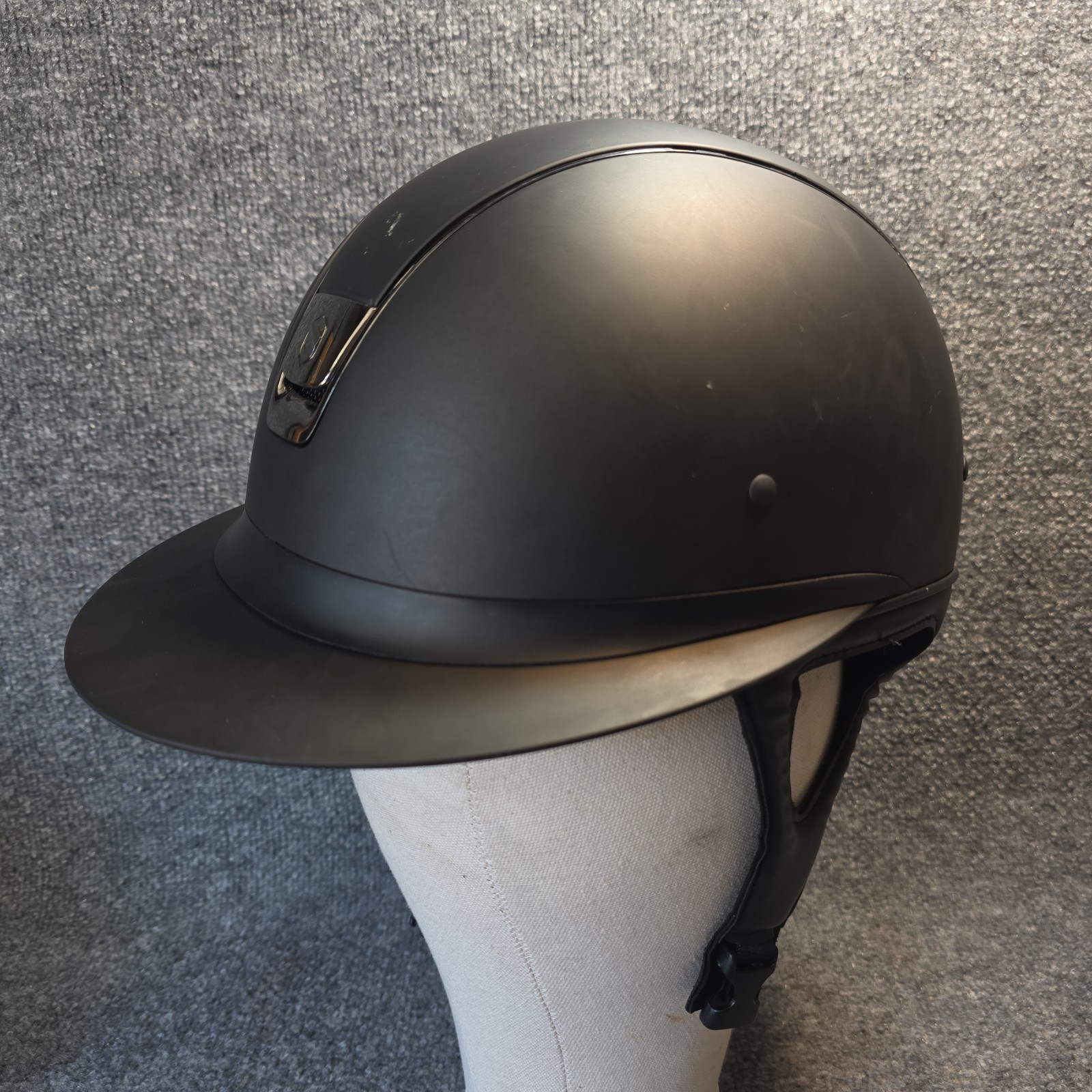 Samshield Miss Shield Shadowmatt Equestrian Riding Helmet 6 7/8- 7 1/8 READ$119.99View on eBay
Highlights
- ASTM/SEI F1163-23 is the current US certification; older F1163-04 or unlabeled helmets should be avoided entirely.
- MIPS (Multi-Directional Impact Protection System) adds low-friction slip-plane protection against rotational forces; non-MIPS shells rely on foam crush alone.
- Shell materials range from injection-molded ABS (schooler tier) to carbon fiber and fiberglass (premium); weight drops from roughly 600g to 400g across that range.
- Dial-fit systems (Troxel, IRH) vs fixed-pad liners (Samshield, Kask) determine adjustability; dial systems suit shared or growing riders, fixed pads suit precise custom fit.
Best use cases
- Best for weekly lesson programs and shared barn helmets: Ovation Deluxe Schooler or IRH Equi-Pro with dial fit and ASTM/SEI certification at a schooler price tier.
- Best for competitive English hunt-seat and dressage: Samshield Miss Shield or Kask Star Dogma with fixed-pad fit, velvet or matte finish, and harness styling.
- Best for trail and western riders: Troxel Dakota low-profile with extended rear coverage and venting; skip velvet show helmets that lack trail ventilation.
- Wrong fit: buying a MIPS helmet one size up to accommodate hair or a bun—rotational protection only works with a snug, level fit; size up in shell, not in padding.
Buying tips
- Measure head circumference at the widest point above the brow; match to cm sizing (52-56cm covers XS/S, 57-59cm M, 60-62cm L/XL).
- Helmet sizes map to hat sizes: 56cm equals 6 7/8, 57cm equals 7, 59cm equals 7 3/8; convert before ordering online.
- Replace any helmet after a fall or every 5 years; EPS foam degrades and does not recover—never buy used helmets with unknown crash history.
- Choose MIPS or equivalent rotational protection for jumping and eventing; fixed-shell schooler helmets are acceptable only for walk-trot flatwork.
Specs
| Safety Certification | ASTM/SEI F1163-23 or VG1 |
|---|---|
| Rotational Protection | MIPS vs standard EPS foam |
| Fit System | Dial-adjust vs fixed-pad liner |
| Shell Material | ABS plastic / fiberglass / carbon fiber |
Related searches
What to check before buying
- Measure head circumference in cm and confirm the size chart covers that exact range, not just the nearest label.
- Verify a current ASTM/SEI F1163 or VG1 sticker inside the helmet; EU buyers should confirm VG1 plus CE marking.
- Check harness configuration: three-point or four-point with quick-release buckle; ensure chin strap adjusts below the jaw.
- Confirm helmet shape suits your head—round vs oval—since fixed-pad brands like Samshield run narrow; dial-fit brands accommodate both.
FAQ
Data sources: eBay / Amazon listings and product attribute feeds Data updated Nov 18, 2026.
Some links on this page are affiliate links. If you buy after clicking one, we may earn a commission at no extra cost to you. This does not change which products appear here or their order. Affiliate disclosure.