Photos from current listings. Actual item, color, and included accessories may vary.
Equestrian Riding Helmet Buying Guide
Equestrian riding helmets are certified protective headgear defined by ASTM/SEI F1163 or VG1 standards, with the core trade-off between vented low-profile shells and traditional fixed-peak designs. Durability and safety hinge on certification, MIPS or deformation-layer technology, and a correct 52–62cm fit. Buyers should treat certified helmets with dial or harness adjustment as protective equipment, and skip decorative velvet hats lacking recognized safety labels.


At a glance
- Category
- Riding Helmets, Boots & Apparel
- Data updated
- Nov 18, 2026
Current offers
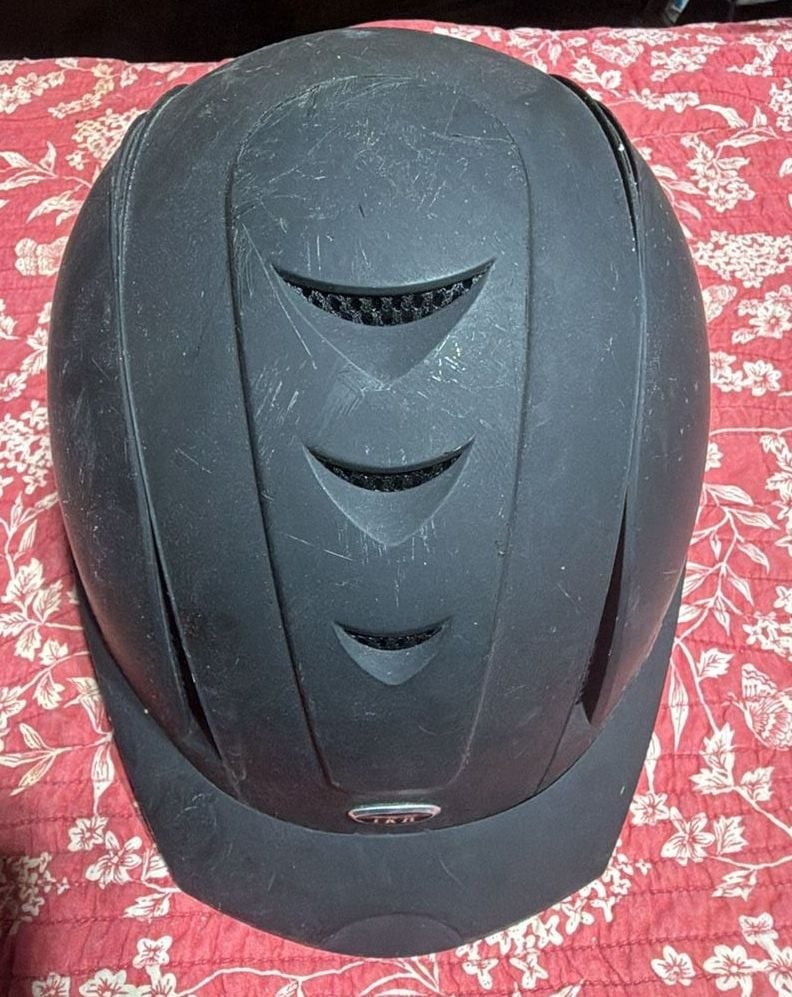 IRH Equi-Pro Matte Black Equestrian Riding Helmet (Small/Medium)$20.00
 View on eBay
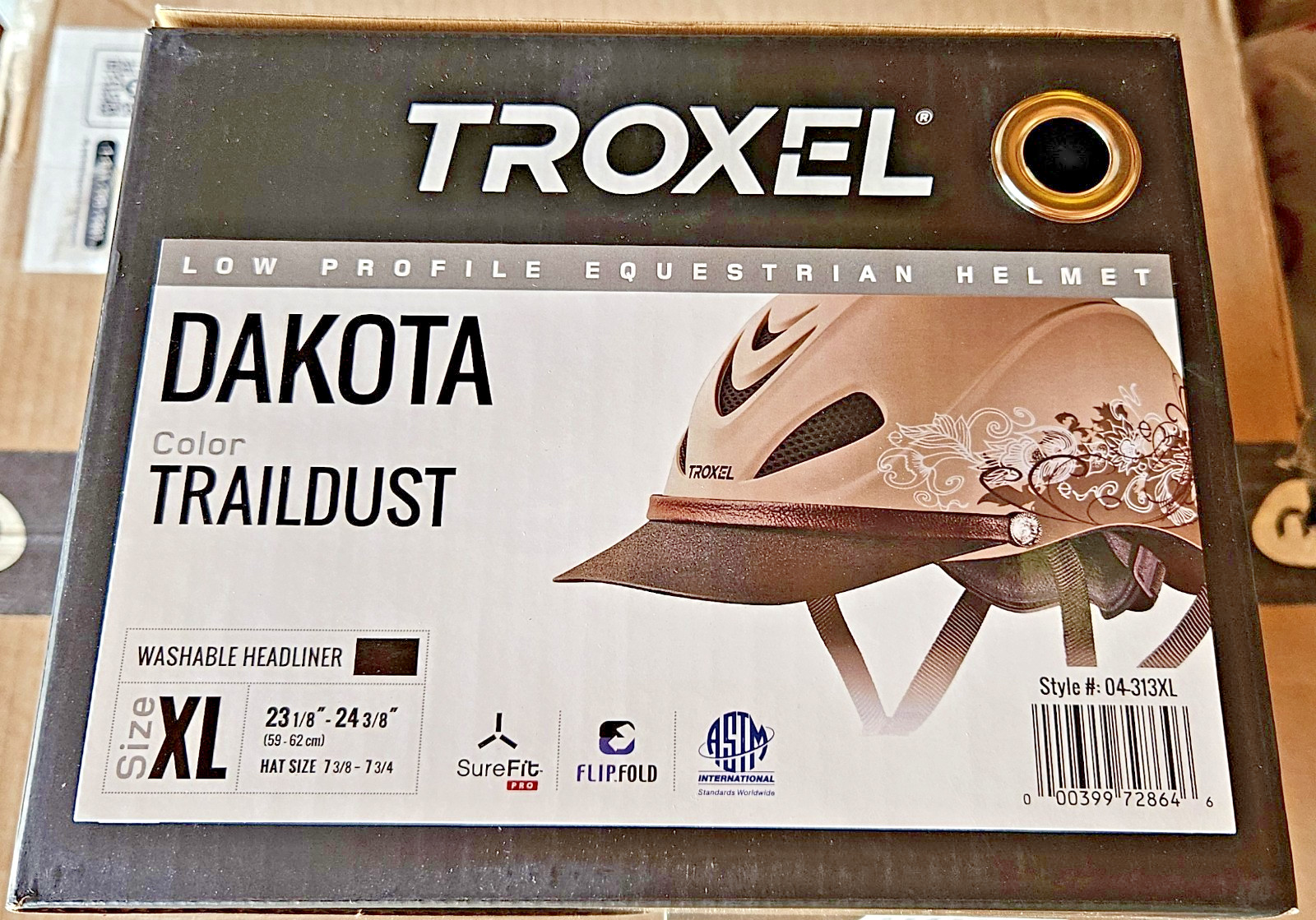 Troxel Dakota Traildust Low-Profile Equestrian Riding Helmet XL NIB w/ Tags!$65.00View on eBay
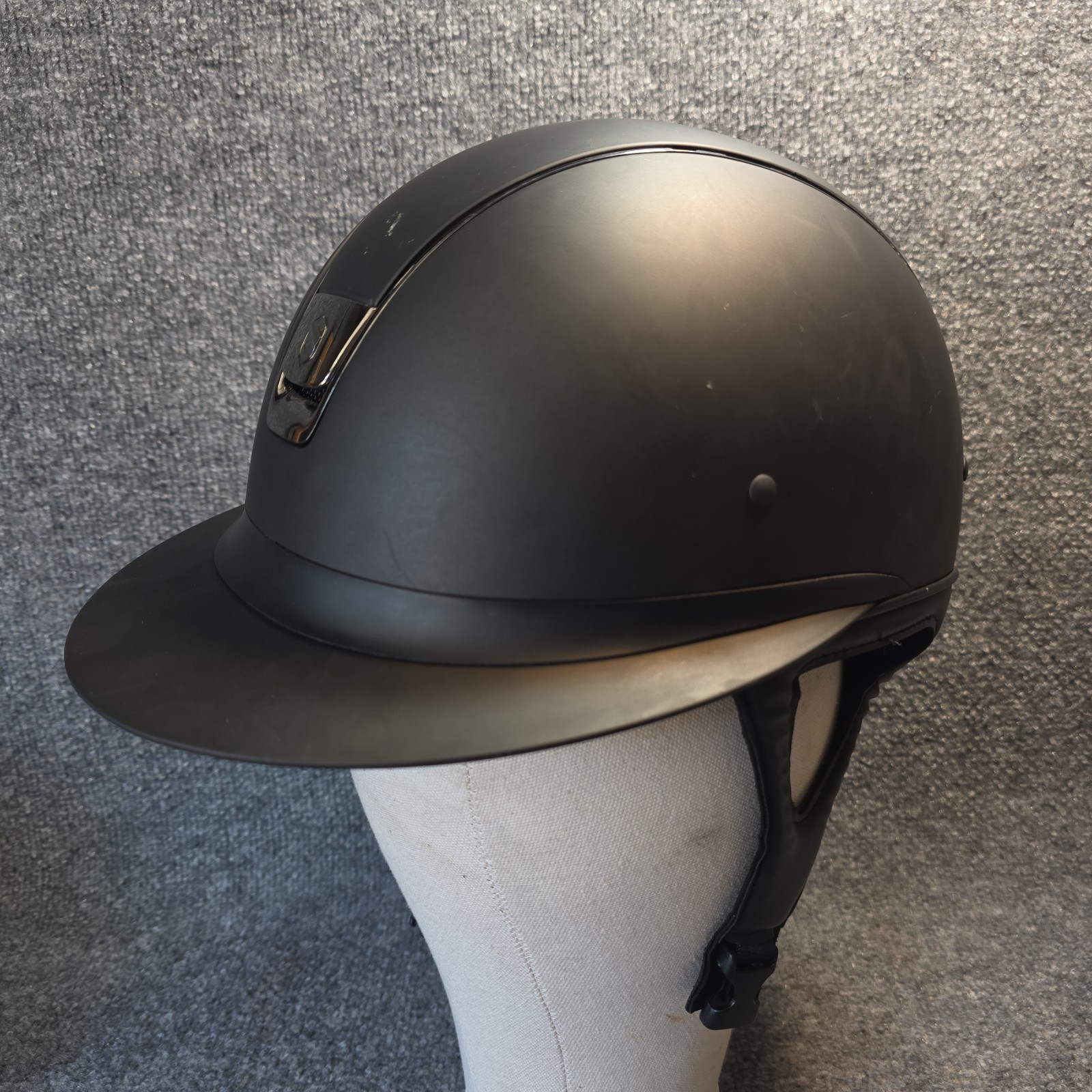 Samshield Miss Shield Shadowmatt Equestrian Riding Helmet 6 7/8- 7 1/8 READ$119.99View on eBay
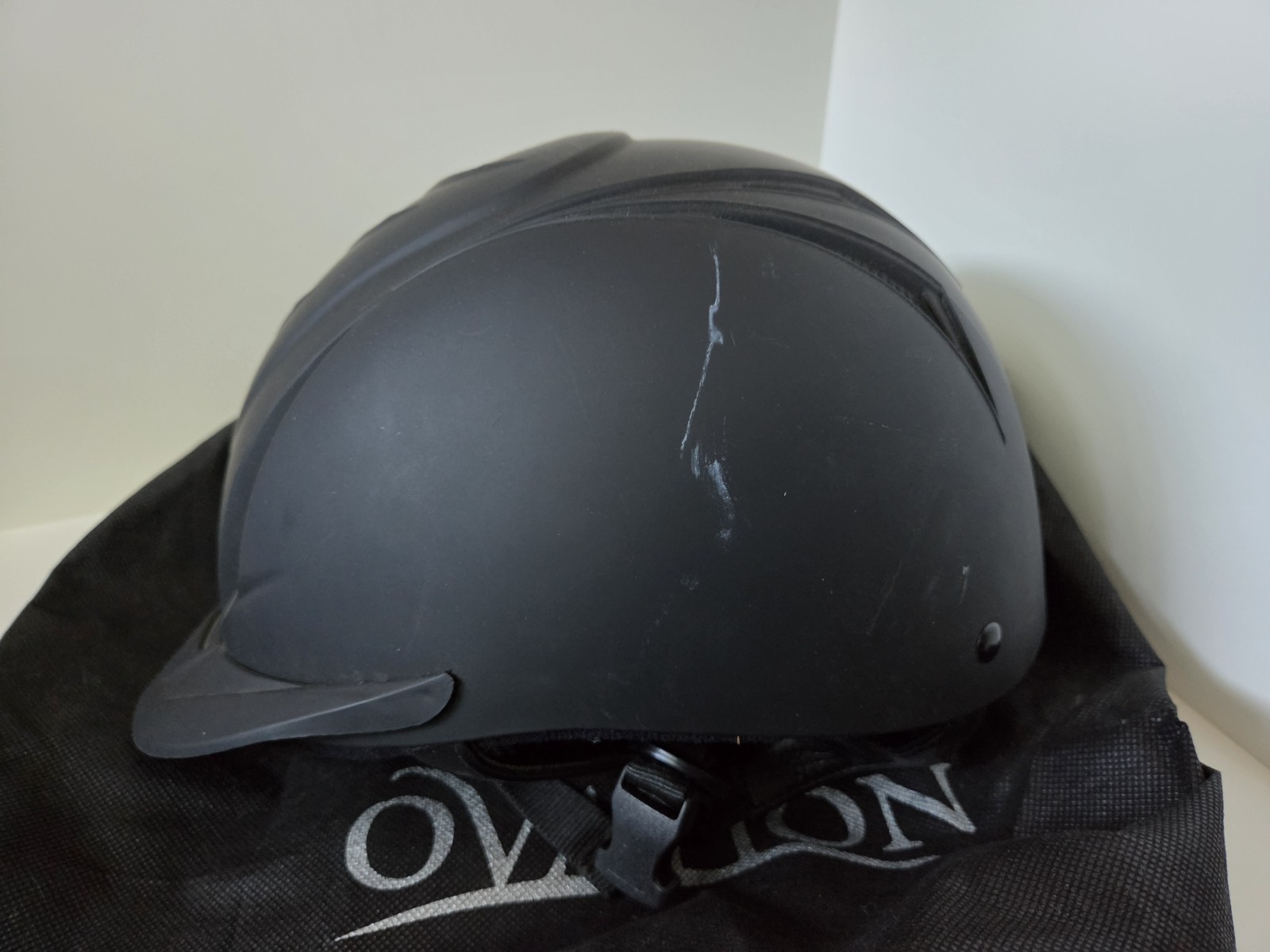 Ovation OV Deluxe Schooler Riding Helmet Equestrian Black S/M 52-56$20.99View on eBay
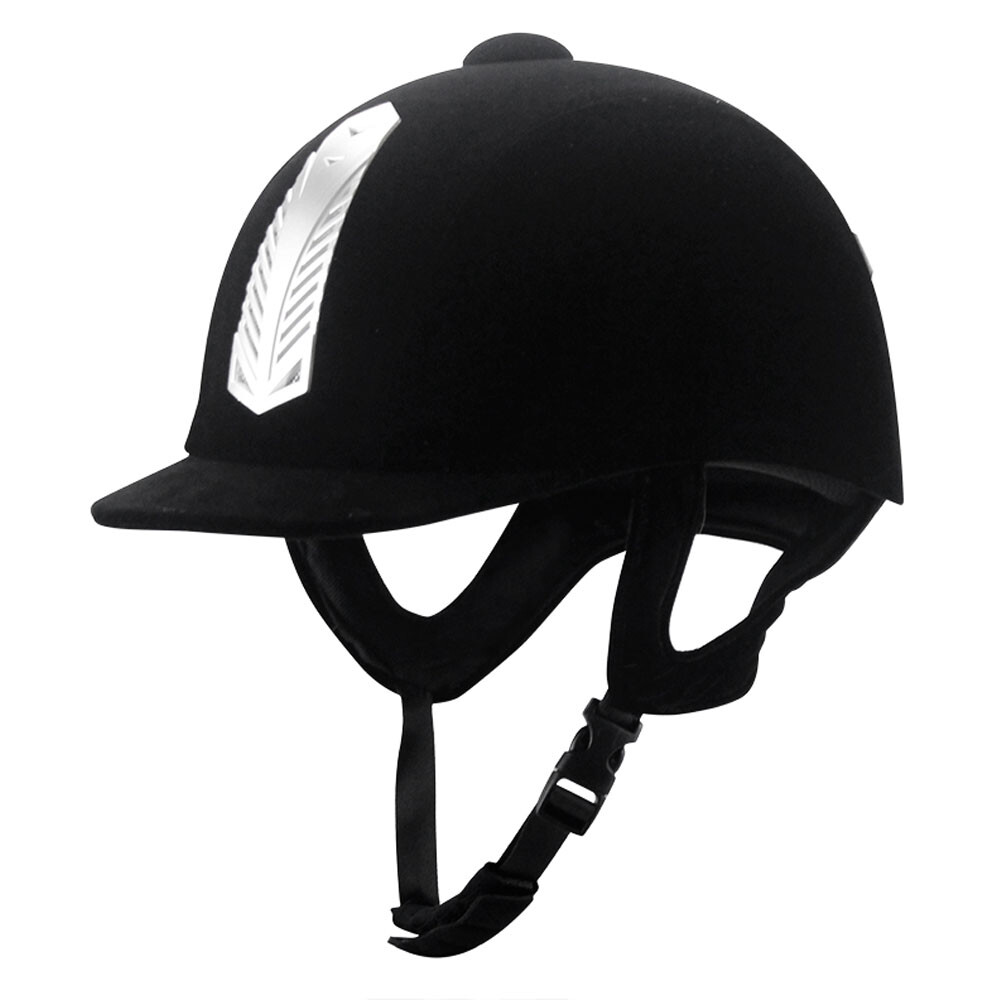 Equestrian Helmet Velvet Horse Riding Hat Sport Helmets for Men Women Children$32.80View on eBay
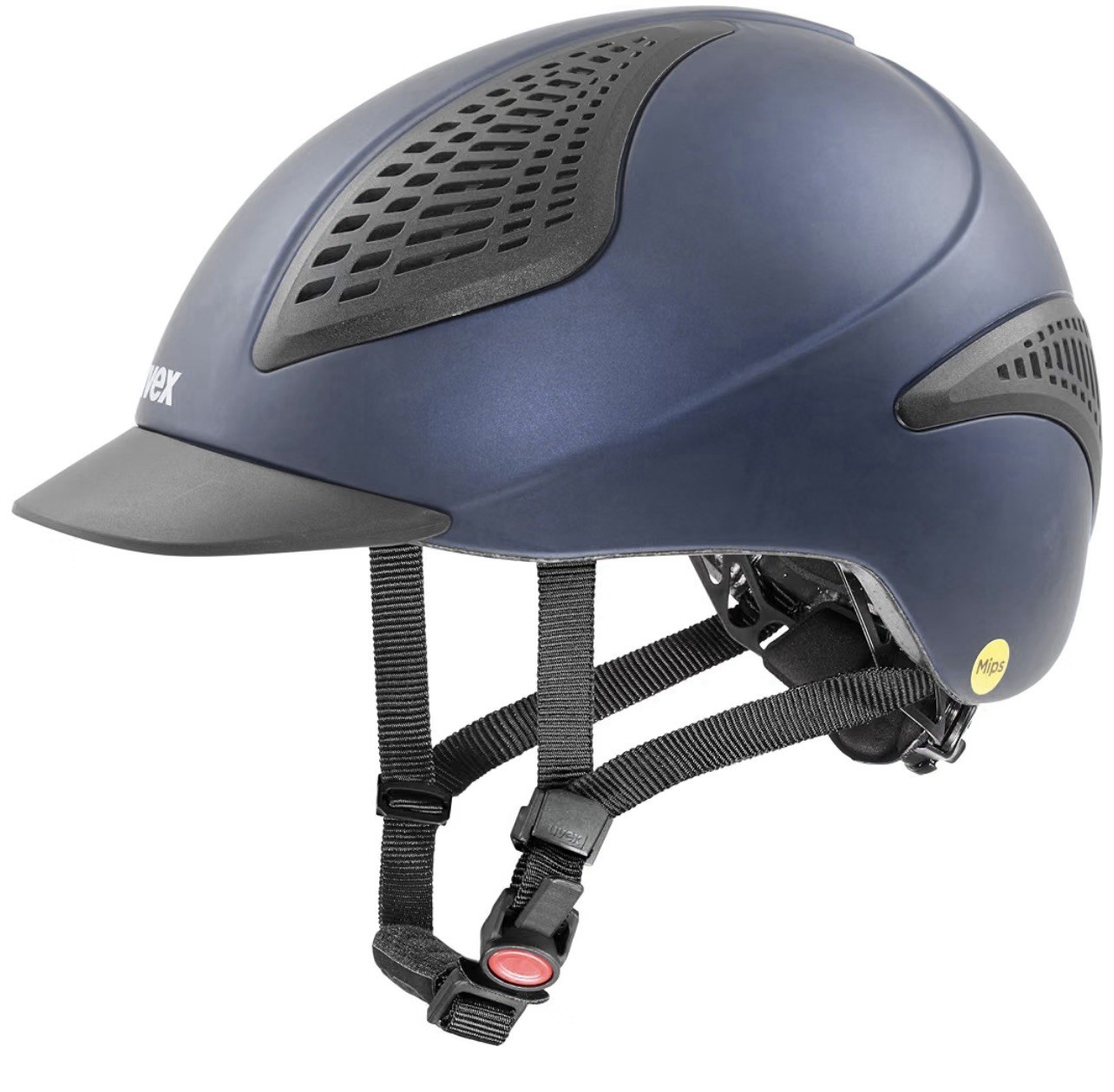 Exxential II MIPS Horse Riding Helmet for Women & Men L-XL -Equestrian$89.99View on eBay
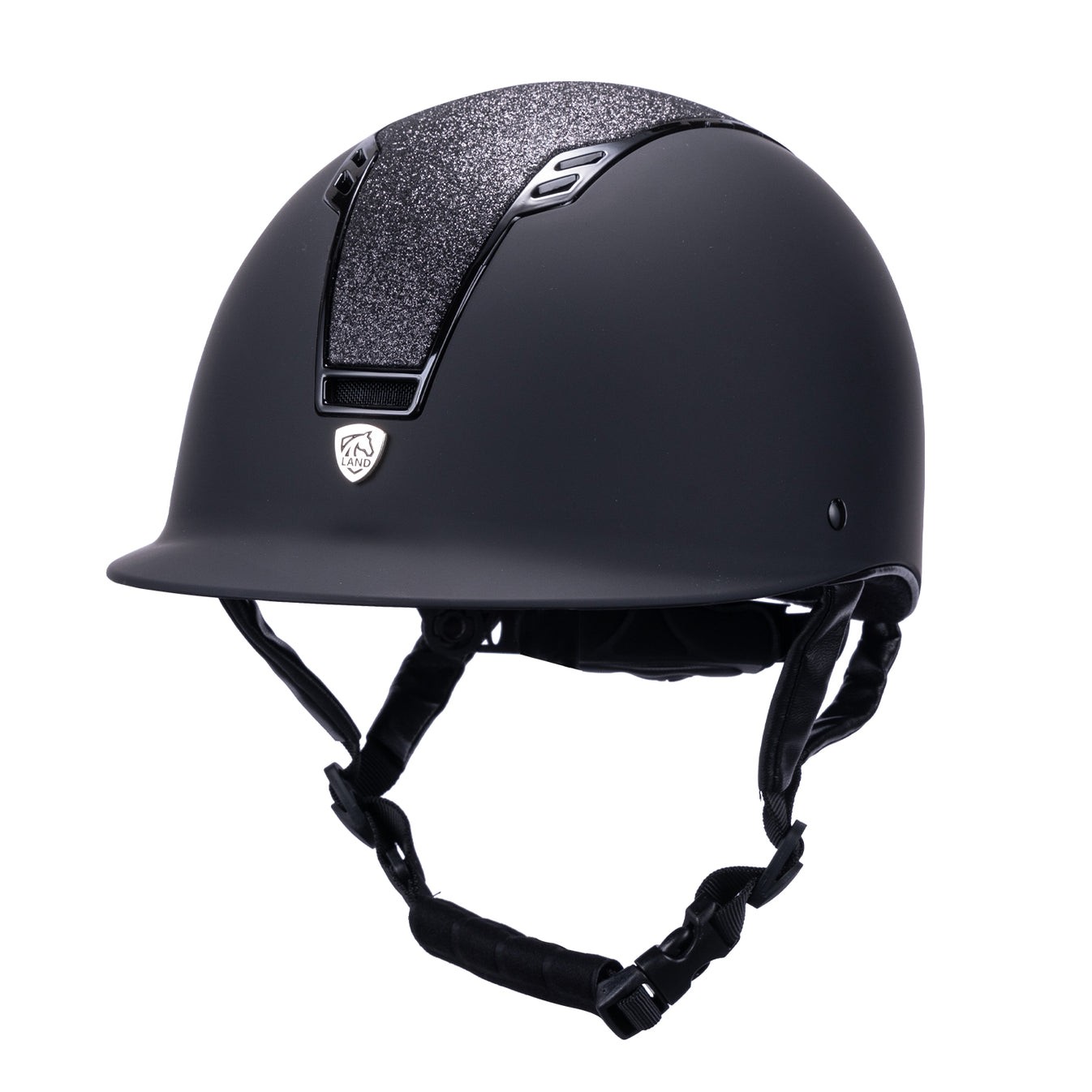 Land Helmets Stella Equestrian Helmet - ASTM/SEI F1163-23 - Horse Riding Helmet$129.99View on eBay
Highlights
- Certification tiers: ASTM/SEI F1163 (US) and VG1 (Europe) are the baseline; EN 1384 alone is obsolete and not accepted for competition.
- MIPS low-friction layers reduce rotational forces in angled impacts and appear on mid-to-premium models like the Exxential II.
- Shell construction separates schooler ABS shells from premium carbon or fiberglass; dial-fit harnesses beat fixed-pad liners for retention.
- Peak type matters: fixed peaks suit hunter/jumper tradition, while flexible or no-peak designs reduce catch risk in cross-country and trail falls.
Best use cases
- Best fit: beginner and lesson riders choosing a dial-fit schooler helmet (e.g., Ovation Deluxe Schooler) with ASTM/SEI certification and washable liners.
- Best fit: competitive hunter/jumper riders wanting a traditional fixed-peak, velvet or matte shell with premium harness hardware and custom fit.
- Wrong fit: buying a decorative velvet hat or fashion equestrian helmet without ASTM/SEI or VG1 labeling for actual riding.
- Wrong fit: sizing by age or 'small/medium' label alone; measure head circumference in cm and match the helmet's specific size chart.
Buying tips
- Measure head circumference at the widest point above the ears; match to cm ranges (e.g., 52–56 or 57–59) rather than S/M/L tags.
- Replace any helmet after a fall or impact, and every five years from manufacture date; UV and sweat degrade EPS liners.
- Choose MIPS or similar rotational technology for jump, event, and trail riding; fixed-peak velvet for show-ring tradition only.
- Confirm the harness uses quick-release buckles and a dial or padded fit system; fixed-pad liners cannot be adjusted to a true fit.
Specs
| Safety Standard | ASTM/SEI F1163 or VG1 |
|---|---|
| Fit System | Dial harness vs fixed-pad liner |
| Impact Tech | MIPS vs standard EPS liner |
| Peak Style | Fixed peak vs flexible/no peak |
Related searches
What to check before buying
- Measure head circumference in cm and compare against the specific helmet's size chart before ordering.
- Check the interior label for ASTM/SEI F1163 or VG1 certification and a visible manufacture date.
- Decide peak type by discipline: fixed peak for hunter/jumper show, flexible/no peak for cross-country and trail.
- Verify replacement liner and harness parts availability for the model, since sizing and hygiene depend on them.
FAQ
Data sources: eBay / Amazon listings and product attribute feeds Data updated Nov 18, 2026.
Some links on this page are affiliate links. If you buy after clicking one, we may earn a commission at no extra cost to you. This does not change which products appear here or their order. Affiliate disclosure.