Photos from current listings. Actual item, color, and included accessories may vary.
Horse Riding Hat Buying Guide
A horse riding hat is a certified equestrian helmet that protects against fall impacts, with the primary trade-off between certified safety (ASTM/SEI or VG1) and fit/ventilation/weight. Durable, protective options carry ASTM F1163 or VG1 certification, MIPS or similar rotational protection, and a dial or harness fit system; compromises lack current certification, use brittle ABS shells with thin EPS, or force a fixed size.


At a glance
- Category
- Riding Helmets, Boots & Apparel
- Data updated
- Nov 18, 2026
Current offers
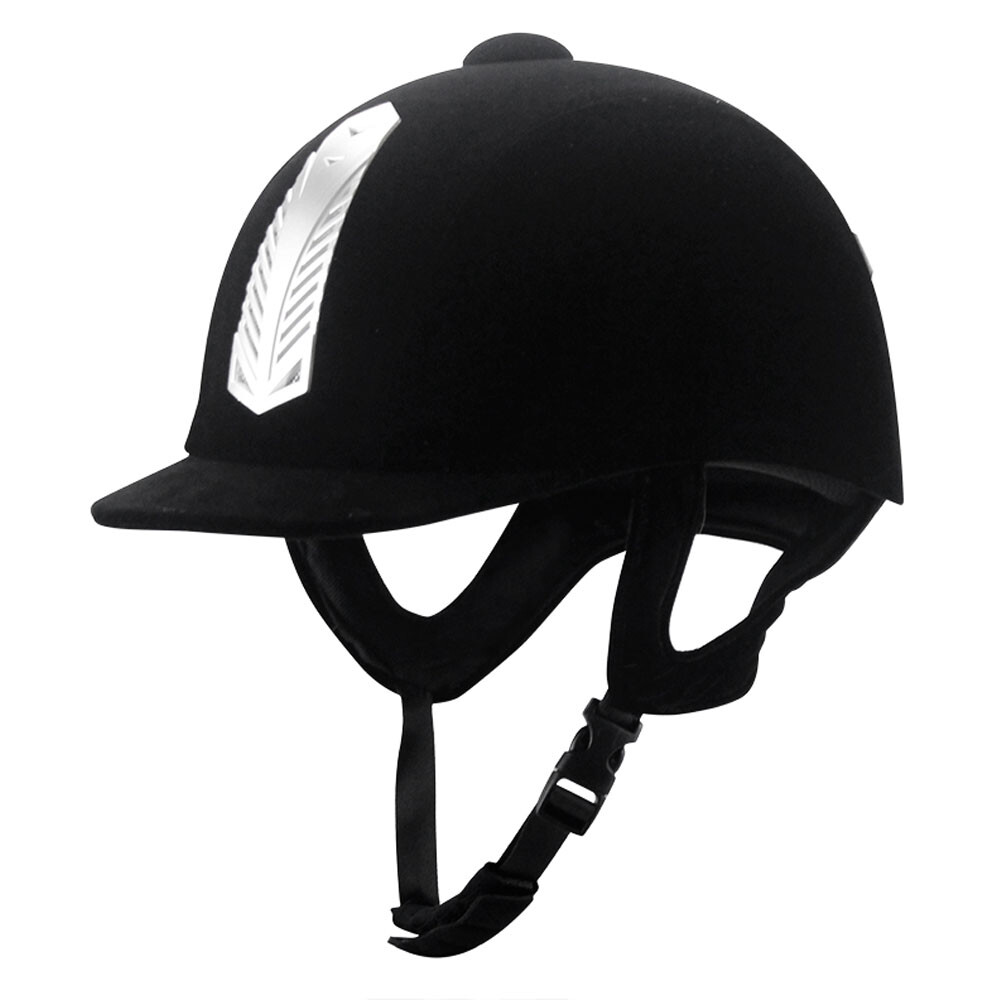 Equestrian Helmet Velvet Horse Riding Hat Sport Helmets for Men Women Children$32.80
 View on eBay
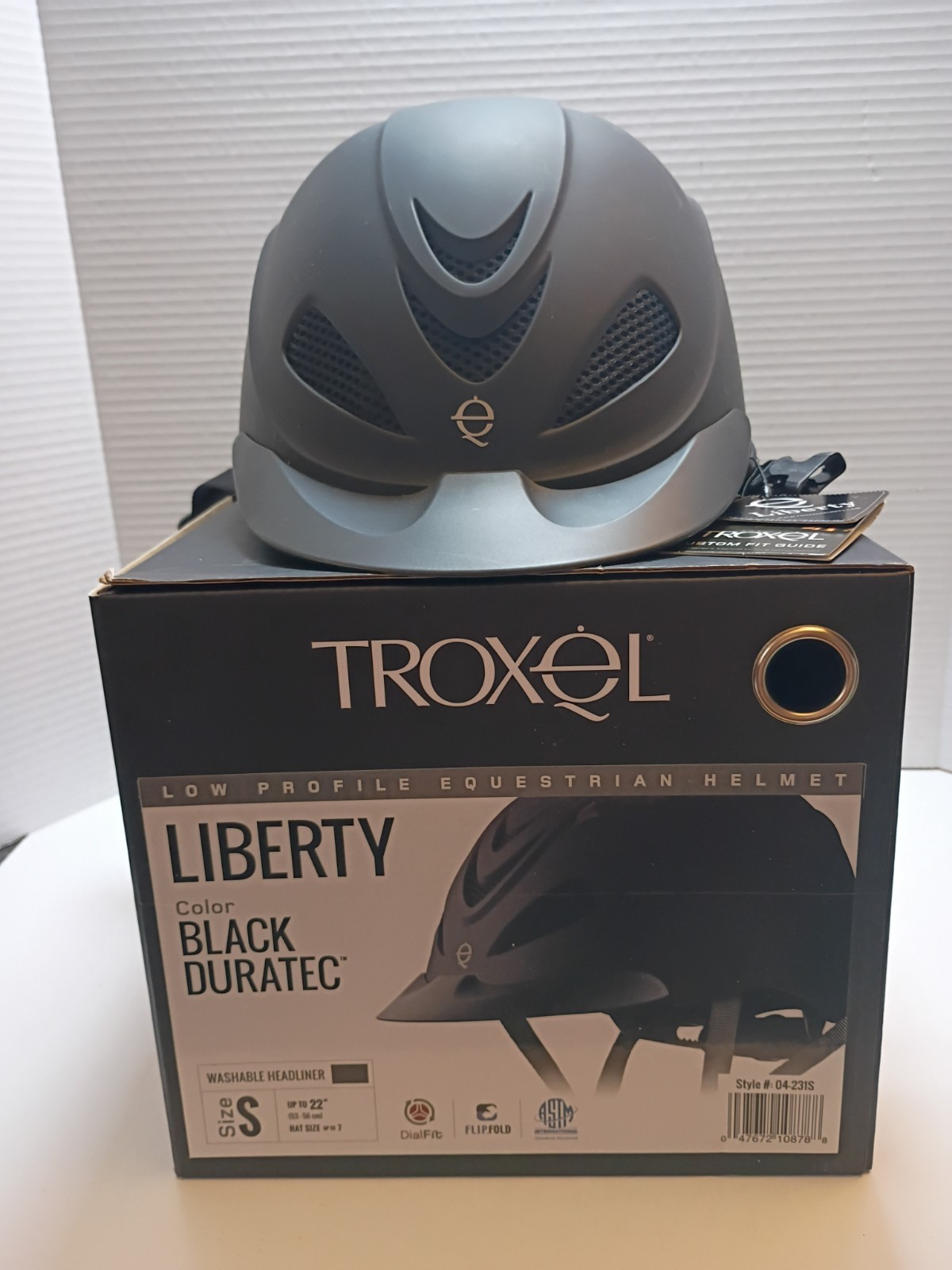 Troxel Spirit with Mips Technology Horse Riding Helmet Black Duratec Size Small$54.99View on eBay
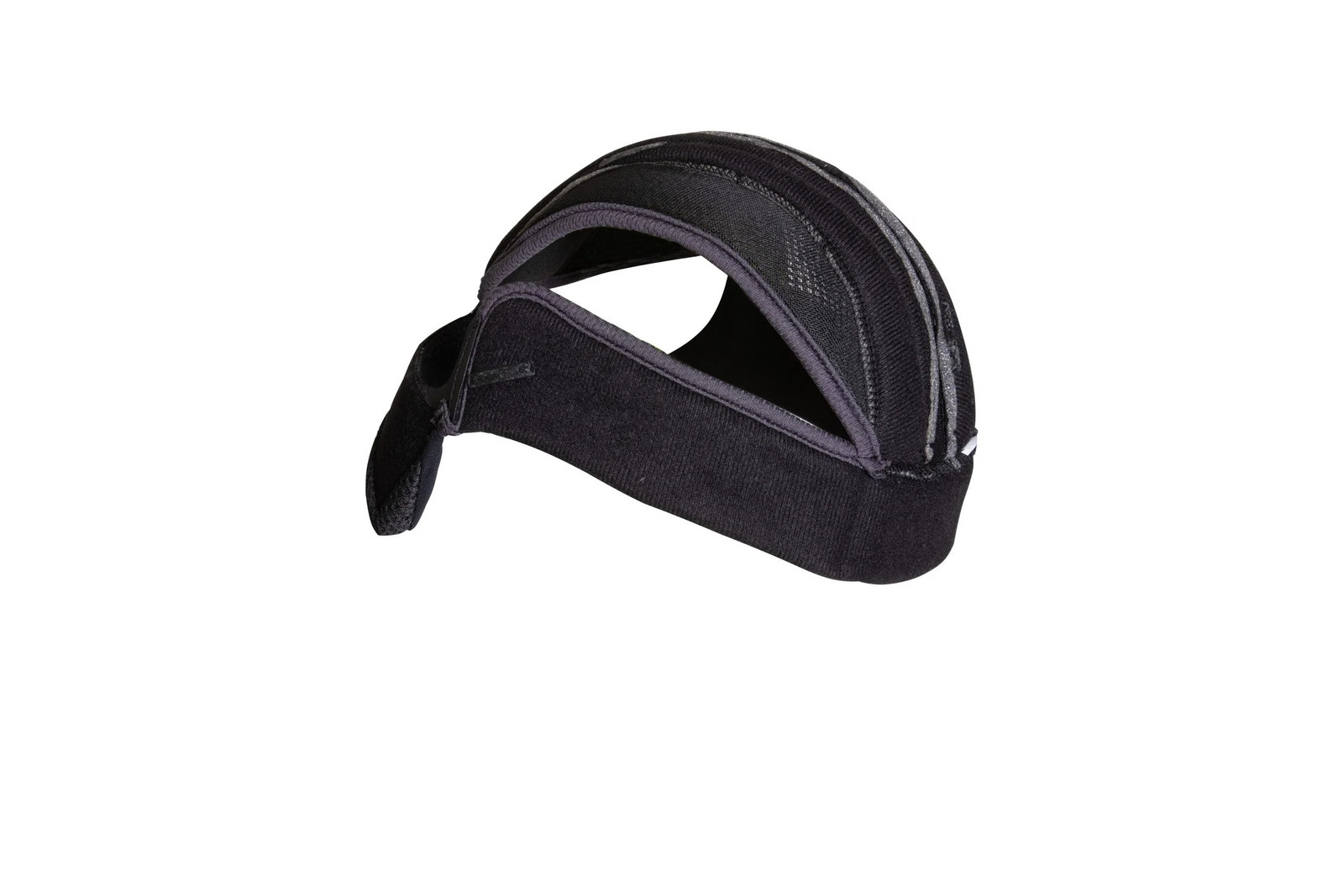 Suomy Apex Riding Helmet - Comfort Inner Padding/Lining Horse Riding Helmet$55.20View on eBay
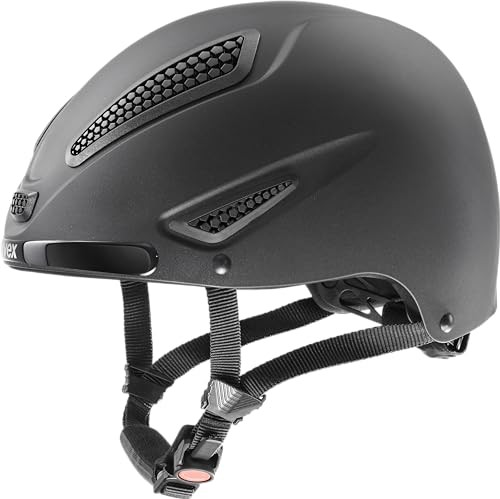 uvex perfexxion II xc Horse Riding Helmet, Women & Men - Black Matte, L-XL$65.63View on eBay
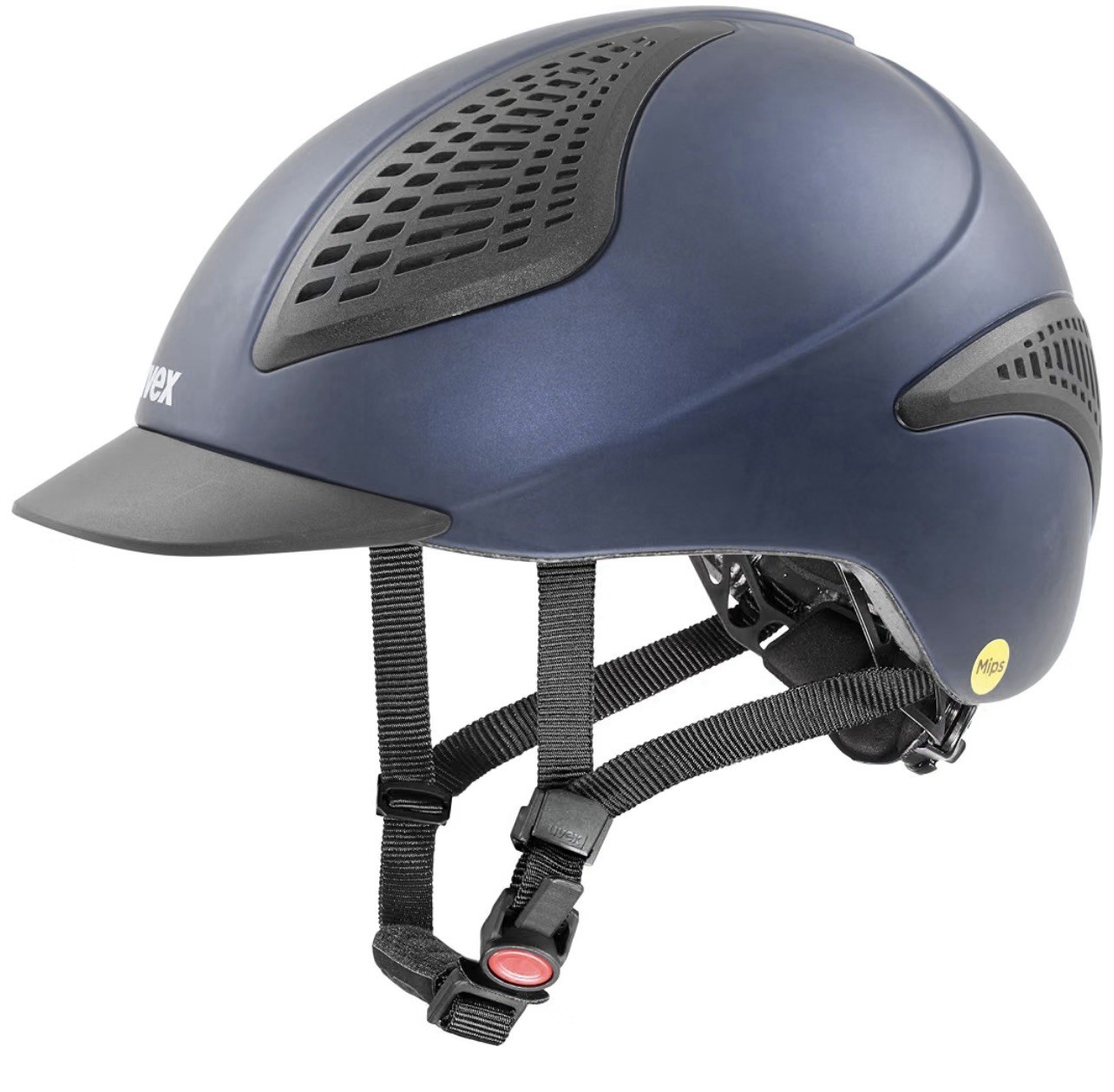 Exxential II MIPS Horse Riding Helmet for Women & Men L-XL -Equestrian$89.99View on eBay
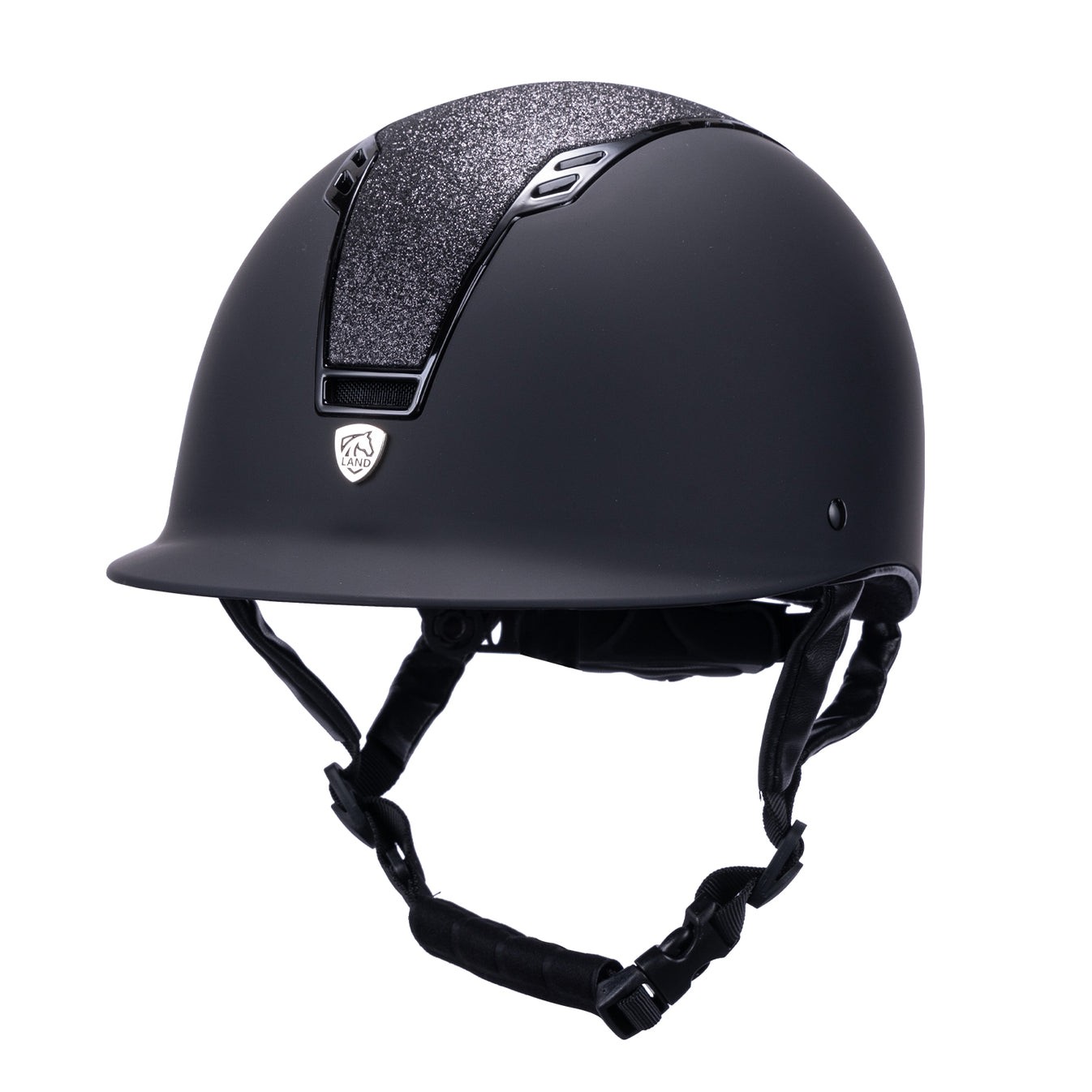 Land Helmets Stella Equestrian Helmet - ASTM/SEI F1163-23 - Horse Riding Helmet$129.99View on eBay
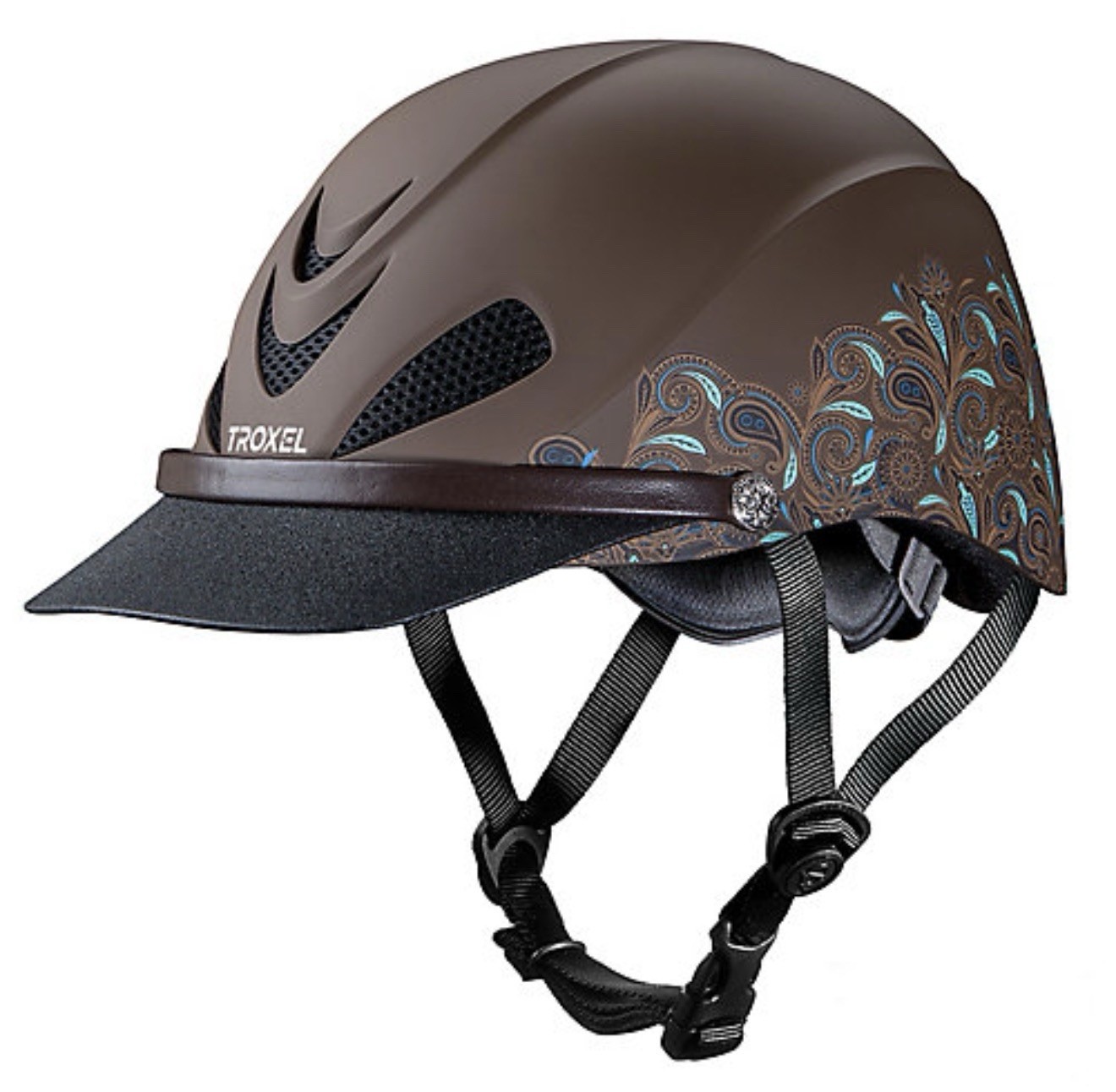 Dakota Trail Horse Riding Helmet, Low-Profile Light Adjustable Design, Saftey L$139.99View on eBay
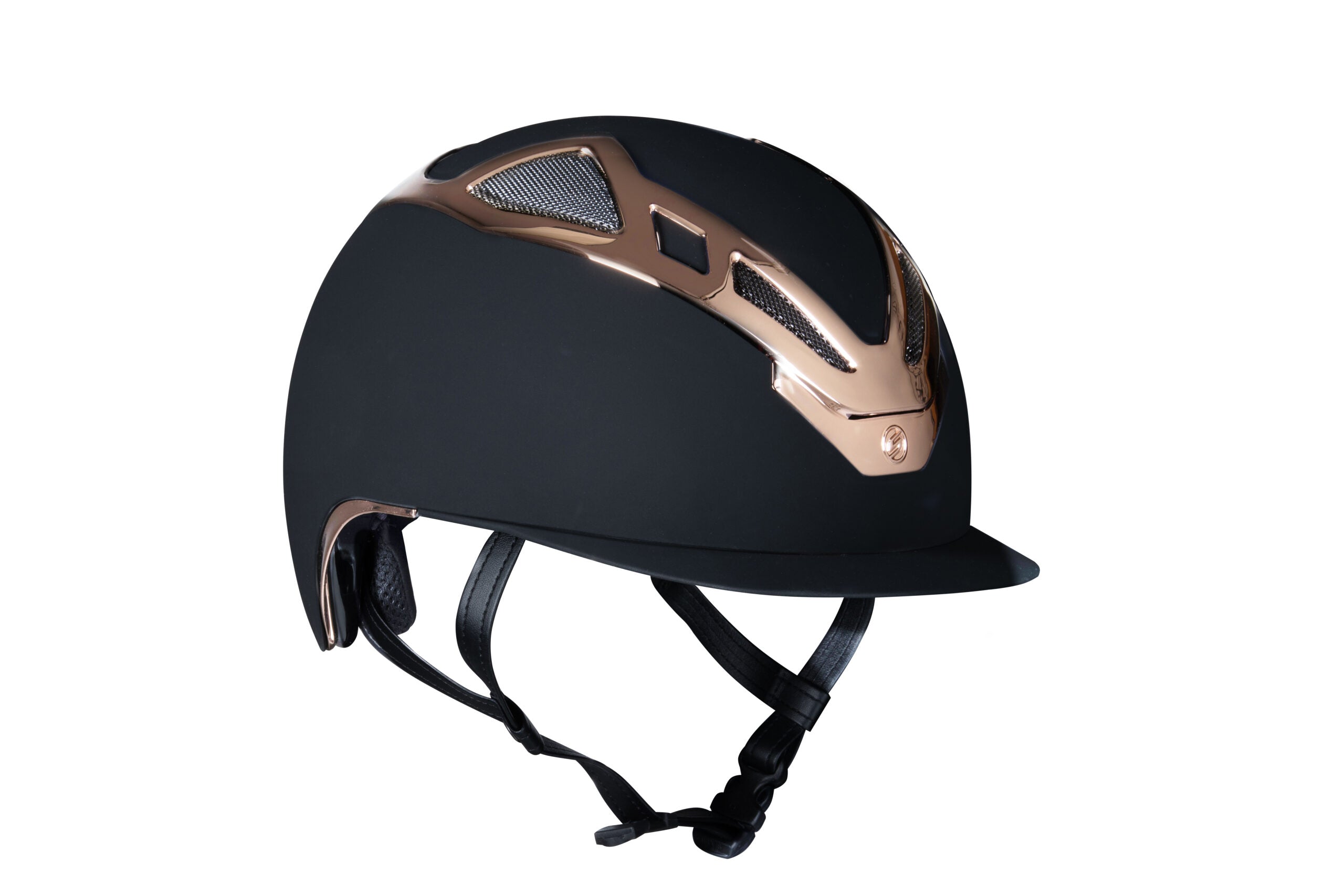 Suomy Apex Riding Helmet – Chrome Black Rose Gold Matte Horse Riding Helmet$479.20Last checked Nov 18, 2026View on eBay
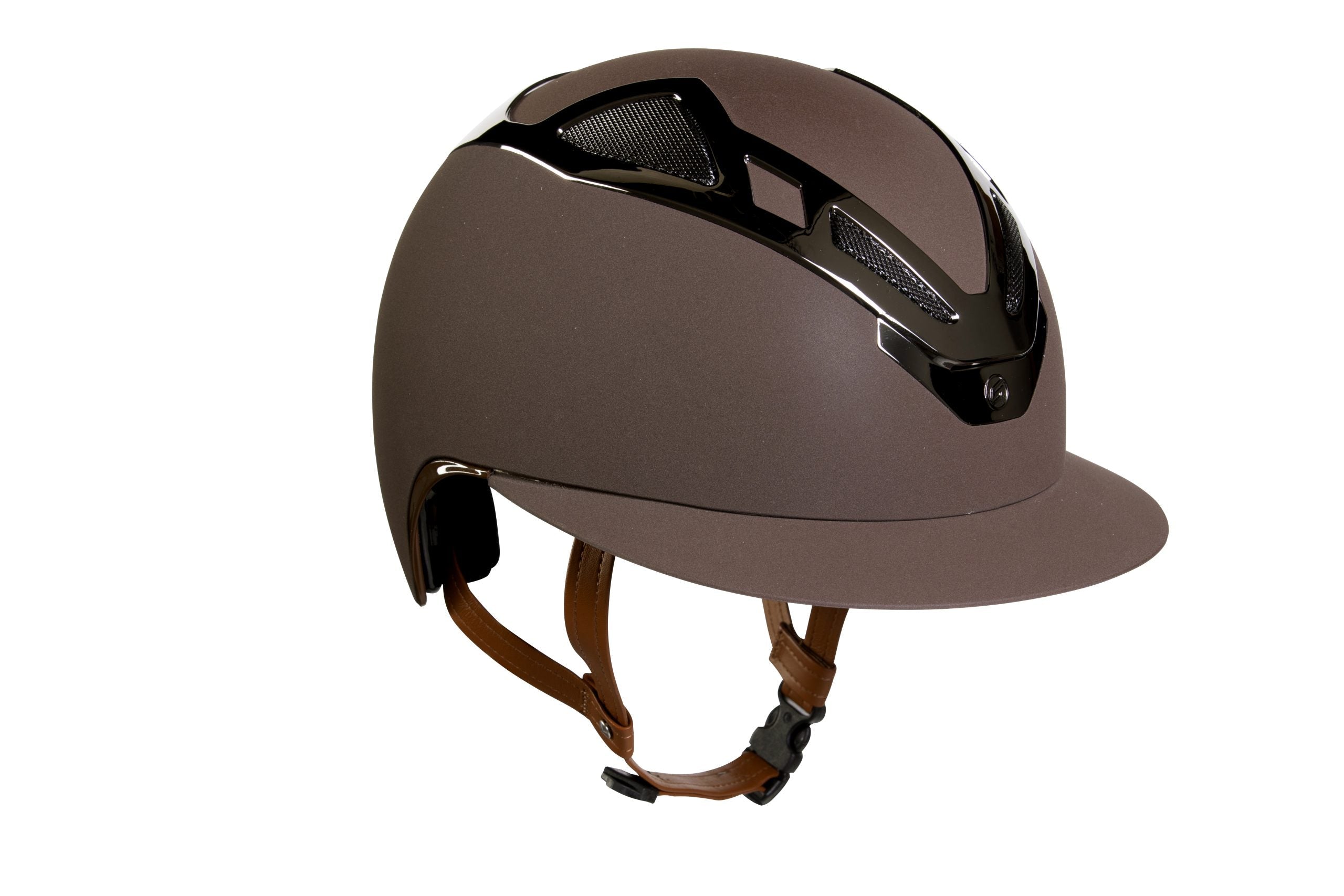 Suomy Apex Riding Helmet – Chrome Brown Matte Horse Riding Helmet$508.00Last checked Nov 18, 2026View on eBay
Highlights
- Certification determines legality and protection: ASTM F1163/SEI and VG1 (EN 1384) are the two accepted standards; only buy hats marked with a current year label.
- MIPS or similar low-friction layer reduces rotational forces by 10-30% versus identical shells without it; worth the weight and cost for jumping and eventing.
- Shell material separates tiers: polycarbonate or fiberglass composite shells resist penetration better than thin ABS; EPS liner density and thickness dictate impact absorption.
- Fit systems matter as much as size: dial retention (Troxel, uvex) and multi-point harnesses (Suomy Apex) hold the hat stable; fixed-pad liners require precise head measurement.
Best use cases
- Schooling and trail riding: choose a vented, adjustable dial-fit hat with ASTM F1163 certification and a removable washable liner; skip velvet show hats with fixed pads.
- Competition dressage or show jumping: pick a low-profile ASTM/SEI-certified hat with MIPS and a secure 4-point harness; skip uncertified fashion helmets and vintage velvet shells.
- Growing children: buy a certified adjustable dial-fit model sized to the current head circumference with at least 1 cm of adjustment; skip adult fixed-size closeouts.
Buying tips
- Measure head circumference 1 cm above the eyebrows; match to the brand size chart (56 cm is typically Small/Medium) and never size up for growth in adult hats.
- Choose a hat with at least 4 front and rear vents and a removable, washable liner for daily schooling; velvet show hats sacrifice ventilation for tradition.
- Replace any helmet after a fall or every 5 years, and check the certification label year — older stock may have degraded EPS.
- For jumping and eventing, prioritize MIPS or equivalent rotational protection plus a 4-point harness; for flatwork, a certified fixed-pad hat is sufficient.
Specs
| Safety Standard | ASTM F1163/SEI or VG1 (EN 1384) |
|---|---|
| Rotational Protection | MIPS or equivalent / none |
| Shell Material | Polycarbonate / fiberglass / ABS |
| Fit System | Dial retention vs fixed-pad liner |
Related searches
What to check before buying
- Measure head circumference in cm and compare to the brand's size chart; 56 cm fits most Small/Medium shells, while 58-61 cm needs Large/XLarge.
- Confirm the hat carries a current ASTM F1163 (with SEI mark) or VG1 label — not just a CE mark.
- Check harness adjustability: at least 4 points of adjustment and a chin strap that sits flush under the jaw.
- Verify liner removability and vent count for your climate; hot climates need 6+ vents and moisture-wicking liners.
FAQ
Data sources: eBay / Amazon listings and product attribute feeds Data updated Nov 18, 2026.
Some links on this page are affiliate links. If you buy after clicking one, we may earn a commission at no extra cost to you. This does not change which products appear here or their order. Affiliate disclosure.