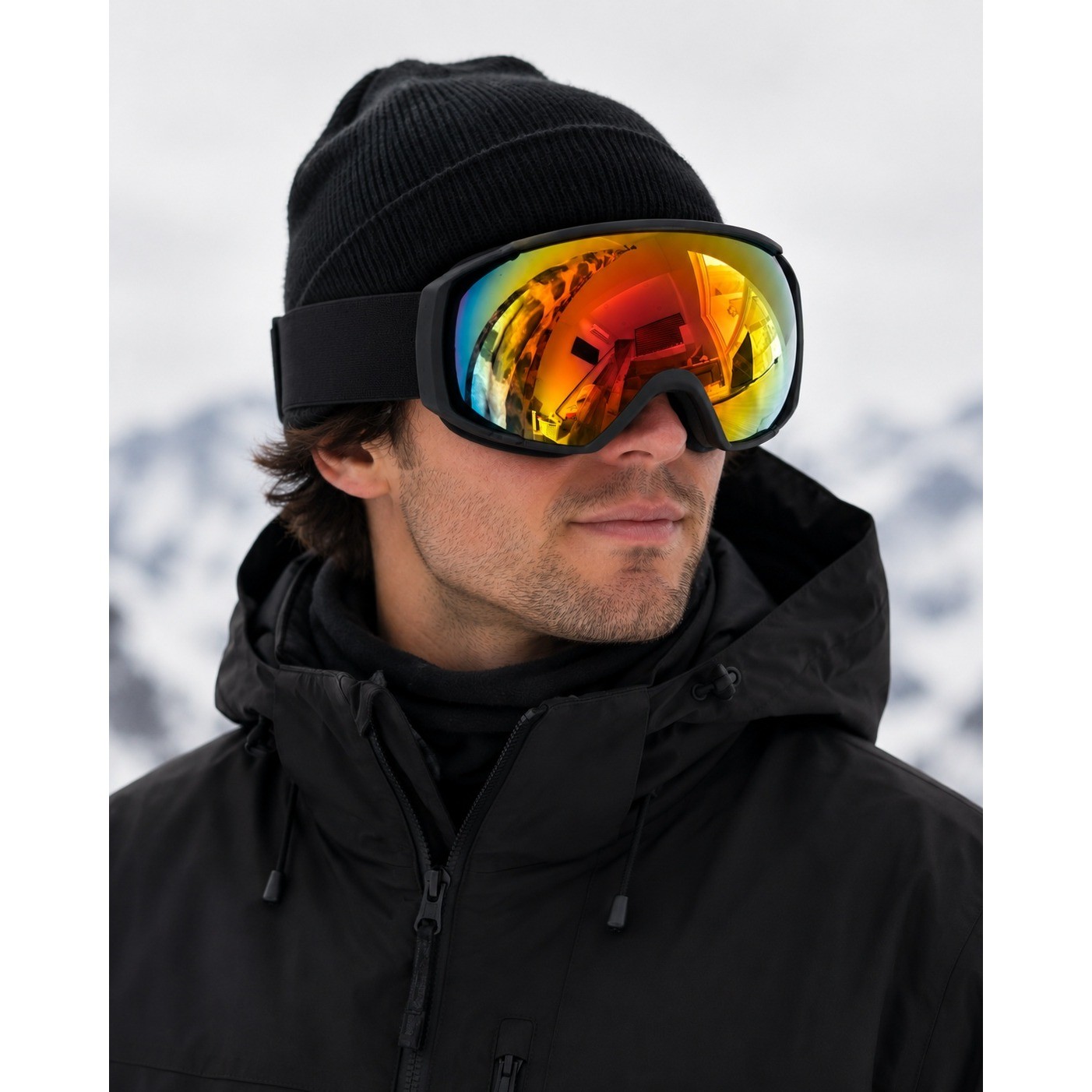

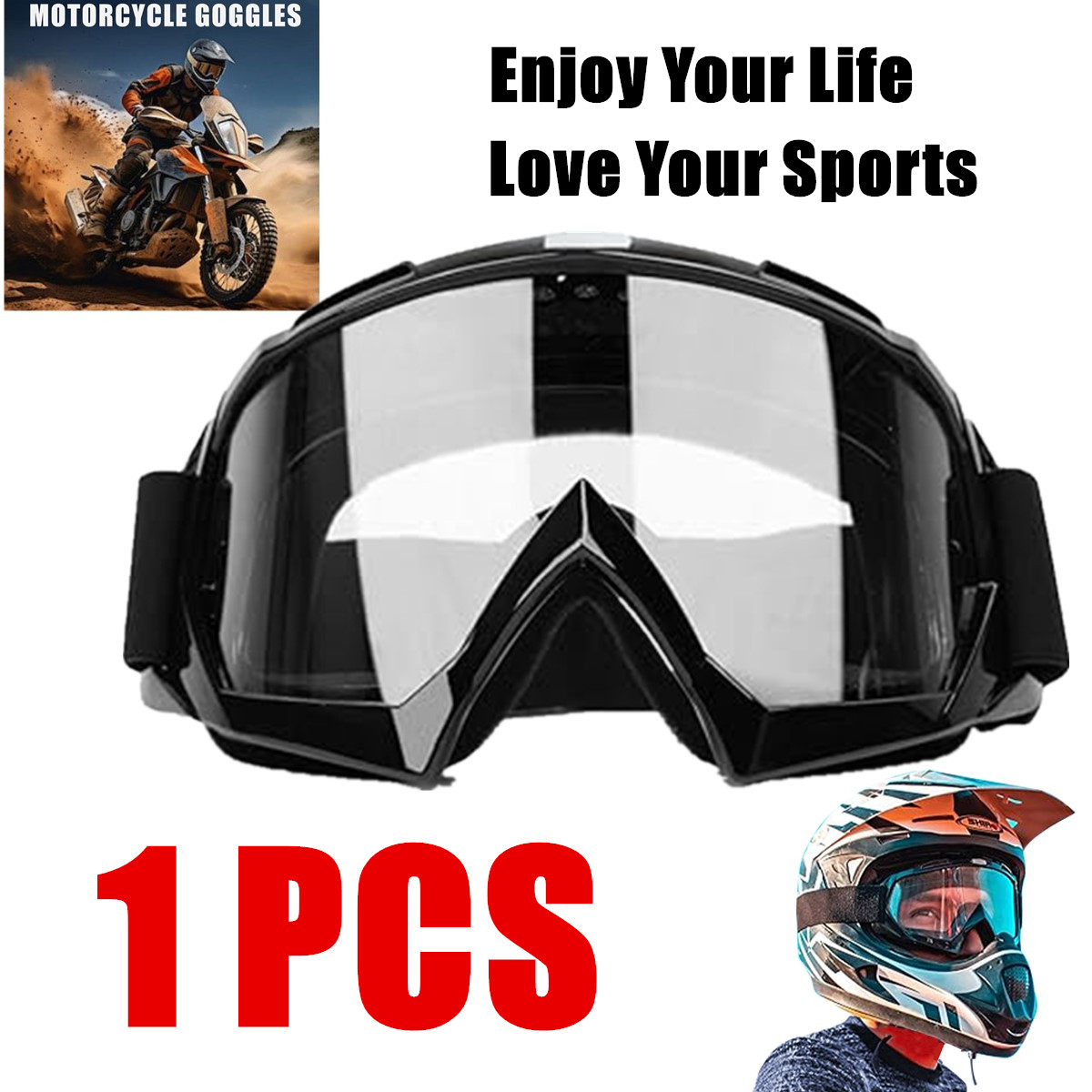
Photos from current listings. Actual item, color, and included accessories may vary.
Ski Goggle Buying Guide
Ski goggles are sealed eyewear that balances anti-fog ventilation, lens optics, and impact protection for snow sports. The core trade-off is between a cheap single-layer lens with minimal airflow and a dual-pane, vented design with interchangeable magnets. Buy a dual-lens, OTG-compatible goggle with a cylindrical or toric lens from a known winter-sports maker; skip unvented single-pane fashion goggles for any real mountain use.


At a glance
- Category
- Snow Helmets, Goggles & Apparel
- Data updated
- Nov 16, 2026
Current offers
Highlights
- Dual-pane lenses with an anti-fog coating resist fogging far longer than single-pane lenses; the sealed air gap is the primary anti-fog mechanism.
- Cylindrical lenses are flatter and cheaper; toric lenses curve on two axes for less distortion and better peripheral clarity at speed.
- Magnetic interchangeable lens systems let you swap tints in seconds; verify magnets are recessed and the frame has a mechanical lock tab.
- OTG (over-the-glasses) frames have deeper internal cavities; non-OTG goggles will press eyeglass temples and leak air.
Best use cases
- Resort skiing and snowboarding in variable light: pick a magnetic dual-lens goggle with one mirrored and one low-light (amber/rose) lens.
- Glasses wearers: choose an explicitly OTG-rated frame with at least 15 mm of internal depth and a helmet-compatible strap.
- Backcountry and high-altitude touring: prioritize a toric or spherical lens with high VLT (visible light transmission) for flat light and a secure non-magnetic lens lock.
- Motorcycle or e-bike riding: skip ski goggles—they lack the impact rating and dust sealing of DOT/ECE-rated riding goggles.
Buying tips
- Match lens VLT to conditions: 10-20% for bright sun, 20-40% for mixed cloud, 40-60%+ for storm and night riding.
- Measure your helmet's goggle gap: the goggle frame should sit flush against the helmet brim with no skin gap to prevent wind and snow entry.
- Confirm the lens is dual-pane and anti-fog coated; single-pane lenses fog within minutes during stop-and-go riding.
- Check strap width and silicone grip: 40 mm+ straps with silicone beads hold on smooth helmet shells without slipping.
Specs
| Lens Construction | Dual-pane anti-fog vs single-pane |
|---|---|
| Lens Shape | Cylindrical / Toric / Spherical |
| OTG Compatibility | OTG cavity vs standard fit |
| Lens Swap System | Magnetic + lock / Clip / Fixed |
Related searches
What to check before buying
- Measure your helmet's front opening width and the goggle frame width—the frame must be equal to or slightly wider than the helmet opening.
- Verify your eyeglass temple-to-temple width fits inside the OTG cavity, typically 145 mm or less.
- Confirm the lens and frame carry a visible impact standard such as EN 174 or ASTM F659 for snow sports.
- Check that spare lenses are sold separately and match the frame's magnetic or clip system before committing to that frame.
FAQ
Data sources: eBay / Amazon listings and product attribute feeds Data updated Nov 16, 2026.
Some links on this page are affiliate links. If you buy after clicking one, we may earn a commission at no extra cost to you. This does not change which products appear here or their order. Affiliate disclosure.