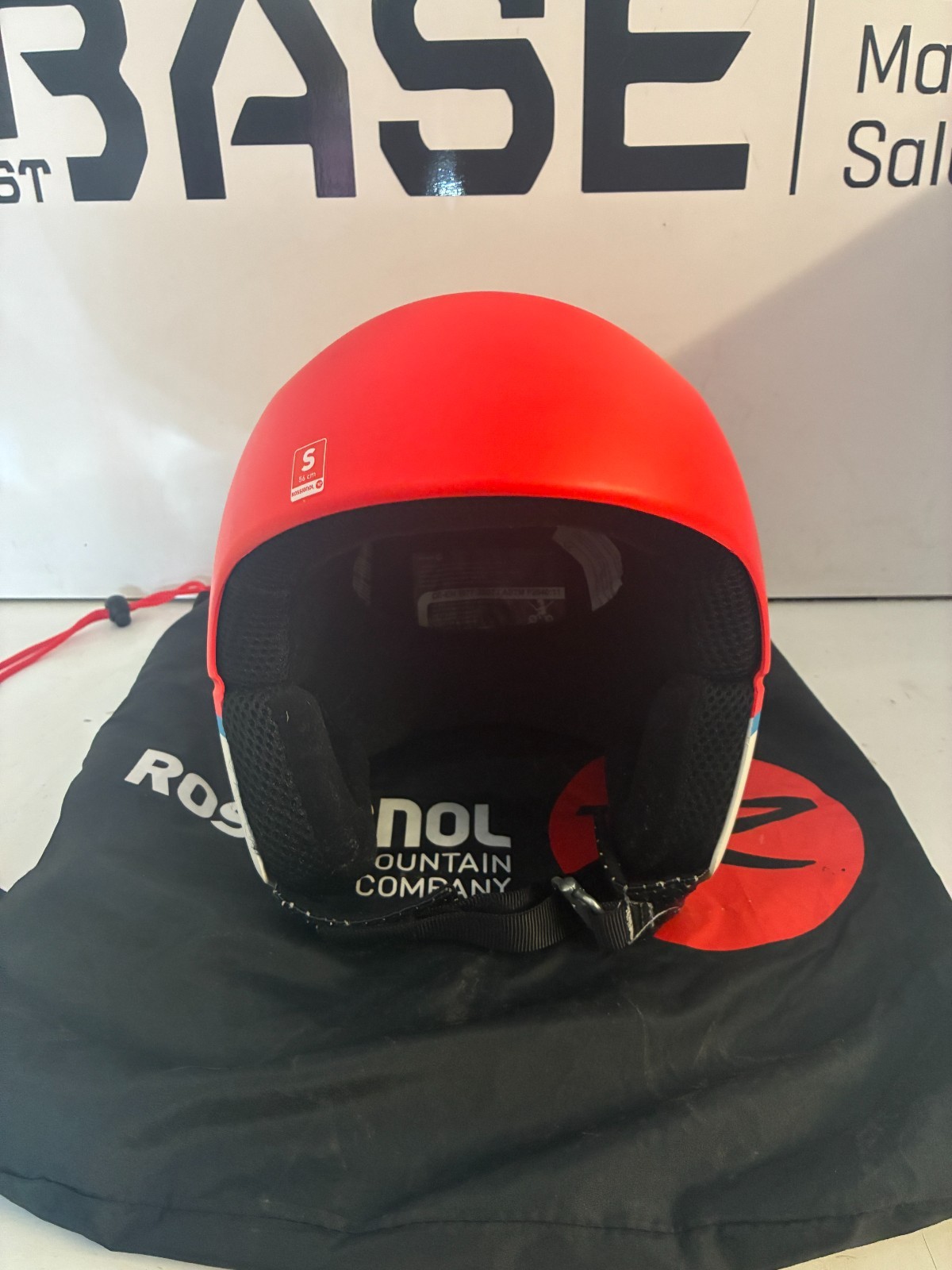

Photos from current listings. Actual item, color, and included accessories may vary.
Ski Helmet Buying Guide
A ski helmet is impact-protection gear built around either an in-mold polycarbonate shell bonded to EPS foam or a tougher ABS hardshell, with the main trade-off being weight and ventilation versus blunt-impact durability and price. The decisive rule: buy a helmet certified to EN 1077 (Europe) or ASTM F2040 (US) with a MIPS or equivalent rotational liner and a dial-fit system, and skip any unlabeled or only skate-certified shell for alpine use.


At a glance
- Category
- Snow Helmets, Goggles & Apparel
- Data updated
- Nov 16, 2026
Current offers
Highlights
- EN 1077 (B for alpine skiers) and ASTM F2040 are the two alpine helmet standards; skate/cycling EN 1078 or CPSC helmets lack the cold-temperature and penetration testing alpine use requires.
- In-mold construction fuses the polycarbonate shell to EPS foam for lighter weight and better venting; injection-molded ABS hardshells are heavier but resist dents and multiple blunt hits better.
- MIPS (Multi-Directional Impact Protection System) low-friction liners reduce rotational forces in angled falls; equivalent systems include SPIN (POC) and KinetiCore (Giro).
- Fit systems use a rear dial and adjustable occipital cradle; audio-compatible earpads and goggle-retention clips are the key companion interfaces to check.
Best use cases
- Pick an in-mold MIPS helmet with 10+ vents for resort skiing and all-day lift laps where weight and airflow matter most.
- Choose an ABS hardshell with fixed or minimal vents for freeride, park, and rental/borrow use where blunt-impact durability and low cost outweigh weight.
- Skip open-face helmets for high-speed downhill racing or backcountry tree lines; select a full-face or convertible chin-bar model certified to ASTM F2040.
- Skip any helmet sold only with a cycling or skate certification for snow sports, and size up only if you wear a thin beanie—never to fit thick hats.
Buying tips
- Measure head circumference 1 cm above the eyebrows; helmet shell sizes run roughly 52–55 cm (S), 55–58 cm (M), and 58–61 cm (L), so buy to the measured range, not hat size.
- Expect a 350–500 g in-mold helmet and 500–700 g hardshell; over 700 g becomes noticeable on long lift days.
- Look for MIPS, SPIN, or KinetiCore rotational liners; a plain EPS liner passes standards but does not address angled-impact rotation.
- Confirm goggle compatibility: the helmet's front brim and rear clip must fit your goggle frame width, and OTG (over-the-glasses) goggles need a deeper front cutout.
Specs
| Certification | EN 1077 / ASTM F2040 alpine |
|---|---|
| Shell Construction | In-mold polycarbonate vs ABS hardshell |
| Rotational Liner | MIPS / SPIN / KinetiCore vs EPS only |
| Fit System | Rear dial + occipital cradle |
Related searches
What to check before buying
- Measure head circumference with a soft tape and match to the helmet's stated cm range; a helmet should feel snug with no pressure points after 10 minutes.
- Check that your goggles sit flush against the helmet brim with no gap (the 'gaper gap') and that the rear strap clip aligns with the goggle strap.
- Confirm the helmet carries an EN 1077 or ASTM F2040 label on the inner liner, not just a generic CE mark.
- If you use audio earpads or a camera mount, verify the helmet has compatible drop-in earpad pockets and a breakaway mount, since adhesive mounts void some shells.
FAQ
Data sources: eBay / Amazon listings and product attribute feeds Data updated Nov 16, 2026.
Some links on this page are affiliate links. If you buy after clicking one, we may earn a commission at no extra cost to you. This does not change which products appear here or their order. Affiliate disclosure.