Photos from current listings. Actual item, color, and included accessories may vary.
Backpack Buying Guide
Hiking backpacks and hydration packs split into two clear architectures: framed load-carriers (internal frame, hip-belt load transfer) and frameless daypacks/hydration vests (light, body-hugging, bladder-driven). The core trade-off is carry comfort and load control versus weight and packability, and the decisive rule is matching frame type and capacity to your load weight—not buying tactical styling or oversized liter claims as a substitute for fit.

At a glance
- Category
- Hiking Backpacks & Hydration Packs
- Data updated
- Nov 16, 2026
Current offers
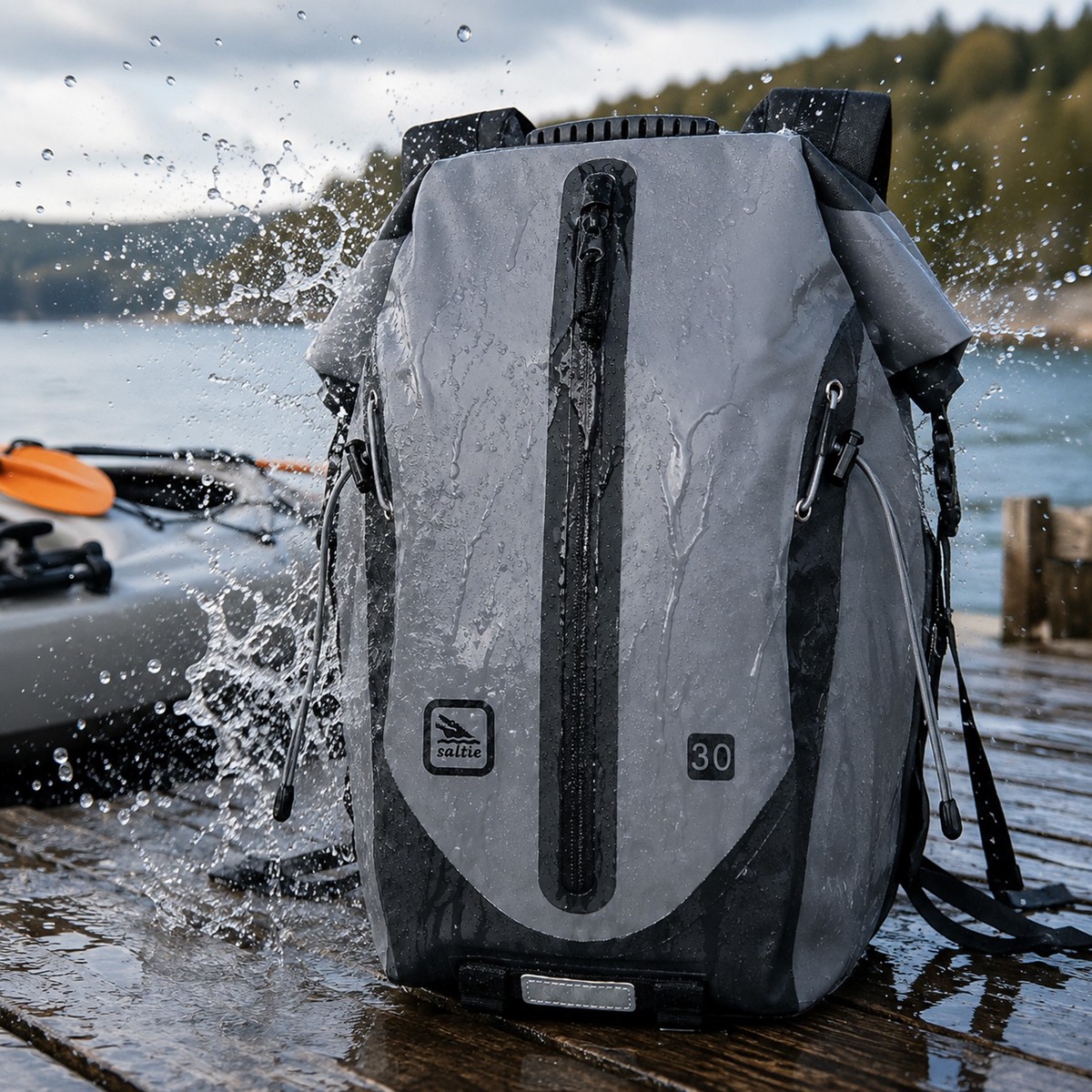 Waterproof Hiking Backpack 30L Dry Bag Camping Outdoor Gear Gray$24.99
 View on eBay
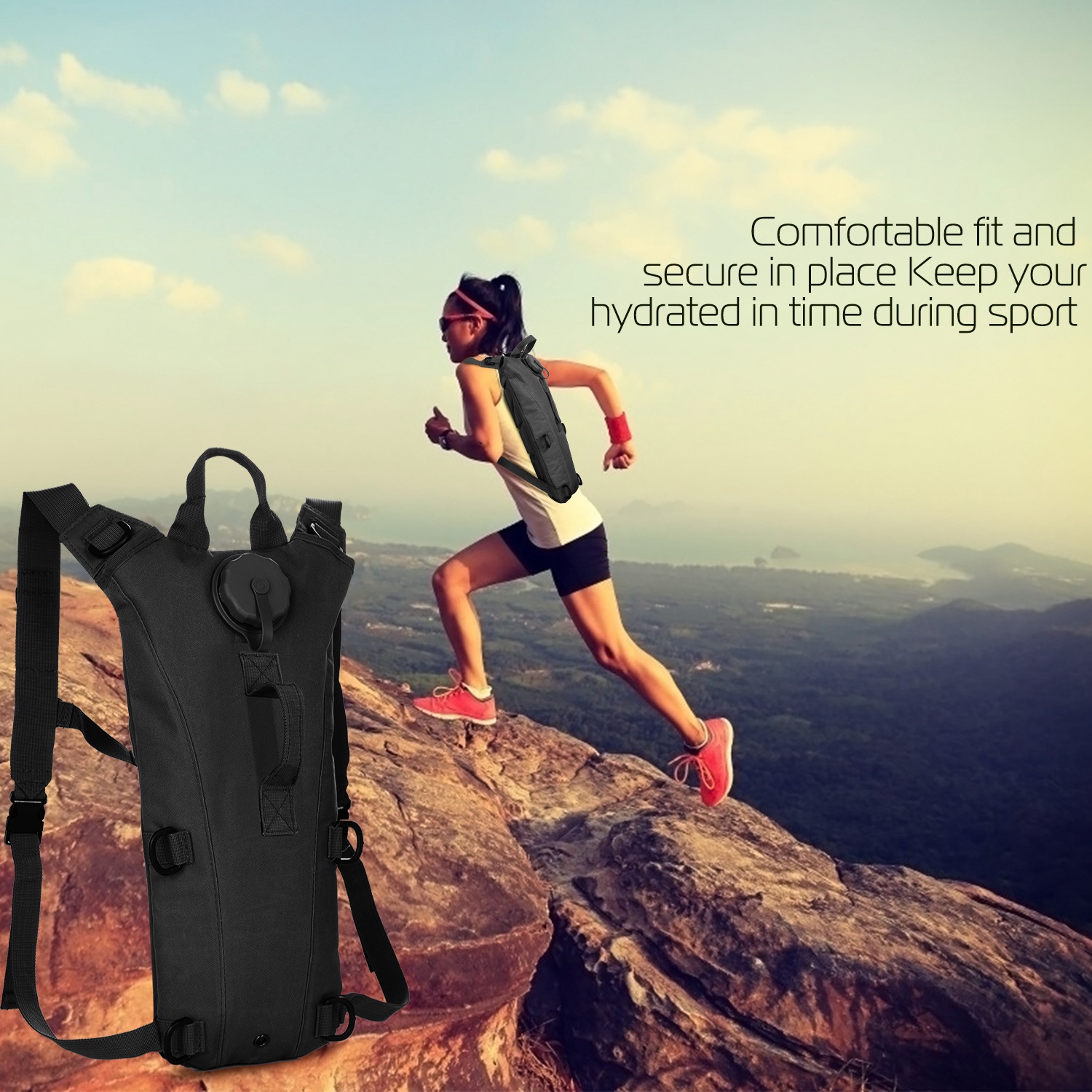 1Pc 3L Tactical Hydration Pack Water Bladder Adjustable Drink Backpack For Hiking Cycling Climbing Running$19.99
 View on Mallflare
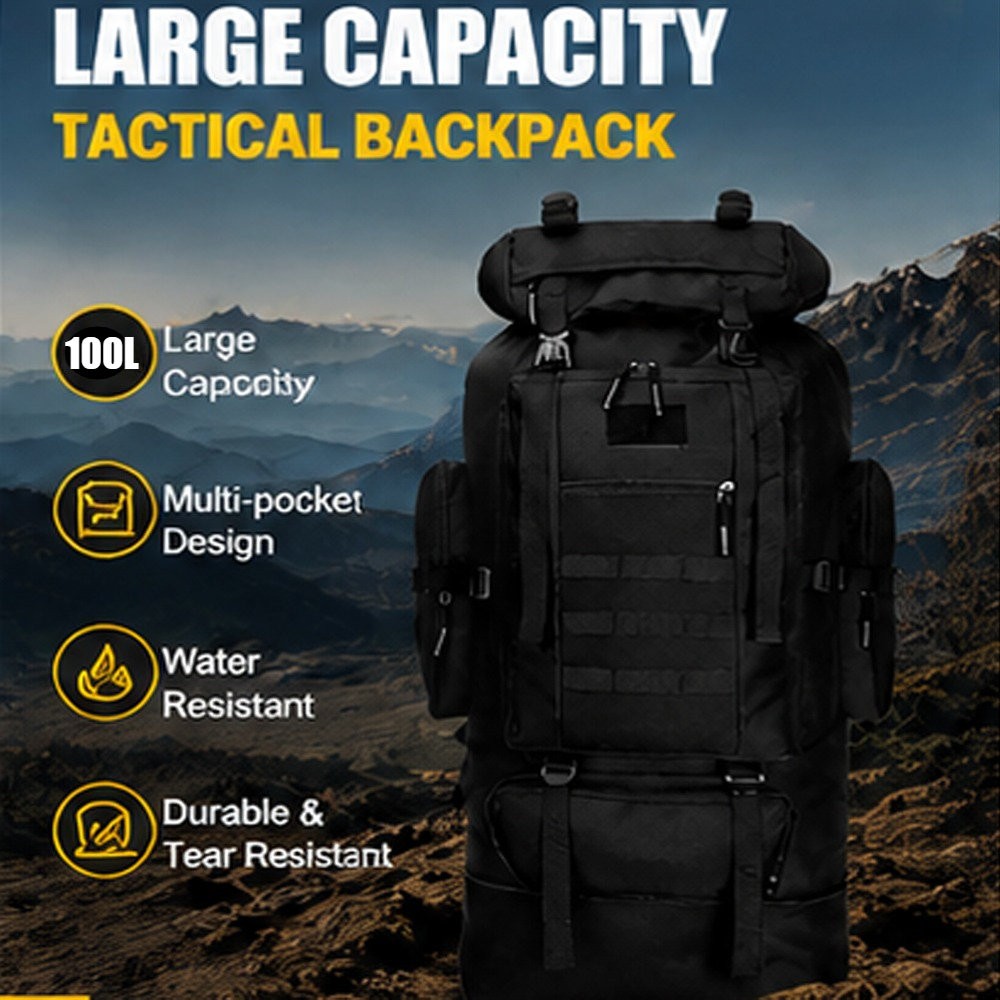 100L Expandable Hiking Backpack Waterproof Trekking Camping Backpack$25.99View on eBay
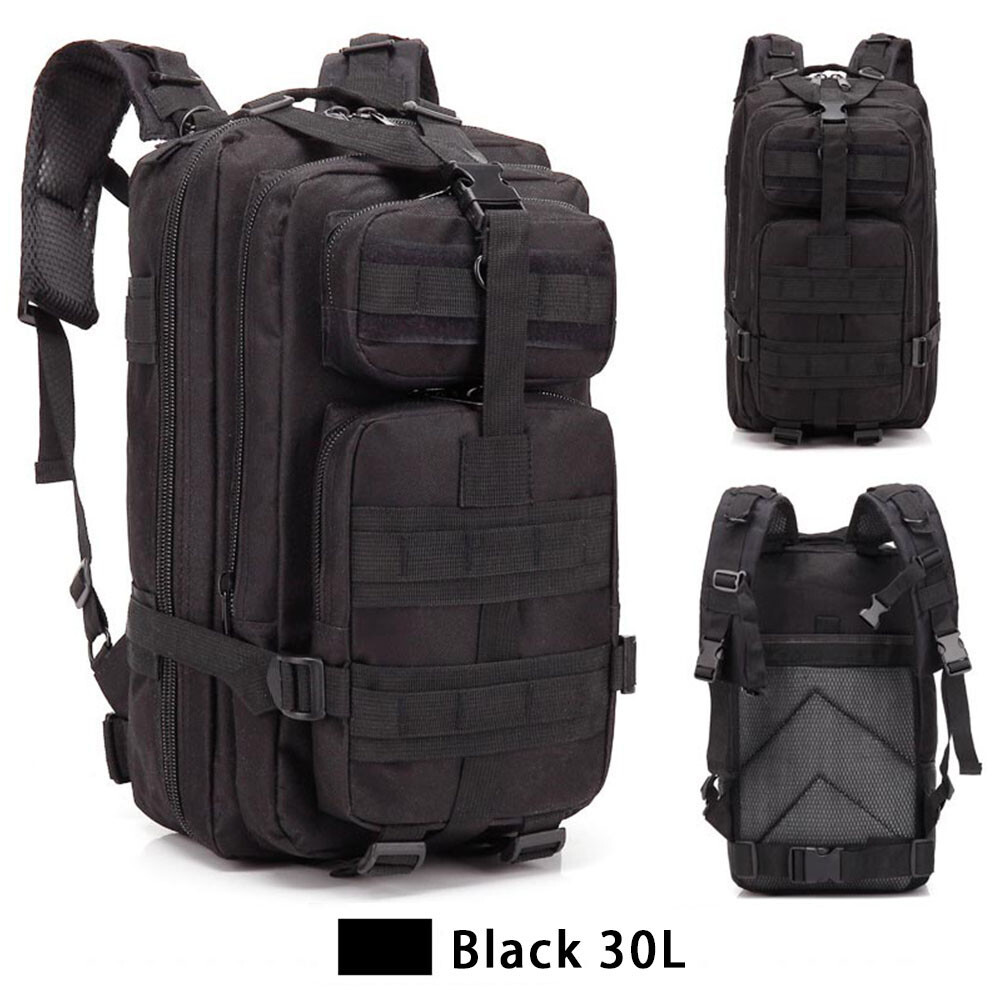 45L Military Tactical Backpack Large Army Men 3 Day Assault Pack Molle Rucksacks$26.99View on eBay
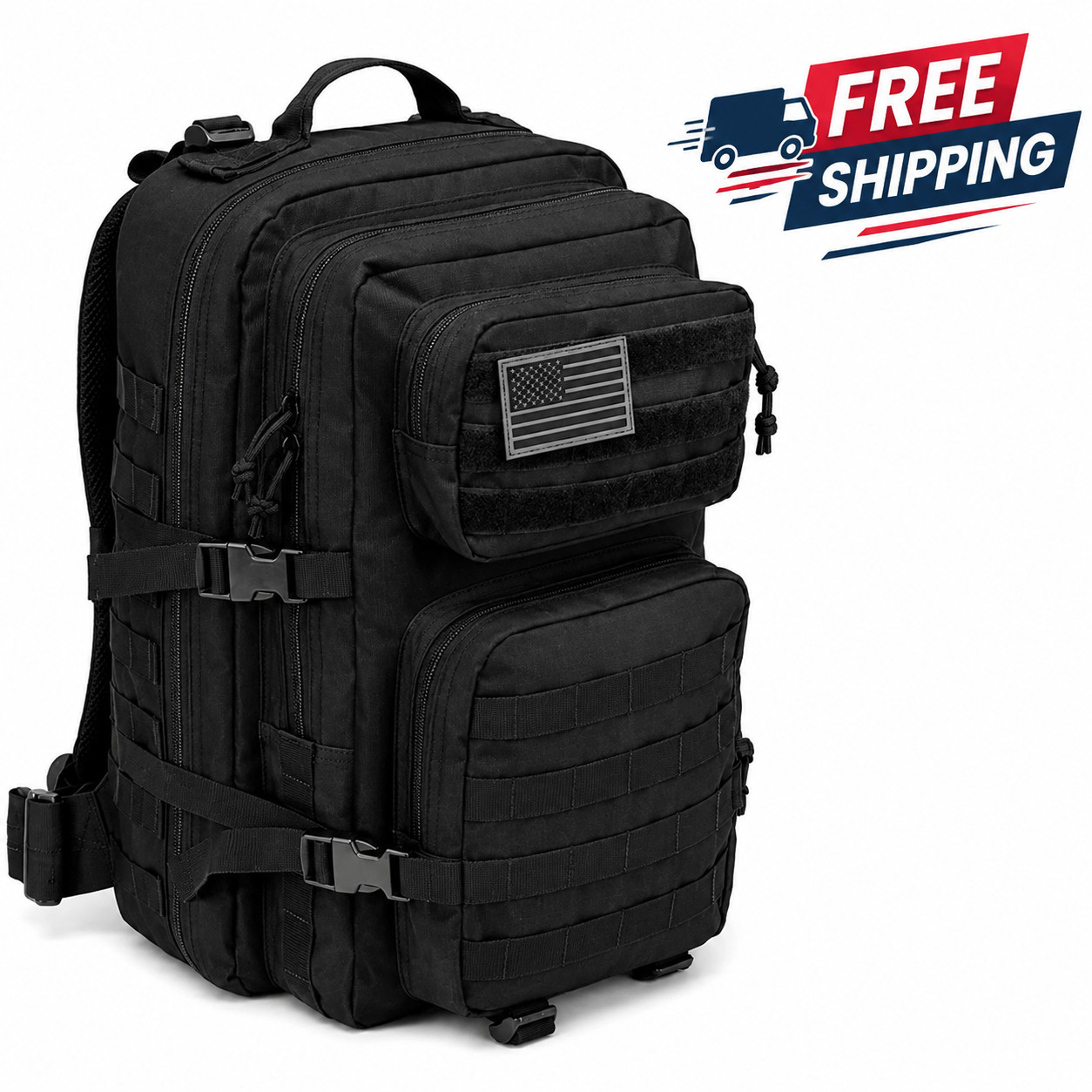 40L Military Tactical Backpack MOLLE | 3-Day Assault Pack Hiking Camping$28.99View on eBay
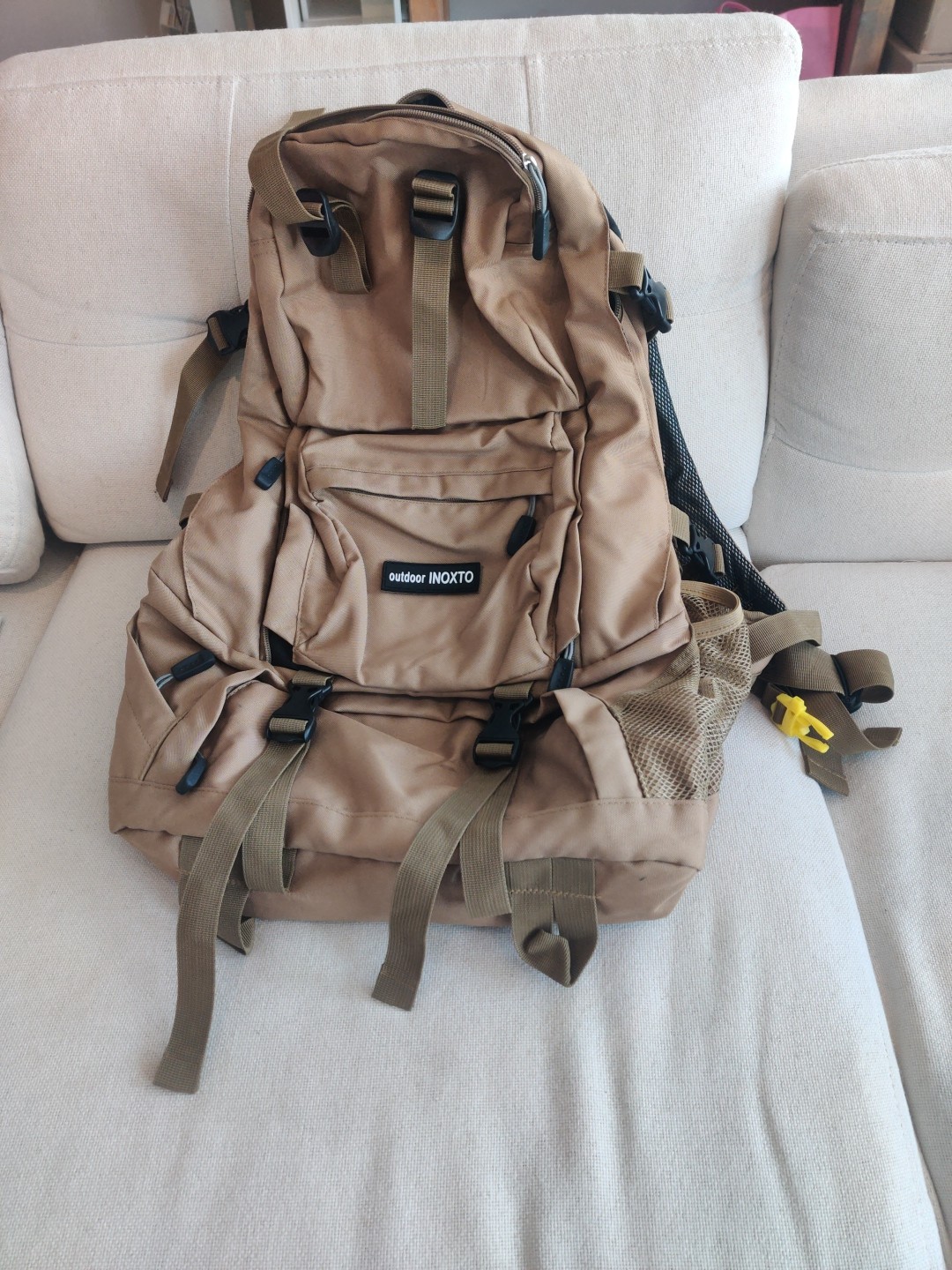 Outdoor Inoxto 40L Camping And Hiking Backpack With Hip And Chest Straps$29.00View on eBay
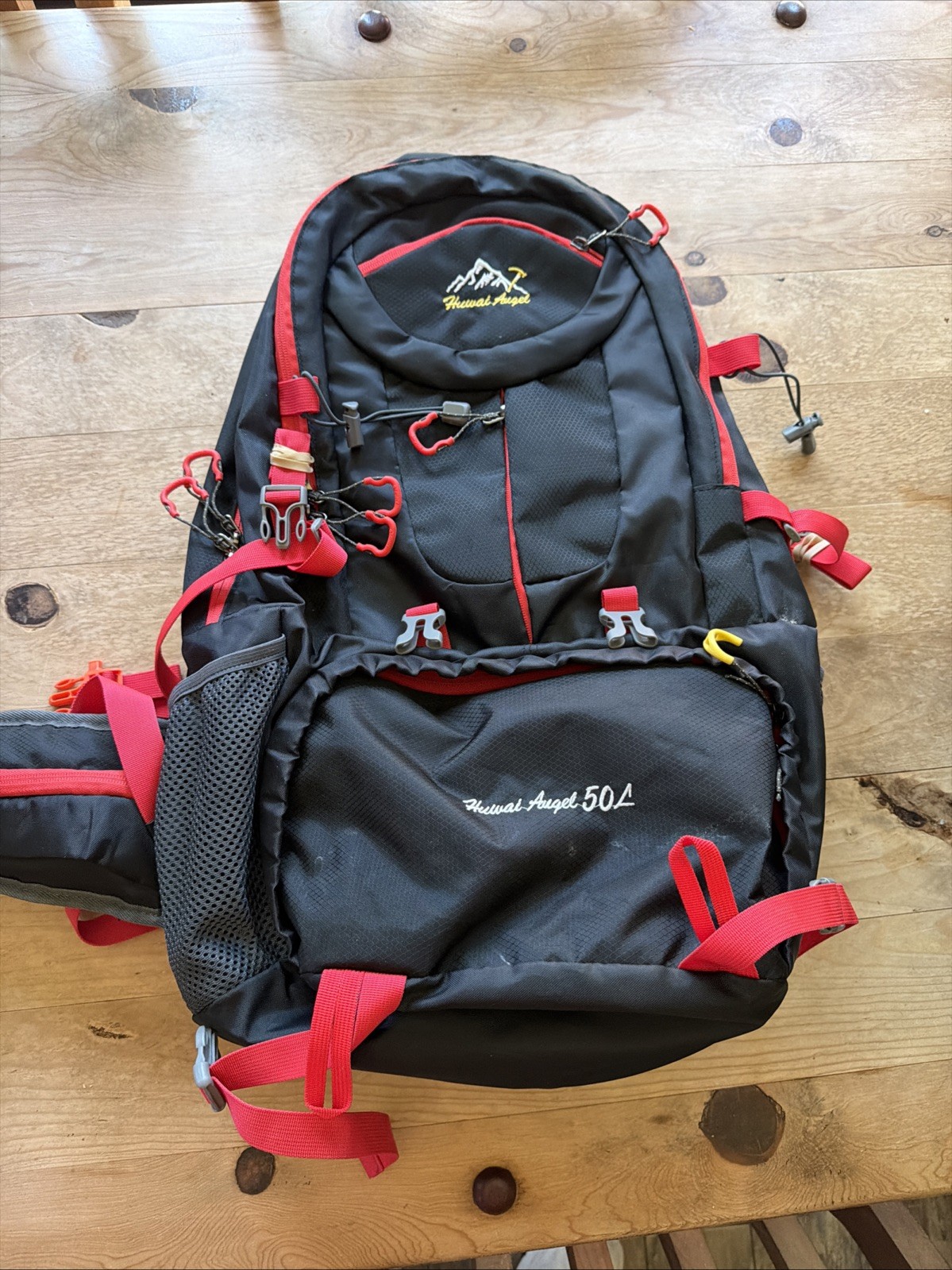 40L Water Resistant Travel Backpack Camping Hiking Laptop Daypack Trekking Climb$29.00View on eBay
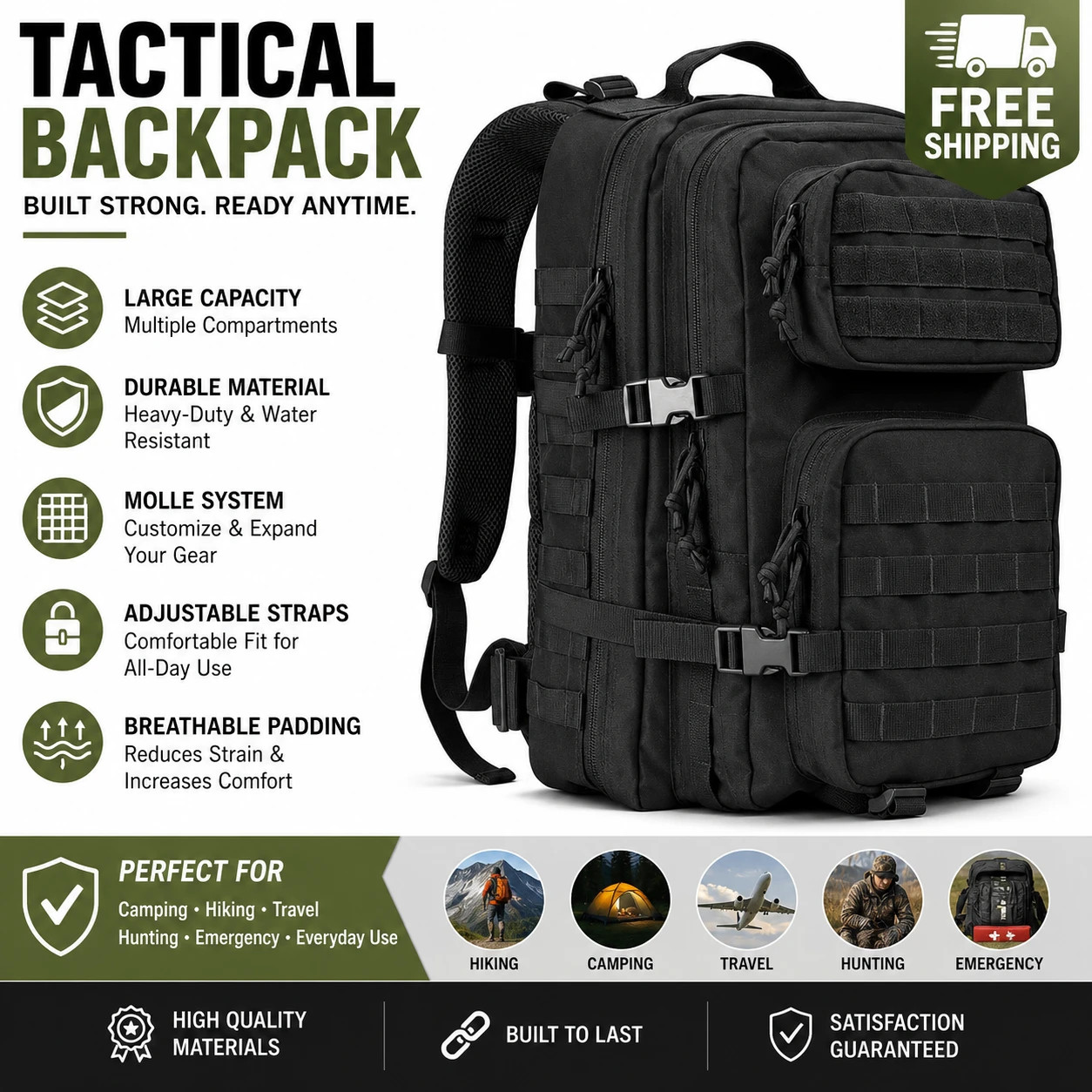 Hiking 40L Military Tactical Backpack MOLLE | 3-Day Assault Pack Hiking$29.99View on eBay
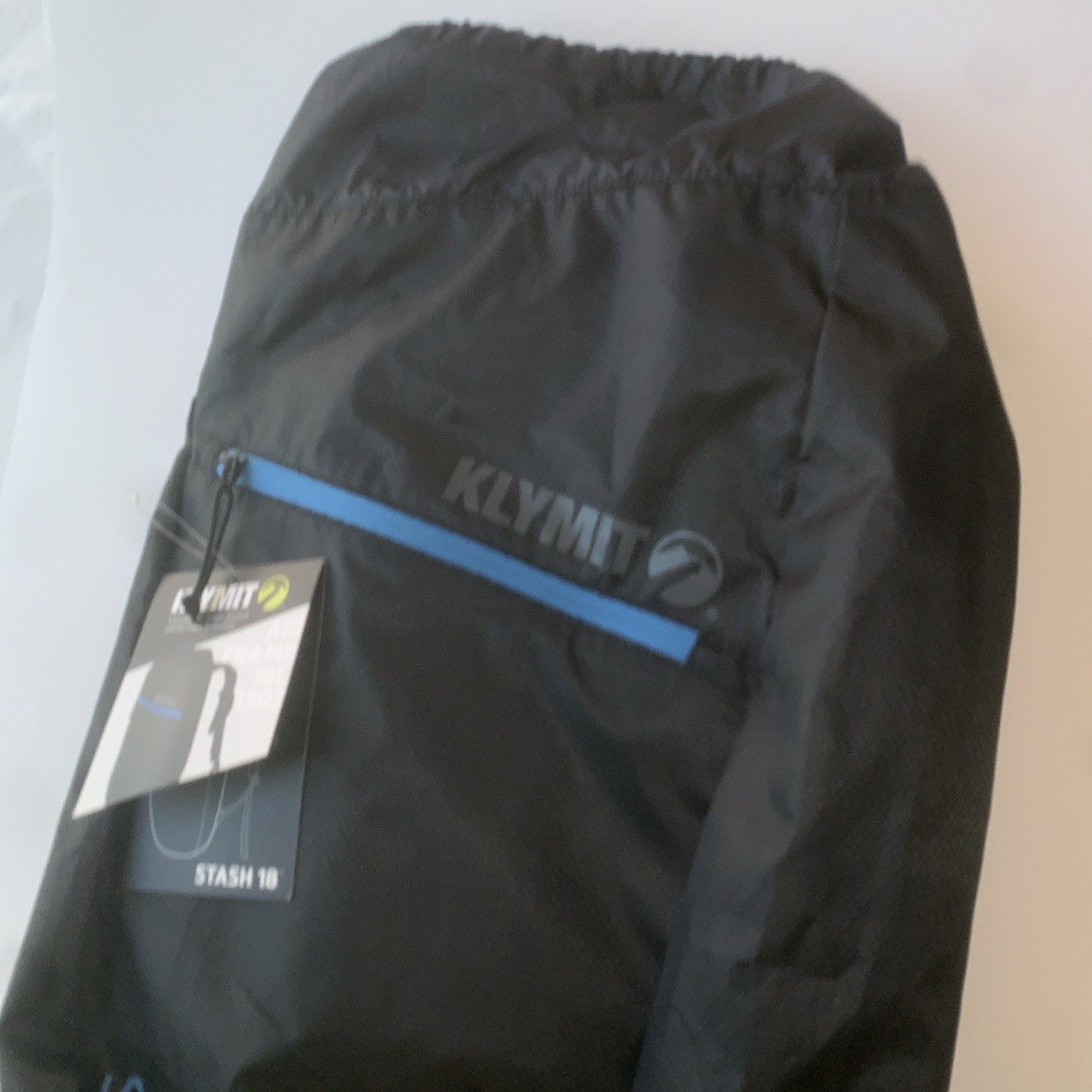 Klymit Stash 18 Daypack Air Frame Lightweight Hiking Backpack Black 18L Nylon$30.00View on eBay
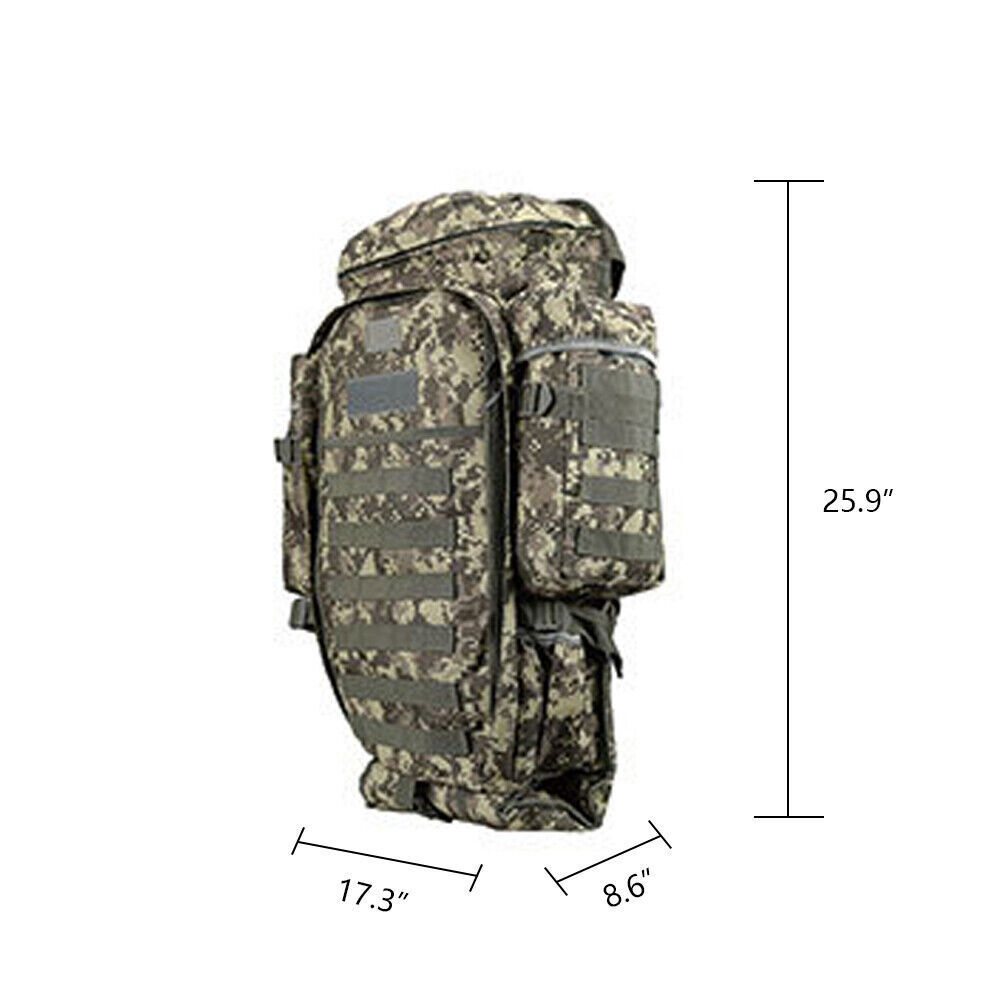 56L Large Military Tactical Backpack Rifle Bag Expandable Hiking Molle Rucksack$30.99View on eBay
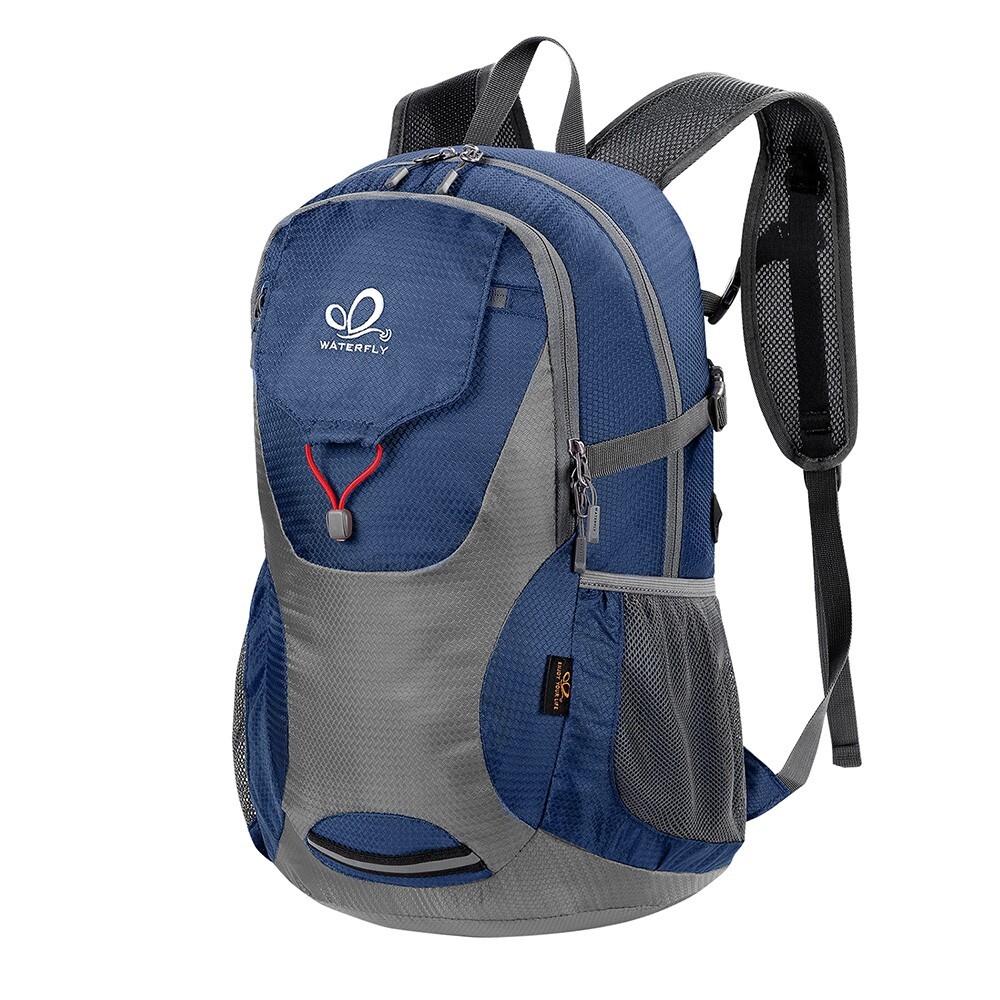 WATERFLY 30L Lightweight Packable Hiking Backpack - Ultralight Foldable Daypack$32.39View on eBay
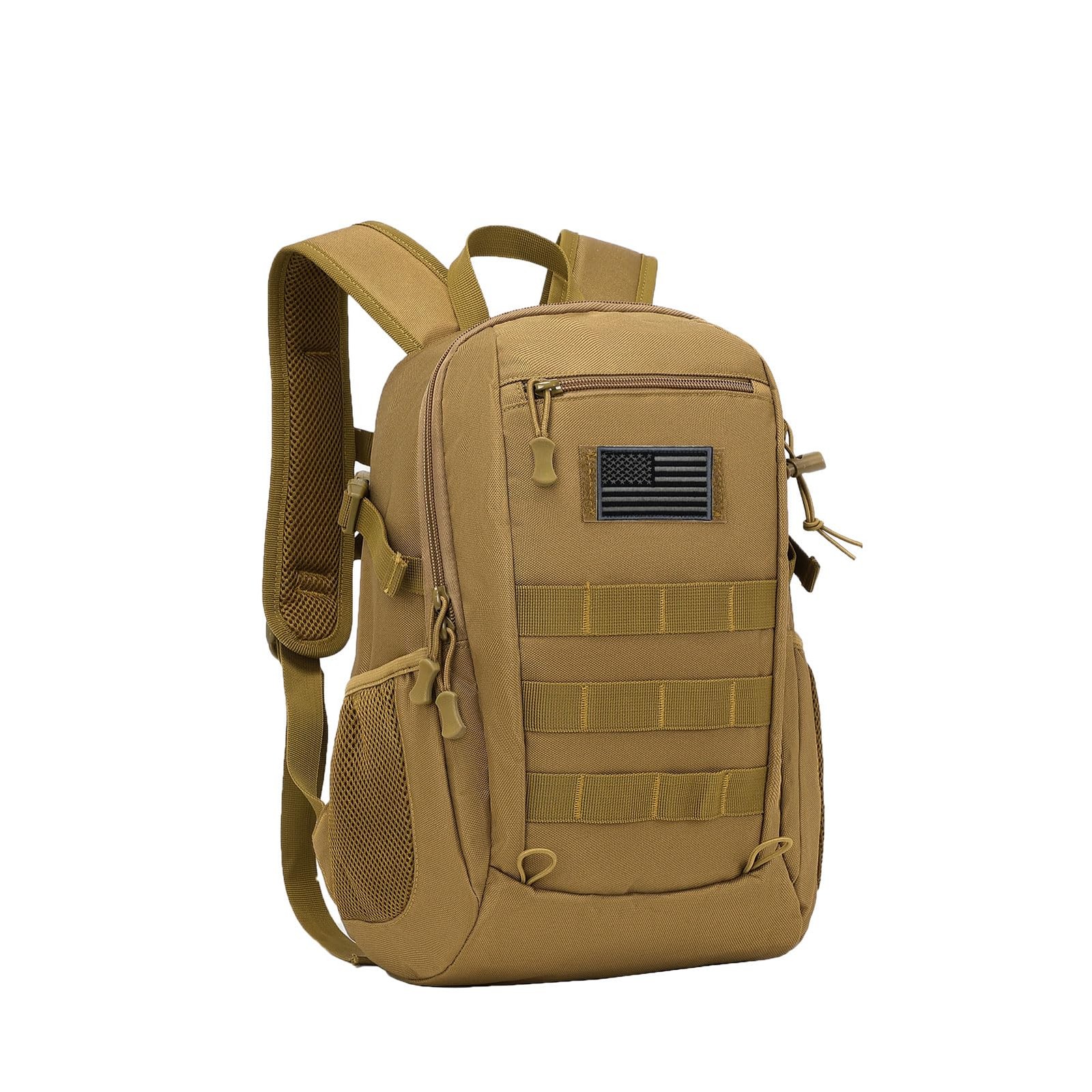 10L mini X-small Tactical Backpack MOLLE Daypack Gear Pack Camping Bag with P$32.68View on eBay
- 10L mini X-small Tactical Backpack MOLLE Daypack Gear Pack Camping Bag with P$32.72View on eBay
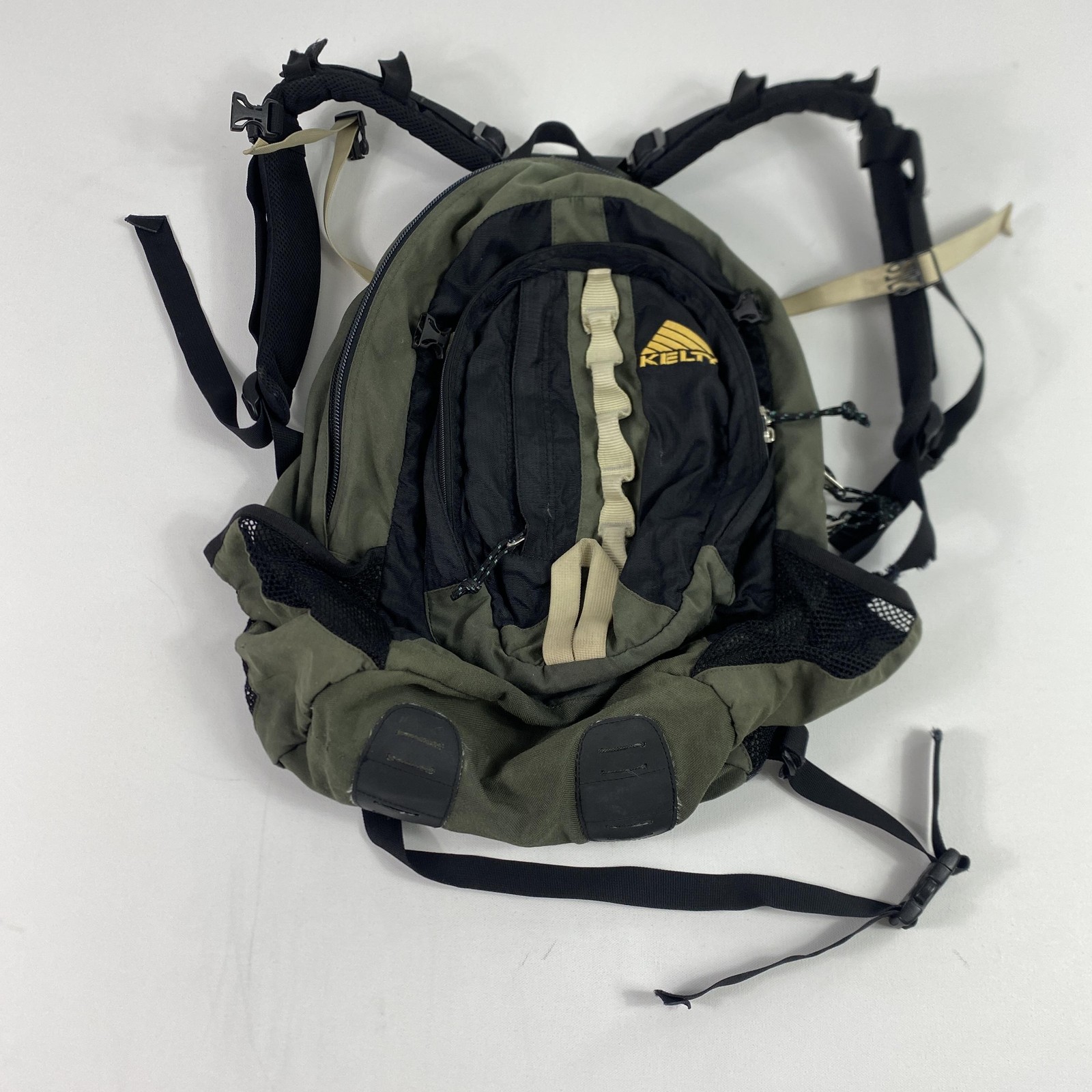 Kelty Hiking Backpack Daypack Green Black Camping Outdoor Gear Mesh Pockets$32.99View on eBay
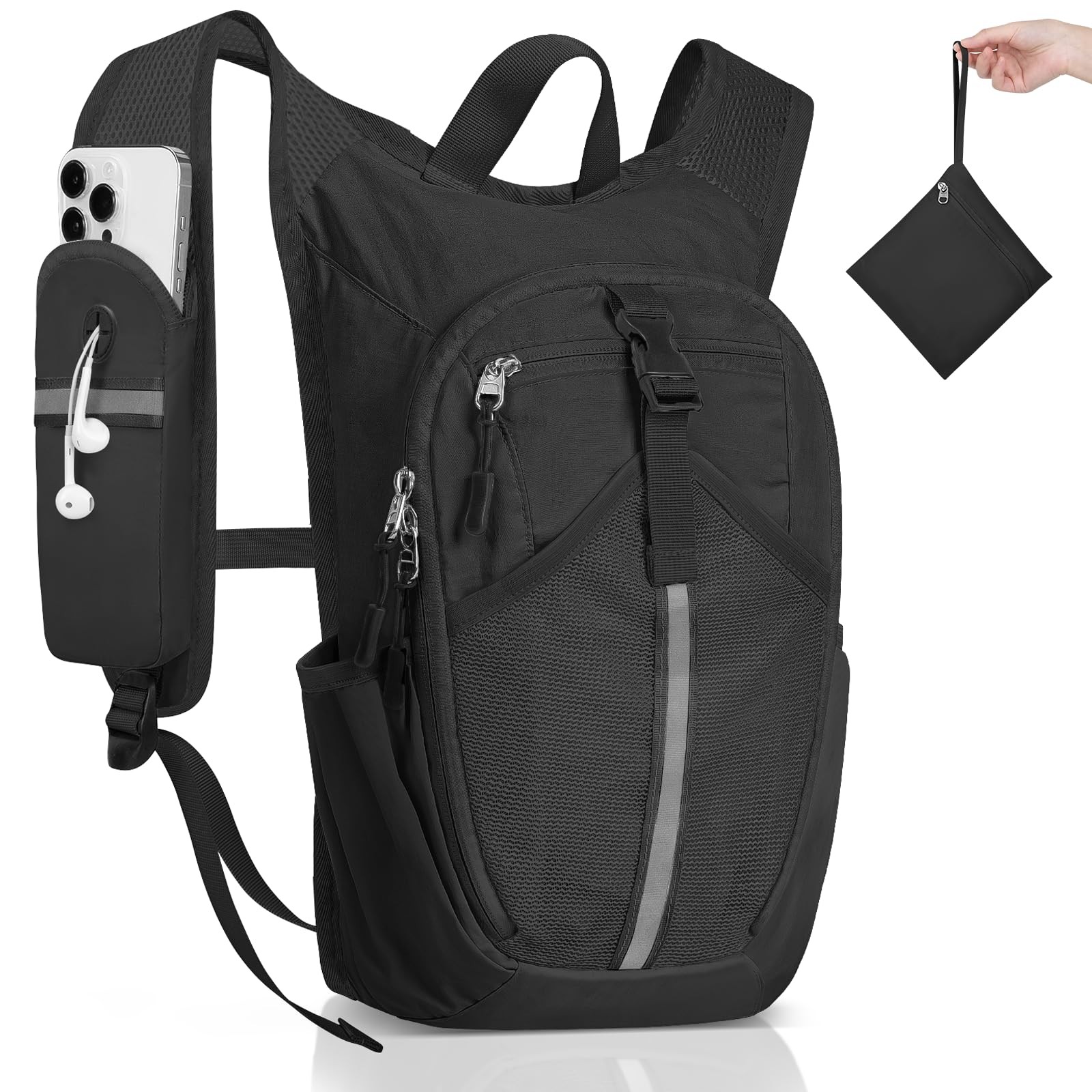 Small Hiking Backpack 10L - Lightweight Packable Foldable Backpack for Travel...$33.90View on eBay
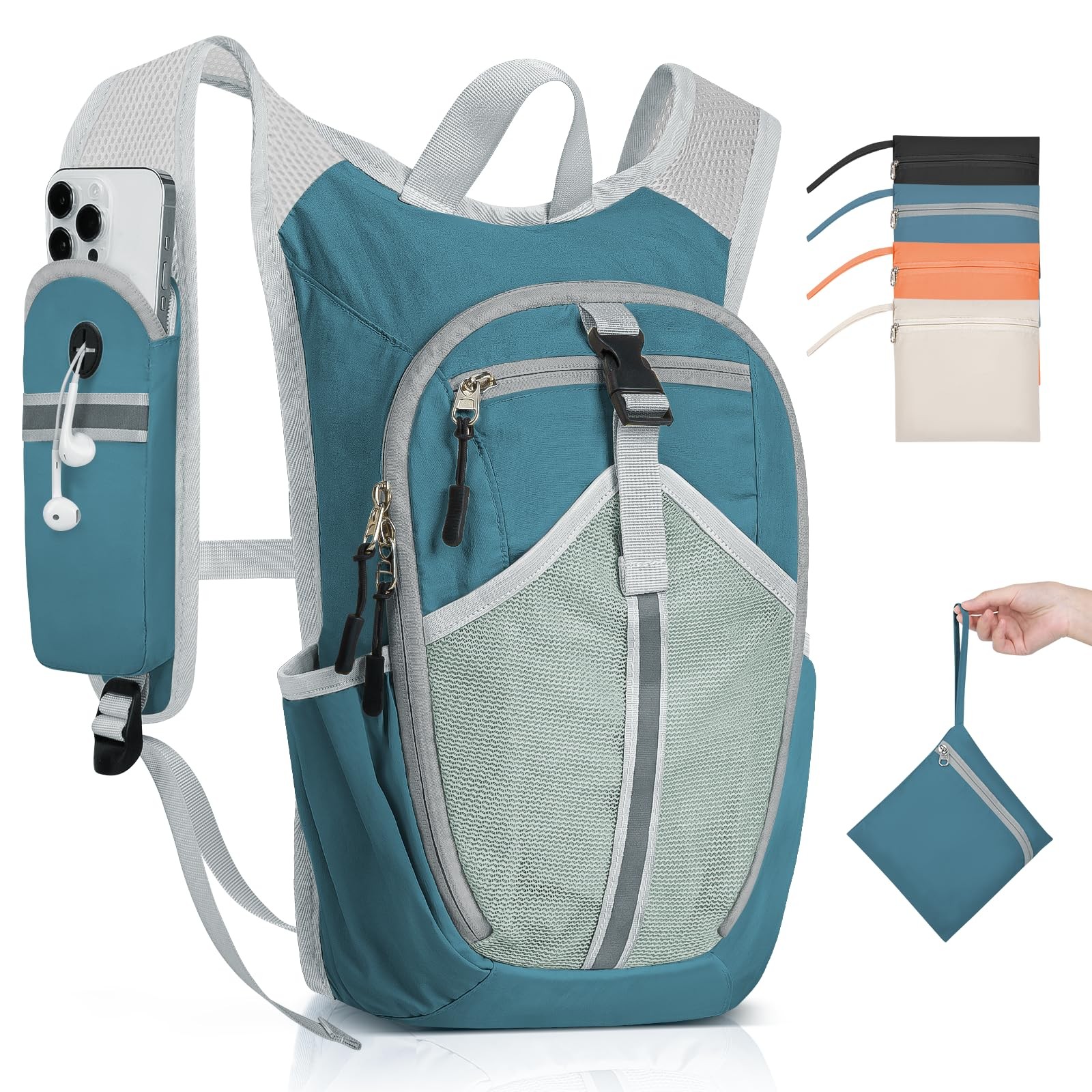 Small Hiking Backpack 10L-Lightweight Packable Foldable Backpack for Travel C...$33.90View on eBay
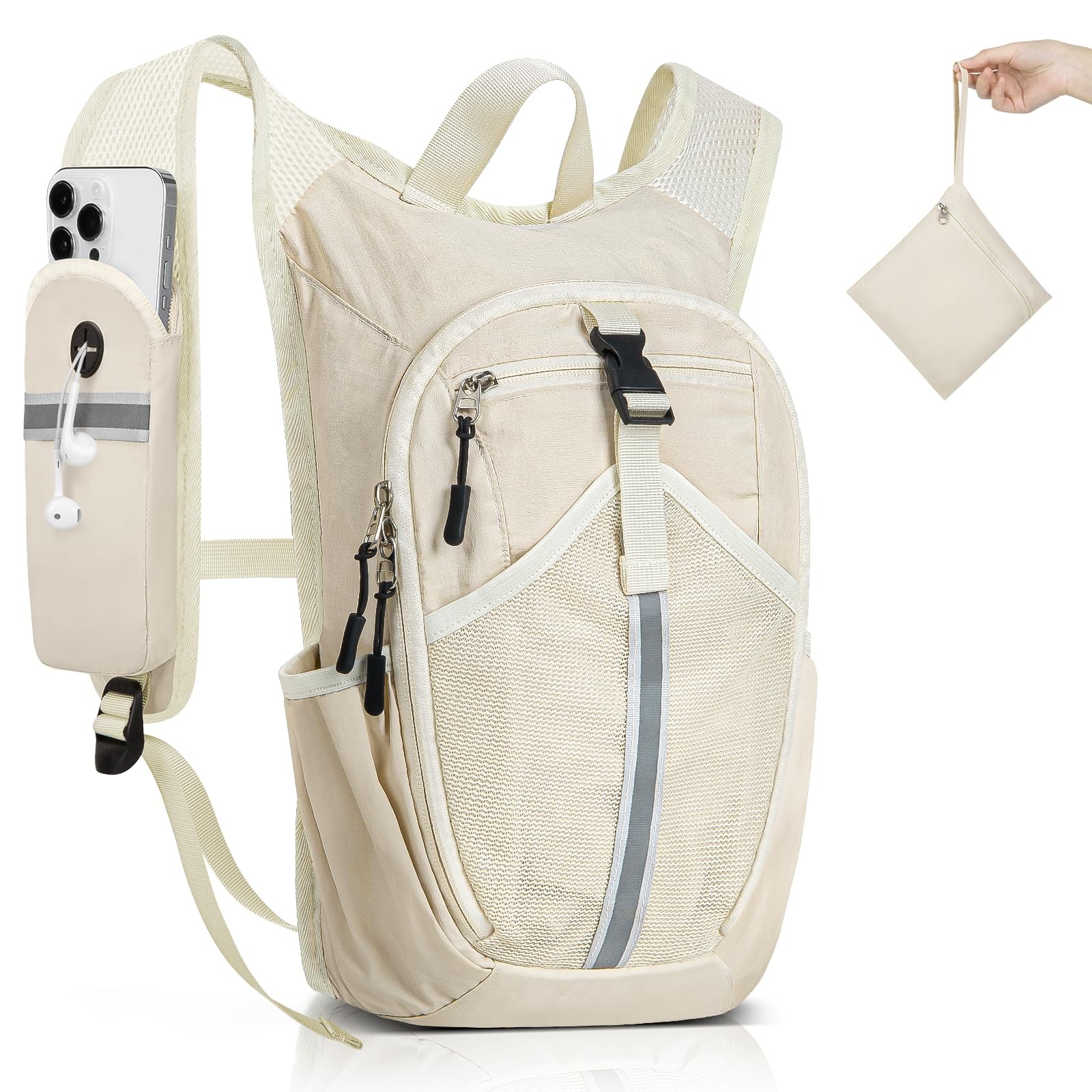 Small Hiking Backpack 10L- Lightweight Packable Foldable Backpack for Travel ...$33.90View on eBay
- Small Hiking Backpack 10L-Lightweight Packable Foldable Backpack for Travel C...$34.68View on eBay
- Small Hiking Backpack 10L-Lightweight Packable Foldable Backpack for Travel C...$34.96View on eBay
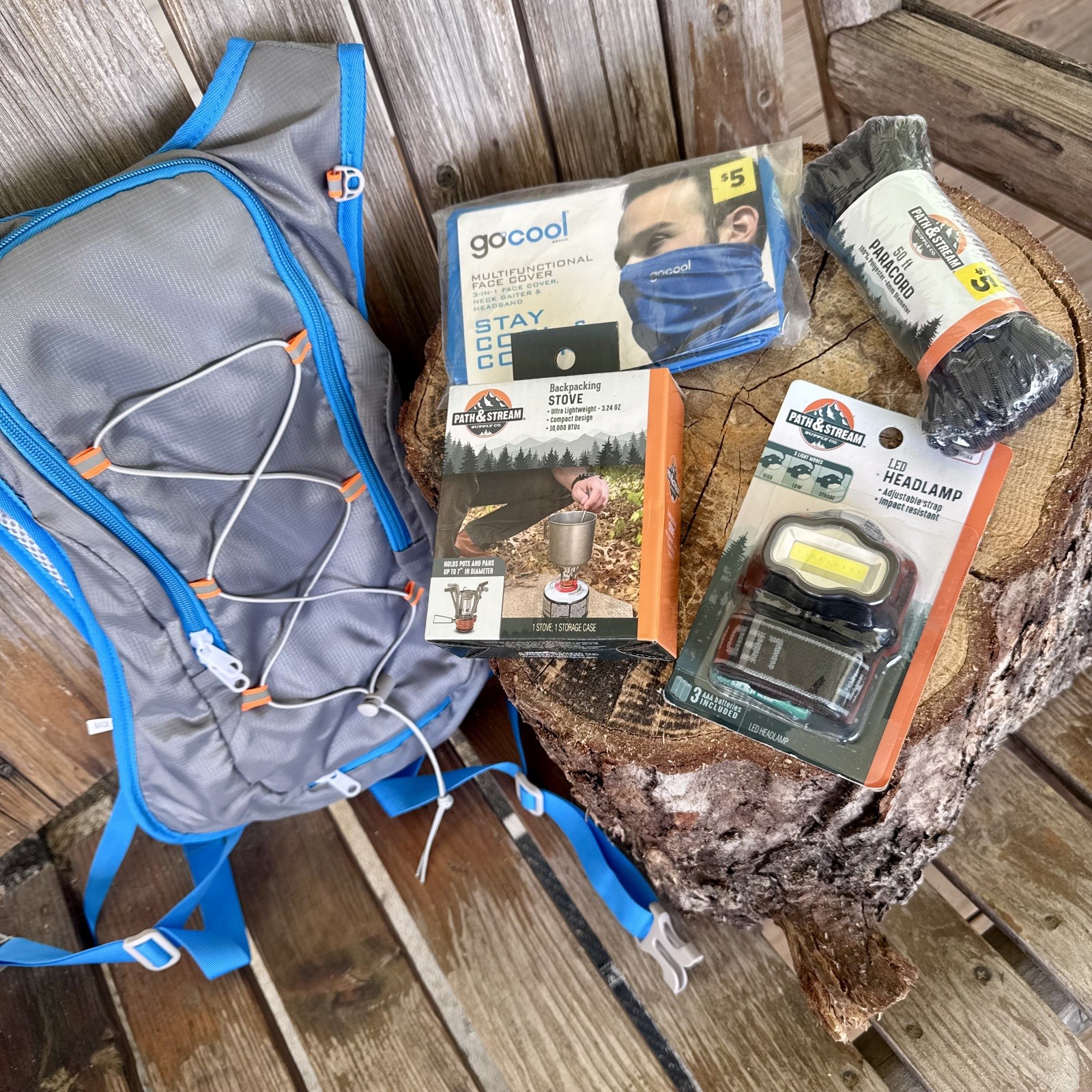 Outdoor Hiking Backpack and Camping Gear Set$35.00View on eBay
Highlights
- Internal-frame packs transfer load through a hip belt and aluminum or HDPE frame sheet; frameless packs above roughly 20 lb sag and pull on the shoulders.
- Capacity tiers map to use: 15-25 L day/hydration, 30-45 L overnight or fast alpine, 50-70 L multi-day, 80-100 L expedition and hauling.
- Hydration packs use a 1.5-3 L bladder with a hose sleeve and sternum strap; bladders are sold separately on many daypacks, so confirm included volume.
- Tactical MOLLE 3-day packs are built from 600-1000D polyester or nylon with PALS webbing—durable but heavier and less ventilated than hiking-specific suspension.
Best use cases
- Day hikes under 4 hours: pick a 15-25 L frameless daypack or 2-3 L hydration vest; skip 40 L+ packs that bounce when underloaded.
- Overnight or hut trips: choose 30-45 L with an internal frame and load-lifter straps; skip frameless ultralight packs if your base weight exceeds 15 lb.
- Multi-day and expedition: use 50-70 L (3-5 days) or 80-100 L haulers with adjustable torso length; skip one-size tactical 40 L packs for heavy loads.
- Urban commute and travel: a 20-30 L panel-loader with a padded 15-inch laptop sleeve beats a top-loading hiking pack for daily access.
Buying tips
- Match torso length, not height: measure C7 vertebra to iliac crest—16-19 in small, 18-21 in medium, 20-23 in large; adjustable frames cover two sizes.
- Apply the 20-25% rule: hip-belt load transfer matters once pack weight exceeds 20-25% of body weight; below that, a frameless pack is fine.
- Check fabric denier: 100-210D nylon for ultralight, 420-500D for abrasion resistance, 1000D only for tactical hauling where weight is secondary.
- Confirm bladder compatibility: most packs fit a 2-3 L bladder with a dedicated hanger and hose port; vests use soft flasks in chest pockets instead.
Specs
| Frame Type | Internal frame / Frameless / Air-frame |
|---|---|
| Capacity Tiers | 15-25L day / 30-45L overnight / 50-100L multi-day |
| Hydration Capacity | 1.5-3L bladder or soft flasks |
| Fabric Denier | 100-210D UL / 420-500D durable / 1000D tactical |
Related searches
What to check before buying
- Measure your torso length and hip circumference before choosing a size; adjustable or gender-specific hip belts are required outside standard ranges.
- Match capacity to trip length and load weight; an overcapacity pack underfilled is unstable, and an undercapacity pack overloads suspension.
- Verify the bladder or bottle system fits your pack's sleeve, hose port, and chest-strap attachment points.
- Check rain protection: included rain covers or PU-coated fabrics are needed for wet climates; uncoated nylon absorbs water and gains weight.
FAQ
Data sources: eBay / Amazon listings and product attribute feeds Data updated Nov 16, 2026.
Some links on this page are affiliate links. If you buy after clicking one, we may earn a commission at no extra cost to you. This does not change which products appear here or their order. Affiliate disclosure.