Photos from current listings. Actual item, color, and included accessories may vary.
Water Backpack Buying Guide
A water backpack (hydration pack) integrates a fluid reservoir and drink tube into a close-fitting daypack, trading off reservoir capacity and pack volume against weight and back ventilation. The decisive rule: choose a pack with a dedicated insulated reservoir sleeve, a BPA-free bladder rated for at least 2L, and a bite valve with a shutoff, and skip any 'water backpack' that is merely a daypack with a loose bottle pocket.

At a glance
- Category
- Hiking Backpacks & Hydration Packs
- Data updated
- Nov 16, 2026
Current offers
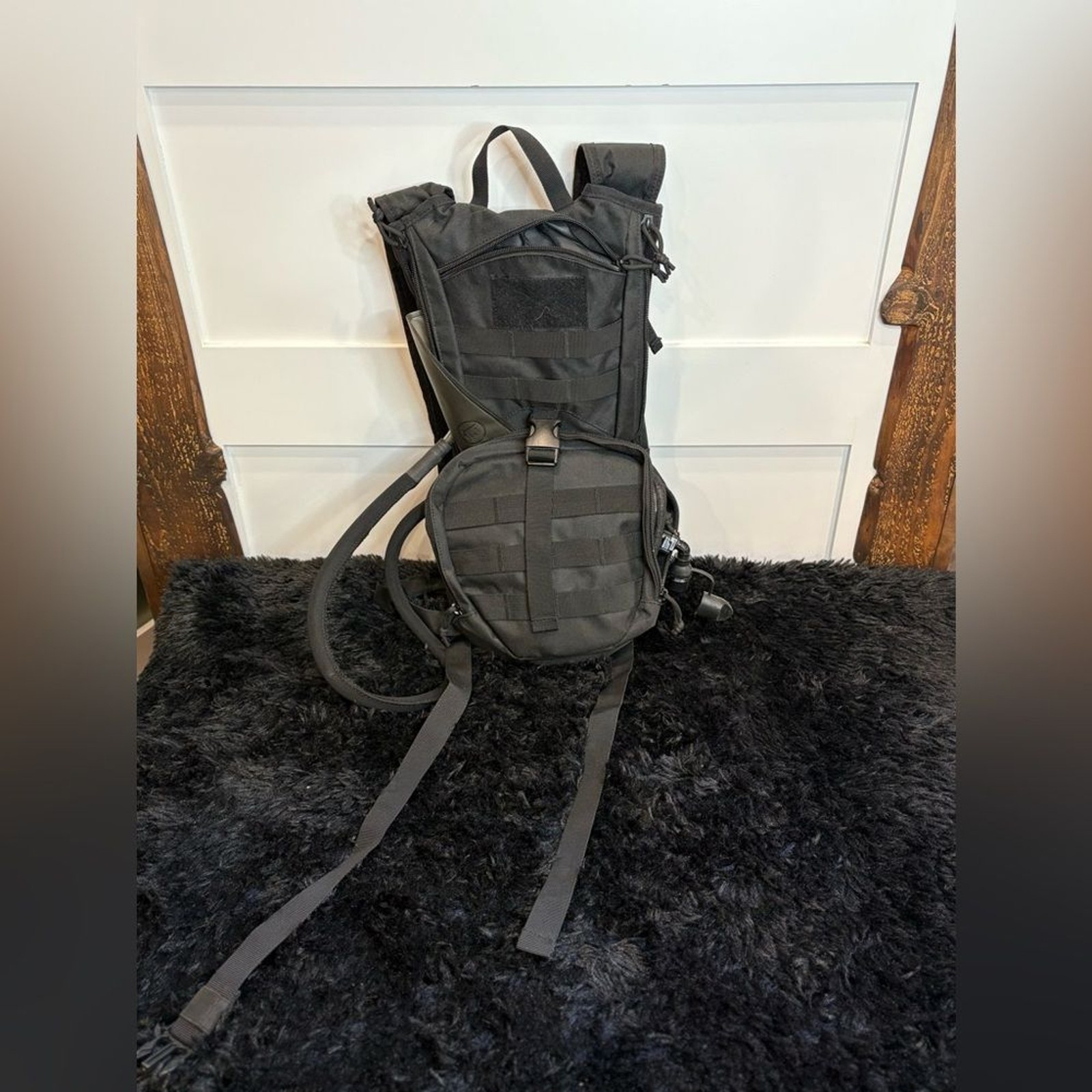 Black Tactical Hydration Water Backpack Men’s Outdoor Military Hiking Gear$70.00
 View on eBay
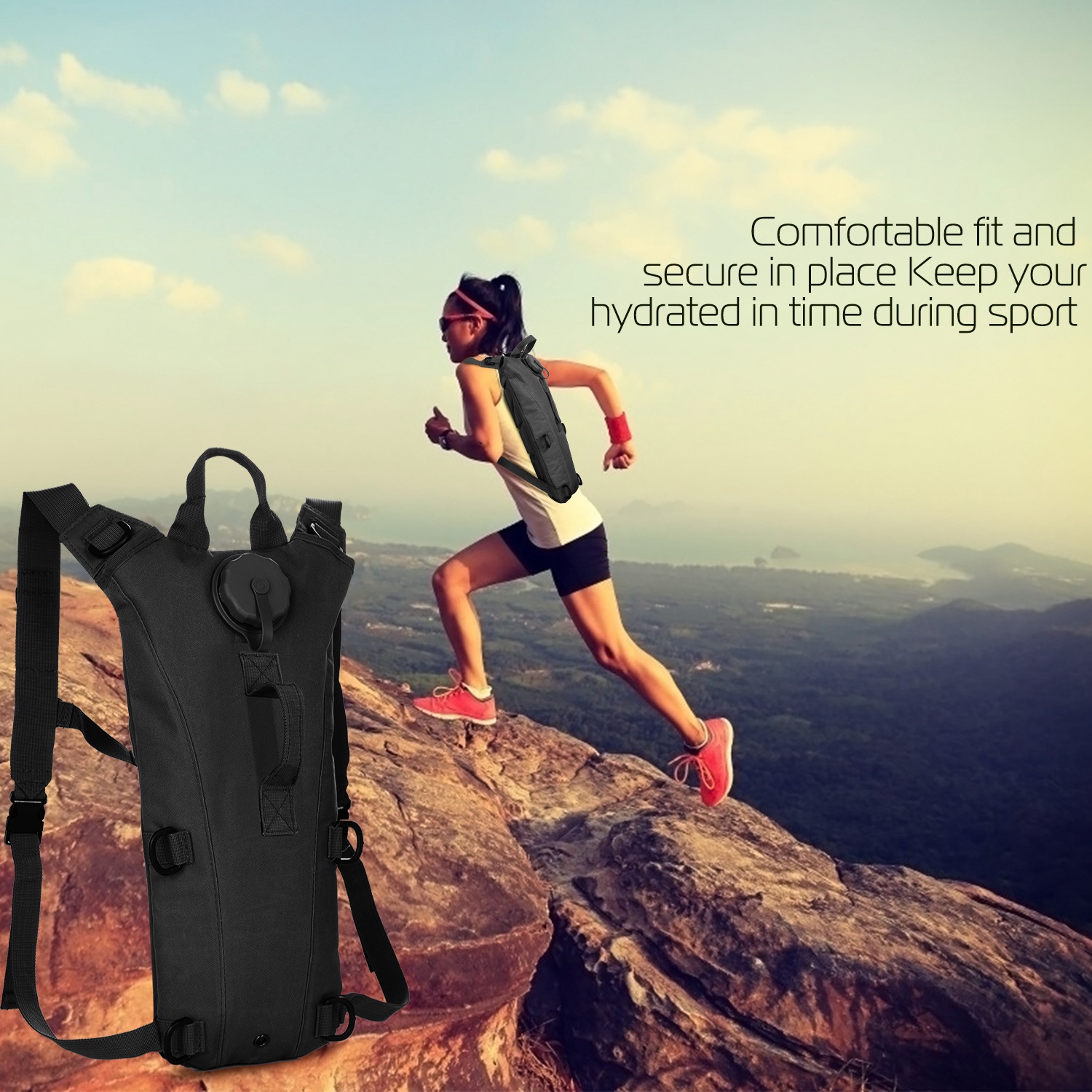 1Pc 3L Tactical Hydration Pack Water Bladder Adjustable Drink Backpack For Hiking Cycling Climbing Running$19.99
 View on Mallflare
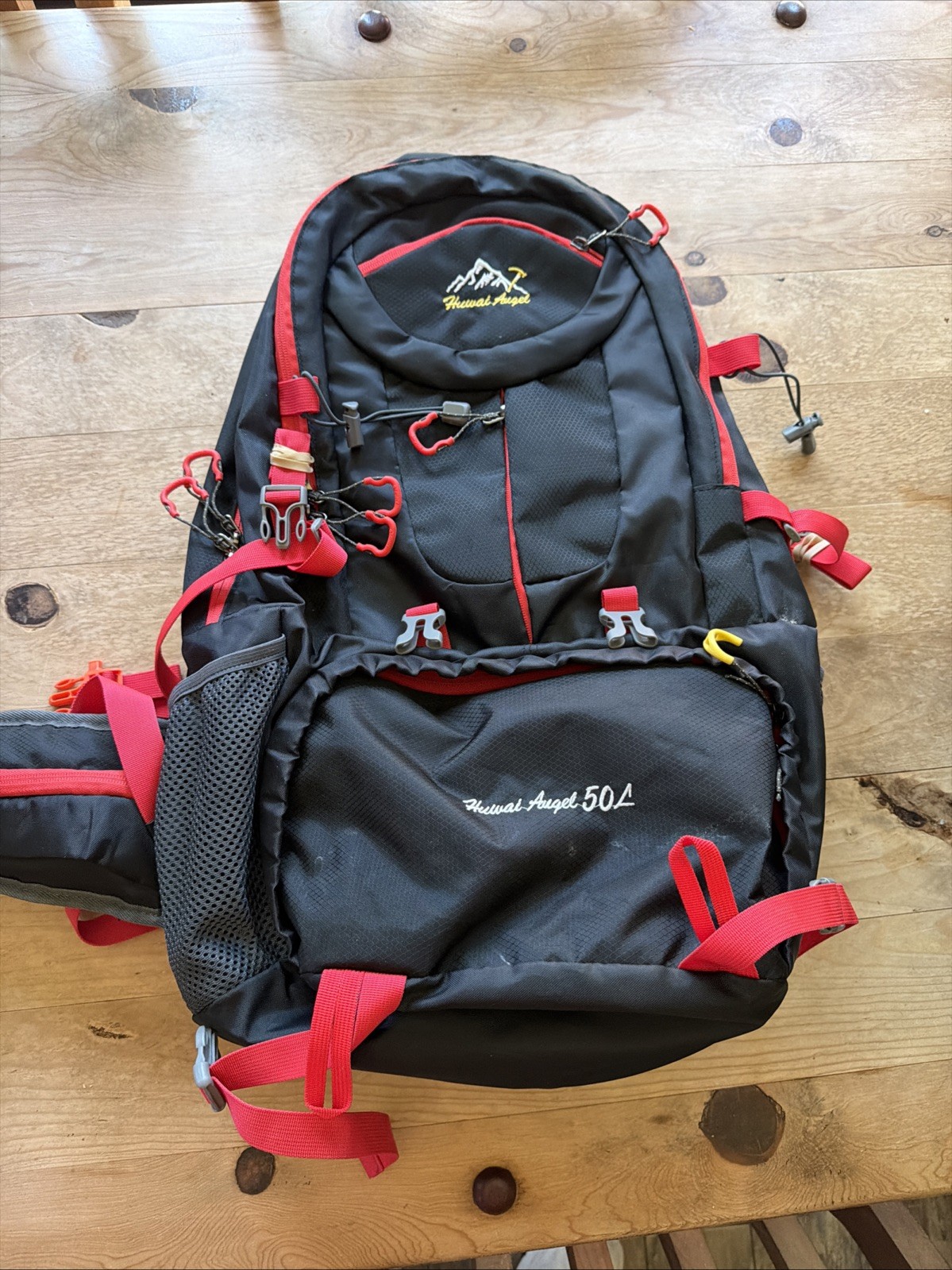 40L Water Resistant Travel Backpack Camping Hiking Laptop Daypack Trekking Climb$29.00View on eBay
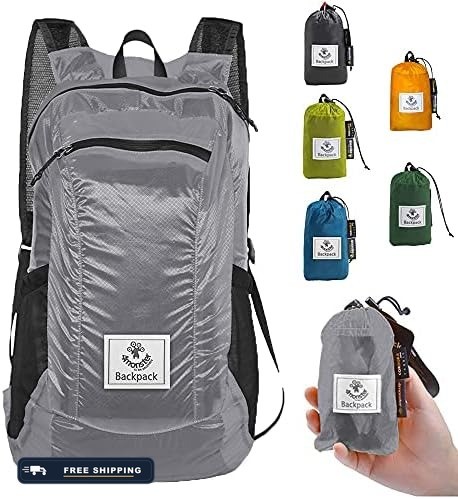 Hiking Daypack,Water Resistant Lightweight Packable Backpack for Travel Camping$36.99View on eBay
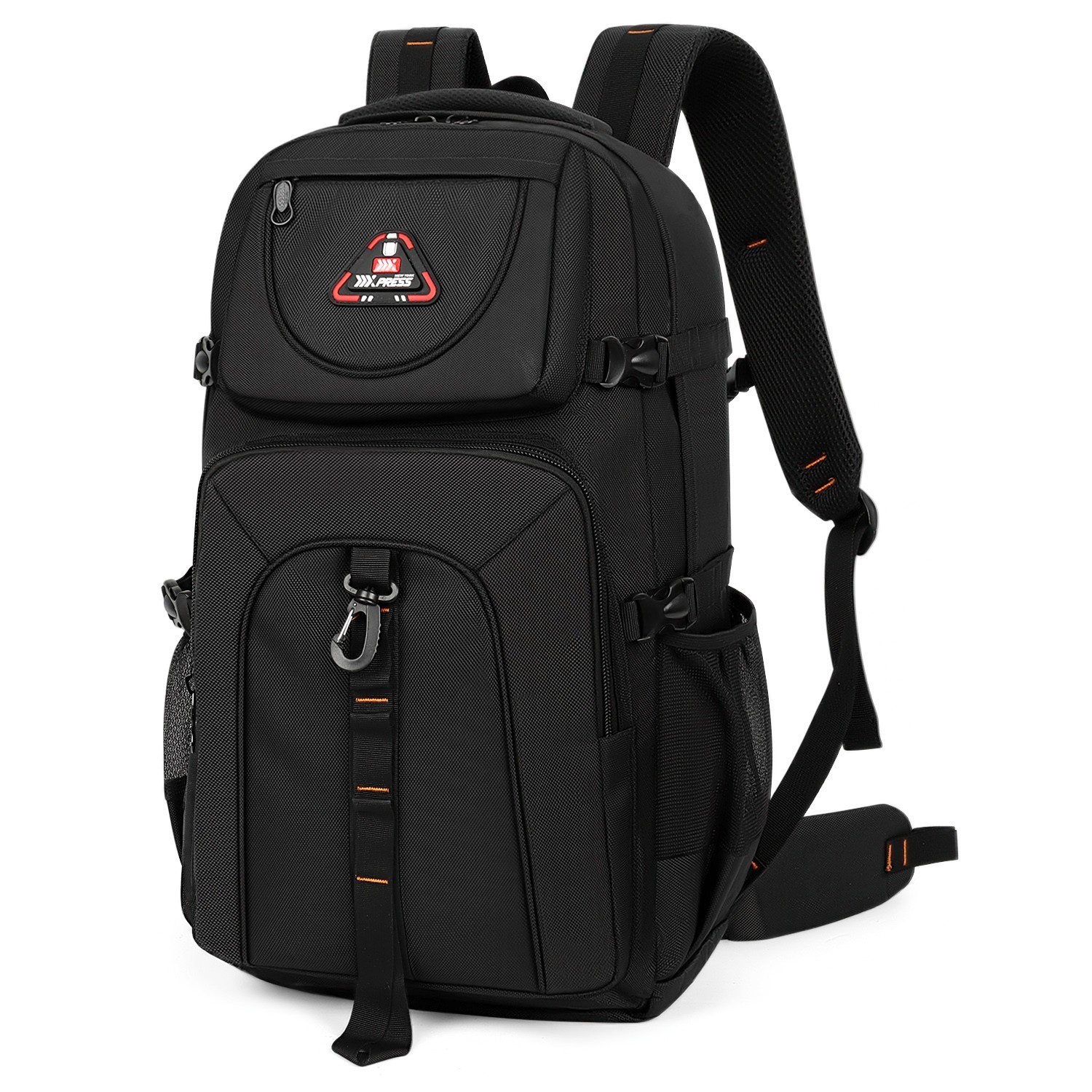 Lightweight Hiking Backpack 40L Large Capacity Water Resistant Backpack Daypack$38.99View on eBay
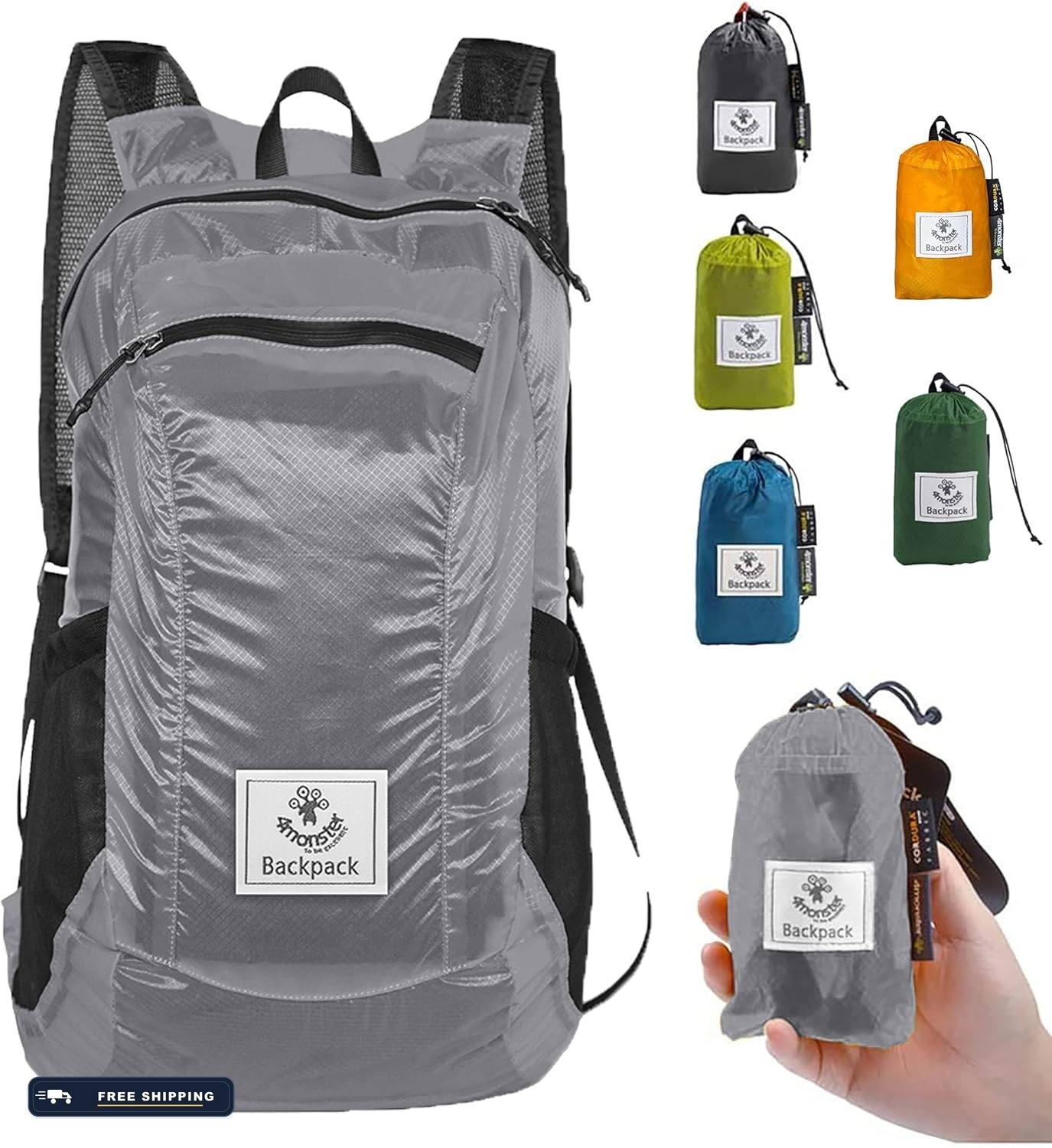 Hiking Daypack,Water Resistant Lightweight Packable Backpack for Travel Camping$38.99View on eBay
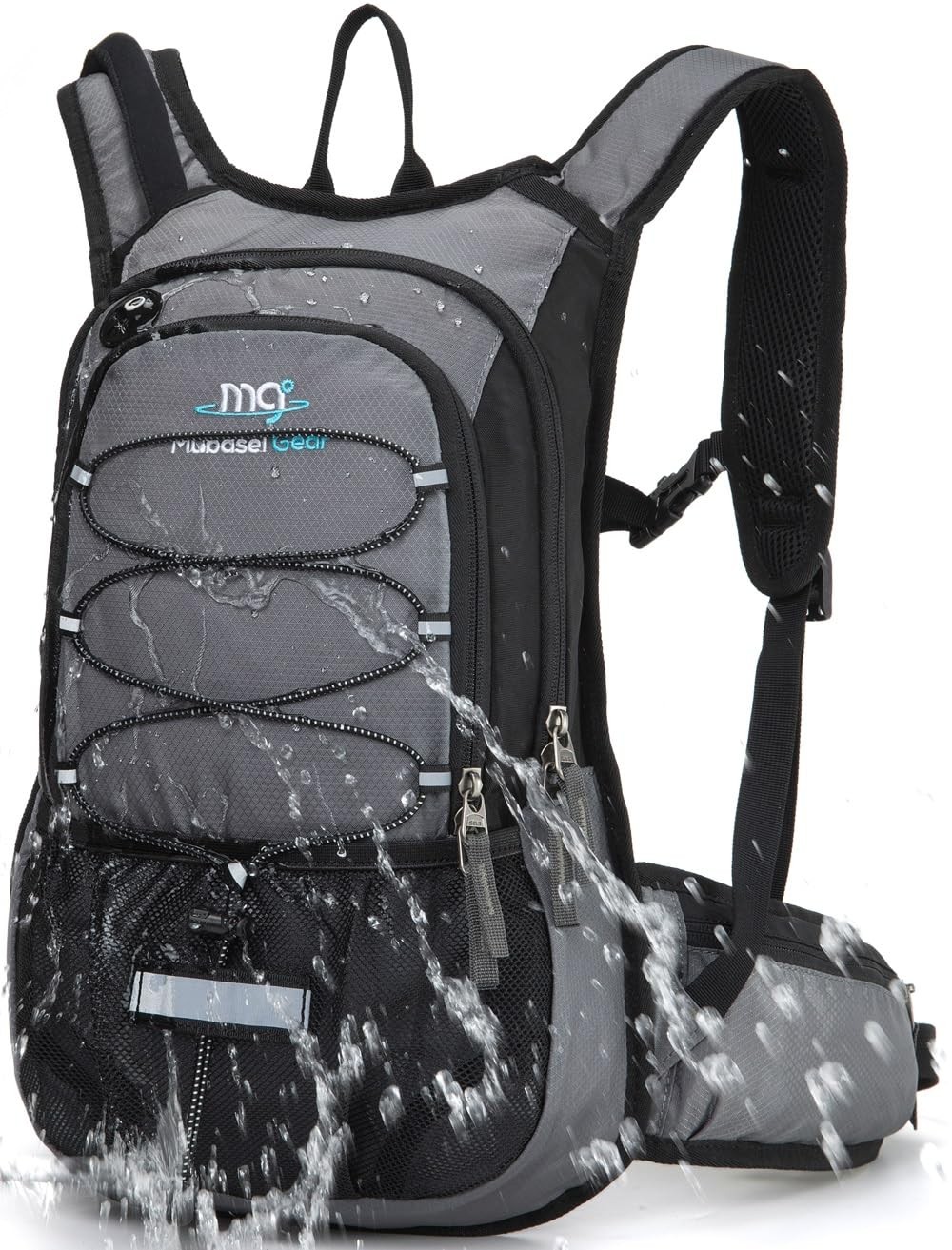 15L Insulated Hydration Backpack Pack with 2L Water Bladder Lightweight Hikin...$41.84View on eBay
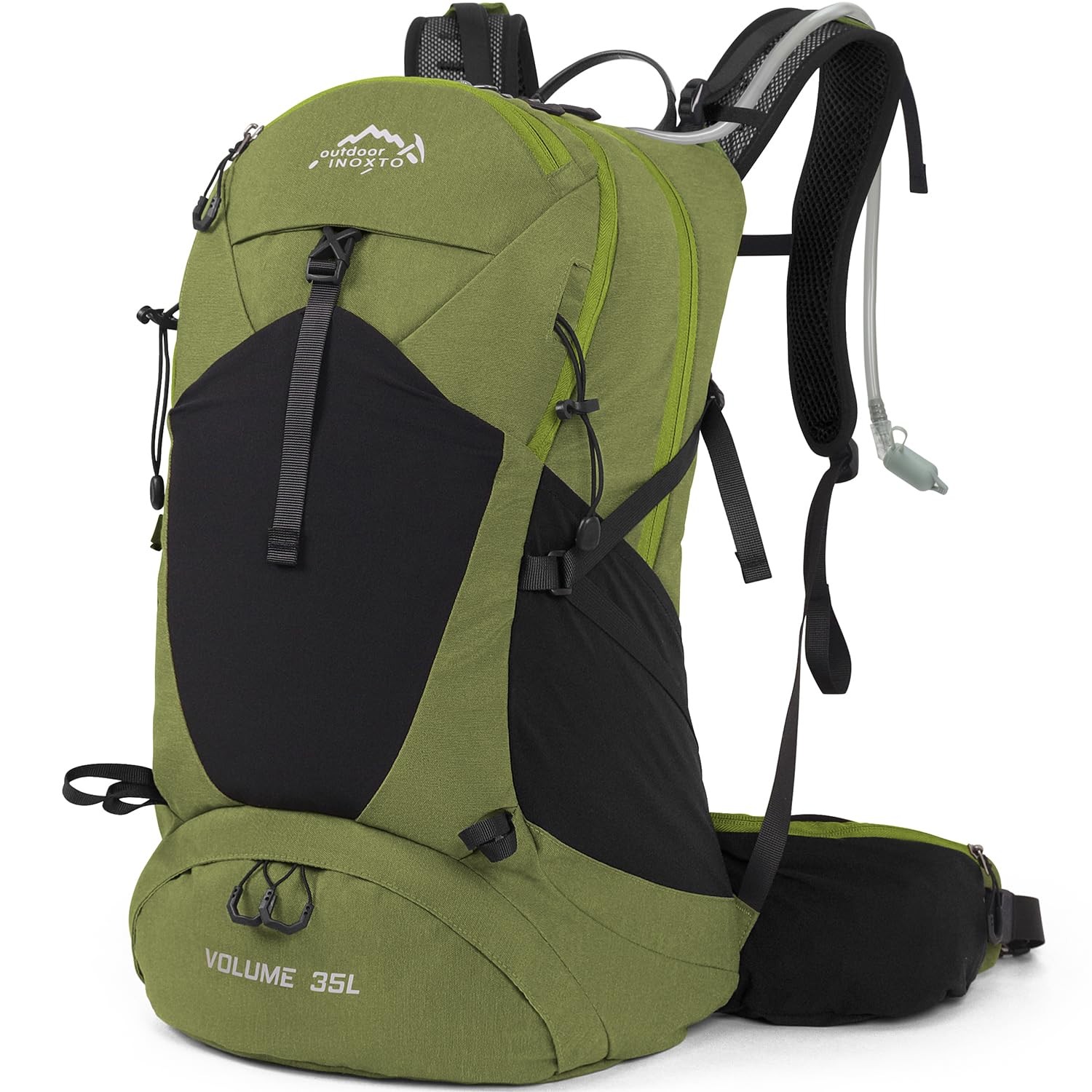 Hiking Backpack,35L Waterproof Hiking Daypack with 3L Water Bladder and Rain ...$55.00View on eBay
Highlights
- Bladder capacity tiers: 1.5–2L for 2–4 hour runs, 2.5–3L for 5+ hour hikes, matching pack volume of 8–15L for pure hydration and 20–40L for gear-hauling daypacks.
- Dedicated hydration sleeve with top hanger and insulated tube routing separates true hydration packs from generic daypacks with a bottle pocket—insulation prevents first-sip heat and tube freezing.
- Bite valves use silicone or TPR with a twist shutoff; wide-mouth (large opening) bladders speed fill and cleaning, while narrow-mouth bladders fit compact sleeves but are harder to dry.
- Harness and ventilation determine comfort: padded shoulder straps with sternum strap and load lifters for 20L+ packs; mesh back panels for hot climates vs. solid panels for cold/wet conditions.
Best use cases
- Best for 2–4 hour hikes or trail runs: pick an 8–15L pack with a 1.5–2L wide-mouth bladder and insulated tube—skip 30L+ packs that bounce when running.
- Best for full-day hikes with layers and lunch: pick a 20–35L daypack with a 2.5–3L bladder, sternum strap, and rain cover; skip ultralight packable daypacks lacking a structured reservoir sleeve.
- Wrong fit for multi-day backpacking: a water backpack is a daypack system; for overnight trips choose a 40–65L framed pack and carry bottles or a bladder accessory, not a hydration-specific pack.
- Best for cycling and commuting: pick a 15–20L pack with a low-profile reservoir and reflective accents; skip tactical MOLLE packs unless you need modular pouches, as they add weight and snag risk.
Buying tips
- Match bladder to activity duration: 2L supports about 2–3 hours of moderate hiking; add 0.5L per extra hour, and carry a backup bottle for water sources without refill access.
- Check reservoir opening: wide-mouth (about 8cm/3in) bladders fill from streams and accept ice; narrow-mouth bladders fit tight sleeves but require a funnel and dry slowly.
- Verify tube insulation: insulated tubes with neoprene covers prevent freezing in sub-4°C (40°F) and reduce sun-warmed plastic taste; uninsulated tubes are acceptable only for mild-weather day hikes.
- Choose capacity by torso fit: pack volume 20L+ needs a sternum strap and load lifters to keep the reservoir weight high and stable; 8–15L packs can use a simple webbing sternum strap.
Specs
| Bladder Capacity | 1.5L / 2L / 2.5L / 3L |
|---|---|
| Pack Volume | 8–15L run / 20–35L daypack |
| Bladder Opening | Wide-mouth ~8cm vs narrow-mouth |
| Tube Insulation | Insulated neoprene vs bare tube |
Related searches
What to check before buying
- Measure your torso length (C7 vertebra to iliac crest): 40–48cm fits most unisex daypacks; outside this range, look for adjustable or women's-specific harnesses.
- Confirm the reservoir sleeve dimensions match your bladder: a 3L bladder is roughly 40×20cm and will not fit compact 8–10L packs designed for 1.5–2L.
- Check climate and temperature: insulated tubes and bite-valve covers for below 4°C (40°F); mesh back panels for above 25°C (77°F); rain cover for wet climates.
- Verify compatibility and spare parts: bladder must be BPA-free and dishwasher-safe on top rack; bite valve and tube should be replaceable, and the pack should accept a standard 1/4-inch quick-release hose.
FAQ
Data sources: eBay / Amazon listings and product attribute feeds Data updated Nov 16, 2026.
Some links on this page are affiliate links. If you buy after clicking one, we may earn a commission at no extra cost to you. This does not change which products appear here or their order. Affiliate disclosure.